

B’S TOWING • GREATER NEW ORLEANS
Dumpster movement inquiry: describe the unit, contents and site
Prefer a callback? Leave your number.
Dispatch confirms availability, equipment, timing and price. A request is not a confirmed booking.
A dumpster movement inquiry should identify the actual unit, its contents and the two locations involved. A familiar container shape does not establish dimensions, weight, handling suitability or receiving permission. Call B’s Towing at 504-908-0072 to discuss the request and service availability. This guide helps a coordinator gather reliable information. It does not promise movement of every dumpster, accept every type of contents, authorize disposal or determine which provider owns or controls a particular unit.
On this page
- Identify the dumpster and its responsible provider
- Document size, weight and current condition
- Describe contents and separate acceptance questions
- Give the pickup route and surrounding access
- Confirm a real receiving location and handoff
- Confirm the reviewed scope and maintain the record
- Questions and answers
Pickup planning
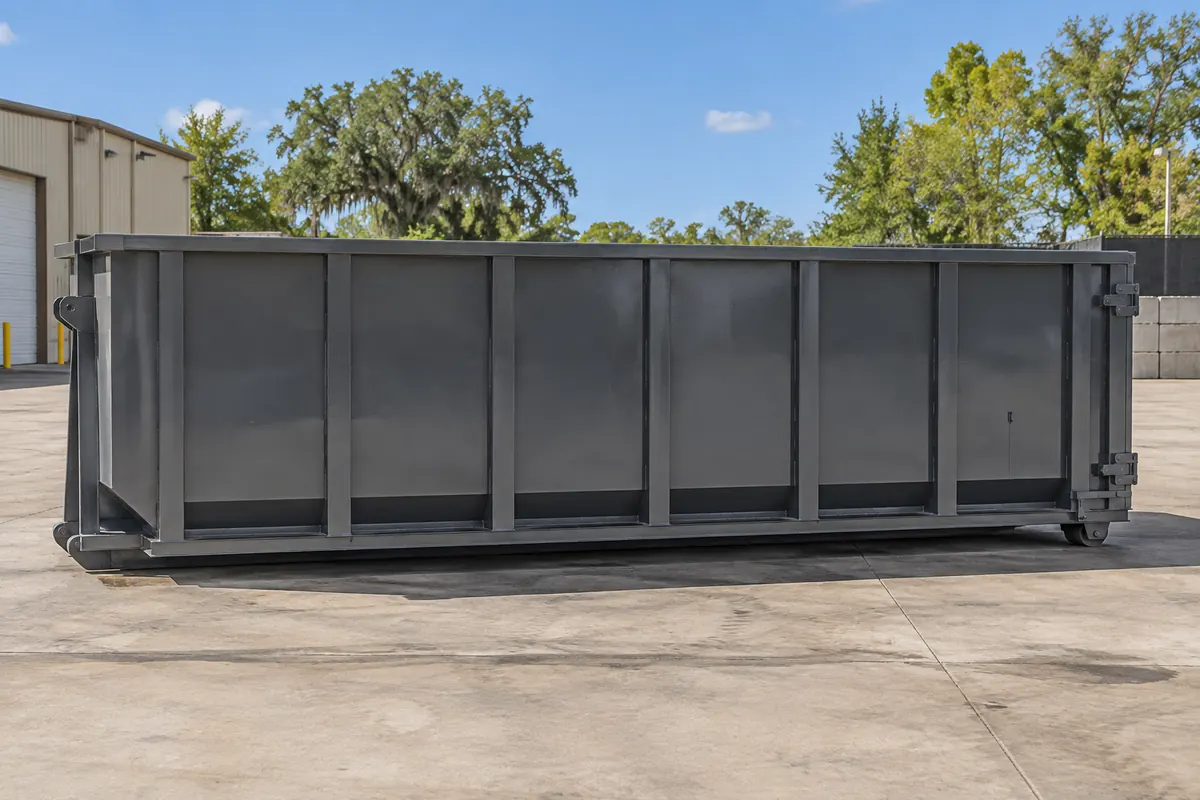
Identify the dumpster and its responsible provider
Provide the unit type, identifying information and responsible owner or provider when known. Explain whether the request concerns a rented unit, company equipment or another arrangement that needs clarification. A business name on an old invoice can help identify the appropriate contact without establishing the current movement instruction. Ask the responsible party what its actual process requires. Keep ownership, service approval and property-access roles separate so dispatch is not expected to decide a disagreement between several people giving different directions.
Describe whether the proposed task is a relocation within a property, a move to another site or a different request. These are different scopes. Identify the actual pickup and proposed receiver rather than using the word removal to imply an unstated disposal service. If a provider’s approval or other instruction remains pending, say so. A reference number or preferred collection time does not by itself establish authorization for independent movement, acceptance of contents or a completed service booking.
Document size, weight and current condition
Use reliable owner or provider records for dimensions and weight when available. Identify whether a figure describes the empty unit, a rating or its actual current loaded condition. Those facts should not be substituted for one another. A size label may help identify the dumpster while leaving the actual load unresolved. Tell dispatch what is confirmed and what remains unknown, with an appropriate responsible contact available to supply missing records. Do not derive a precise weight from how full the unit appears.
Describe visible damage, altered parts or another known condition that changes the actual assembly. Use safe overview photographs when available, showing the whole unit and surroundings rather than only a close-up of one side. Do not climb on or enter the dumpster to identify a label or improve the inquiry. Photos can provide context but do not certify weight, structural condition or suitability for a handling method. The actual unit needs review, and an owner’s description should keep uncertainty visible instead of assuming a standard configuration.
Describe contents and separate acceptance questions
State whether the unit is empty, partly loaded or loaded and describe the known contents at a useful general level. Identify uncertainty about what is inside rather than presenting an uninspected load as confirmed. If another contractor filled it, ask the responsible party for the appropriate current information. Do not enter an unsafe area, disturb material or handle unknown contents to complete a towing inquiry. Any immediate danger needs the appropriate emergency channel rather than reliance on a website service form.
Tell dispatch about known damaged packaging, leaking material or another condition relevant to the request. Ask what can actually be reviewed without assuming every material is accepted for movement, storage or disposal. Keep the receiver’s contents acceptance separate from the transport inquiry. This guide does not classify waste, interpret disposal requirements or approve a destination. Have the responsible provider and receiving party settle their actual processes, then relay confirmed instructions instead of treating a general hauling conversation as permission for every load or site.
Give the pickup route and surrounding access
Provide the actual dumpster position, usable entrance and authorized contact at the property. Include known gates, surface conditions, slopes, overhead features, parked vehicles and other restrictions along the approach. A main-office address may not identify a unit behind a building or inside a service yard. Label a meeting point separately from the unit’s location. Safe overview images can show how the route connects to the working area, without establishing equipment fit or certifying the strength of a surface.
Explain any planned clearance task as pending until complete. Do not move another person’s vehicle, remove a barrier or reposition the dumpster to fit an assumed handling method. If a property representative must open a gate or attend during the visit, confirm that arrangement through the responsible contact. Keep private access information out of public comments and broadly shared photographs. Dispatch and the operator need the current setting, including restrictions and unknowns, rather than a promise that someone will make room after service is already treated as arranged.
Confirm a real receiving location and handoff
Obtain the complete proposed destination and identify who can confirm acceptance of the actual unit and its current contents. Explain the same loaded condition supplied to dispatch. A mapped yard, a business address or a previous visit does not establish current receiving permission. If the proposal involves relocation within one property, identify the authorized receiving area there instead of assuming any empty space is approved. Keep precise placement requirements visible for review rather than silently including them in a general movement request.
Provide the usable receiving entrance, contact and available window. Ask what should happen if the agreed area is blocked or the receiving person becomes unavailable. Do not substitute another property or destination without an appropriate instruction and dispatch review. Movement, disposal, storage and site preparation are separate tasks that need their own accepted arrangements where relevant. A completed collection at the pickup site should not leave the receiver’s contents acceptance or the owner’s provider process unresolved at the other end.
Confirm the reviewed scope and maintain the record
Ask dispatch what can be offered using the actual unit, current load, condition, access and accepted receiver. Clarify the quote and identify missing information needed before booking. Do not infer capability for every dumpster or contents type from a general container service page. A submitted form, exchanged photo or preferred deadline does not confirm suitability or availability. Keep the person authorized to approve service reachable and explain which provider or receiving decisions remain pending instead of treating them as completed by the transport conversation.
Update the existing request when contents, load information, unit condition, access or destination instructions change. Clearly identify the earlier detail being replaced and ask about any effect on scope or timing. Retain actual collection and receiving confirmation with the responsible party’s records. A transport handoff does not itself certify contents, complete a disposal process or resolve a separate rental agreement. Follow those business and receiving processes directly with the appropriate provider and receiver using the actual information for the unit that was moved.