

B’S TOWING • GREATER NEW ORLEANS
B’s Towing Gallery
Prefer a callback? Leave your number.
Dispatch confirms availability, equipment, timing and price. A request is not a confirmed booking.
Cars, trucks, equipment, roadside calls and recoveries handled by B’s Towing throughout Greater New Orleans, the Westbank, St. Charles Parish and the Northshore.
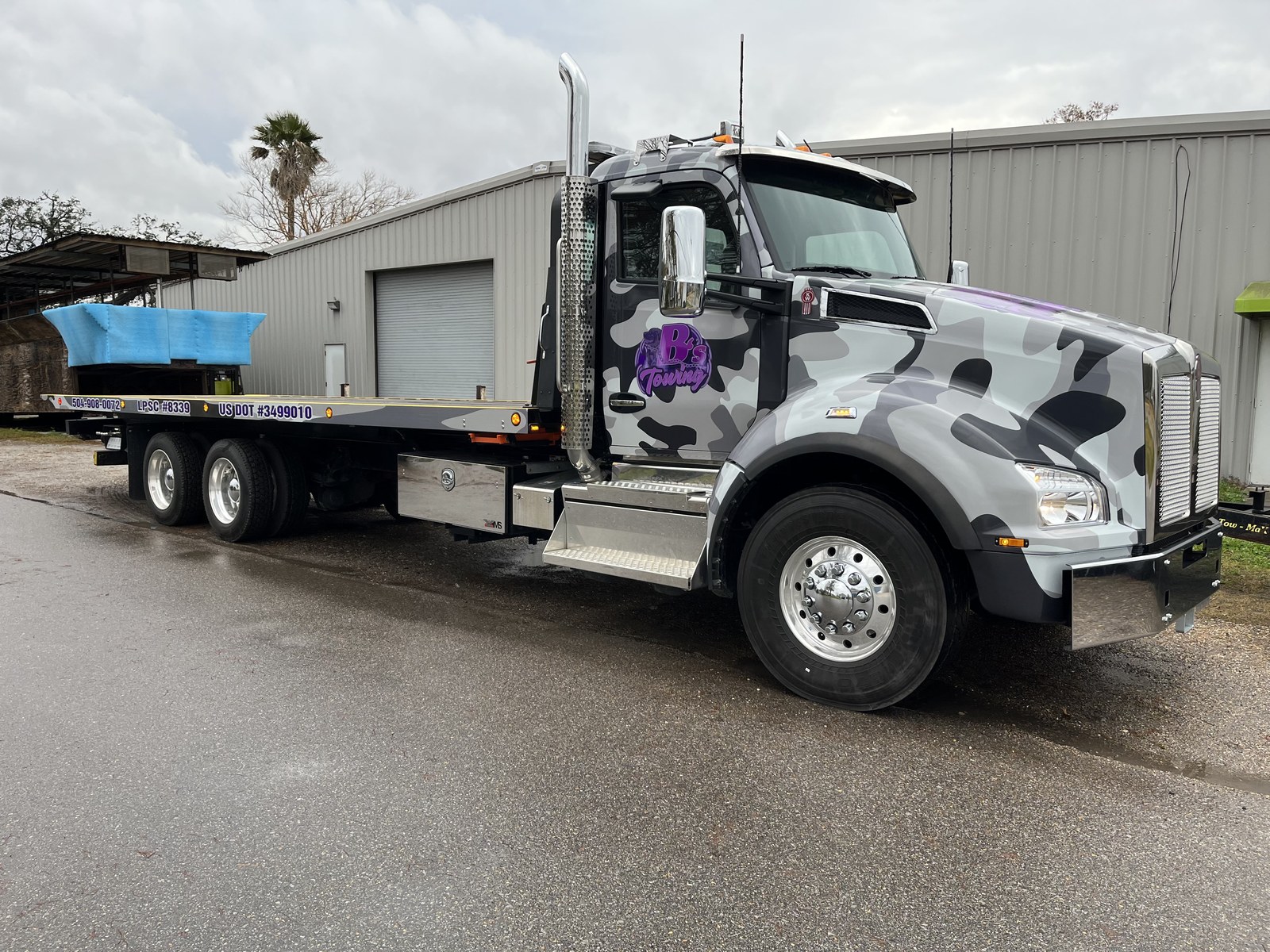
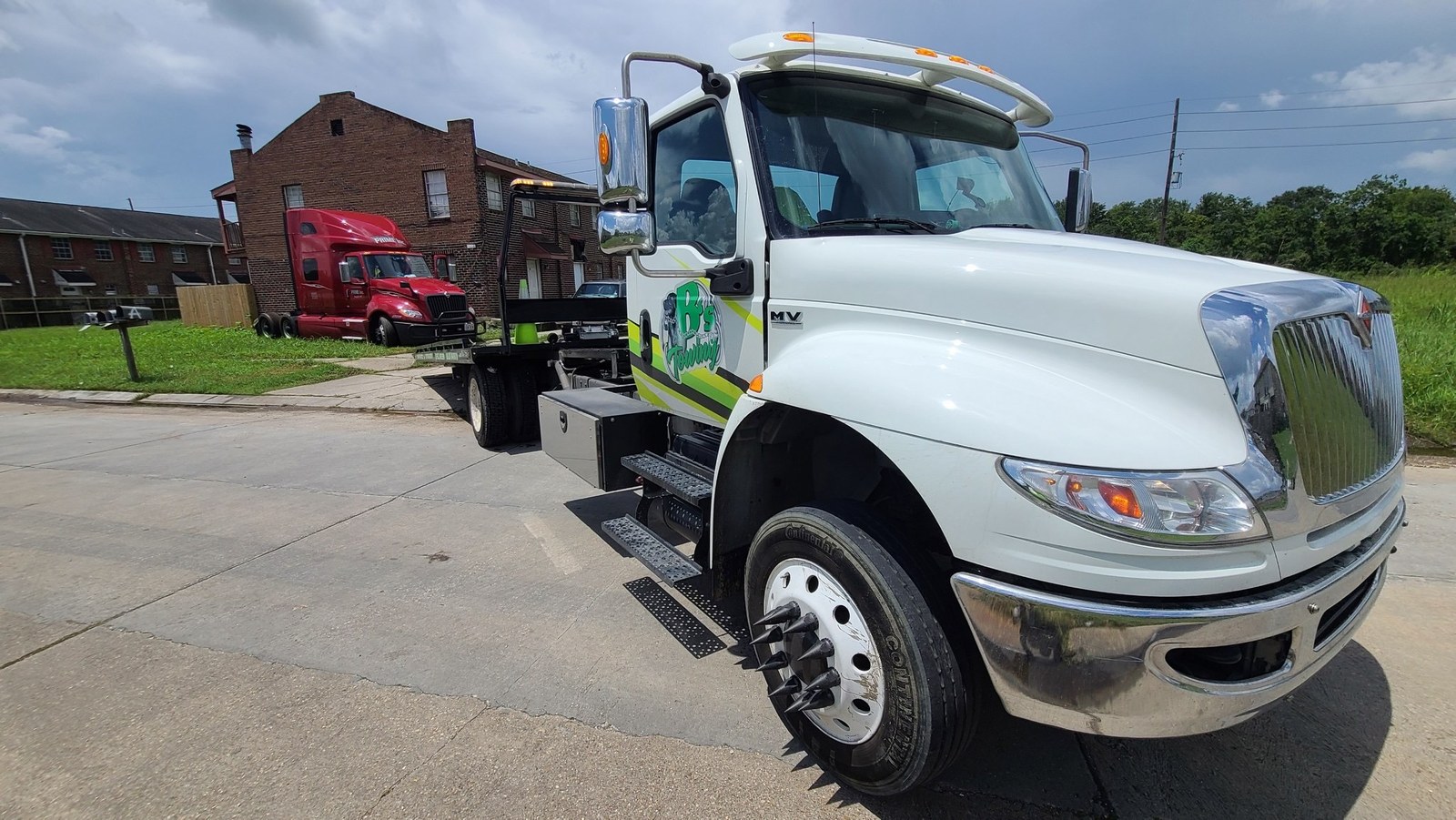
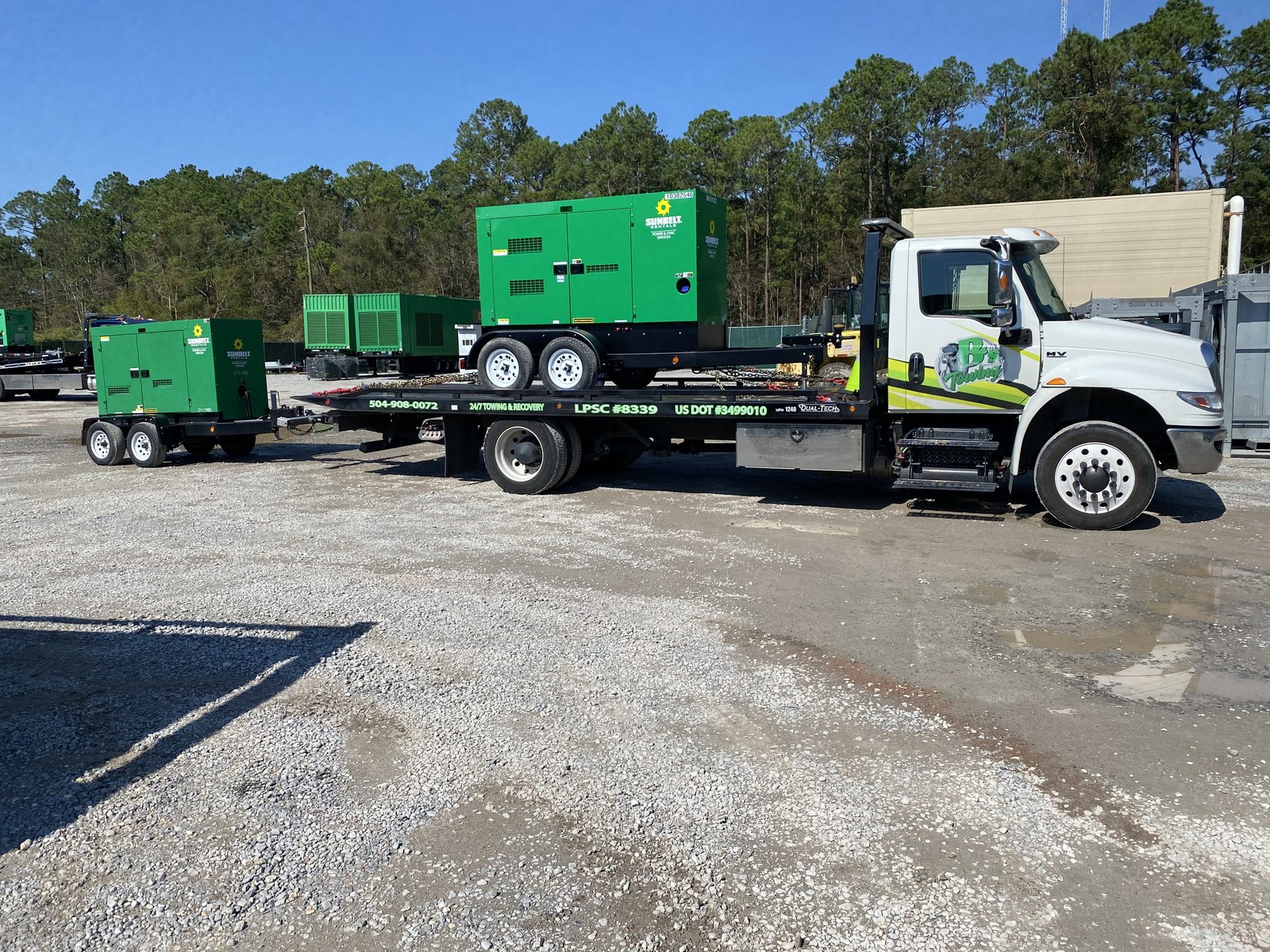

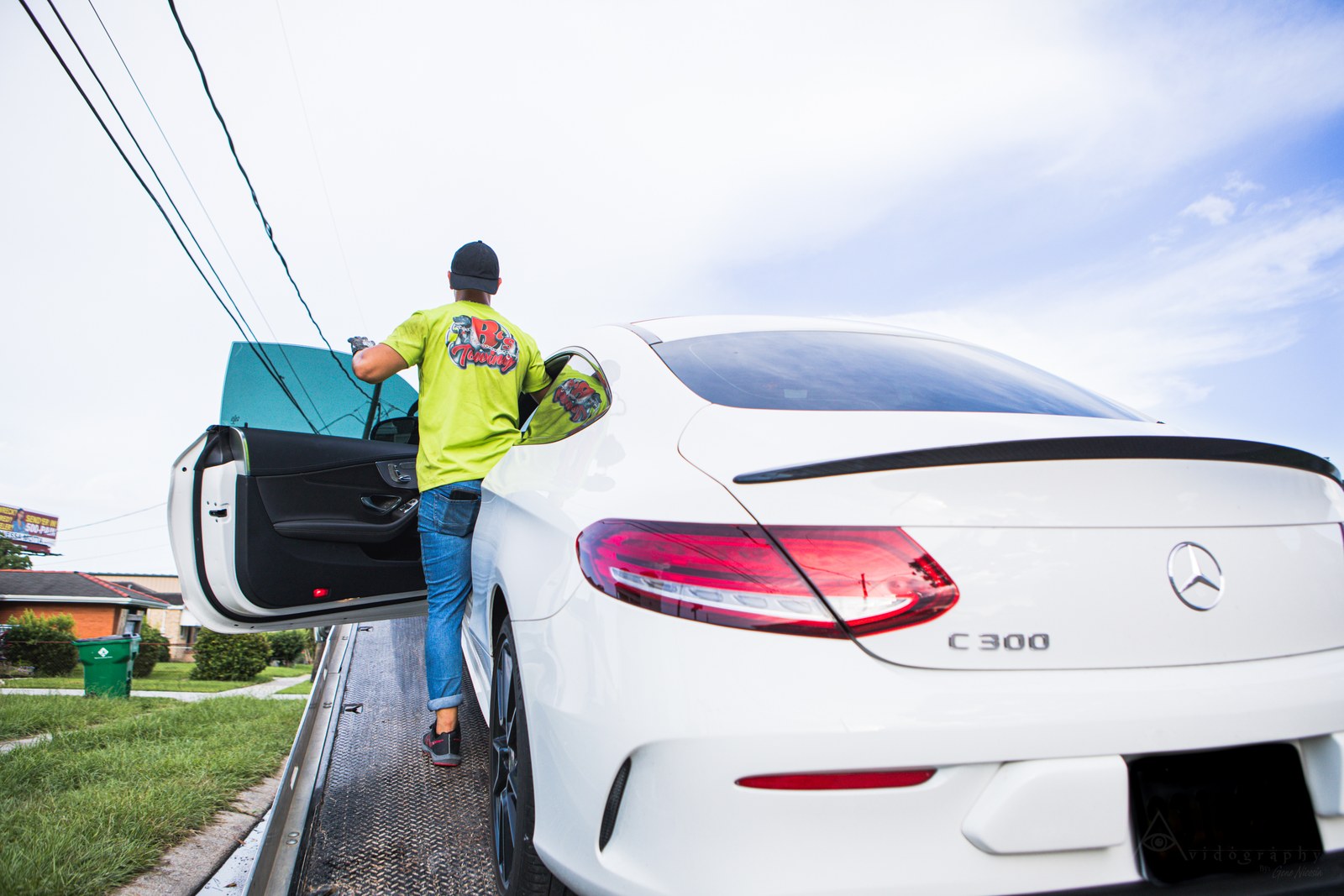
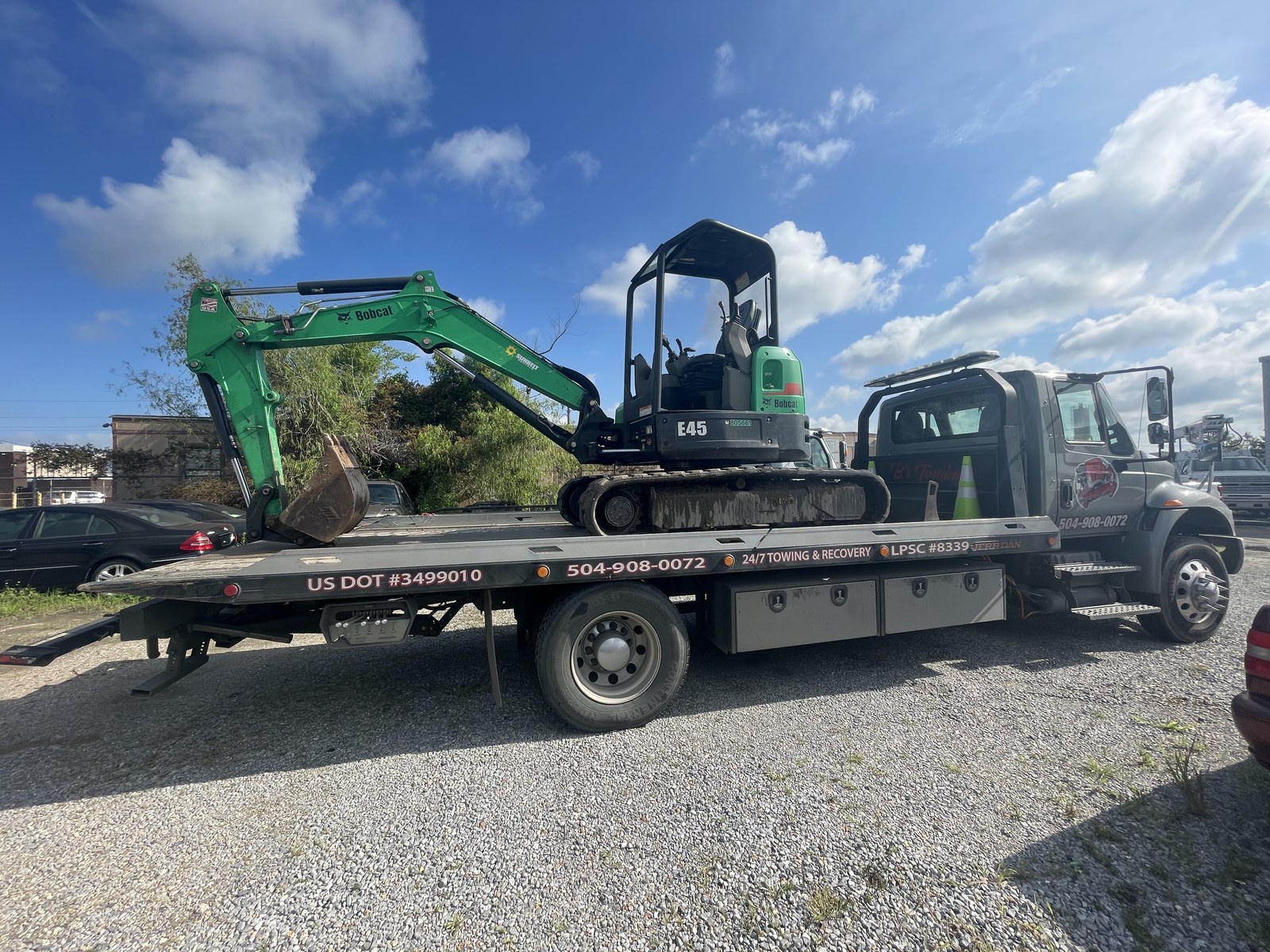
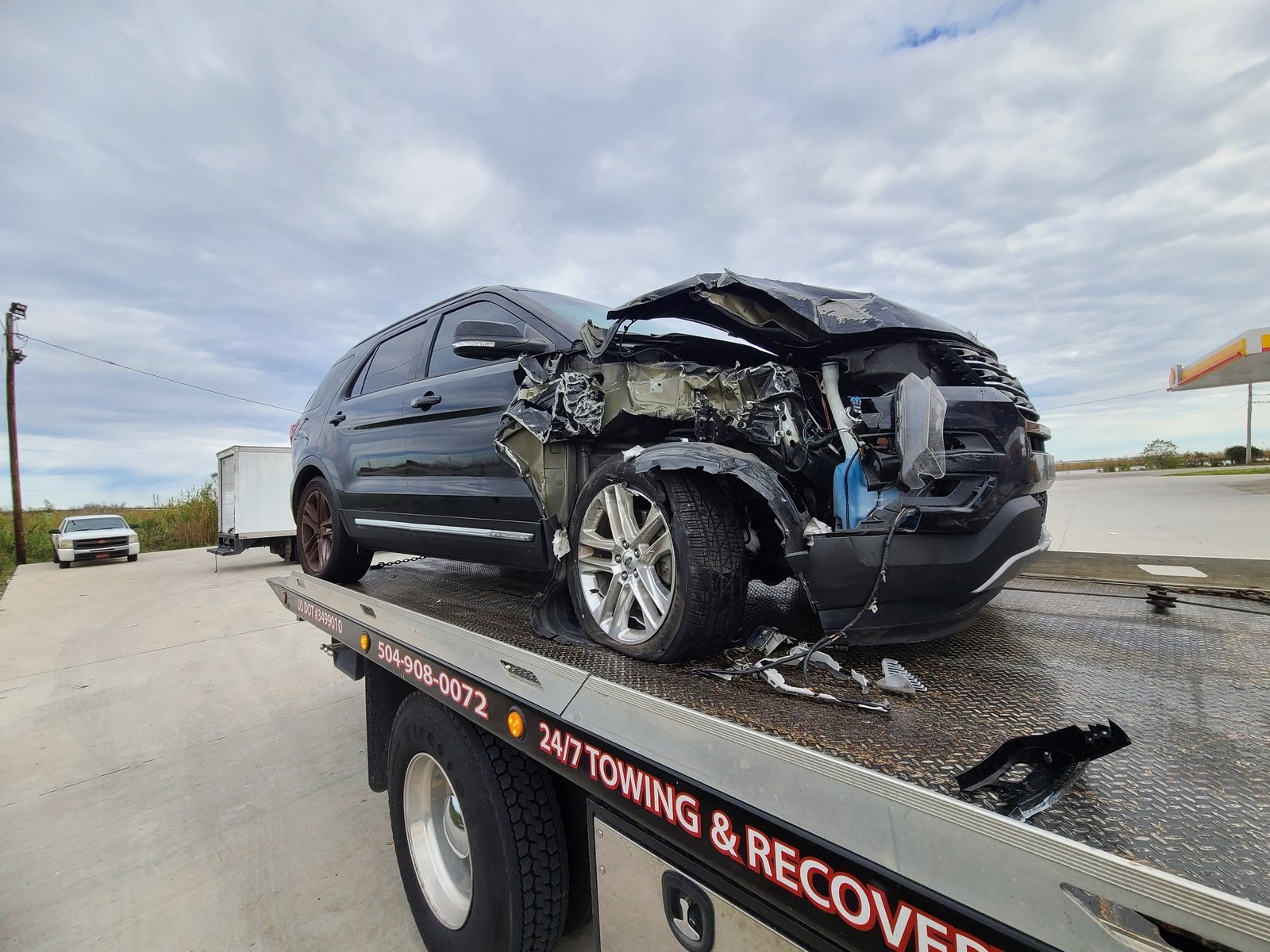


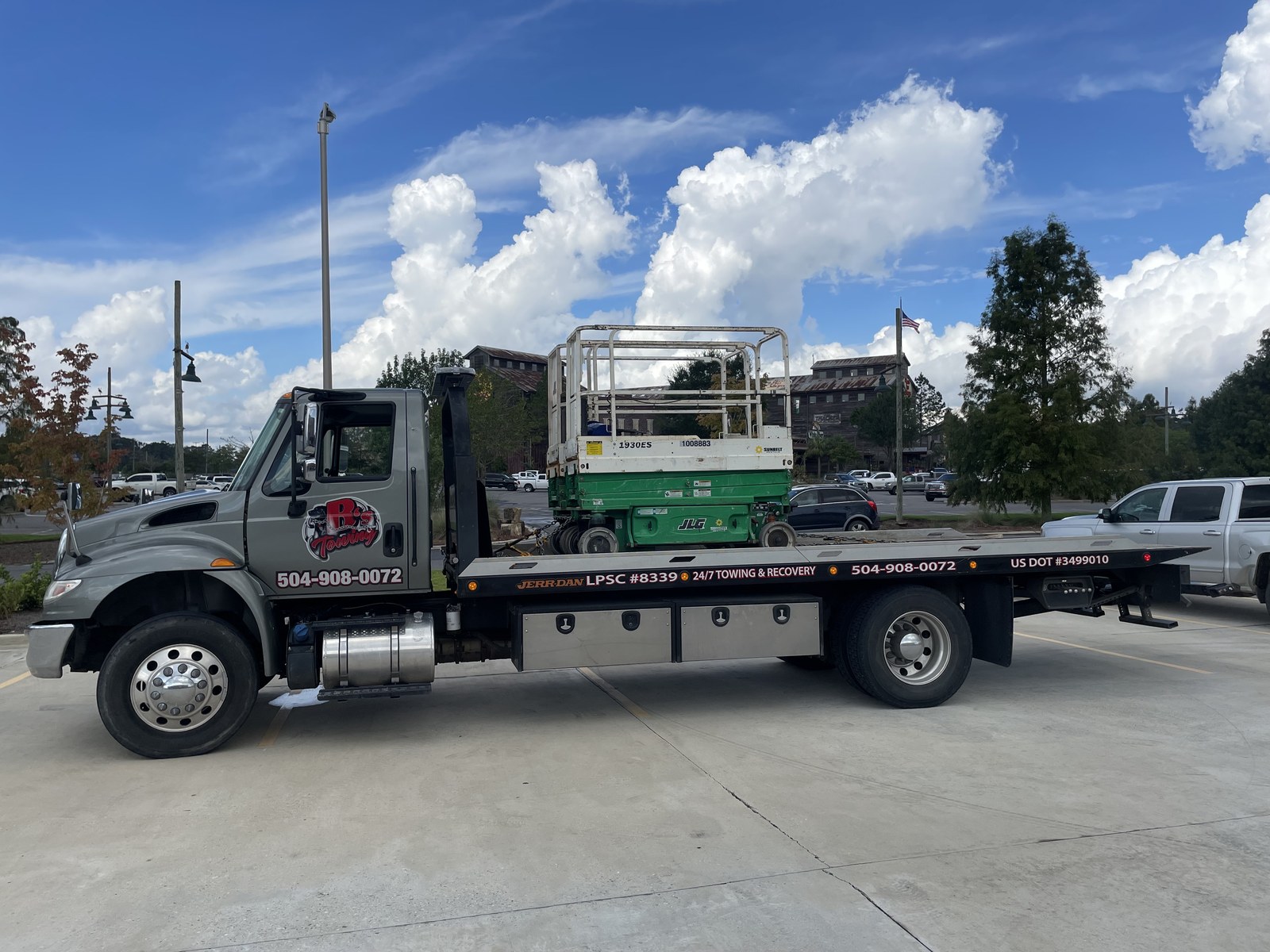
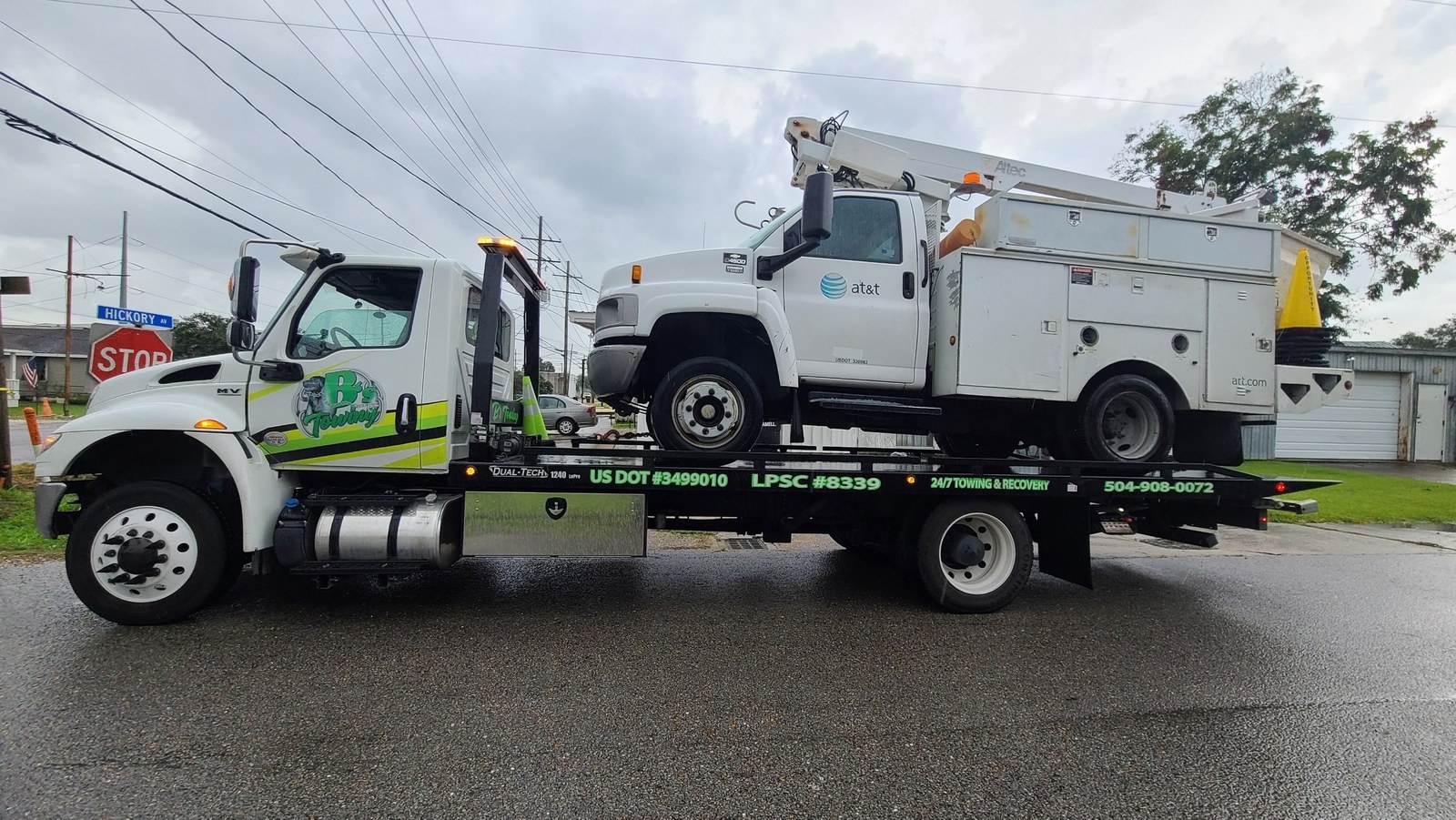
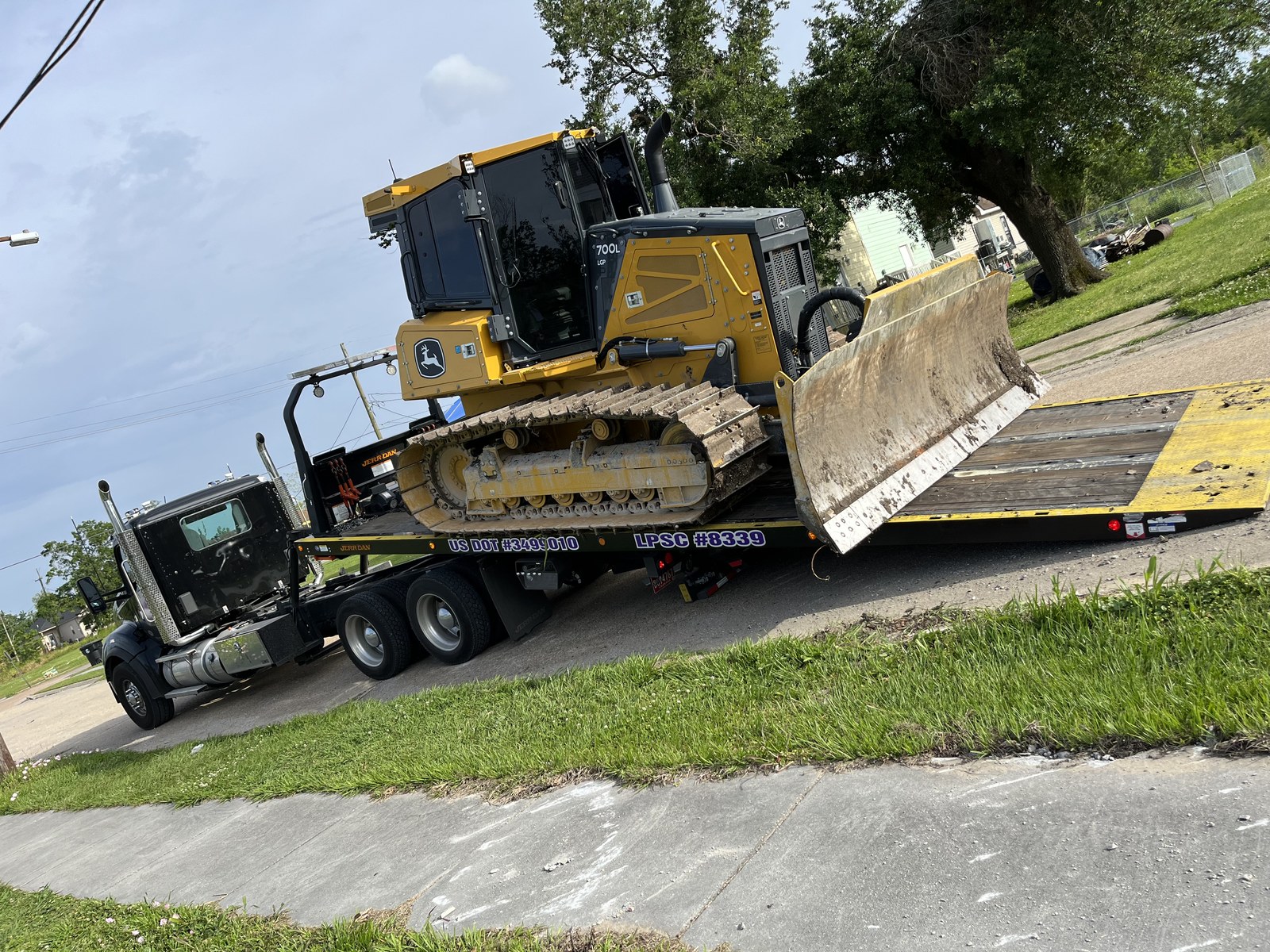


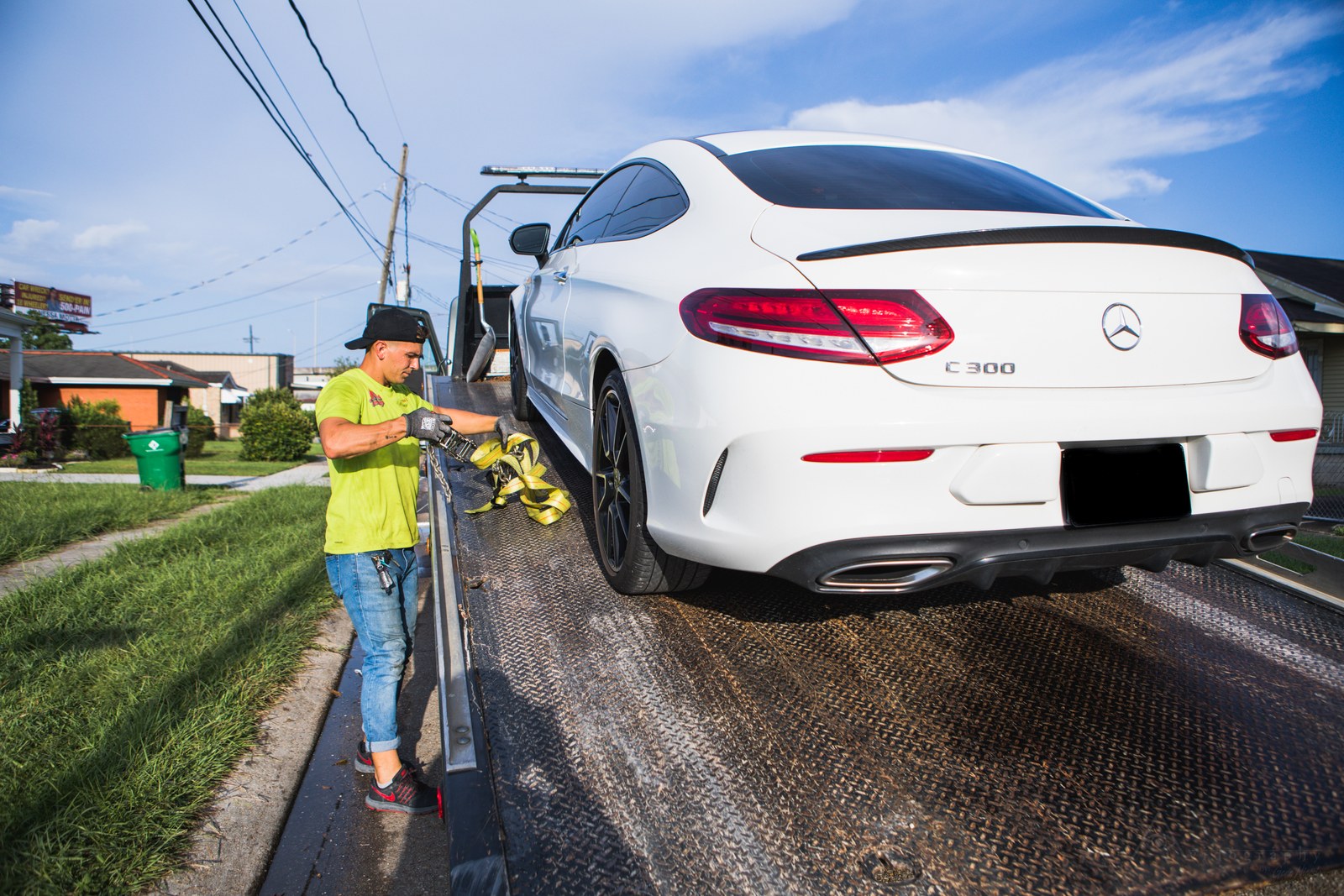
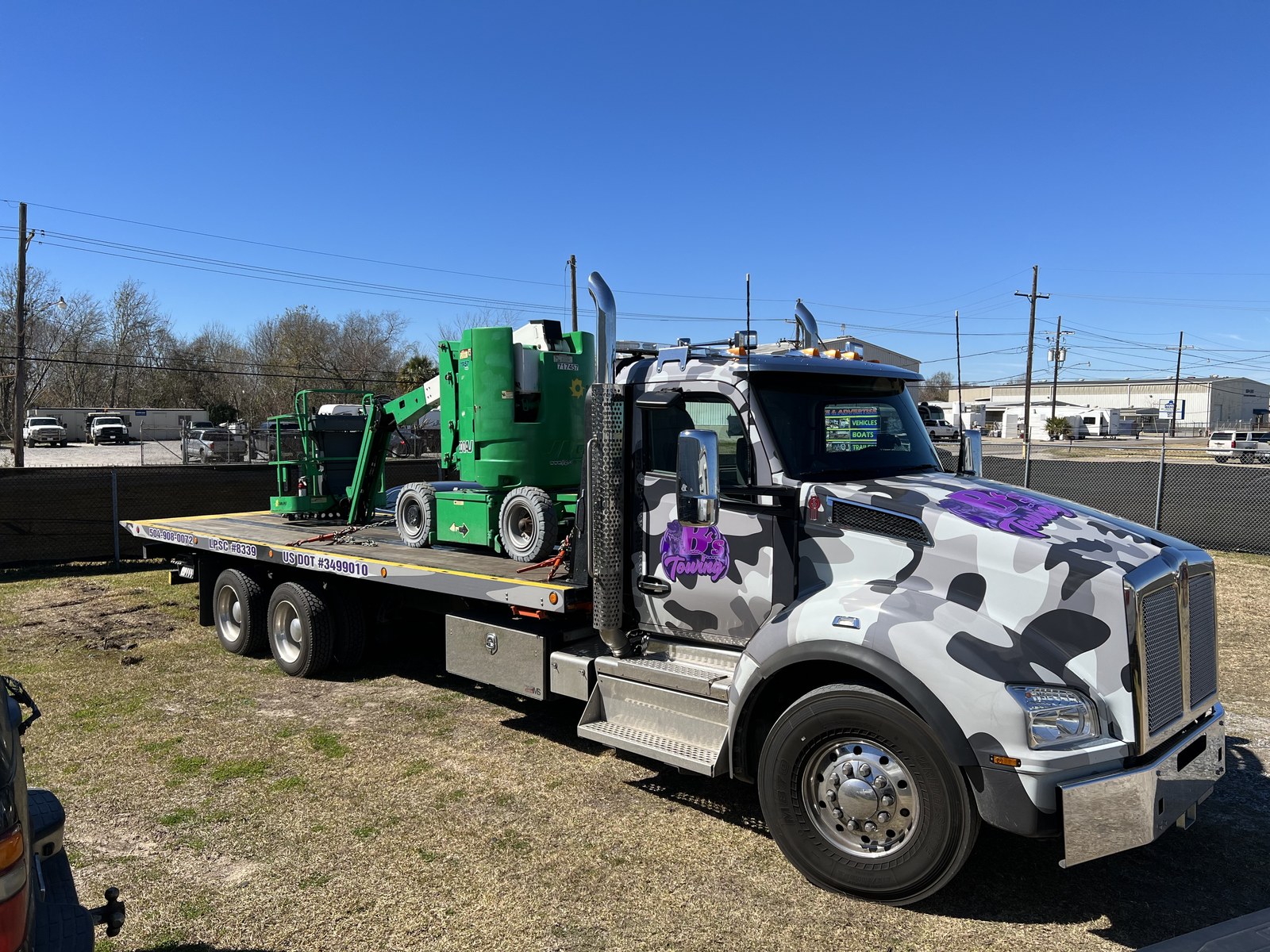
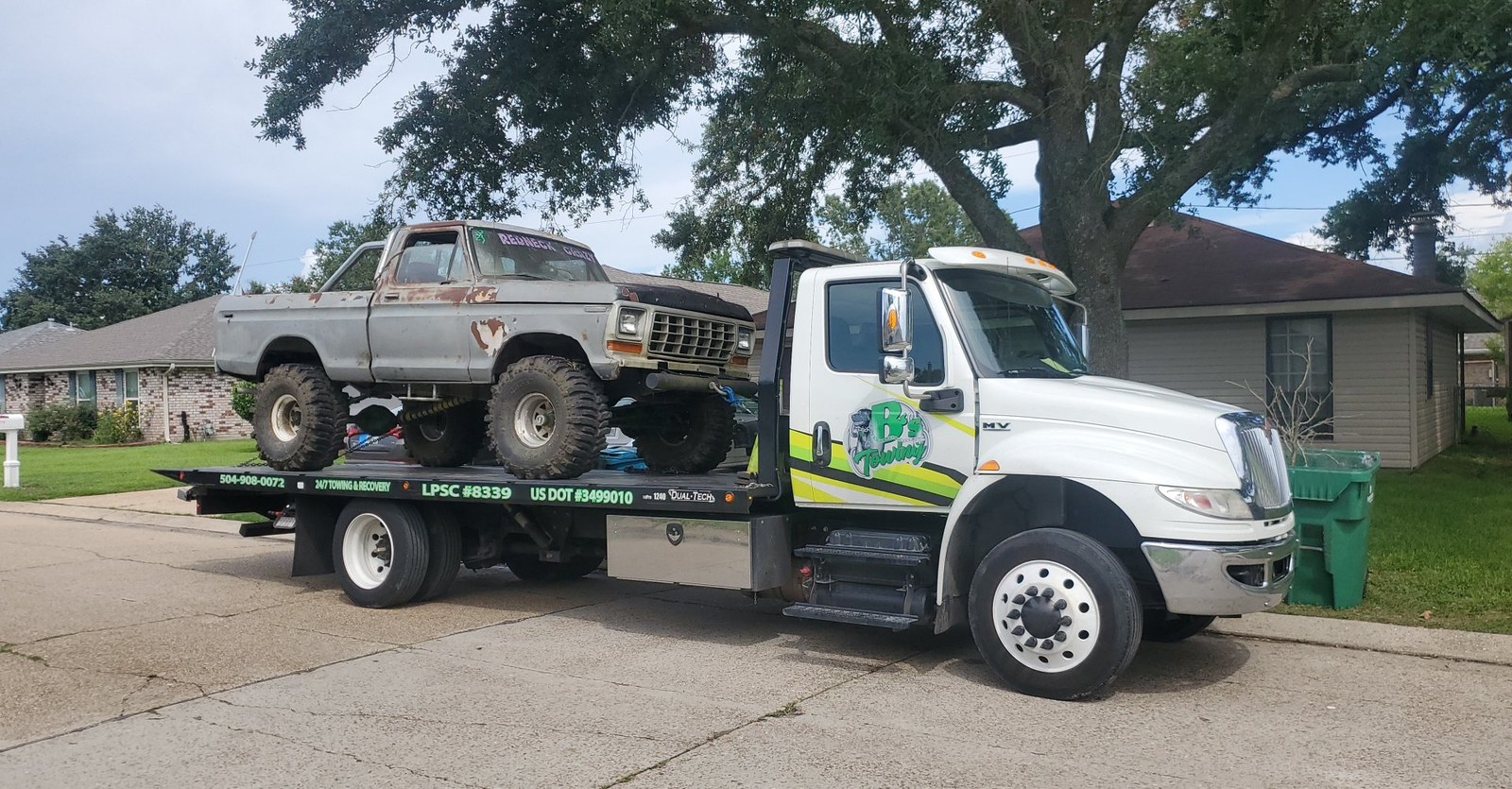
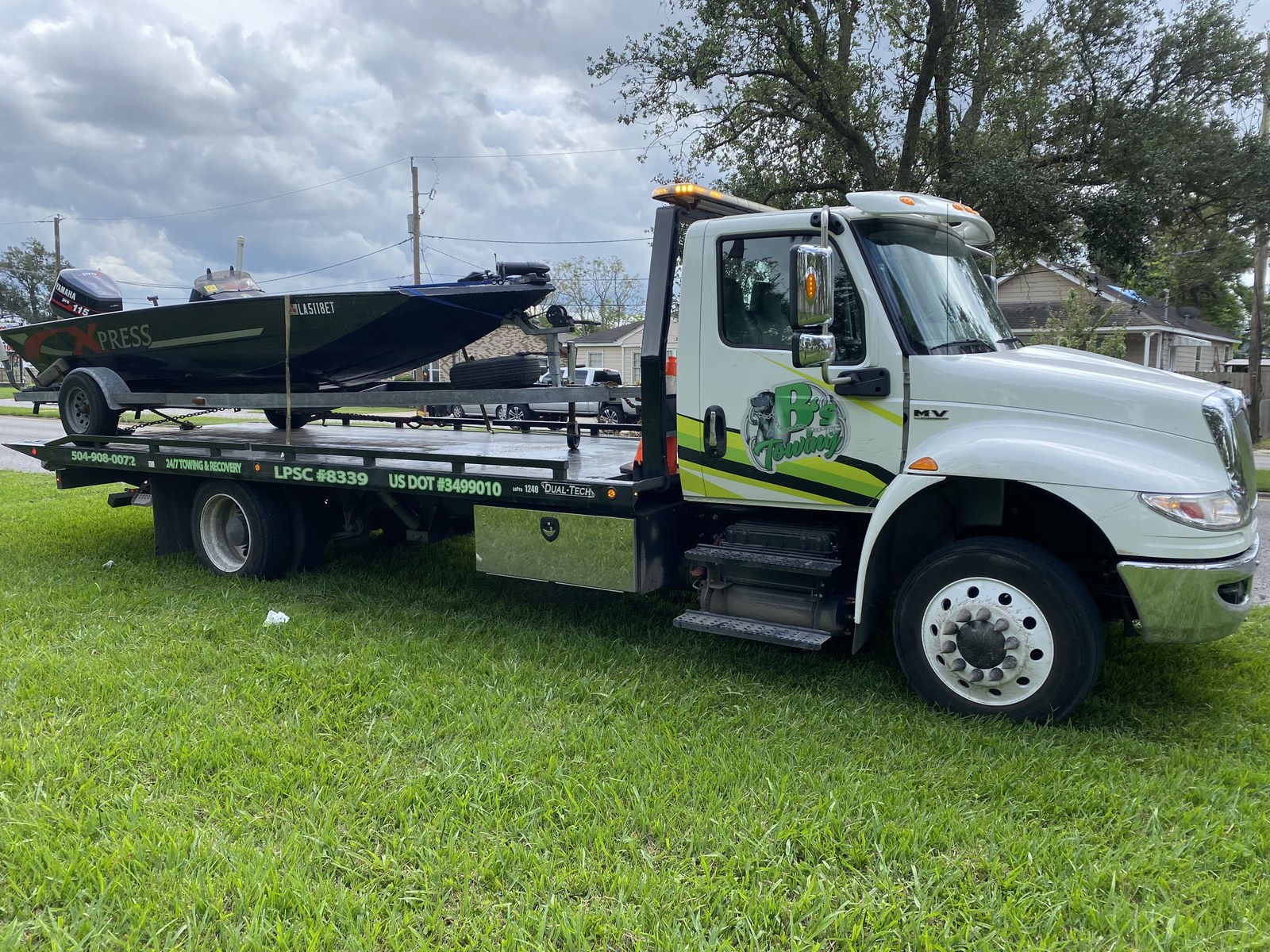

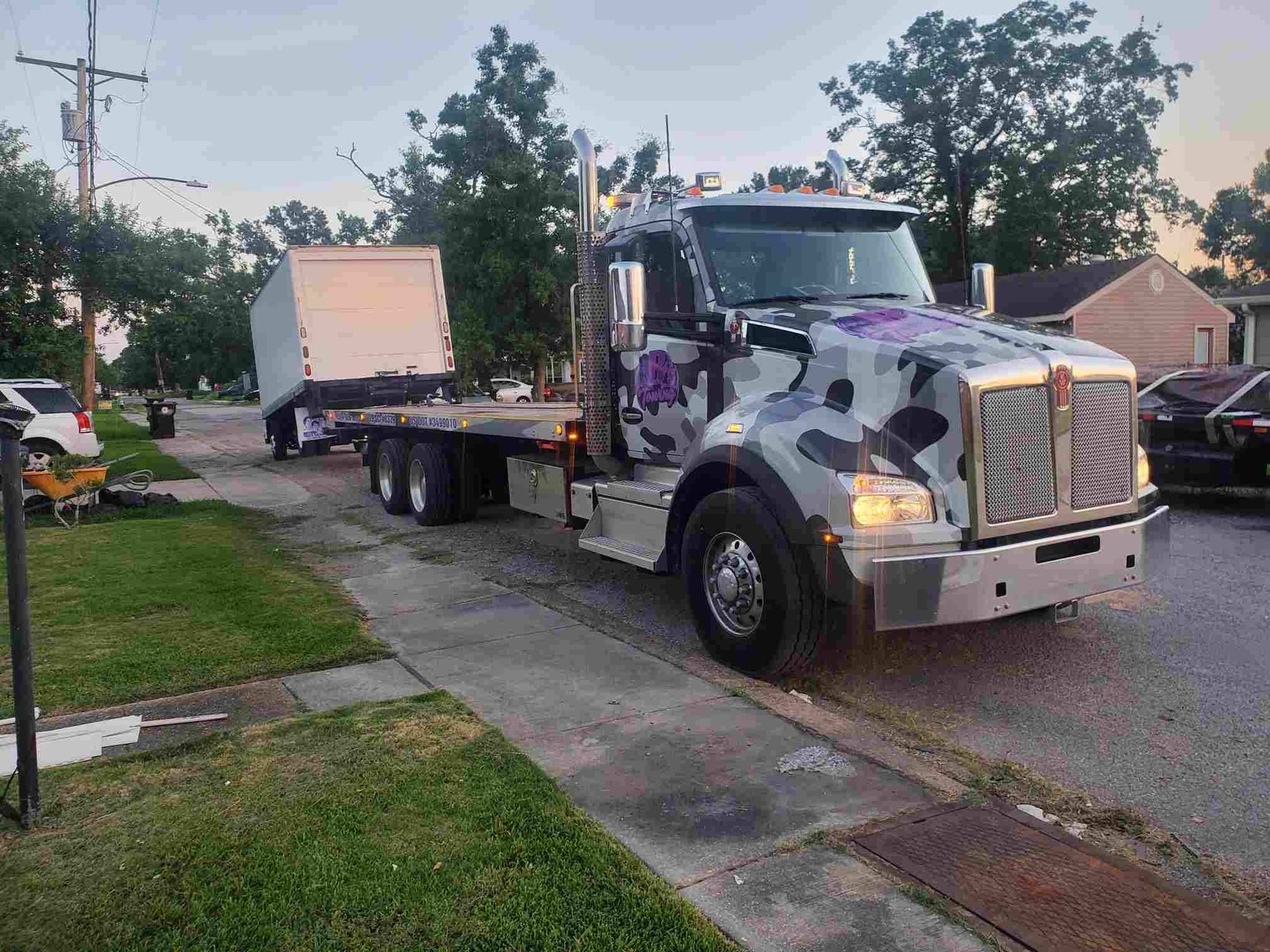

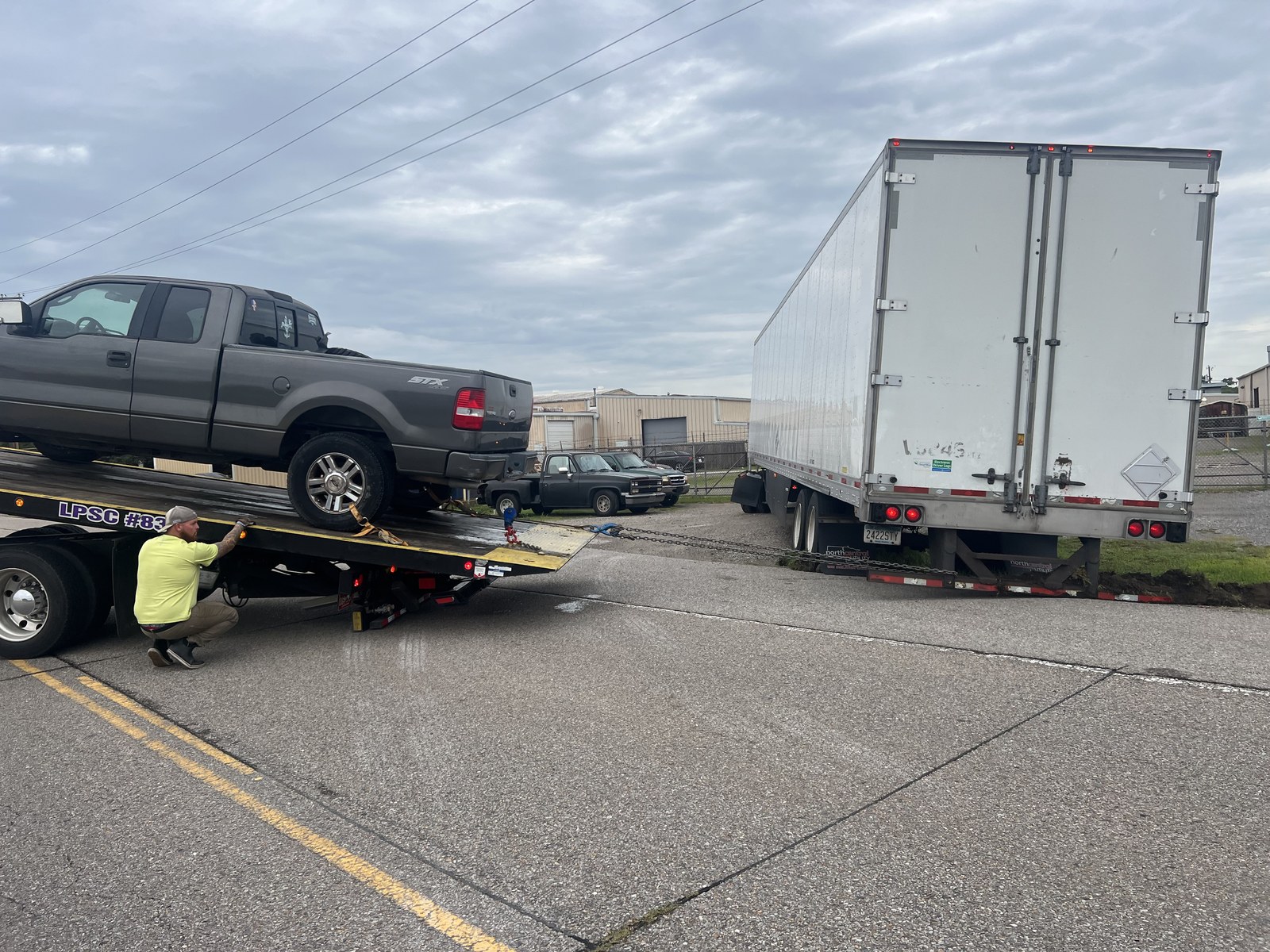

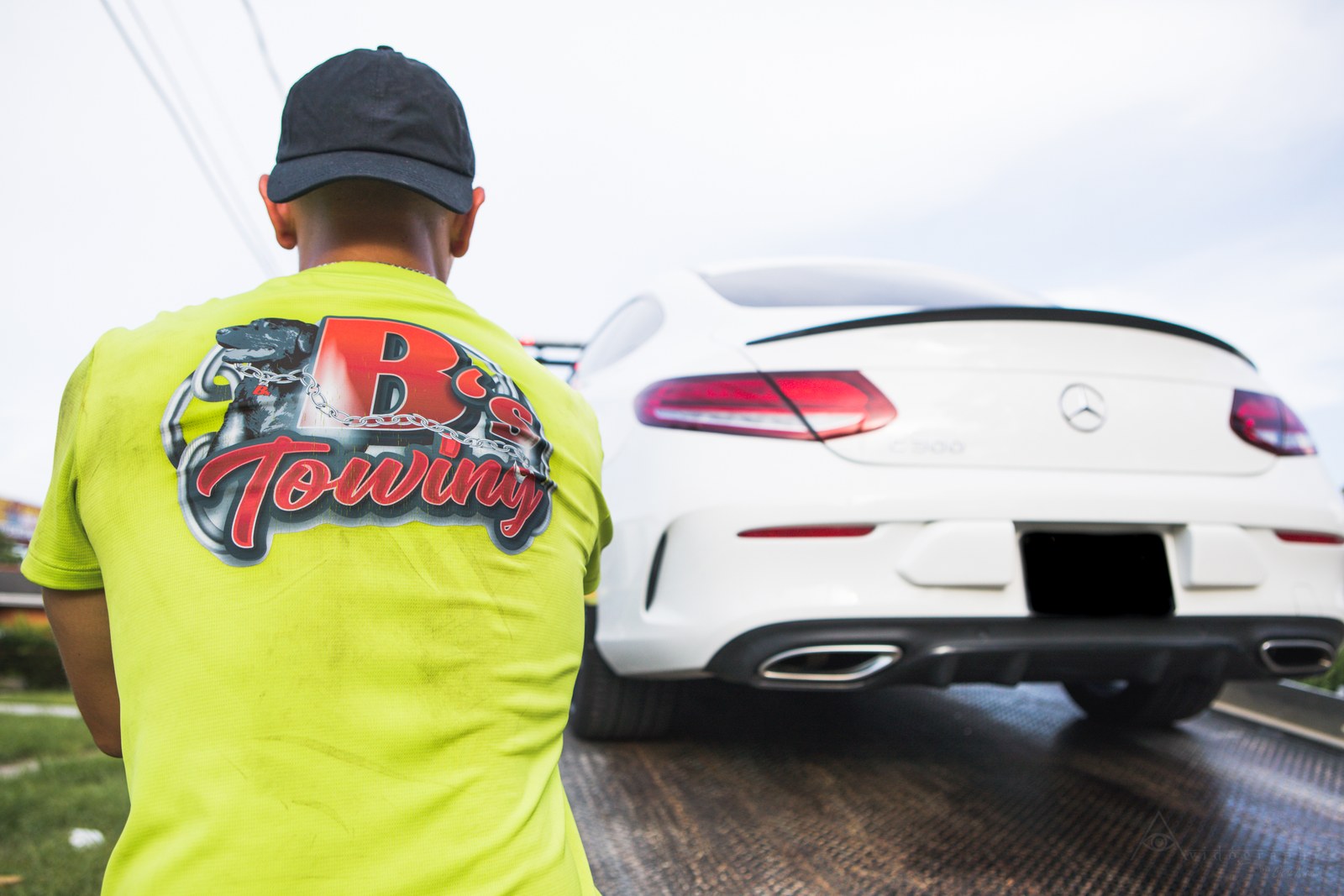
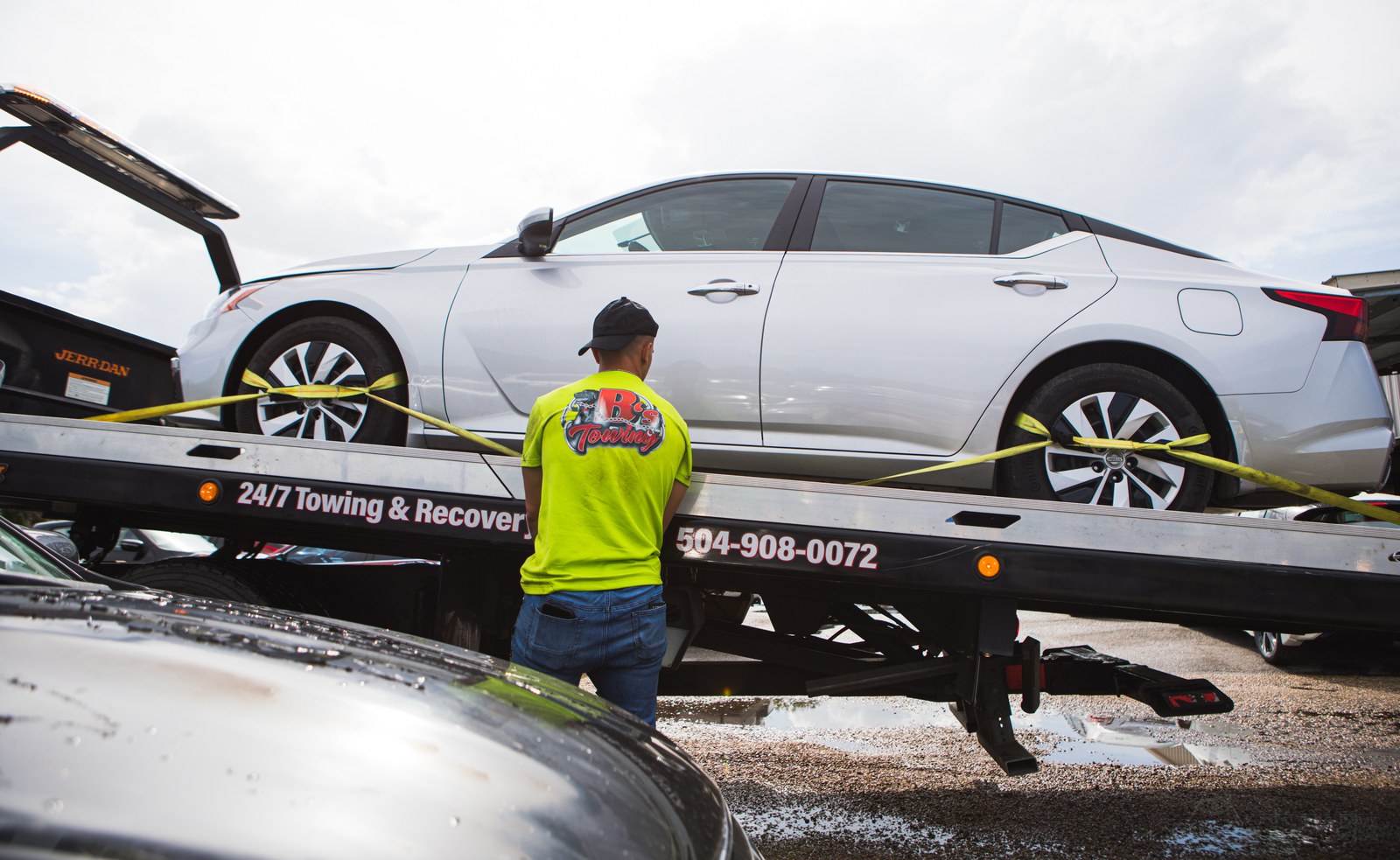
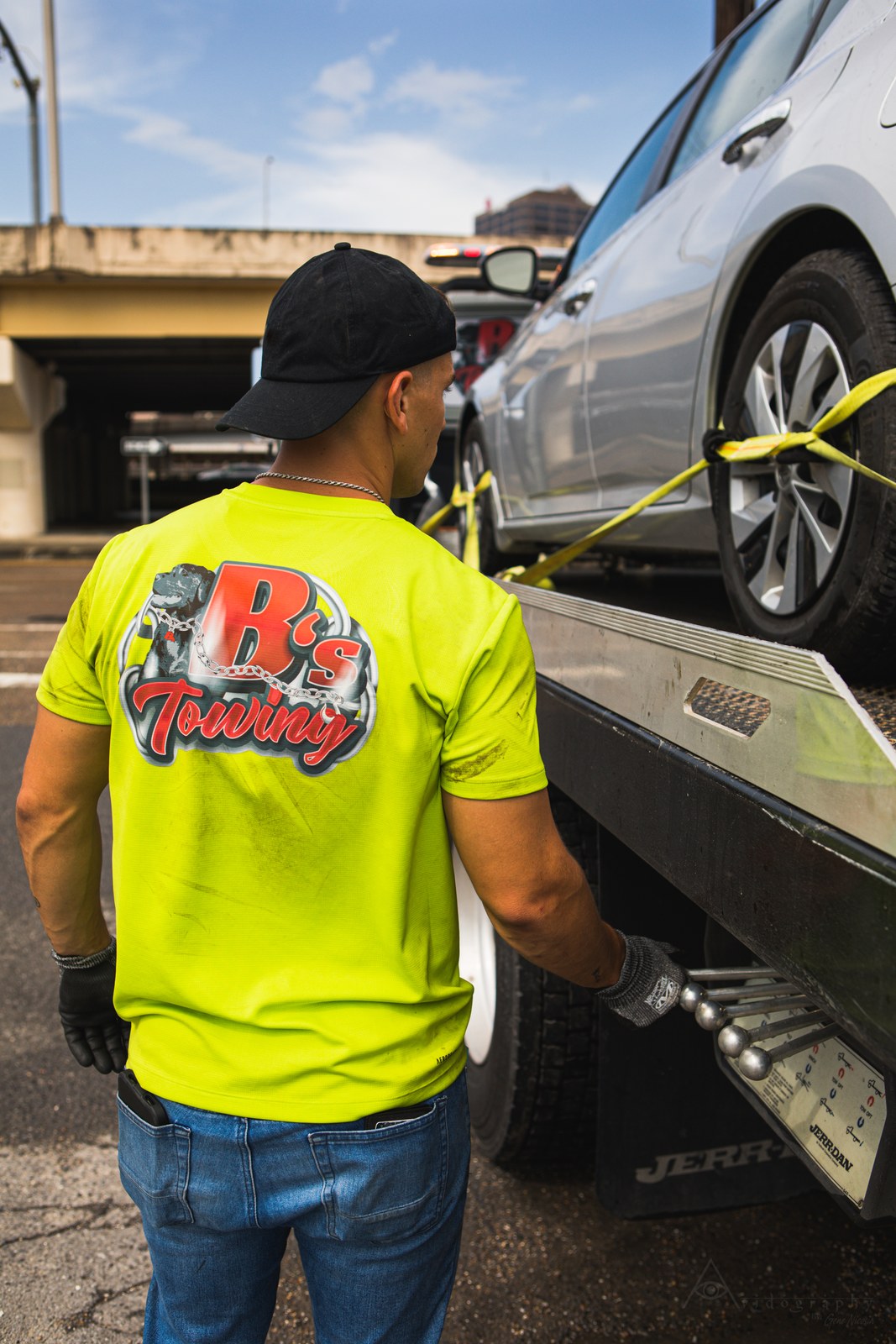
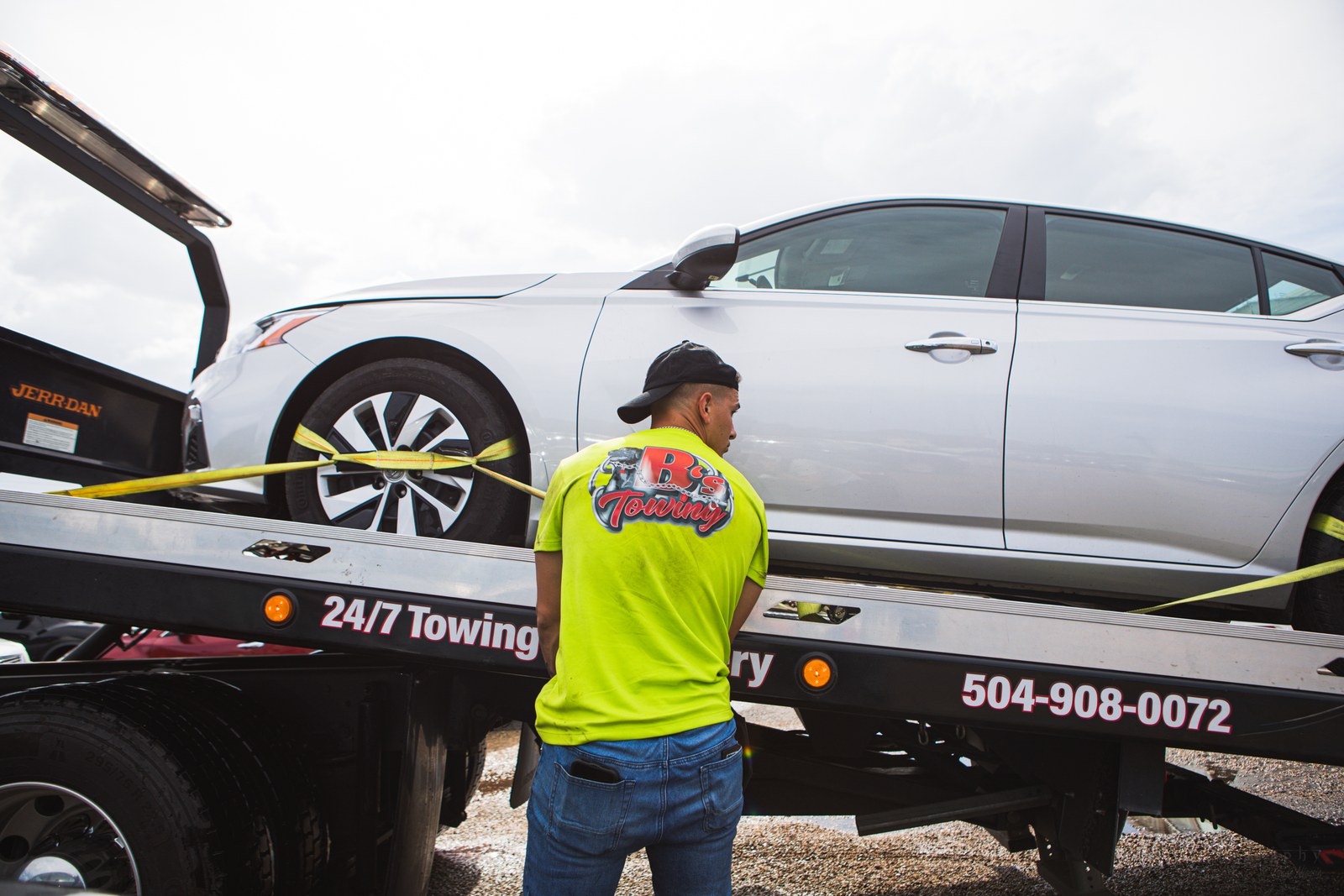
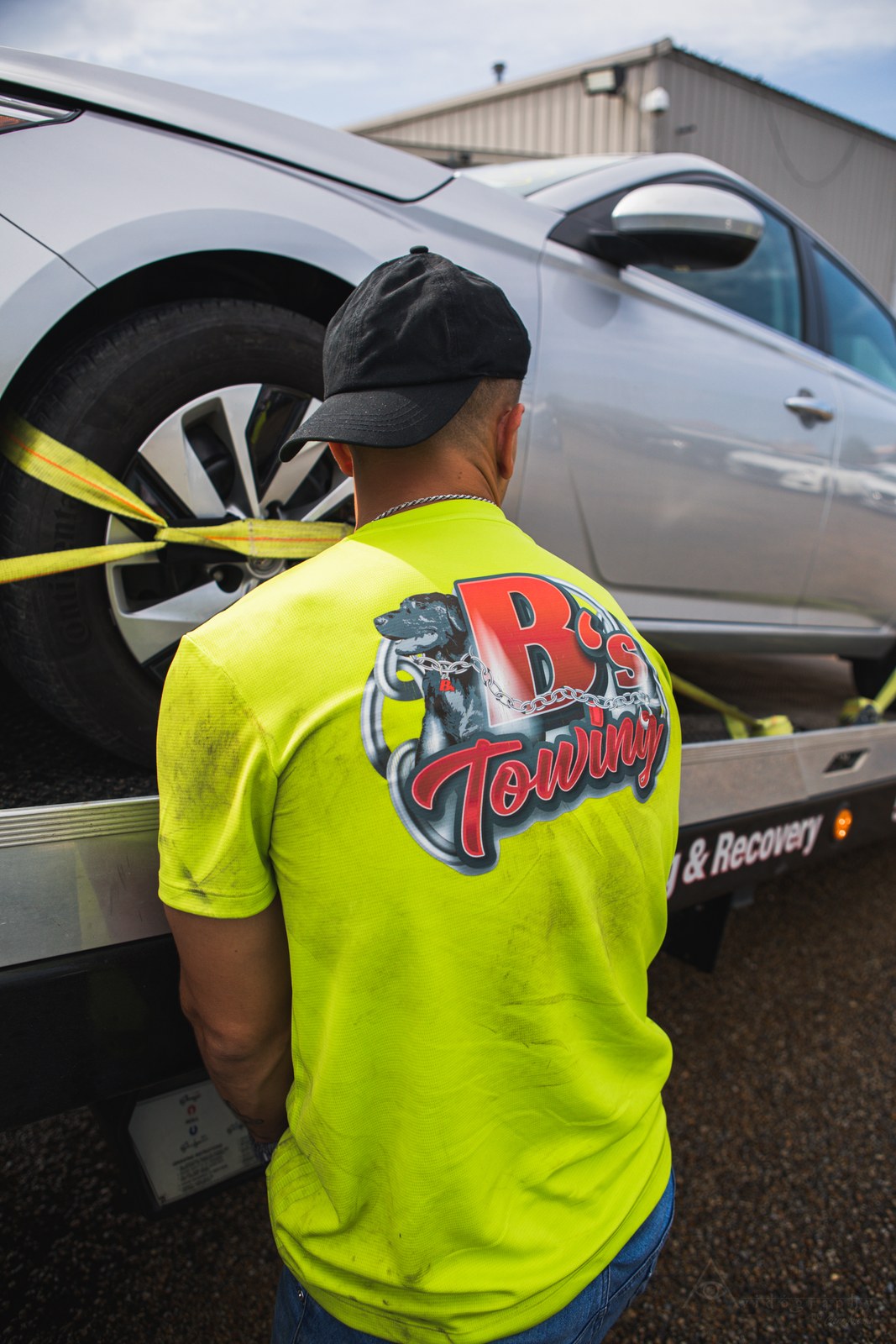
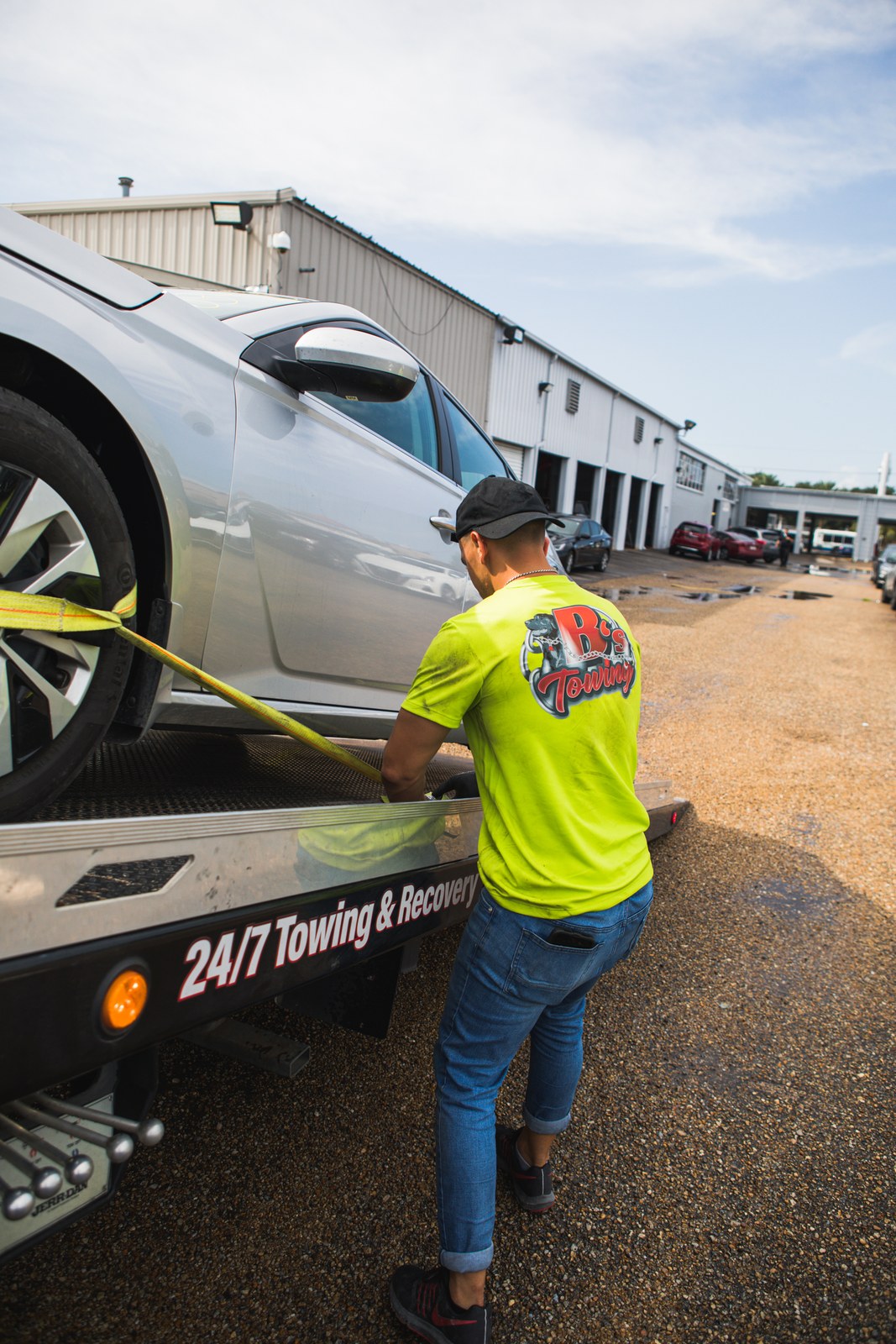
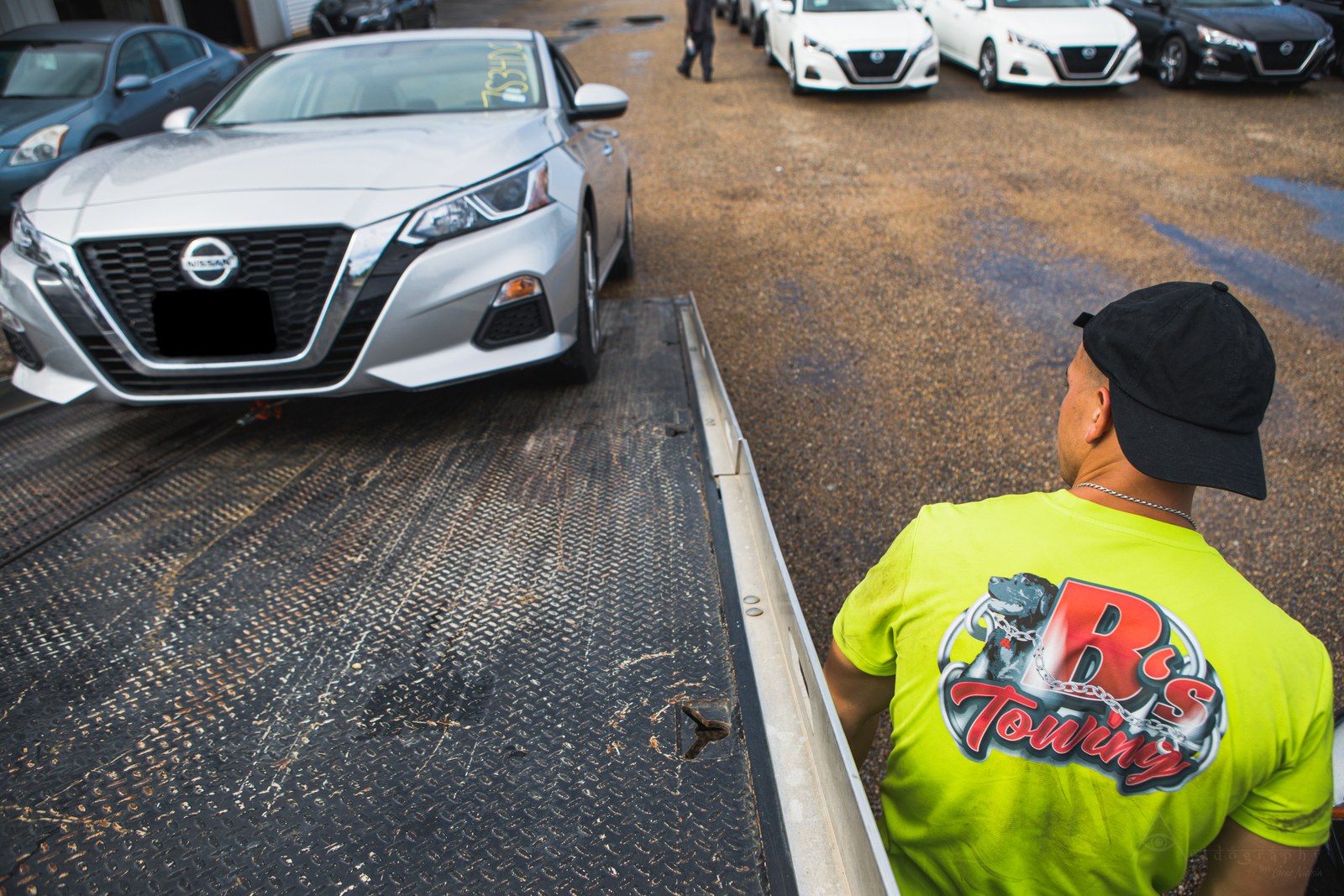
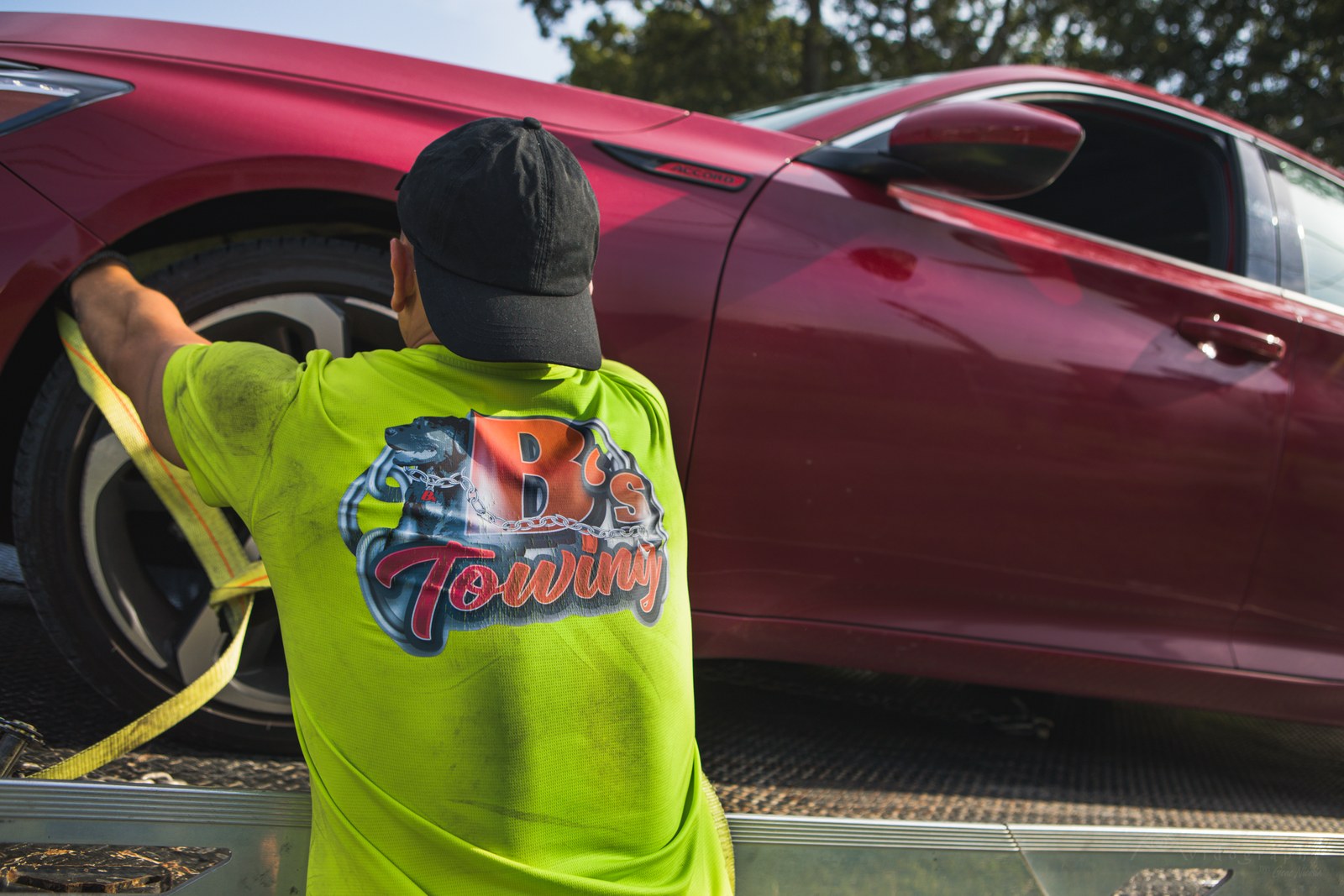
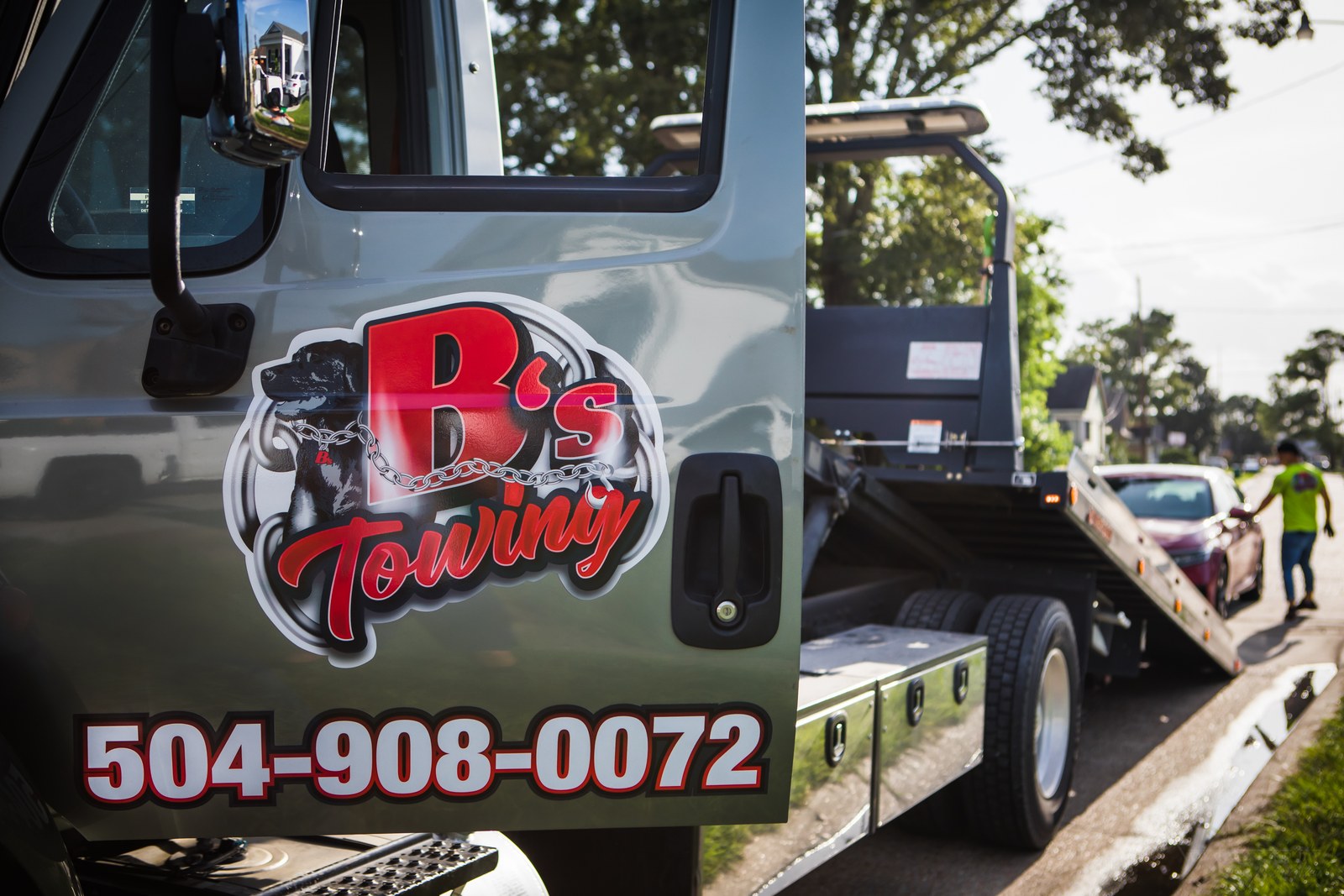
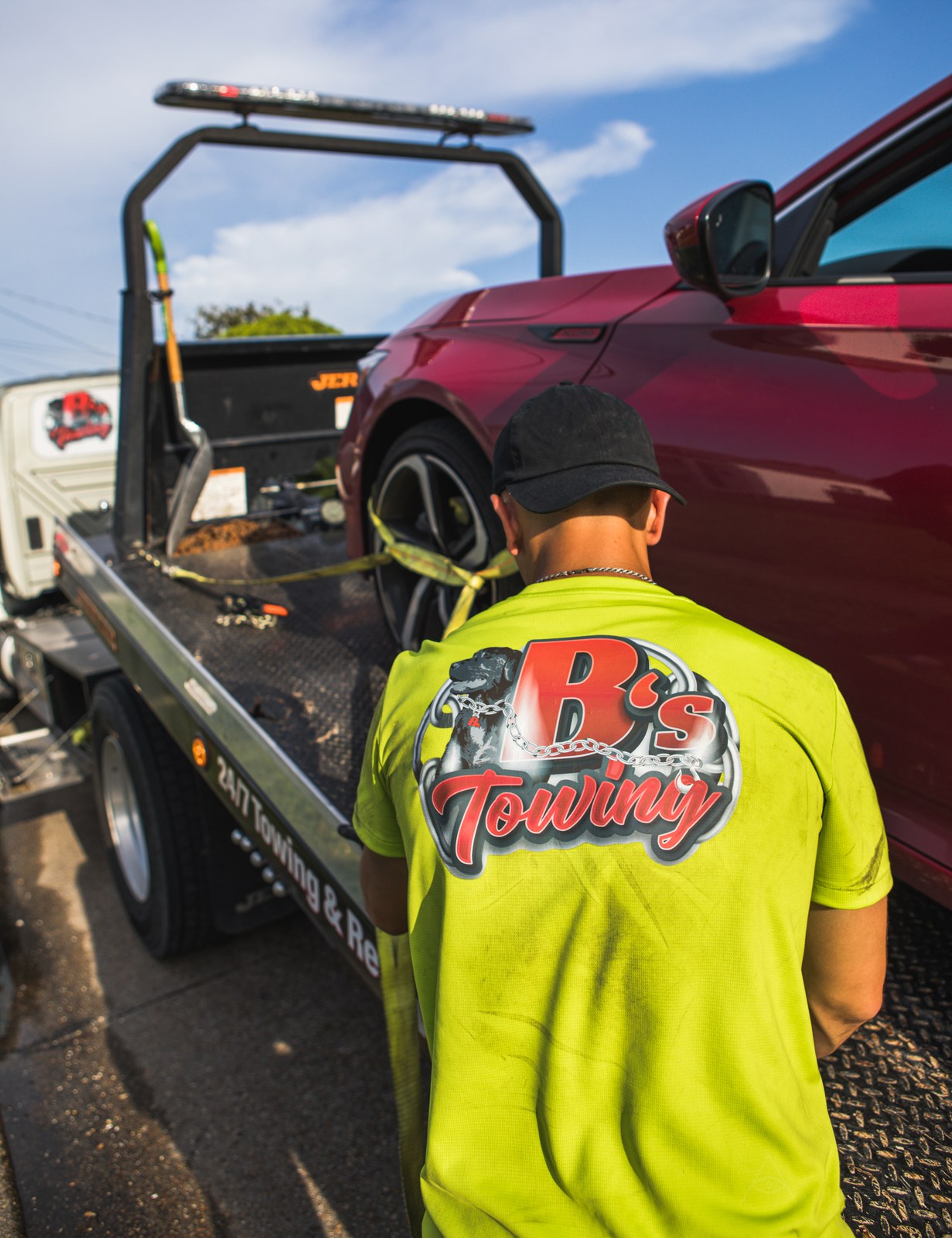
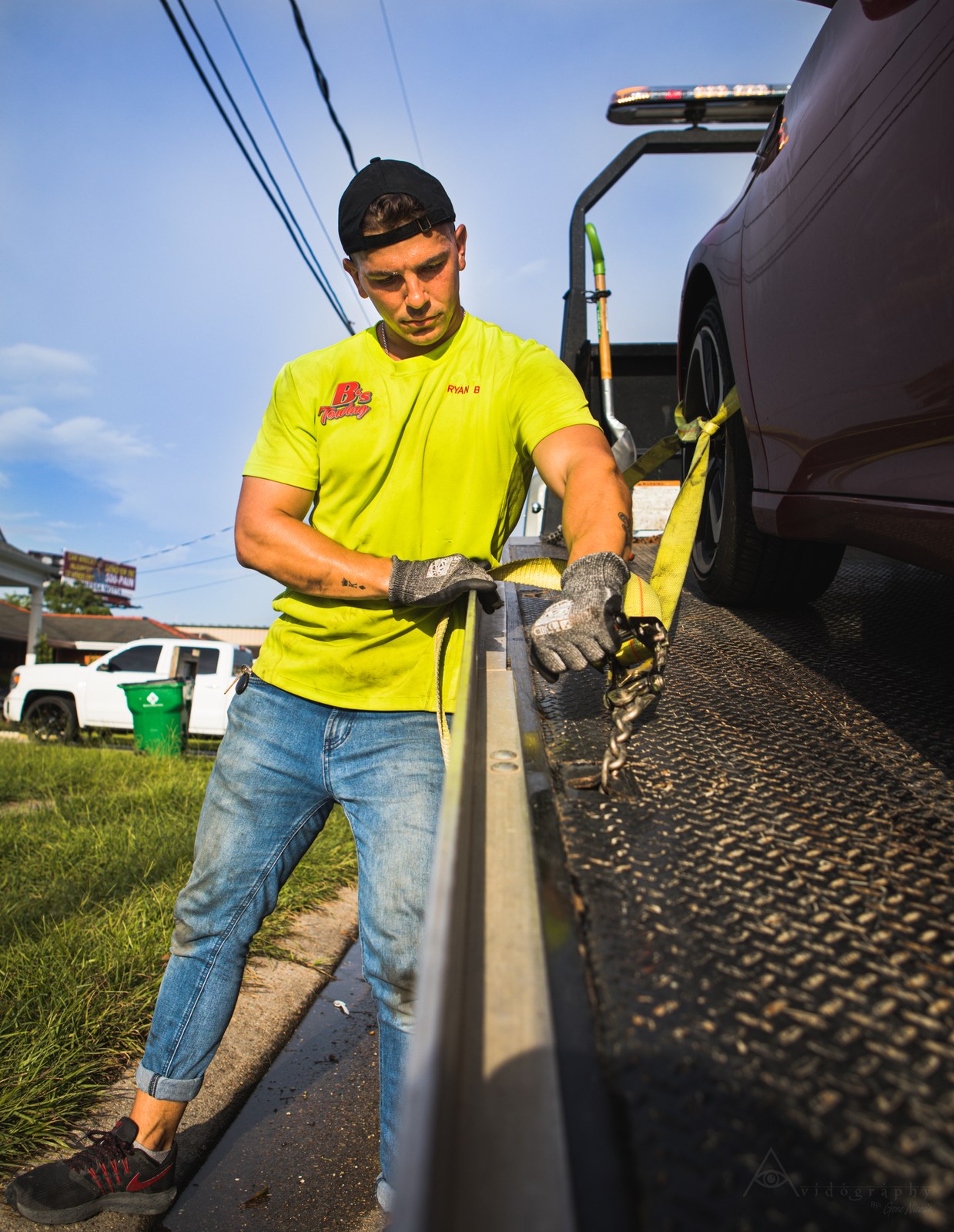
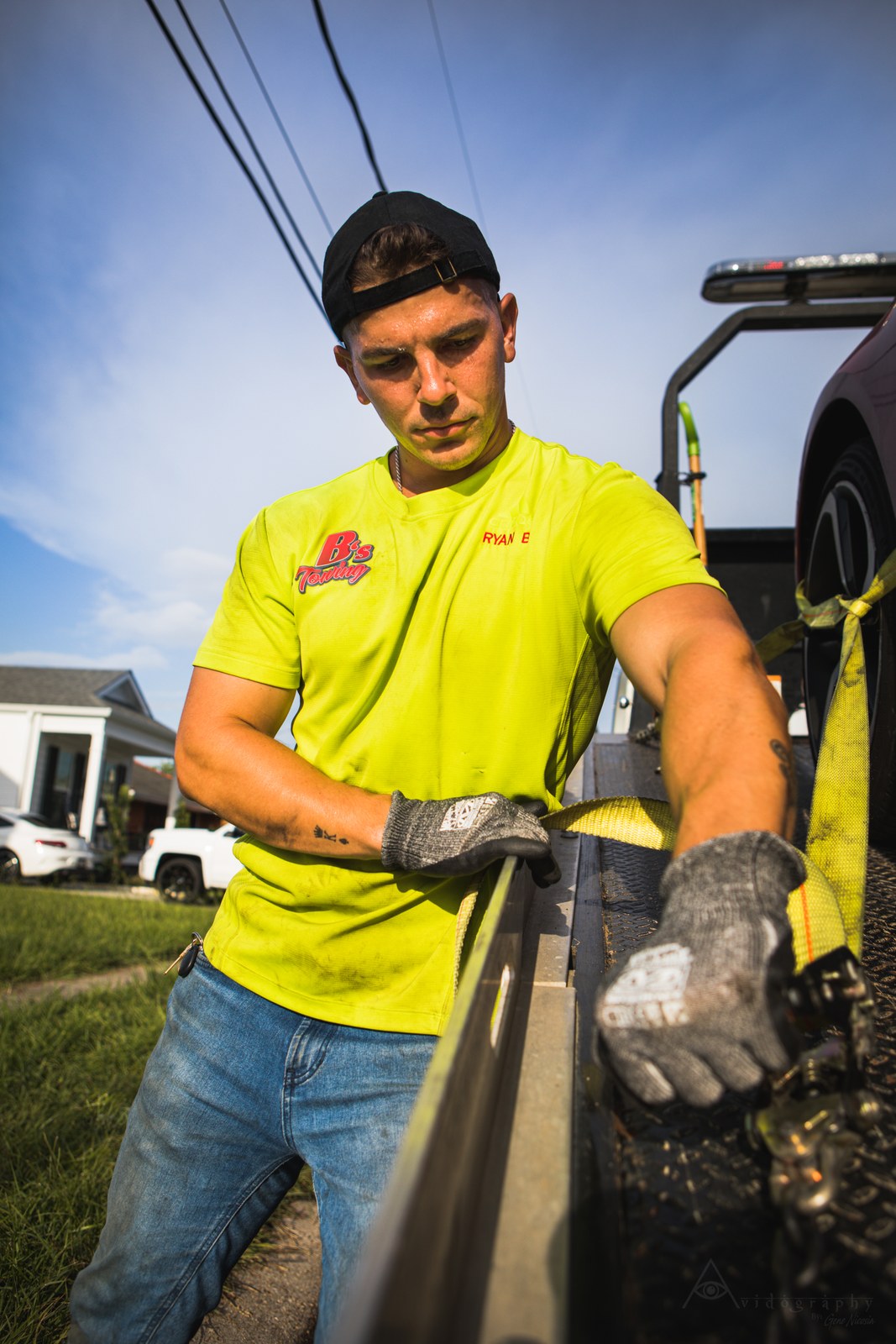
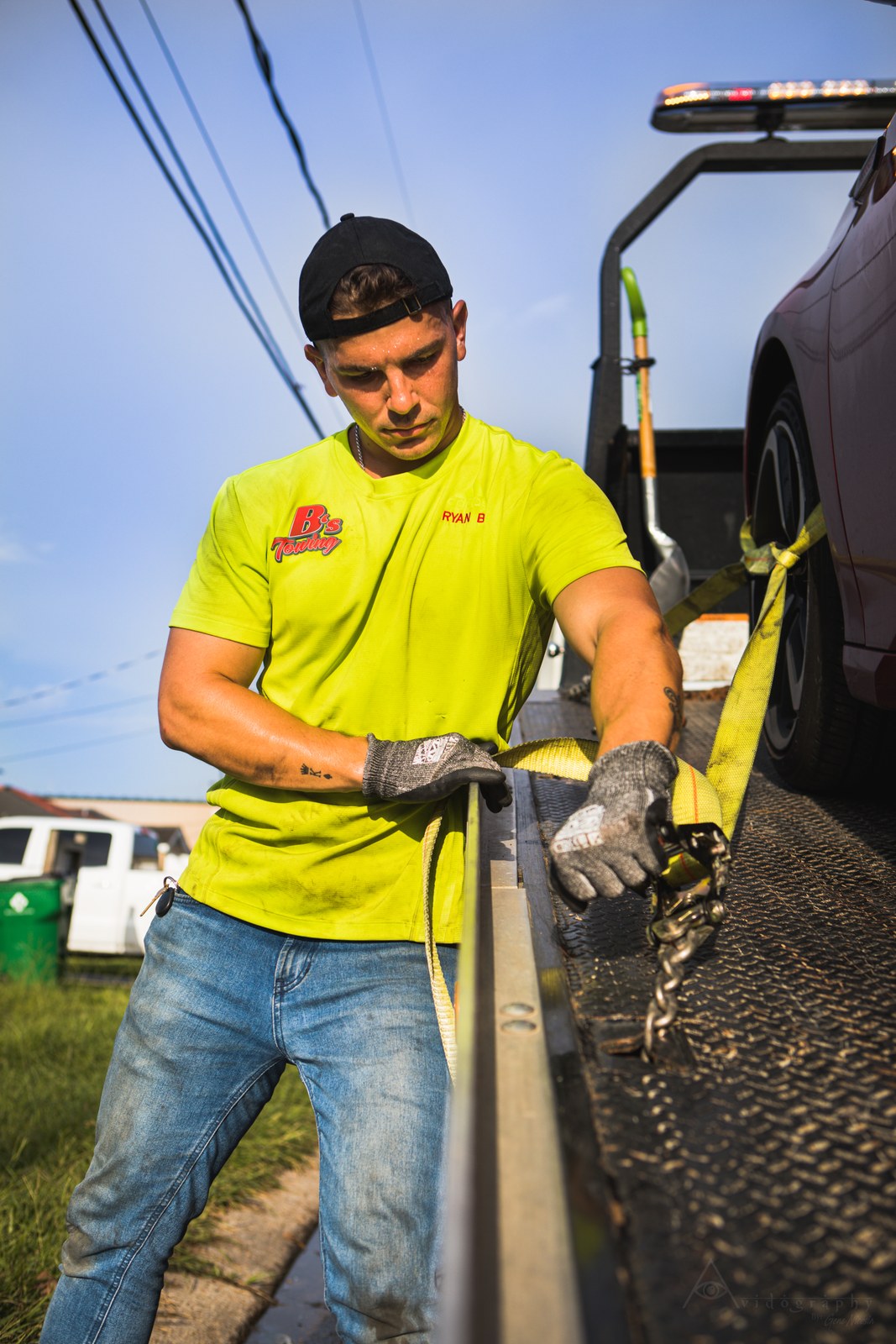
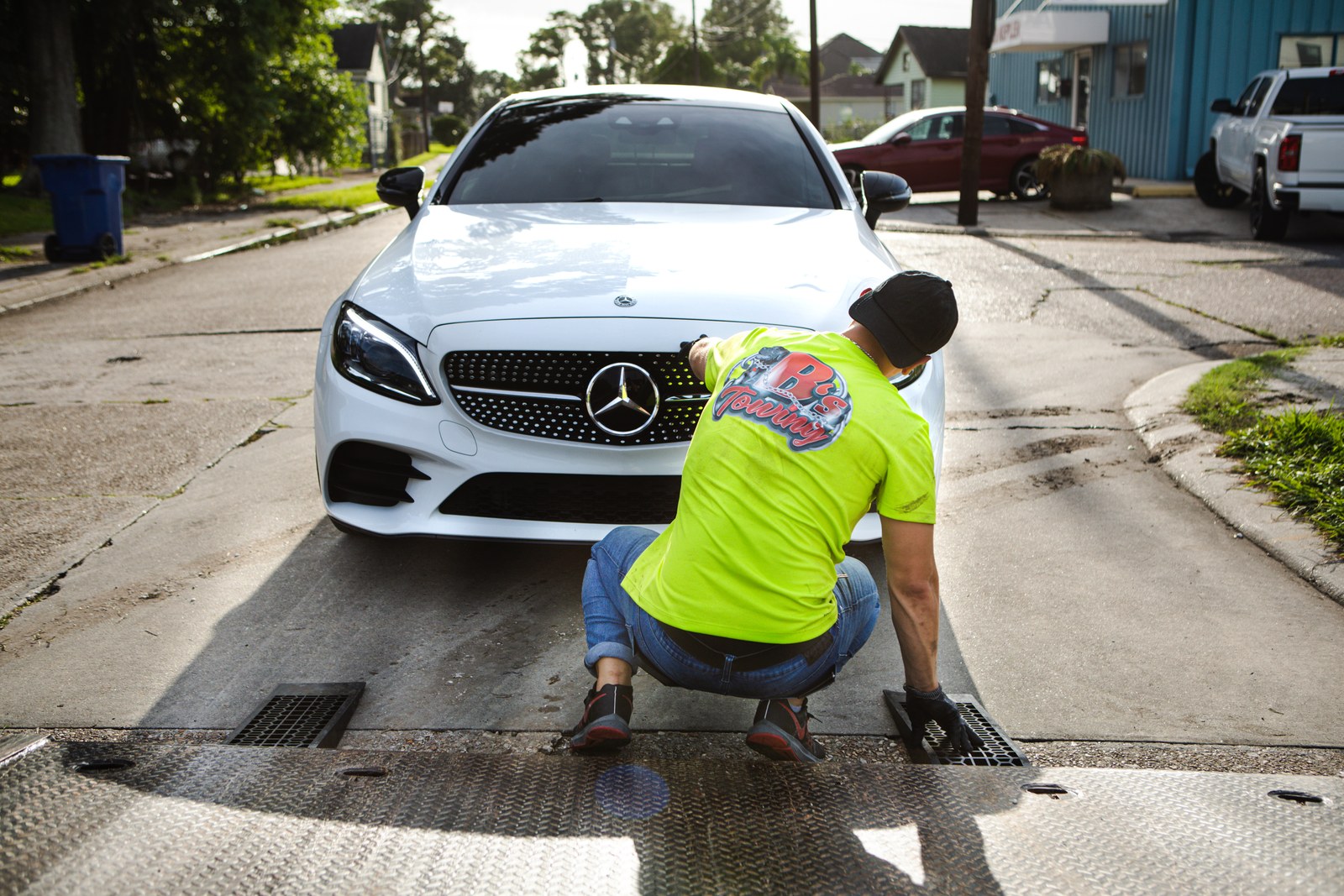
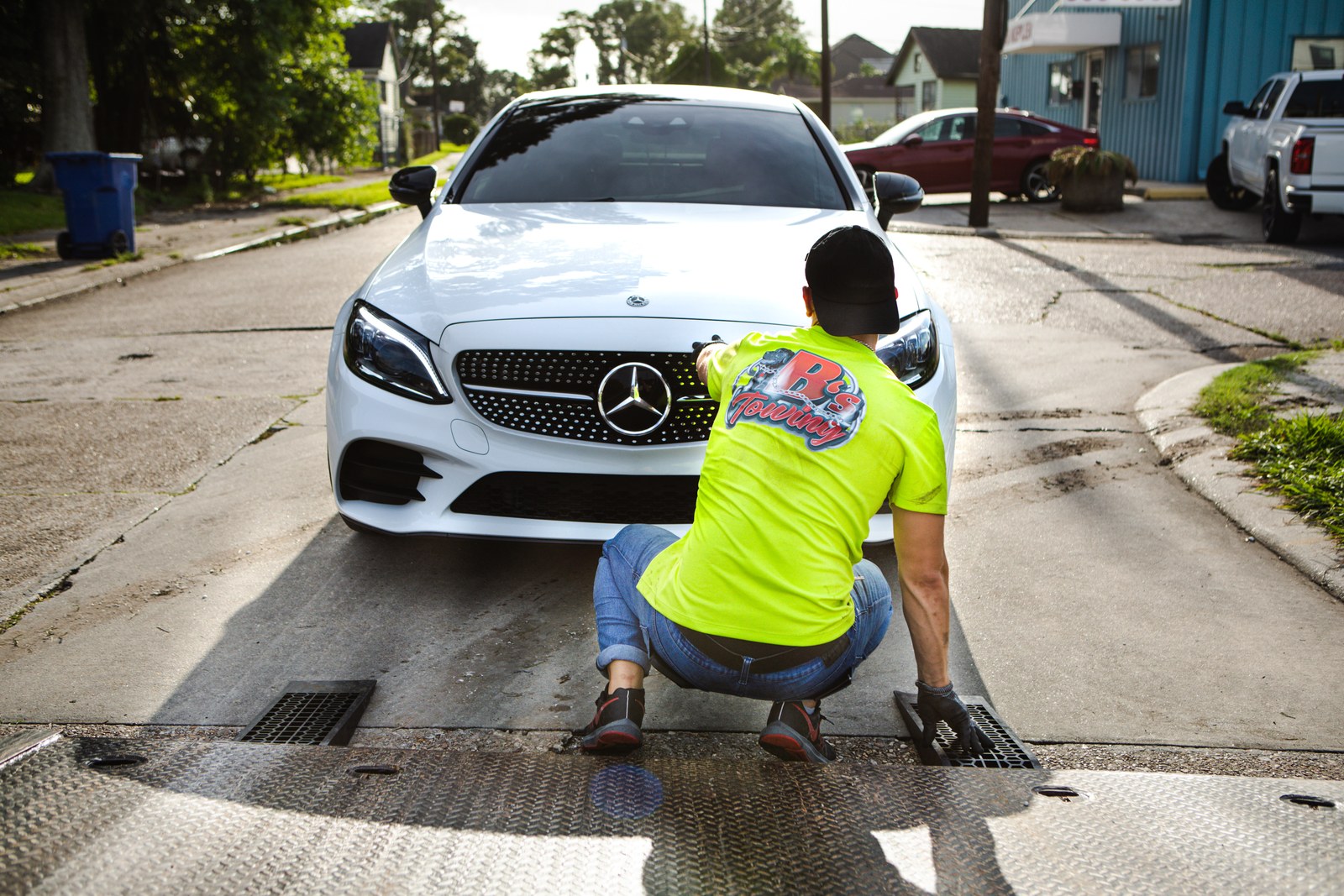
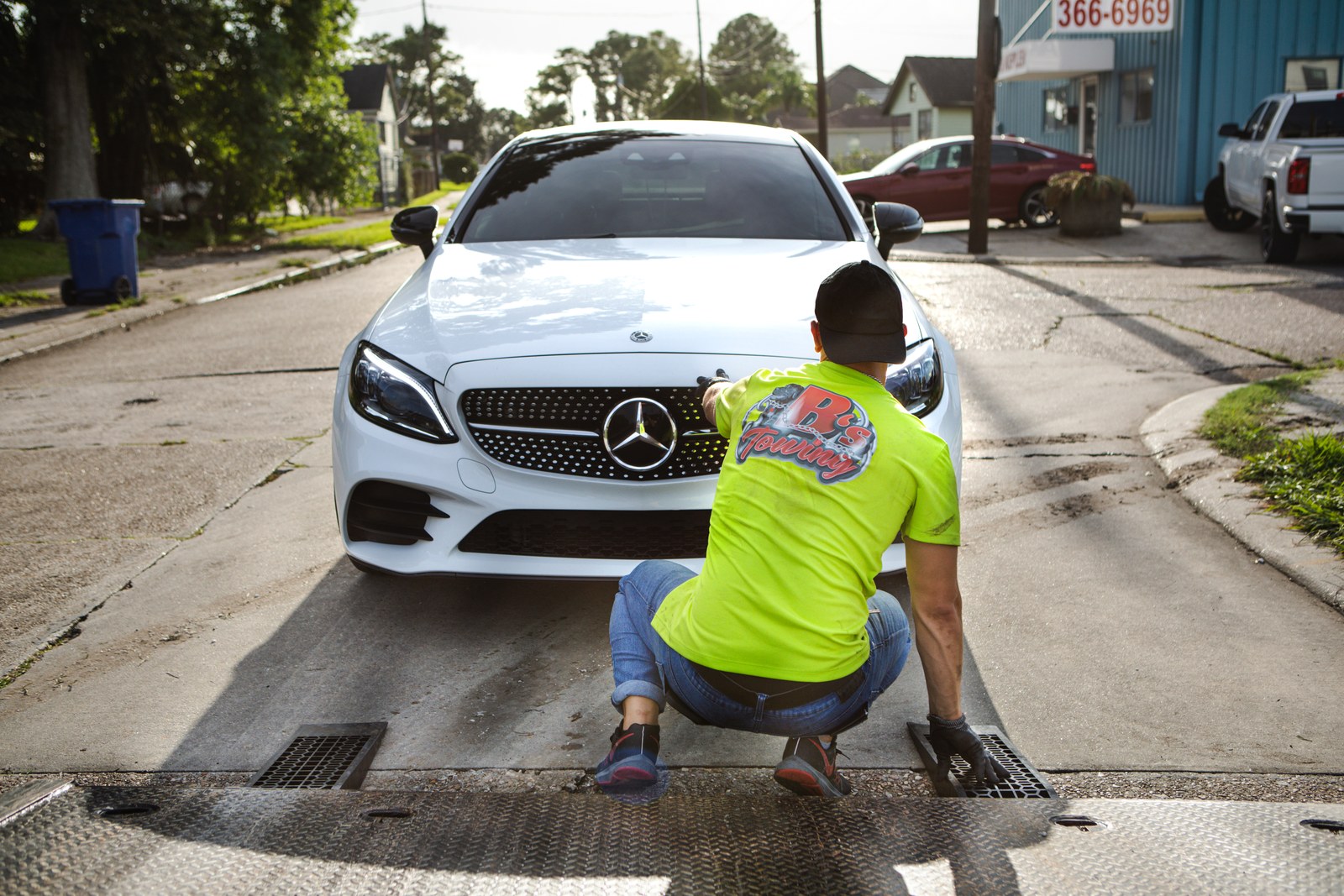
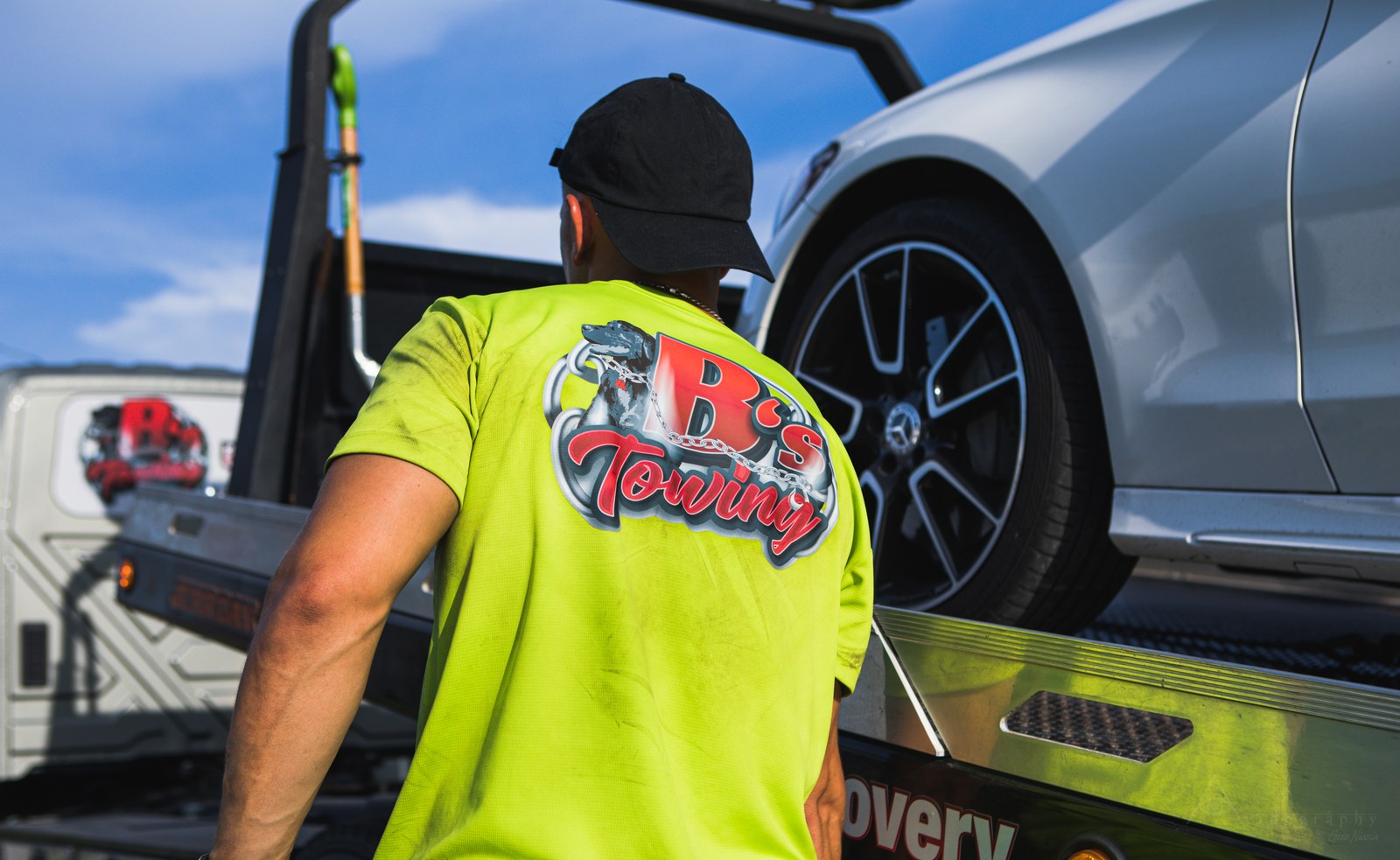
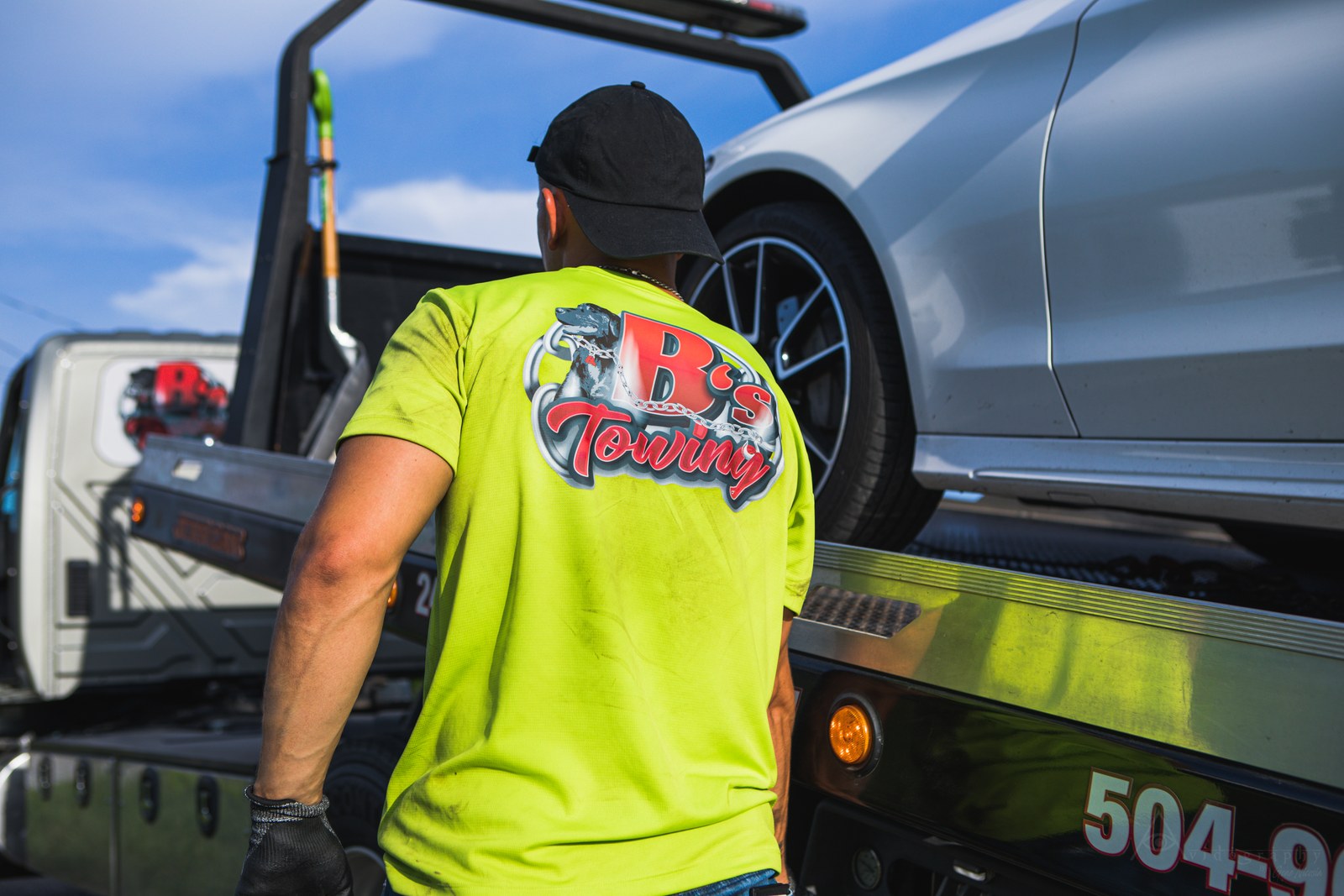
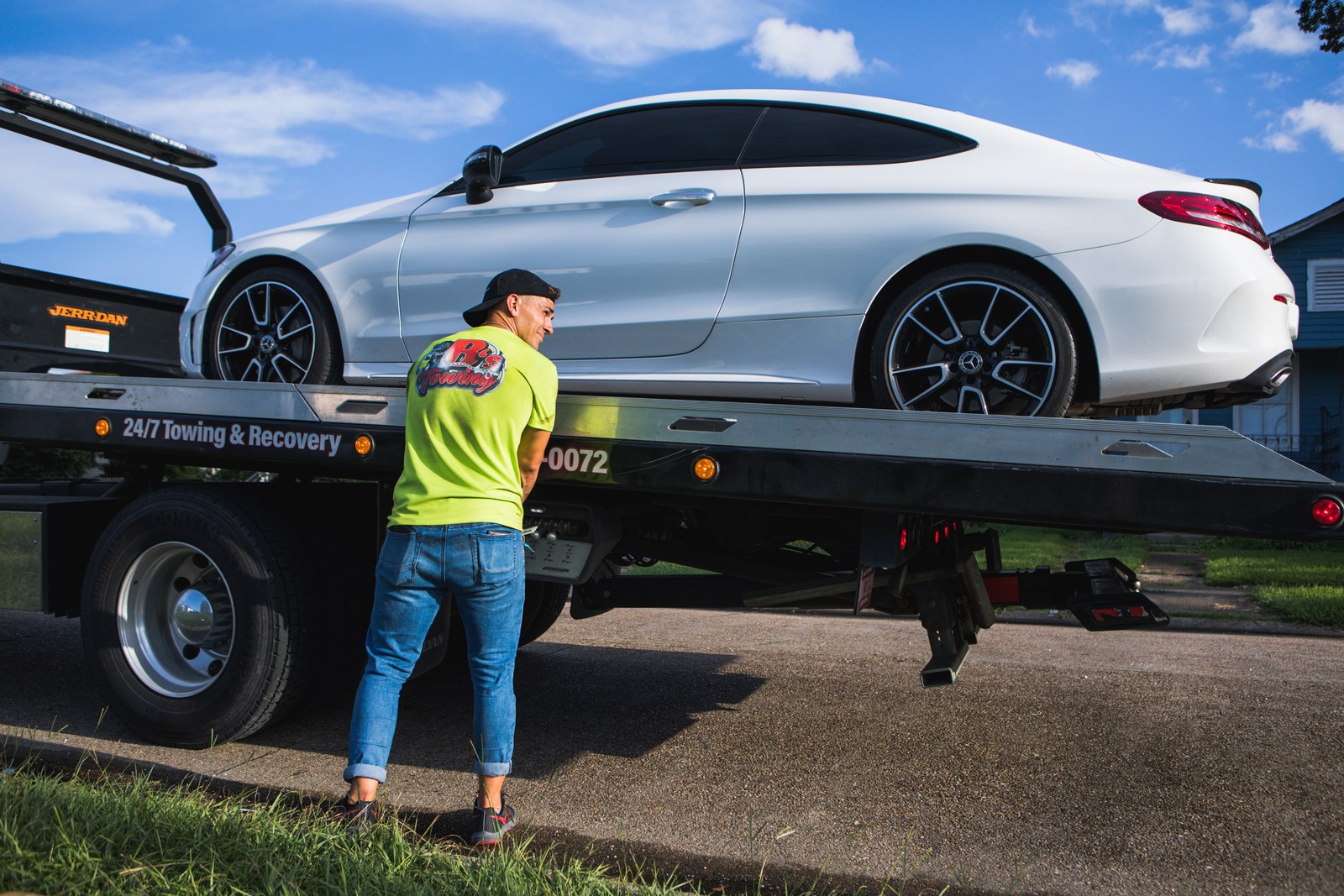
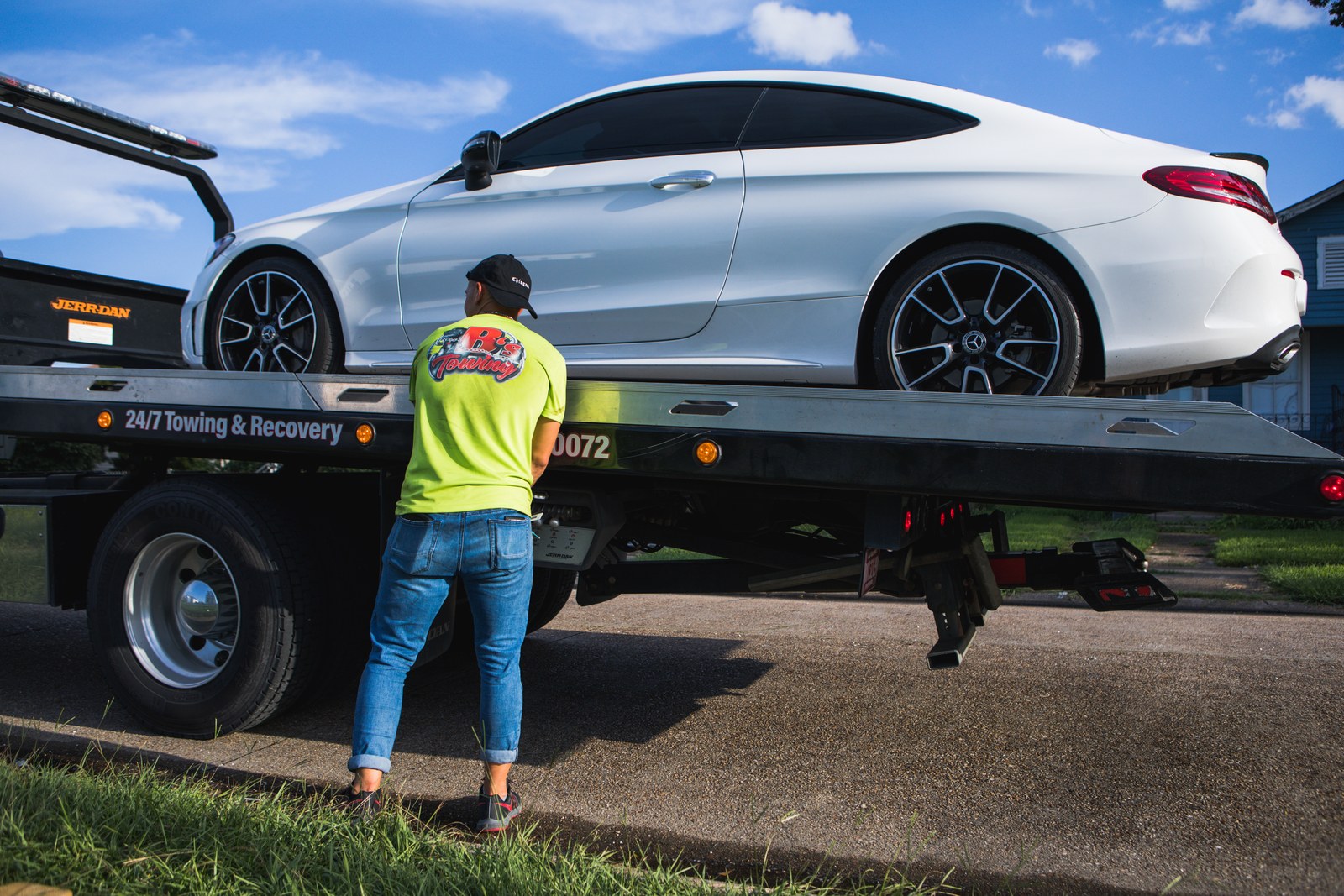
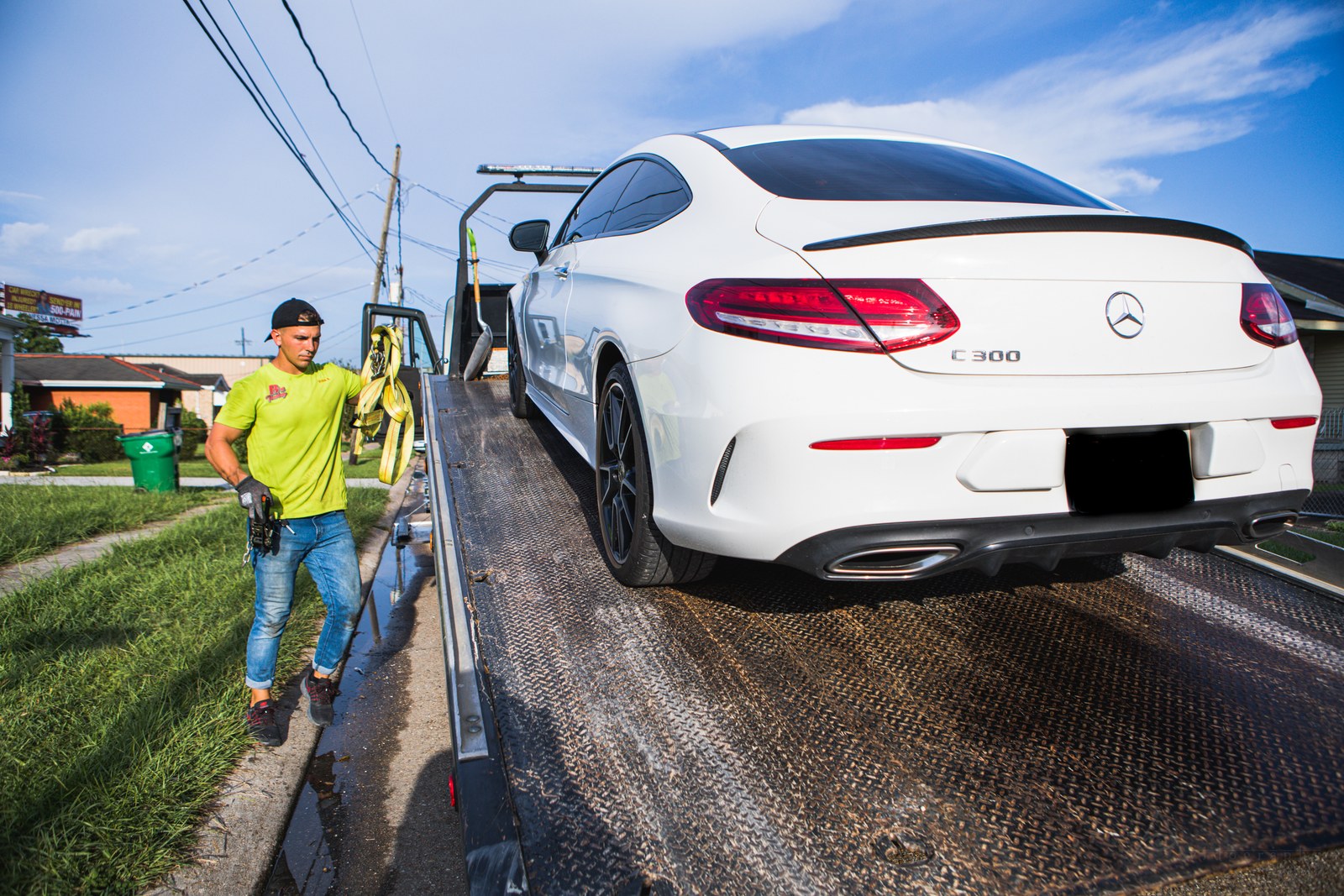
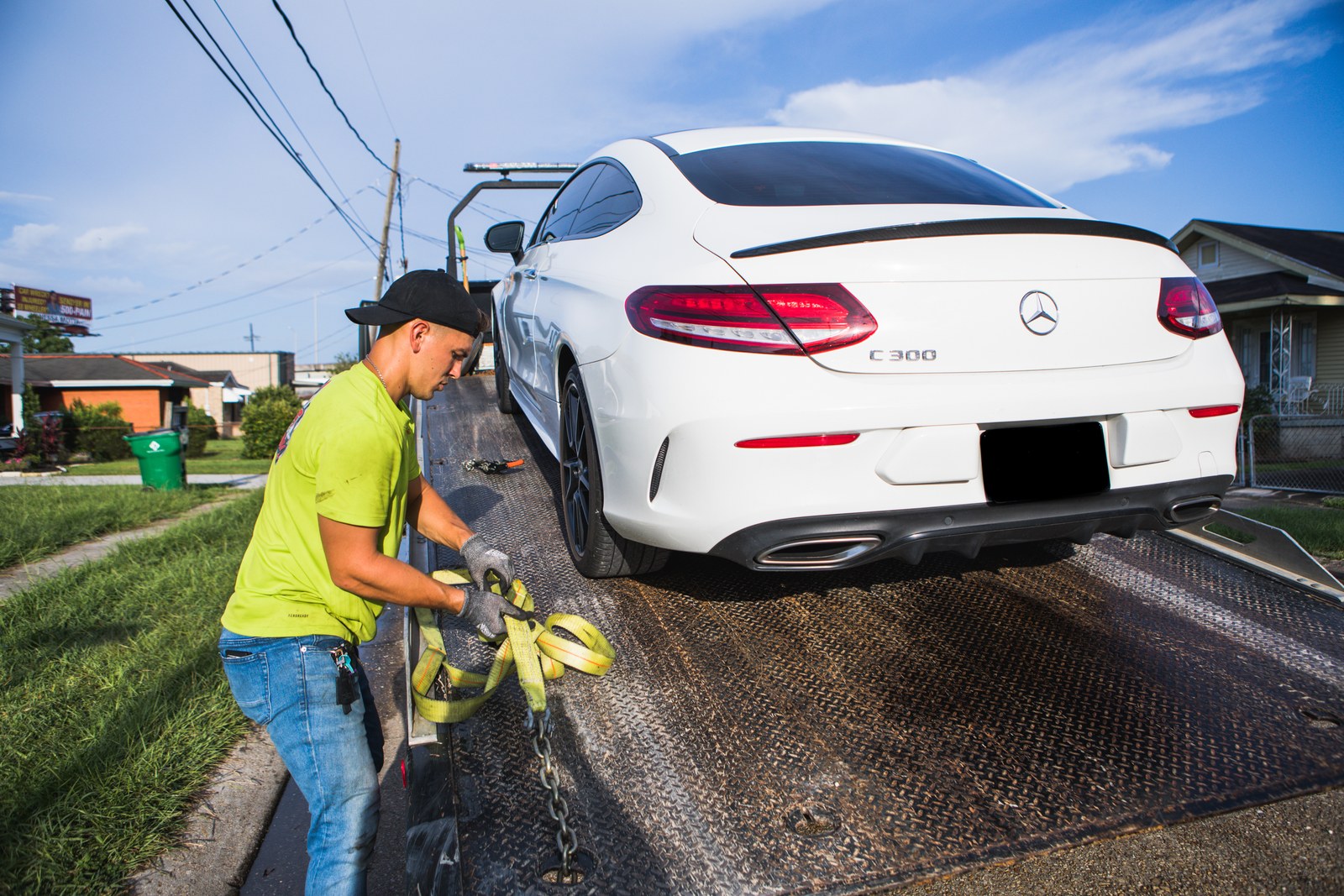
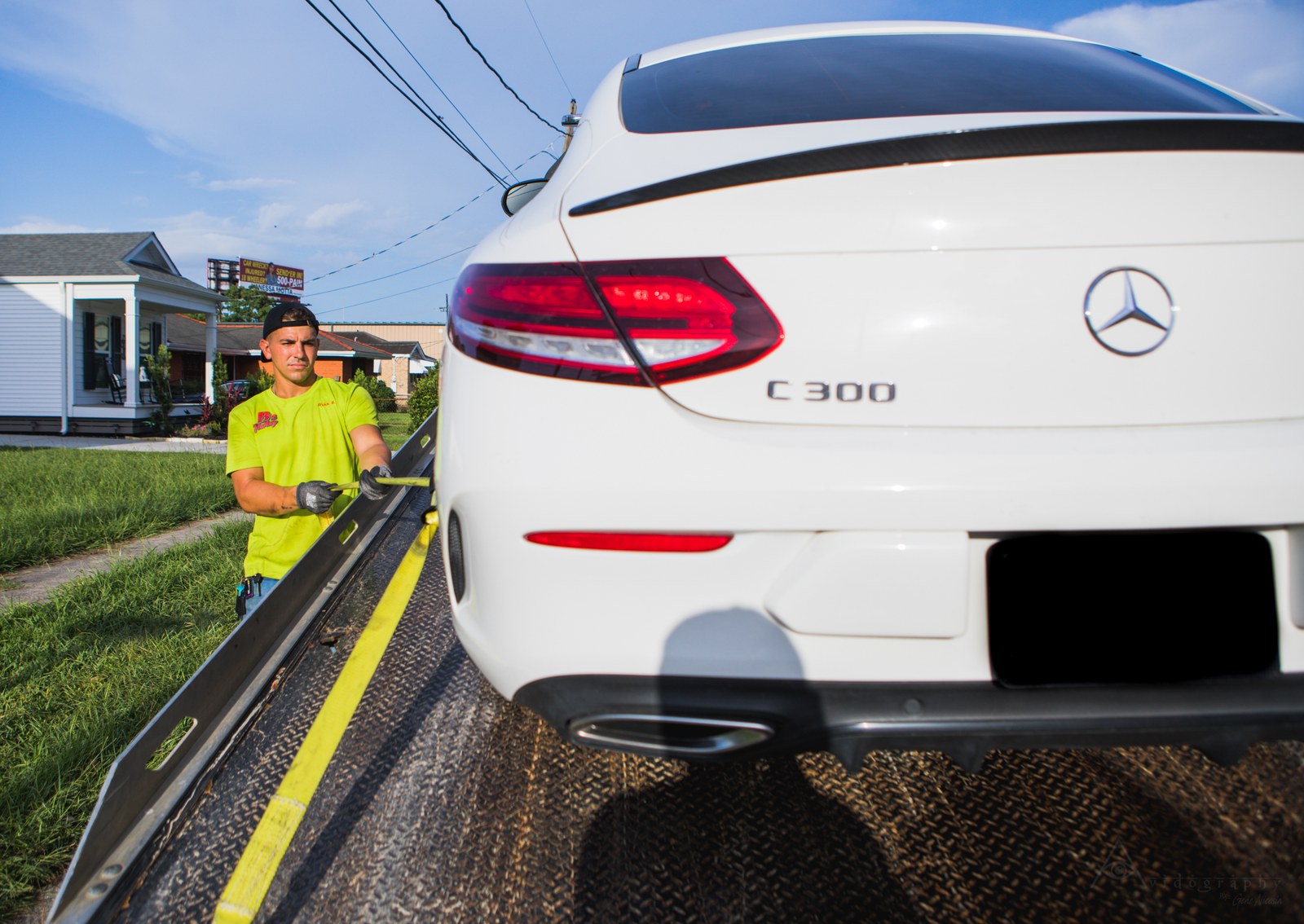
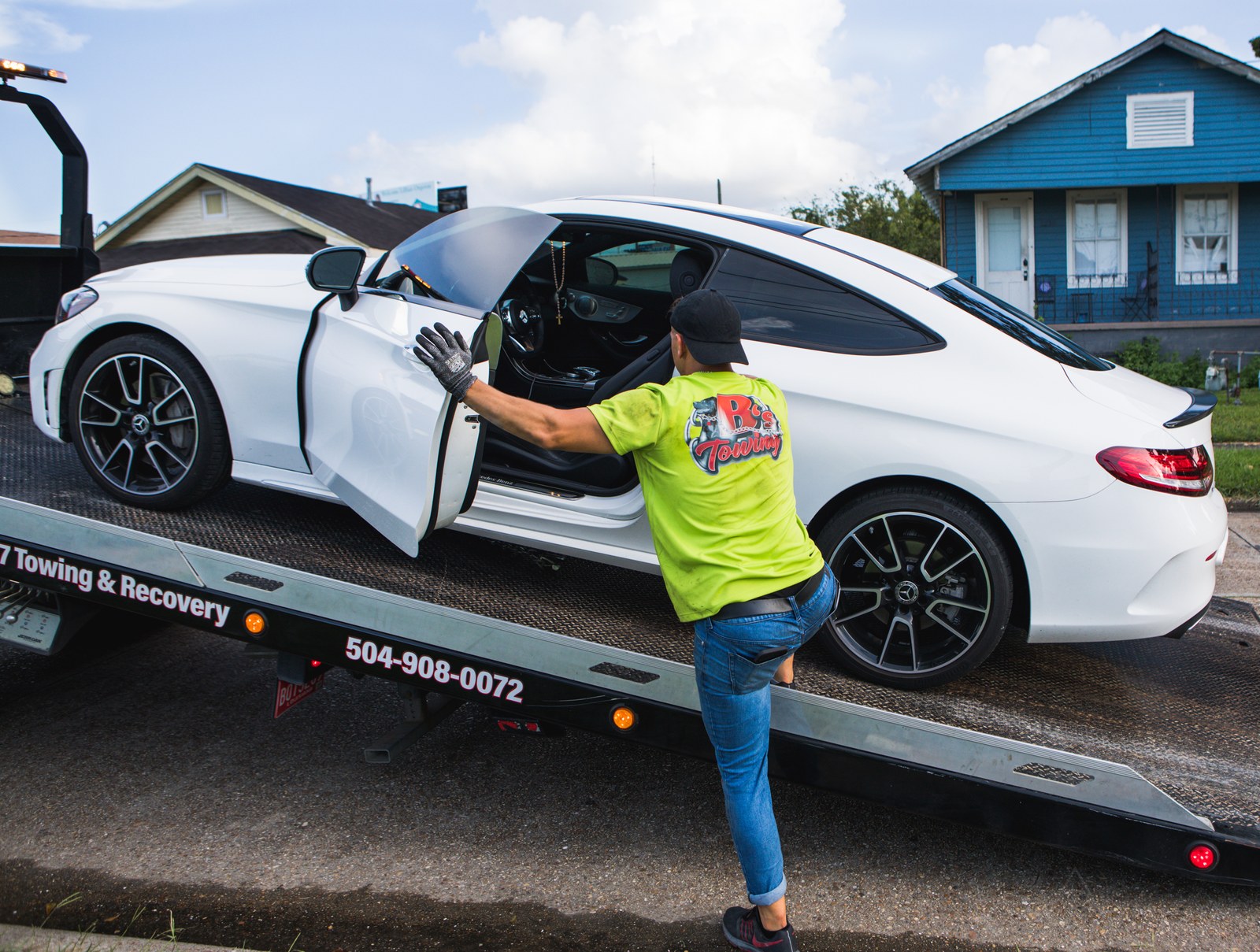
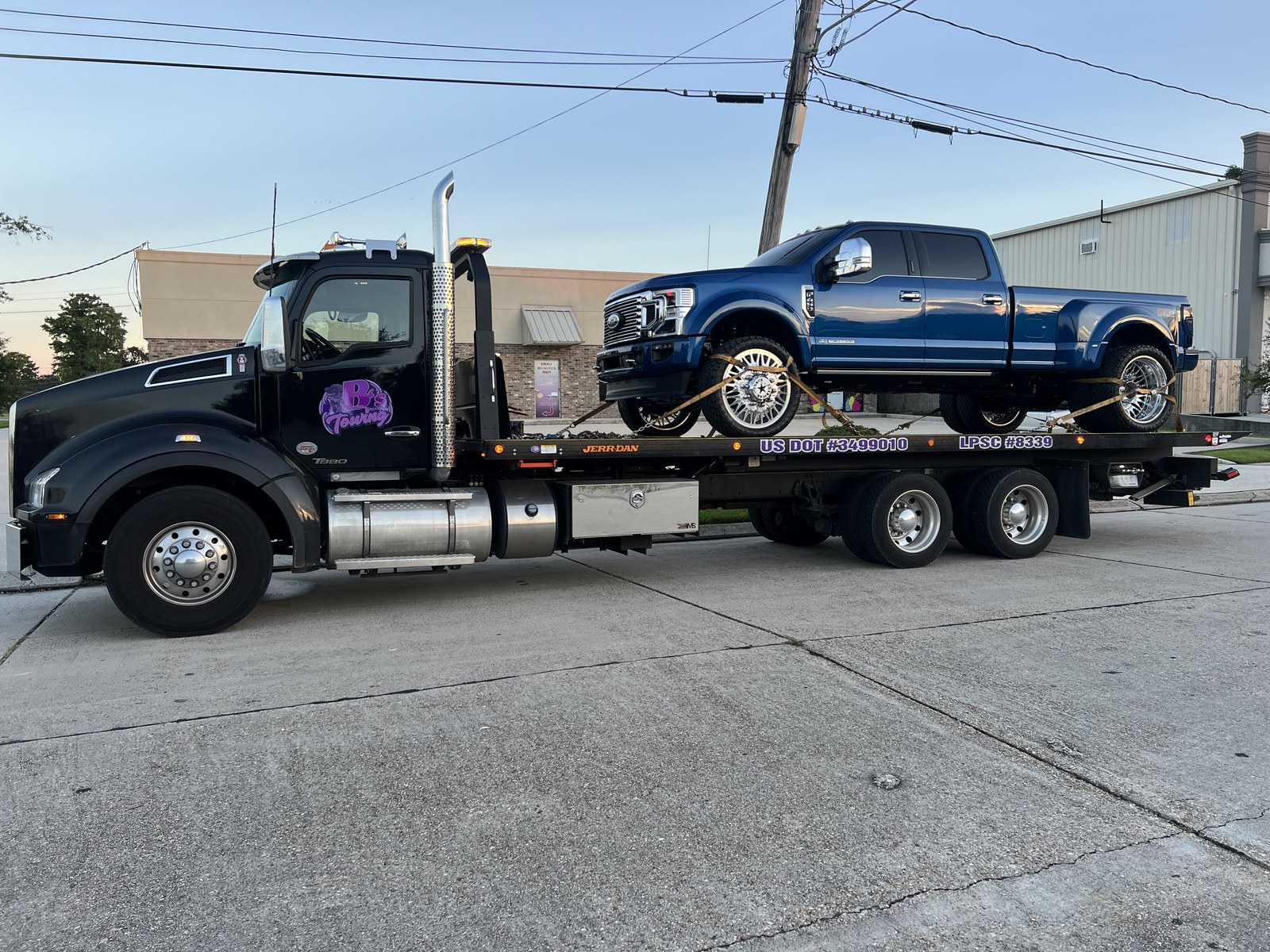
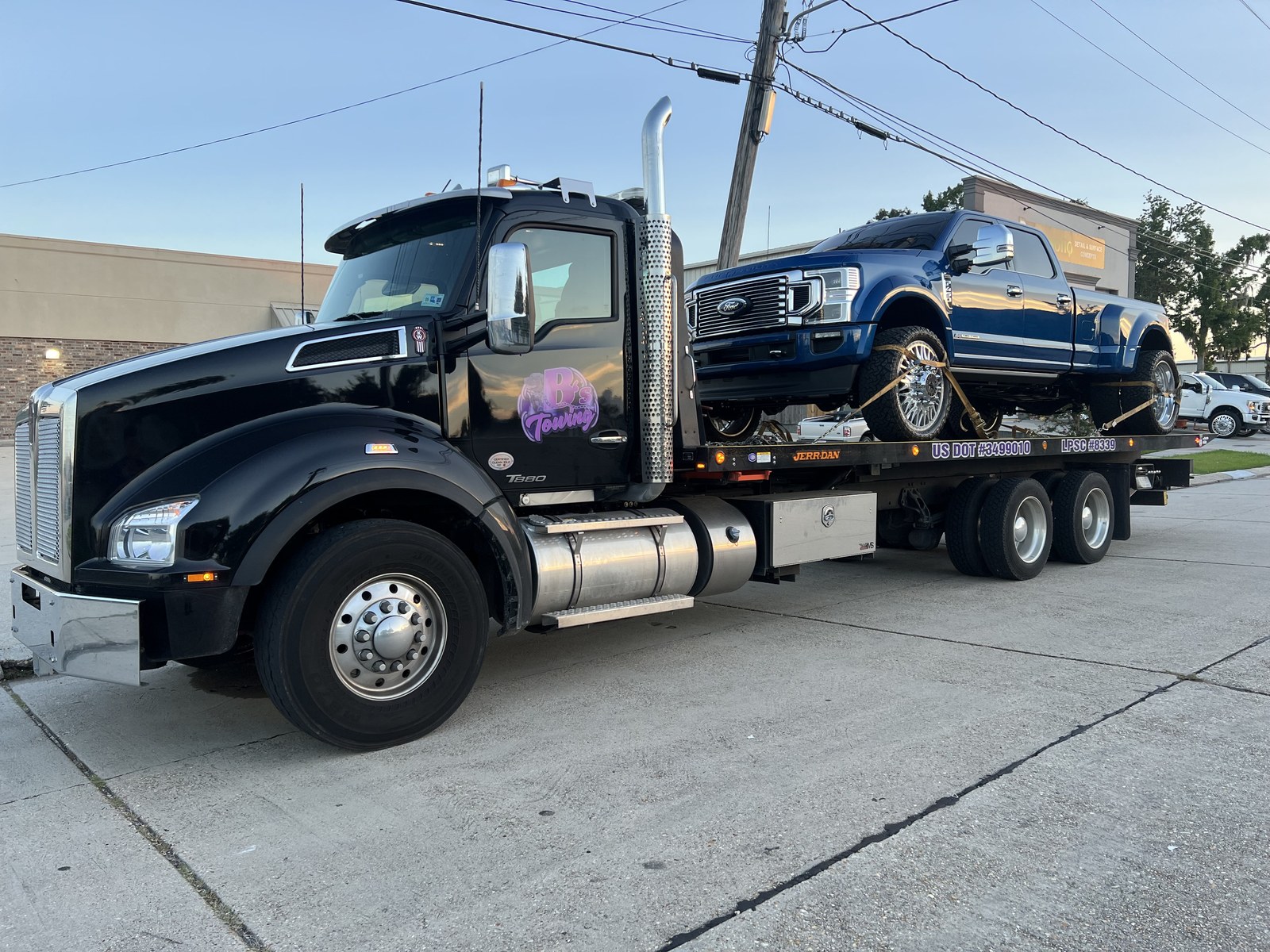
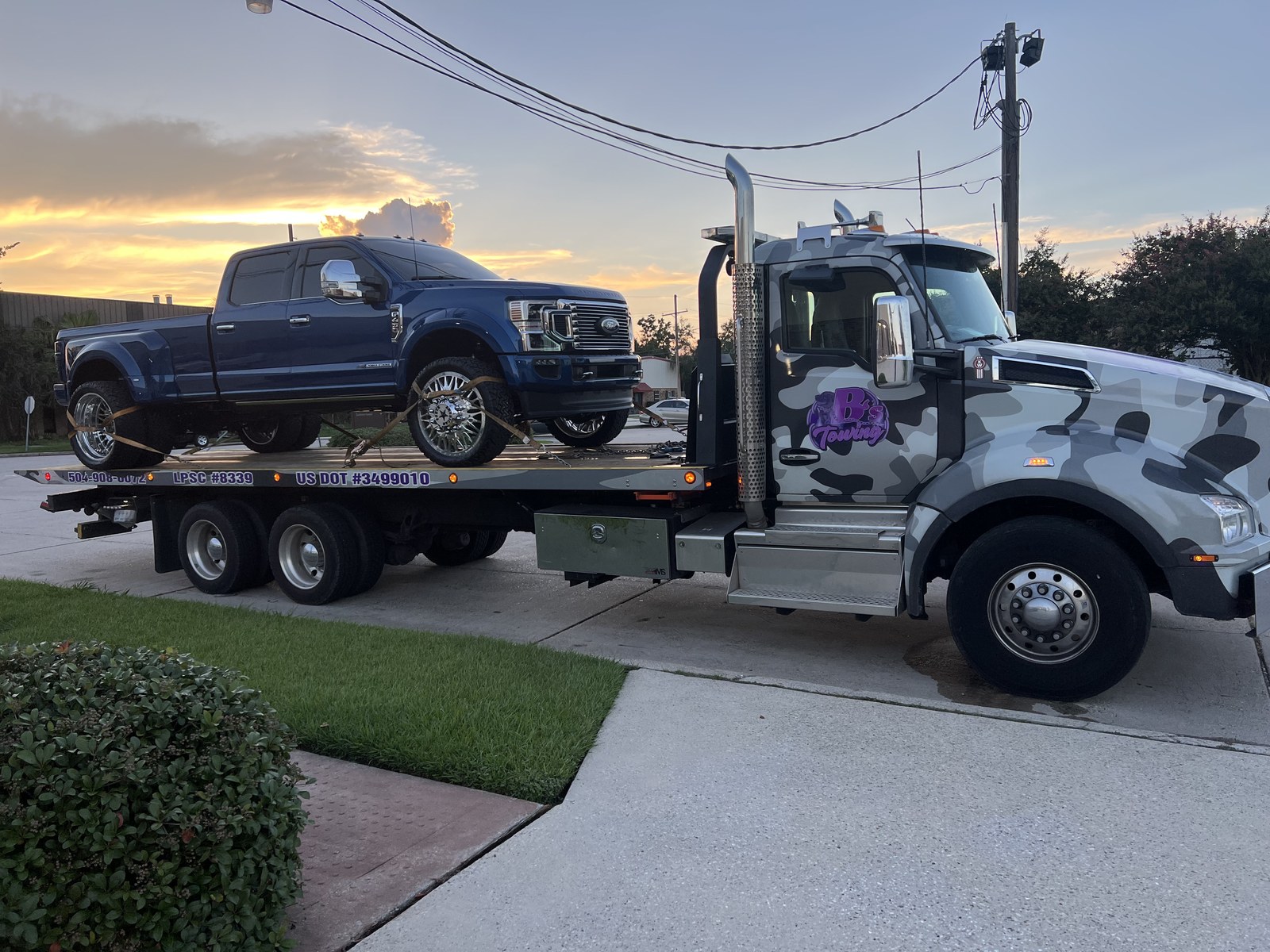
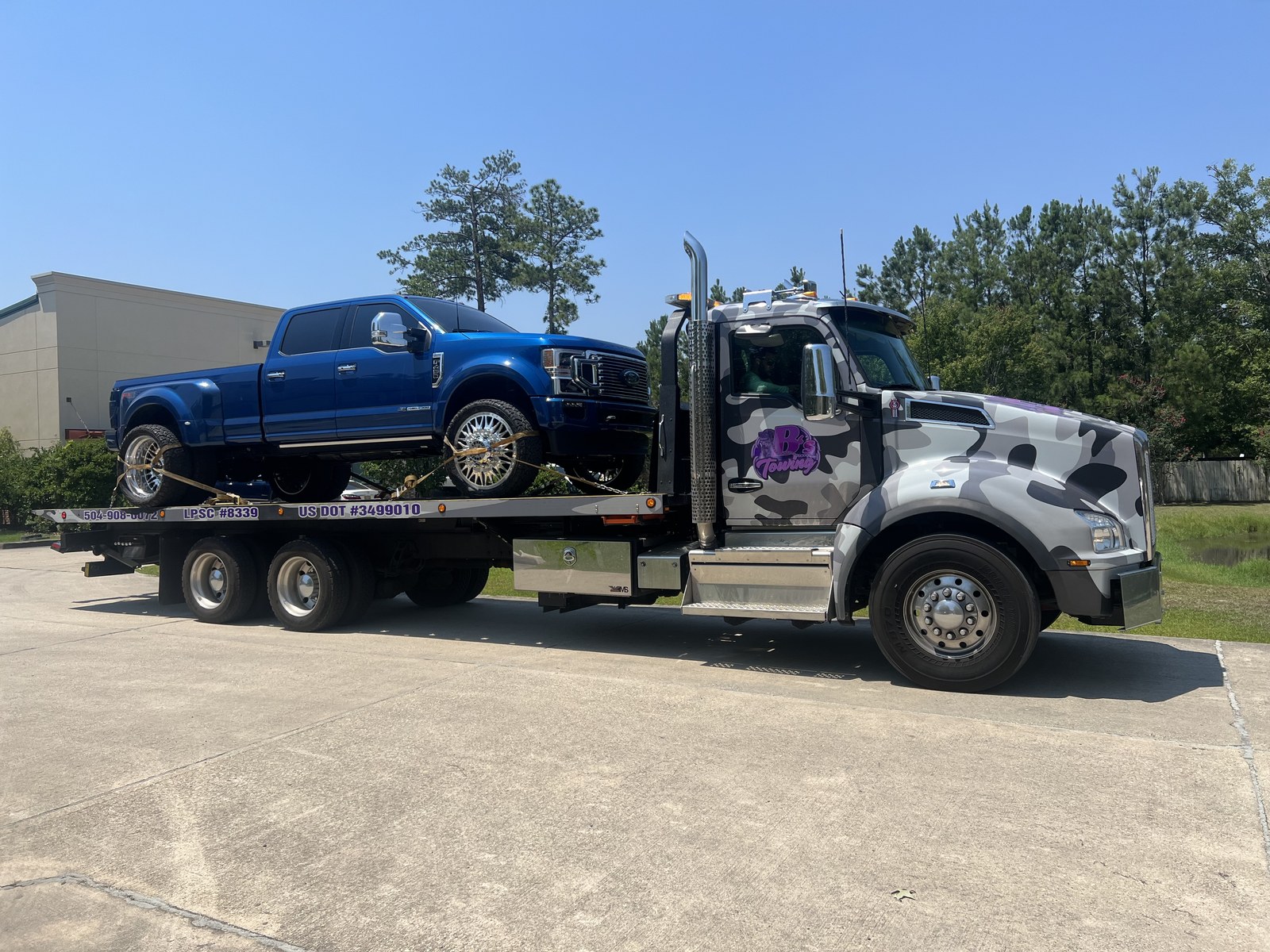
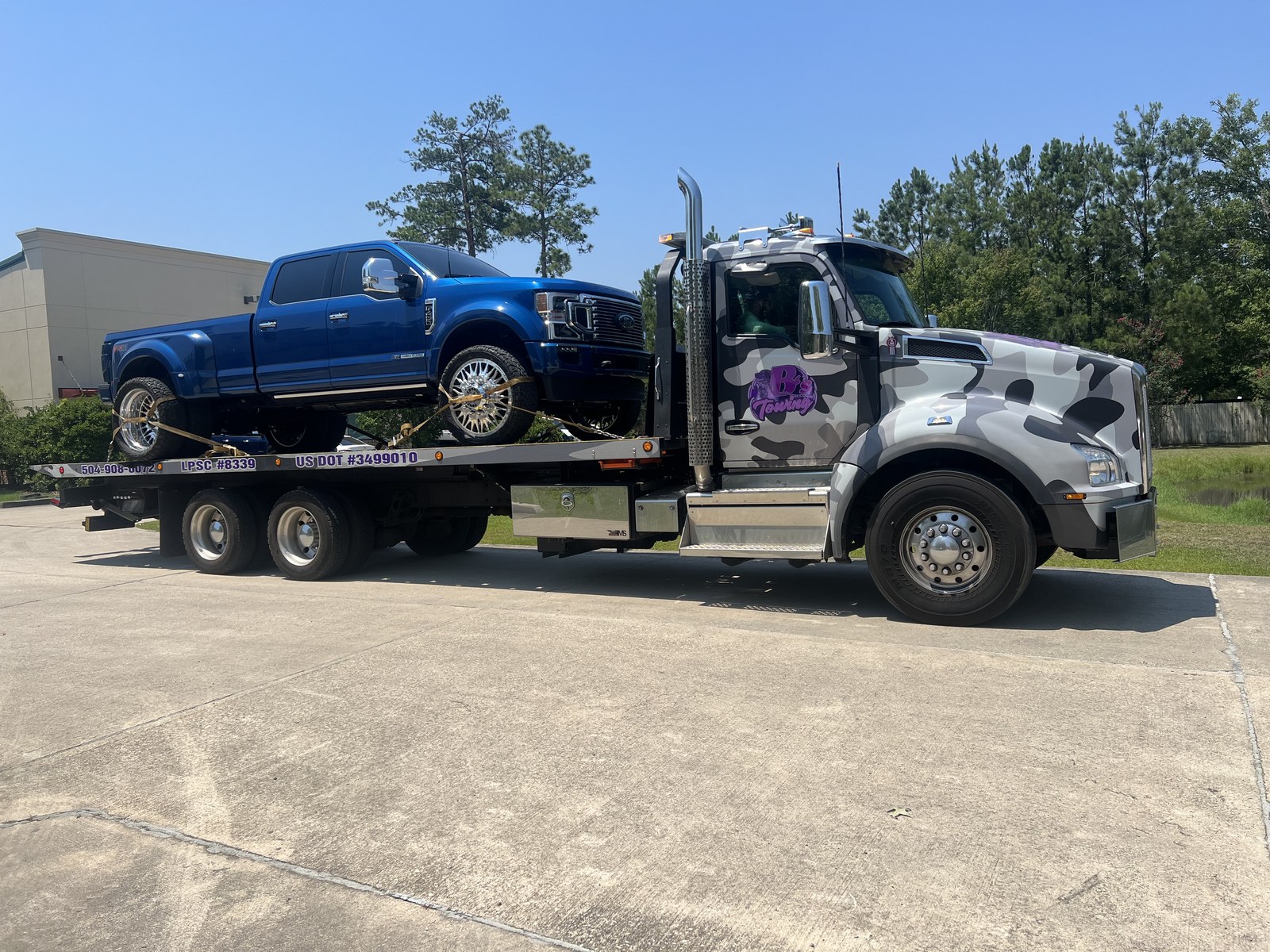
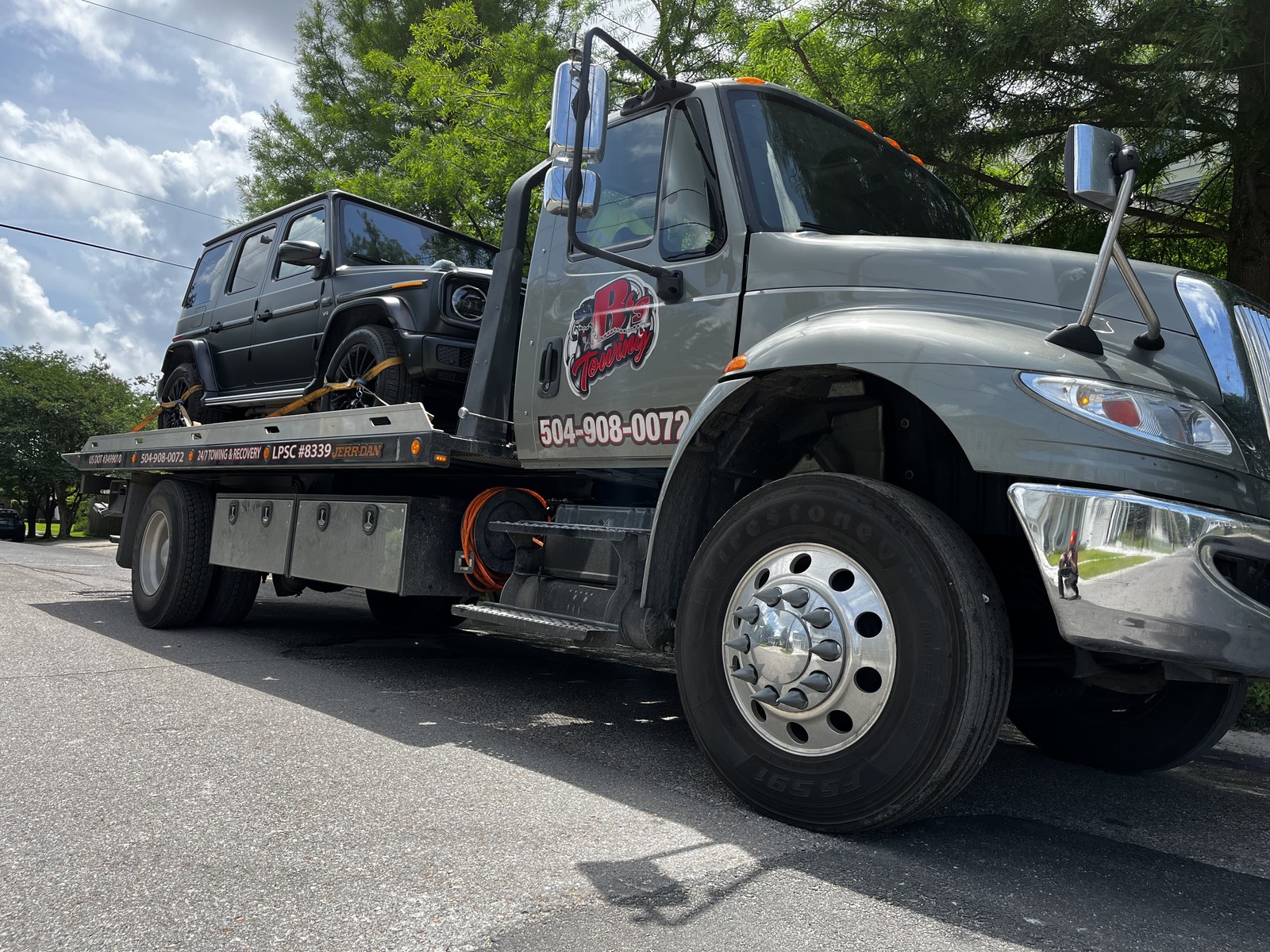
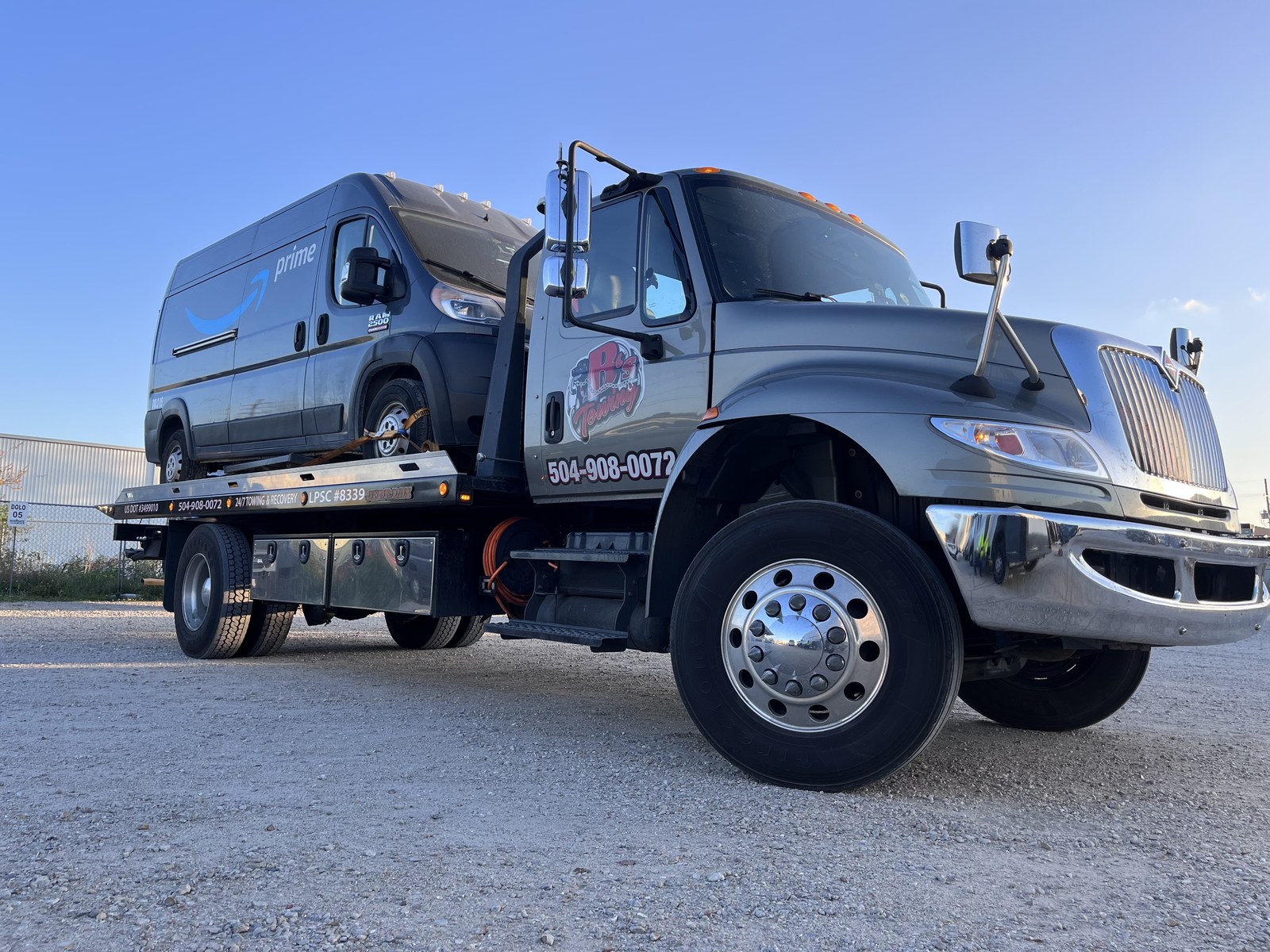
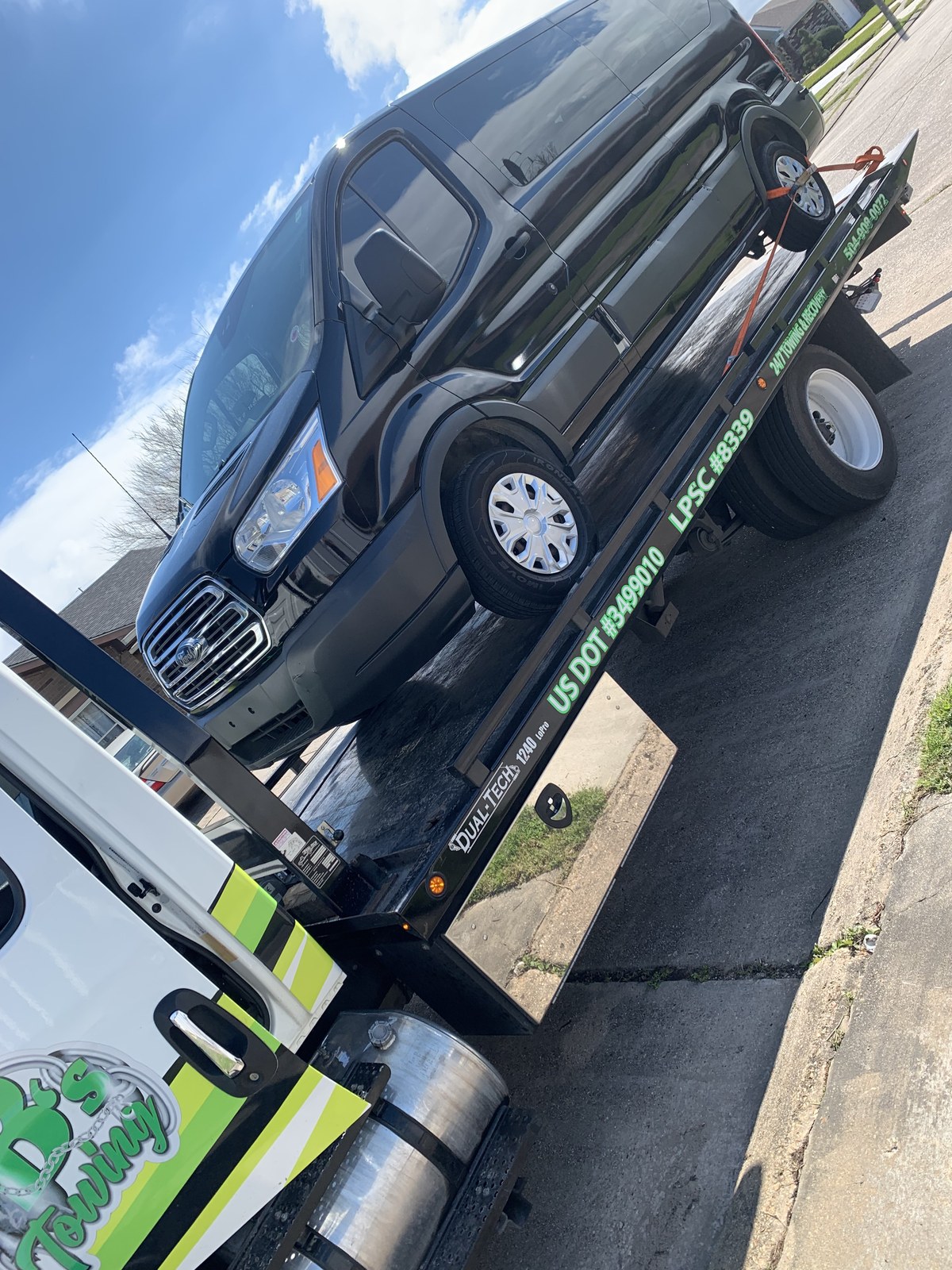
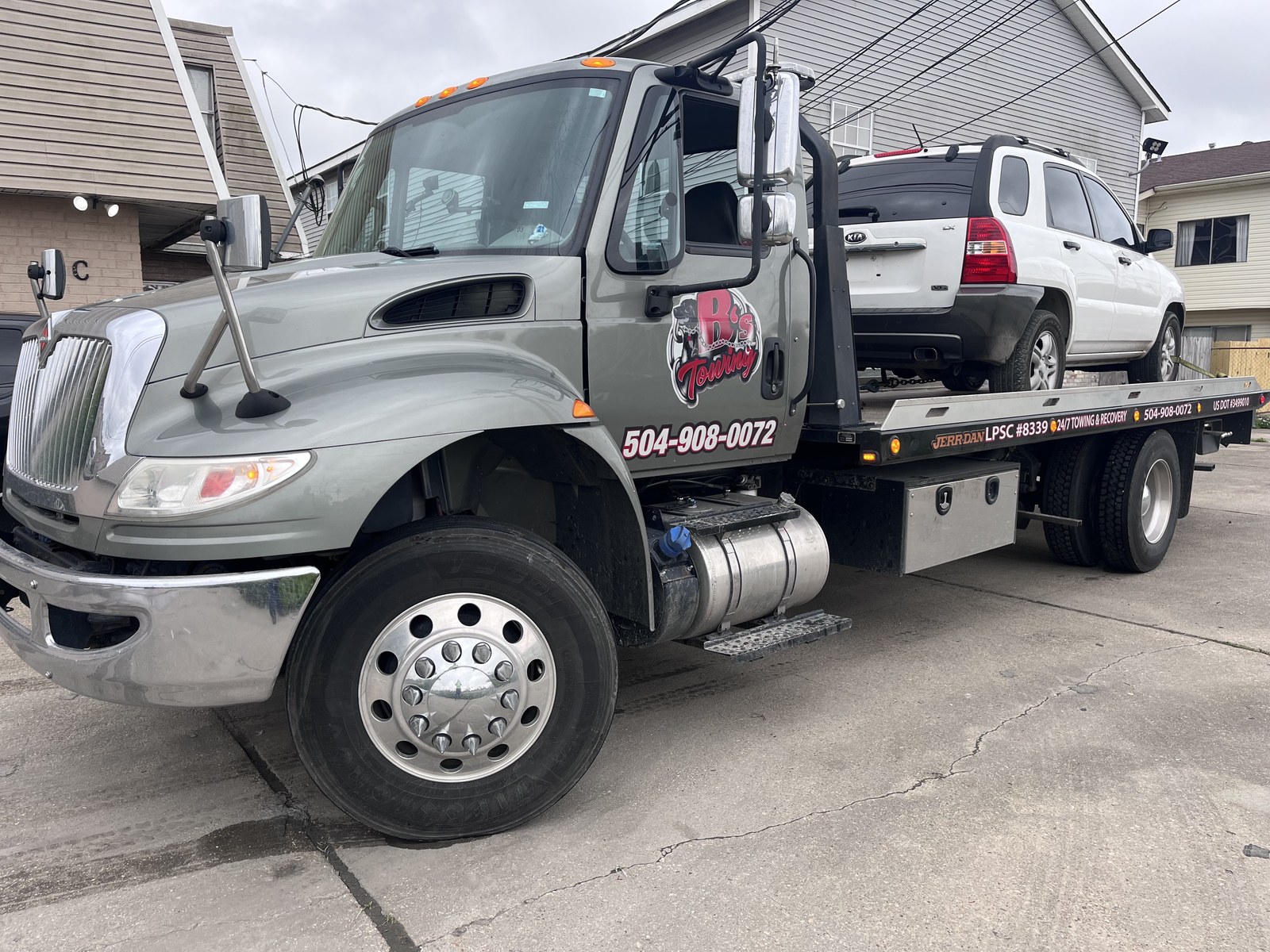
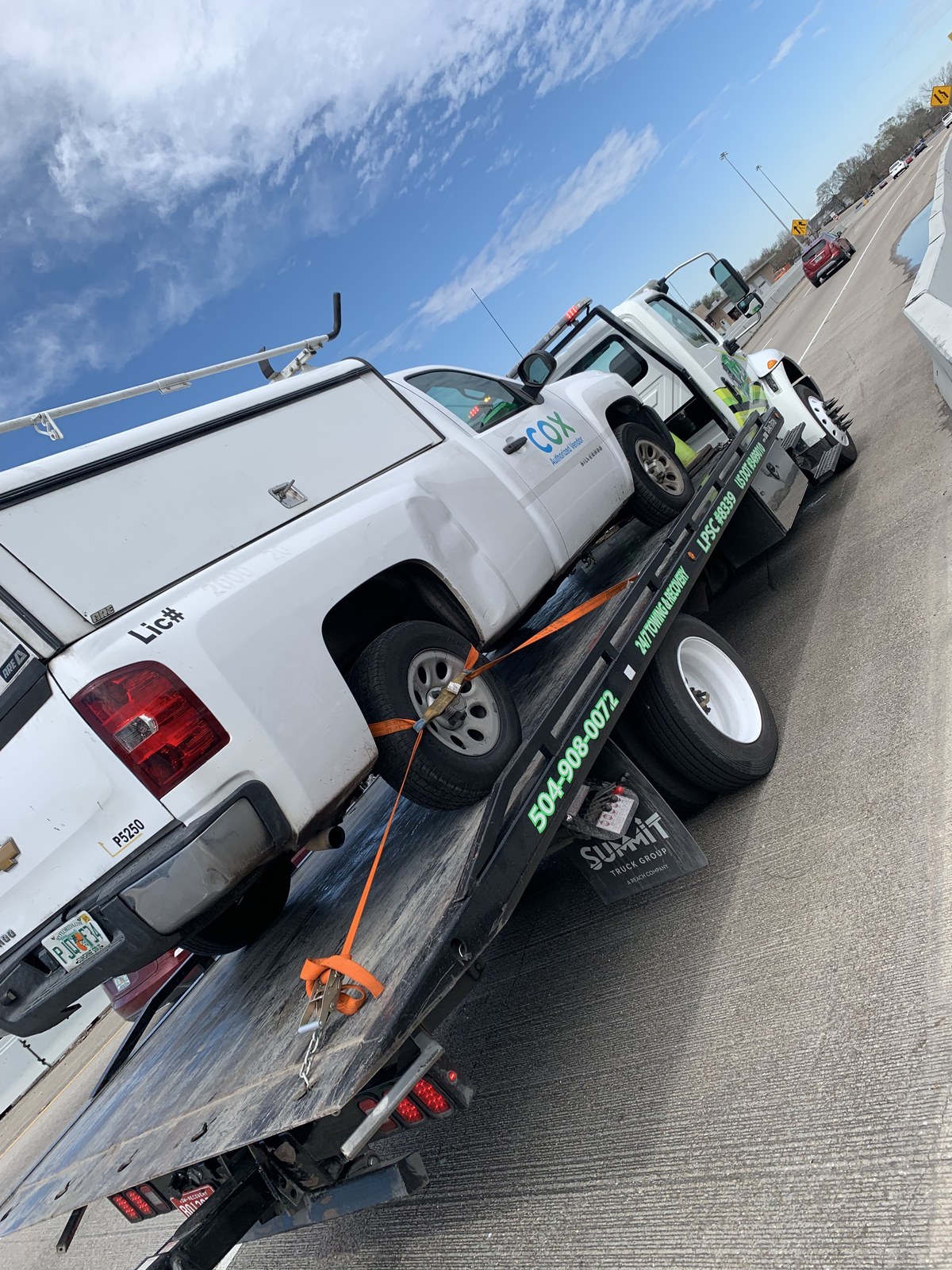
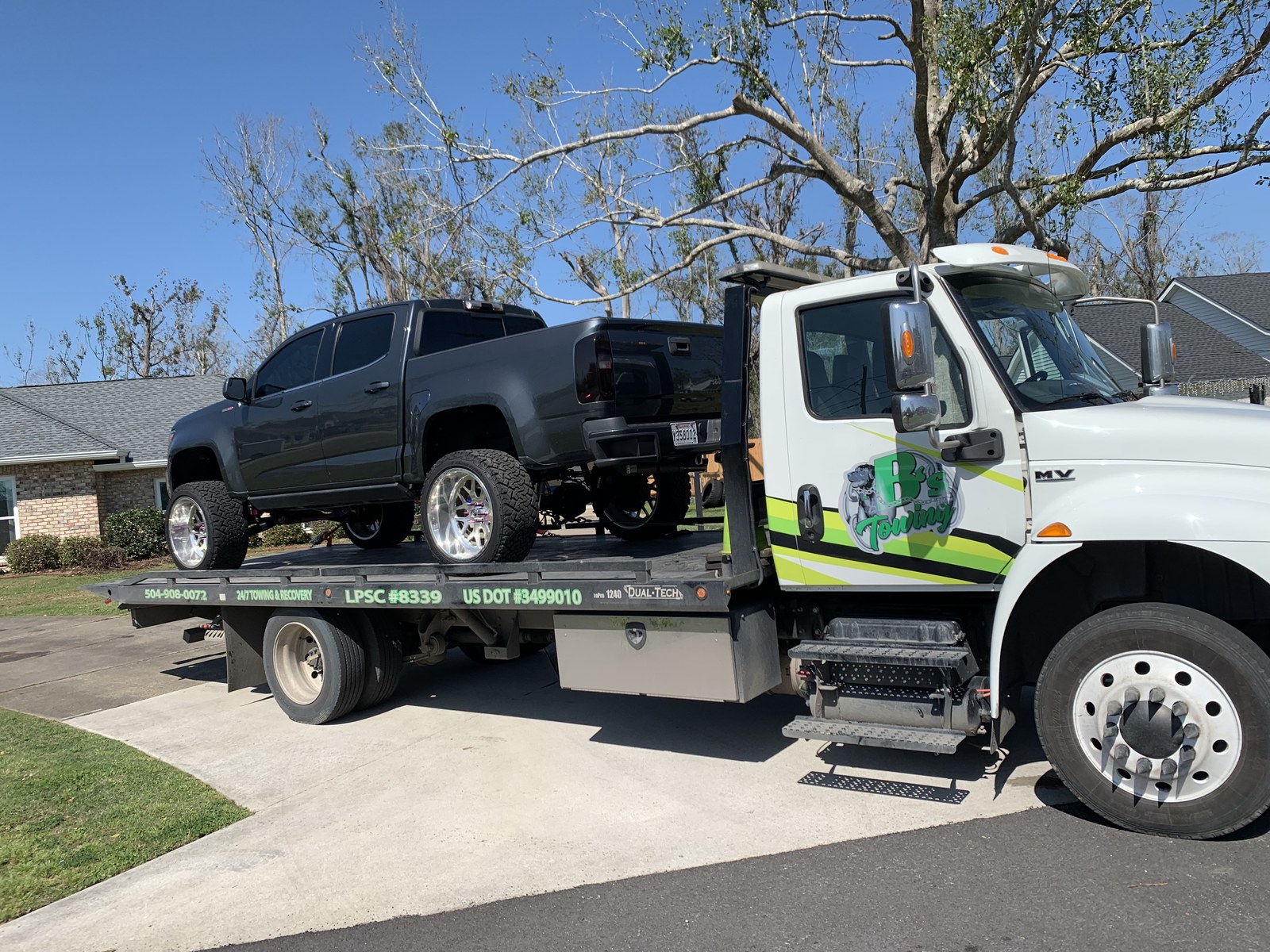
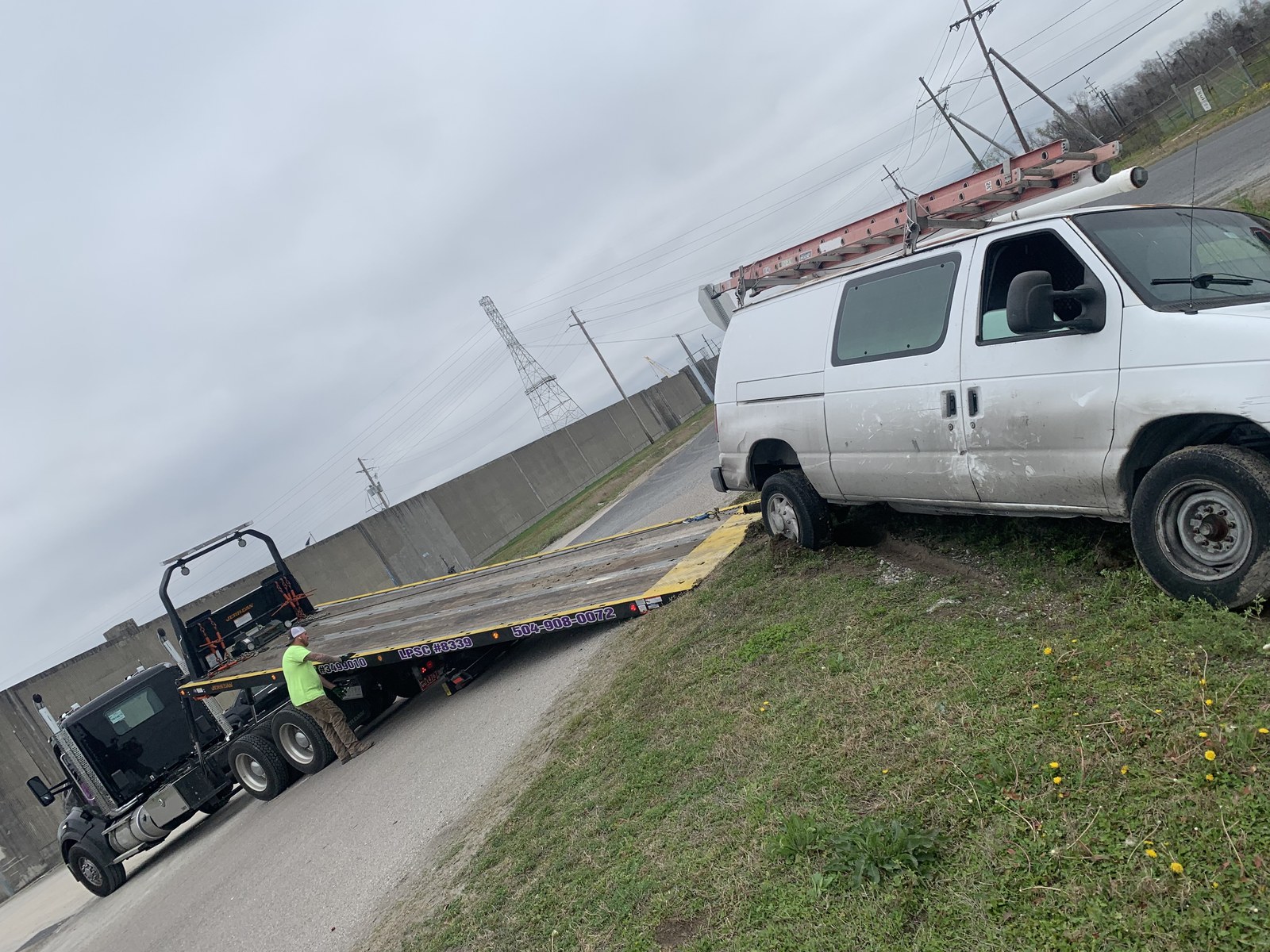
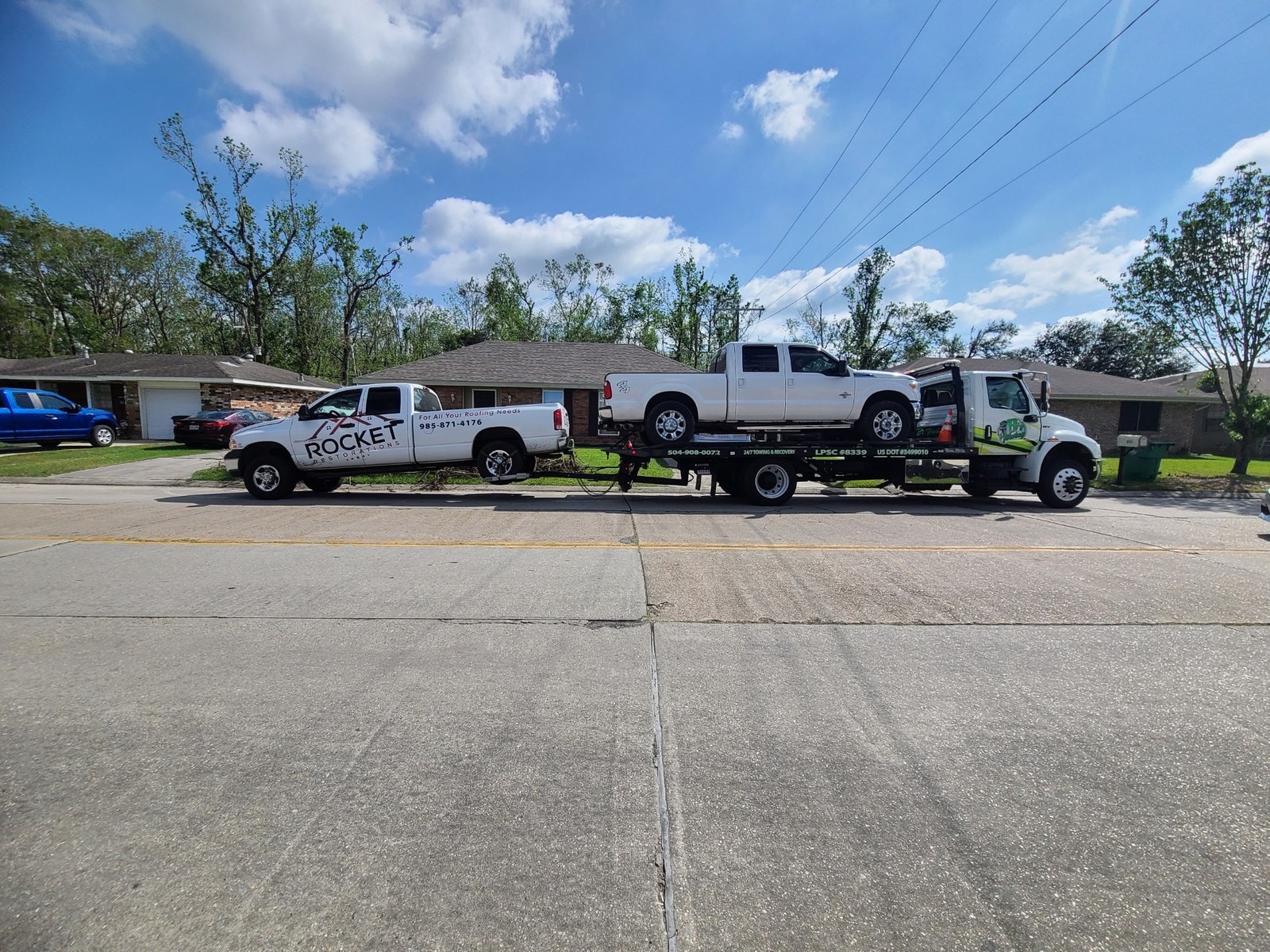
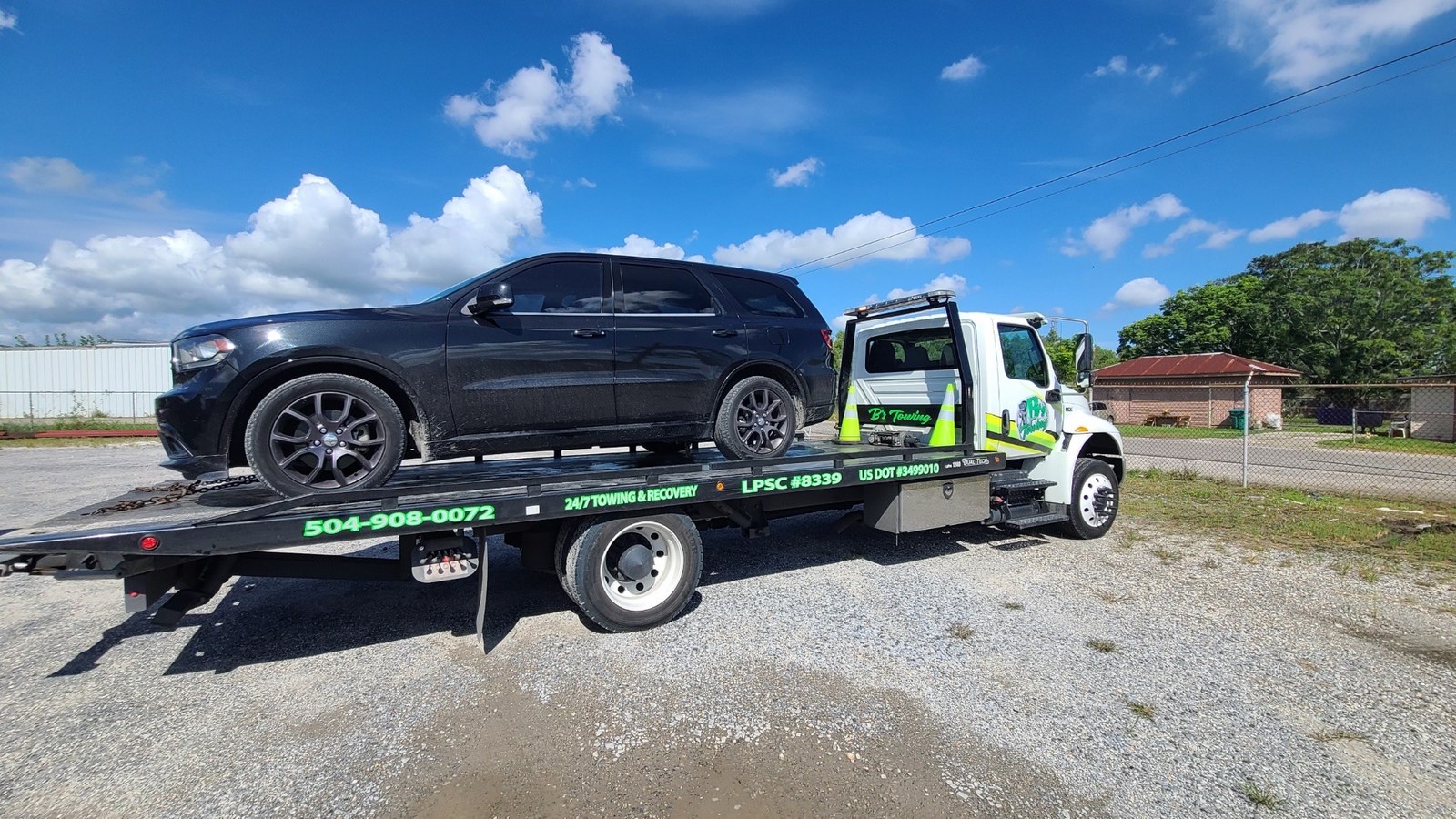
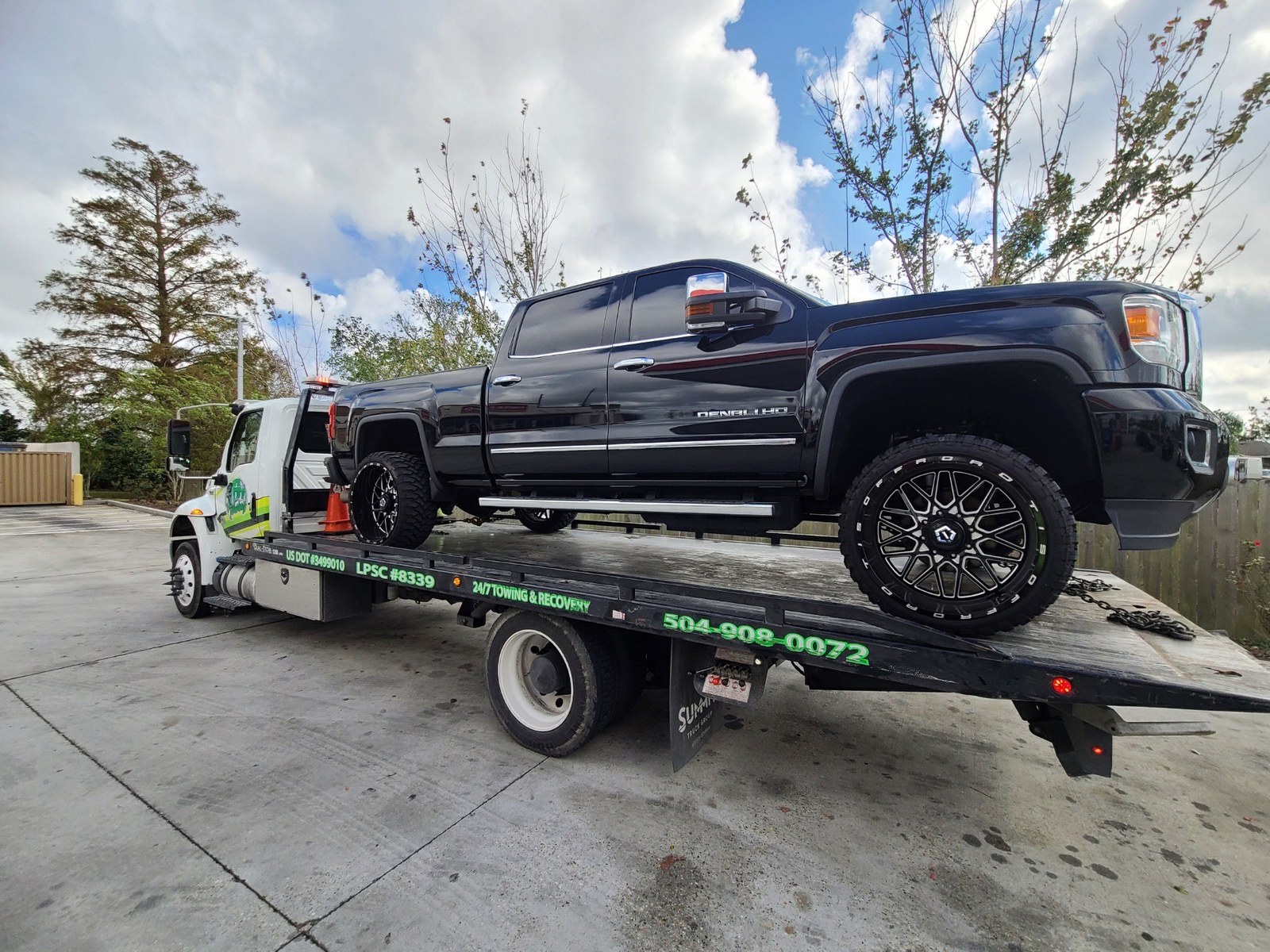
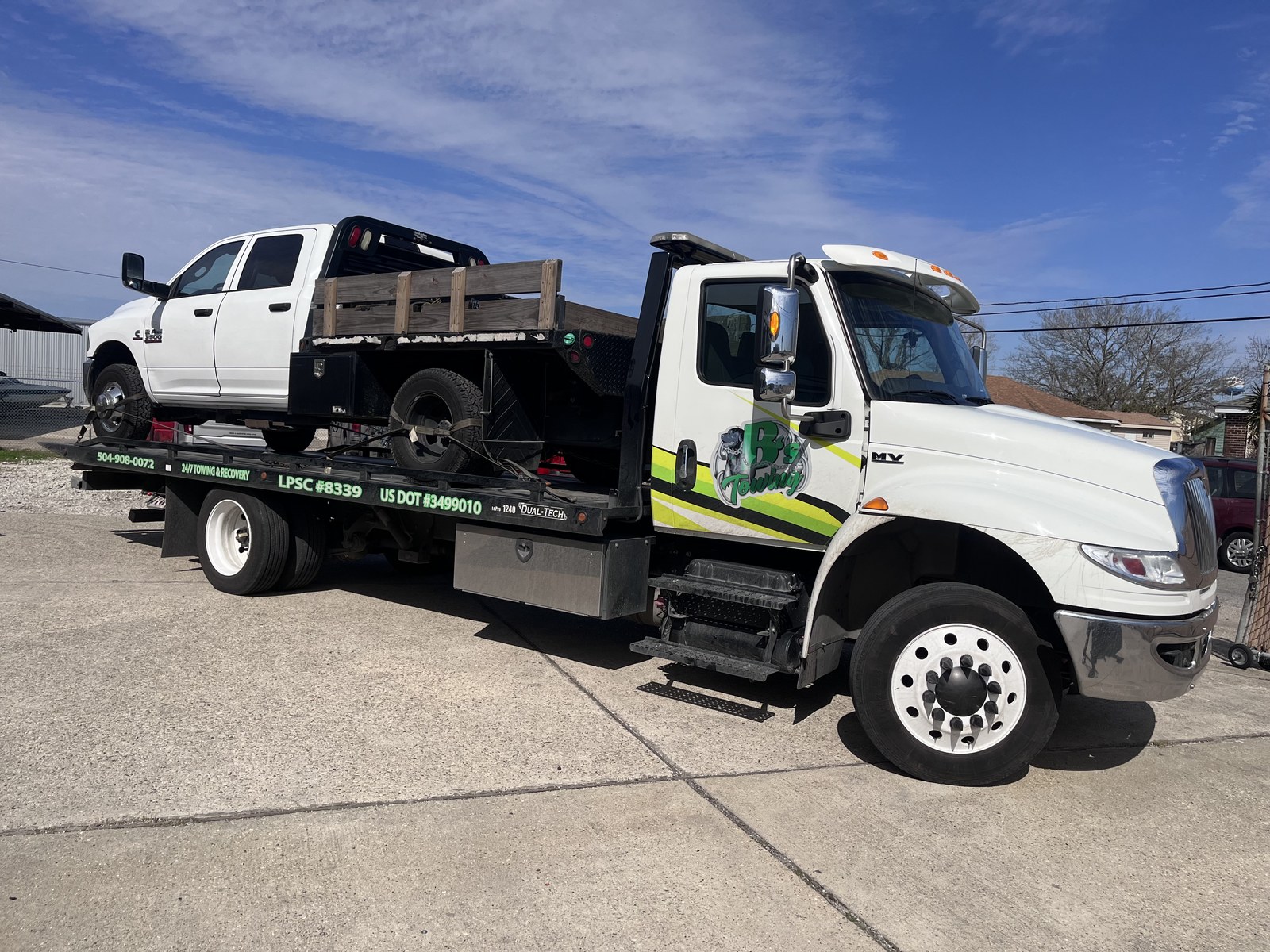
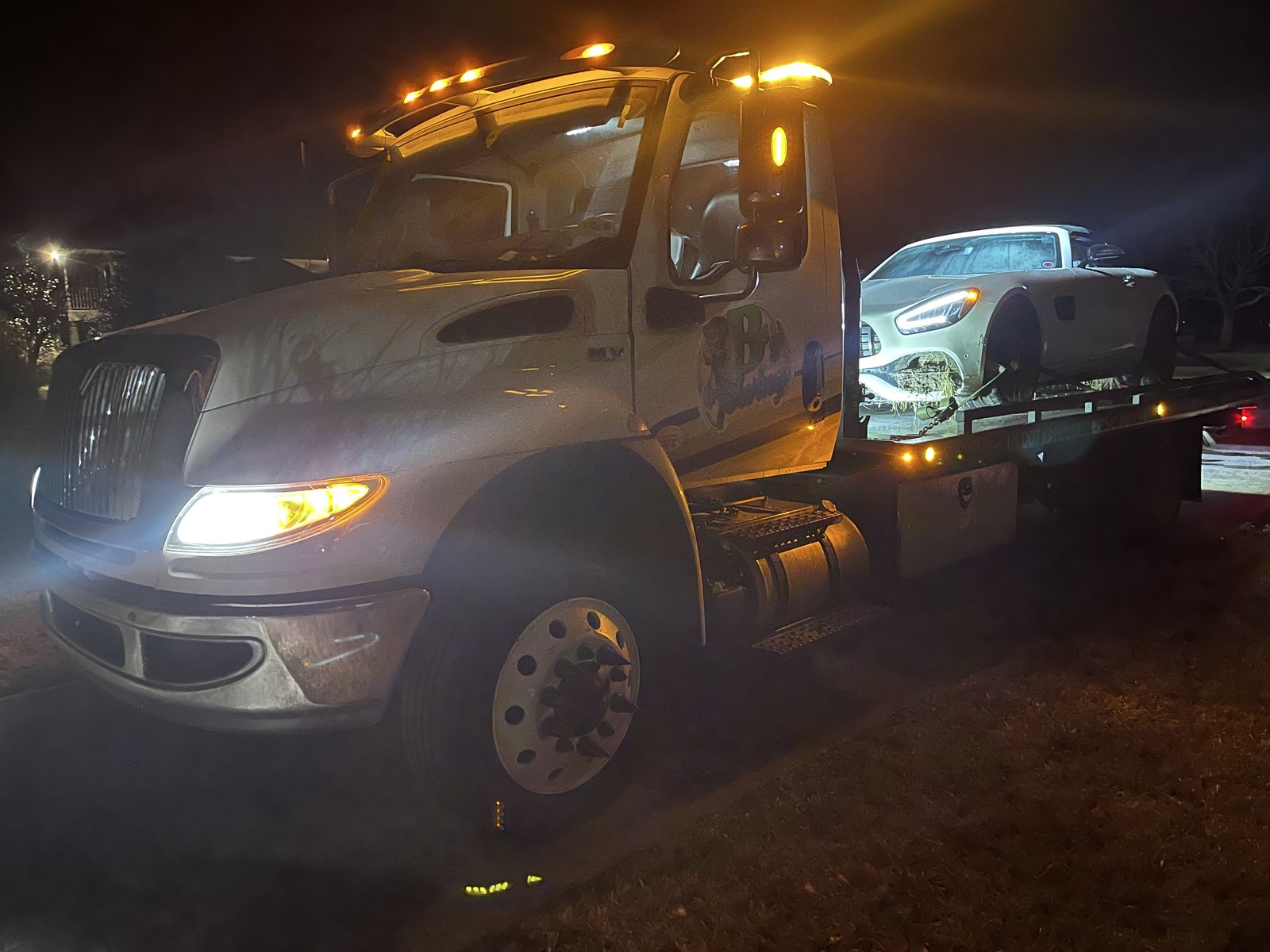
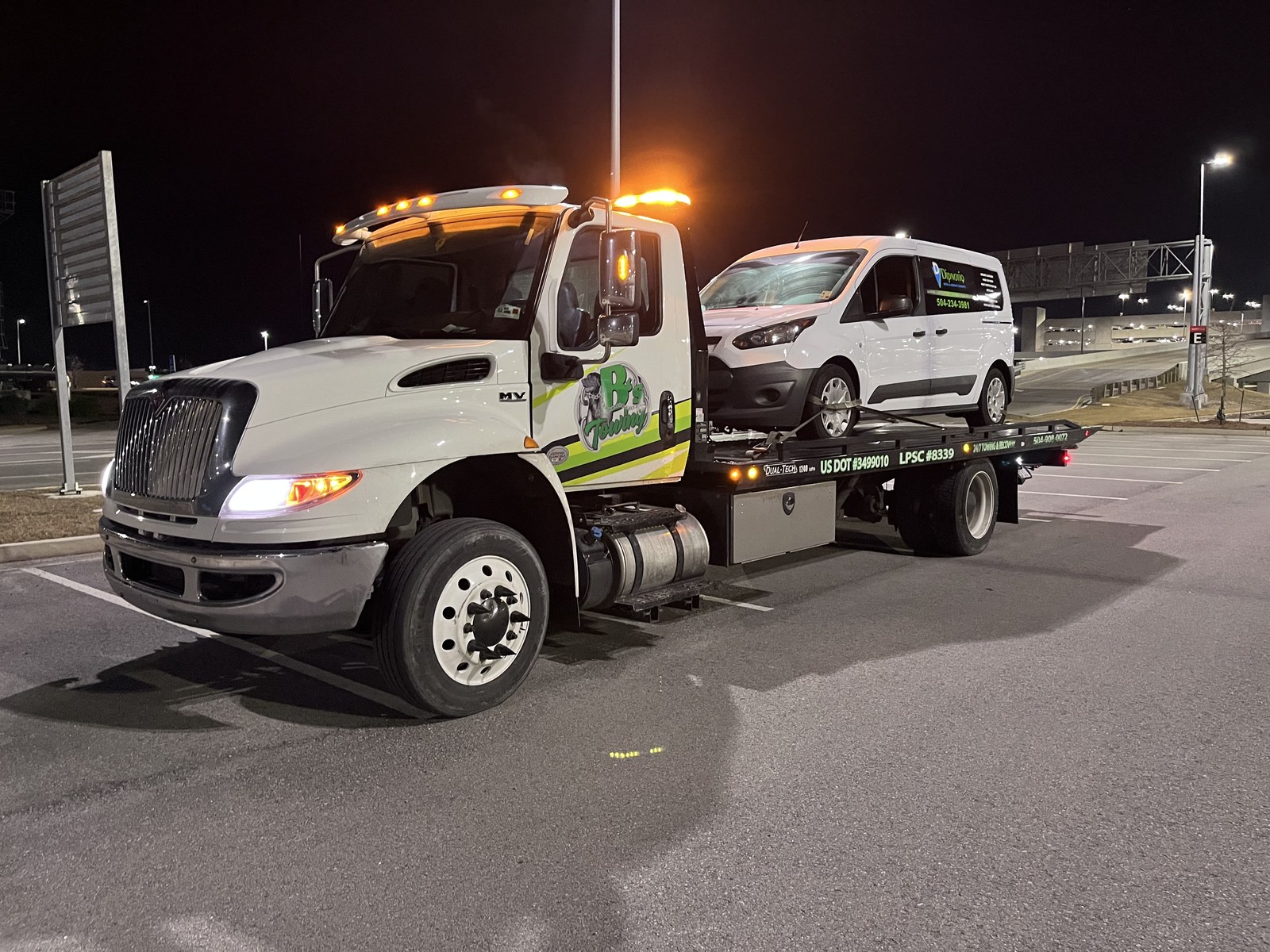
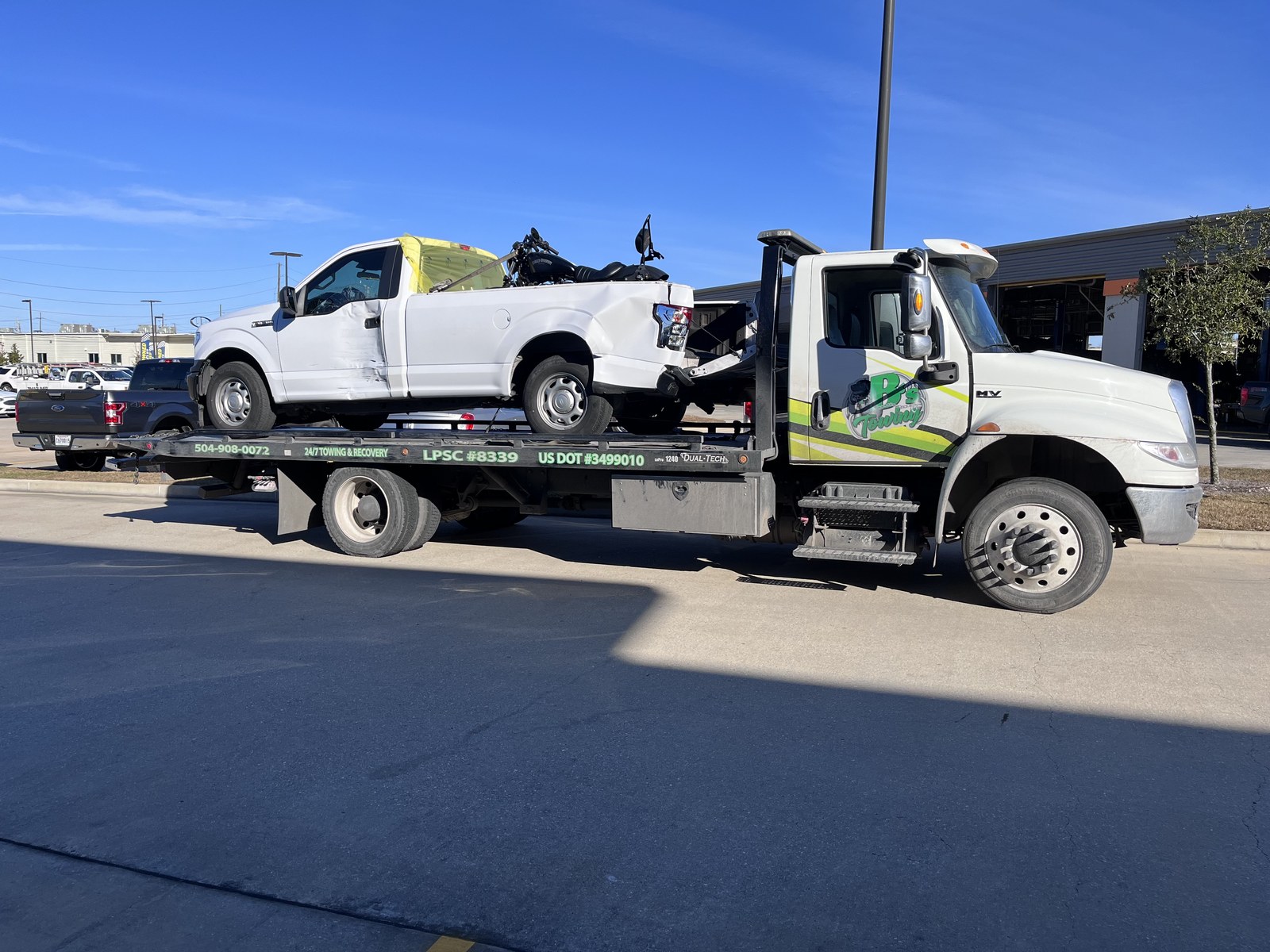
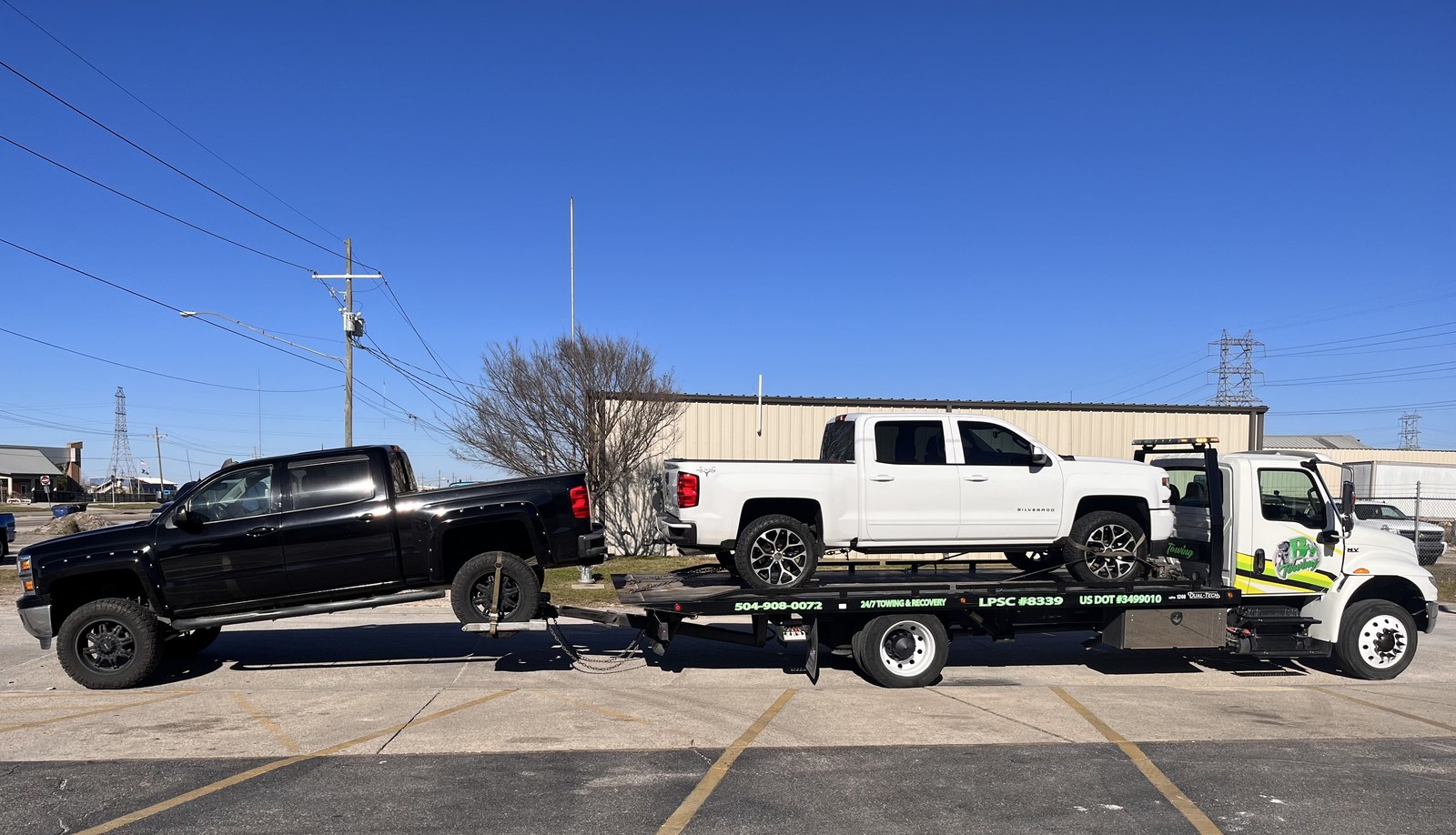
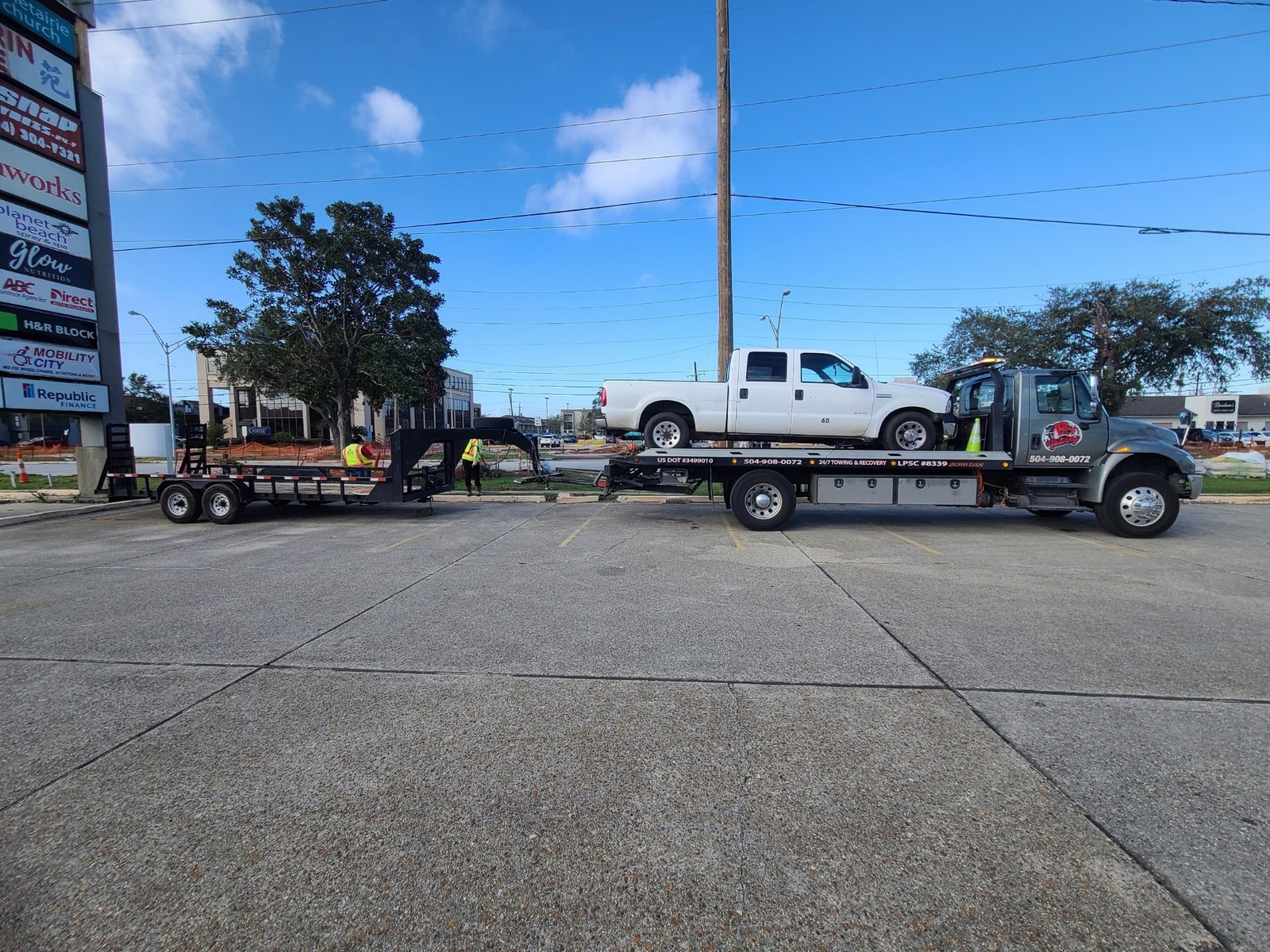
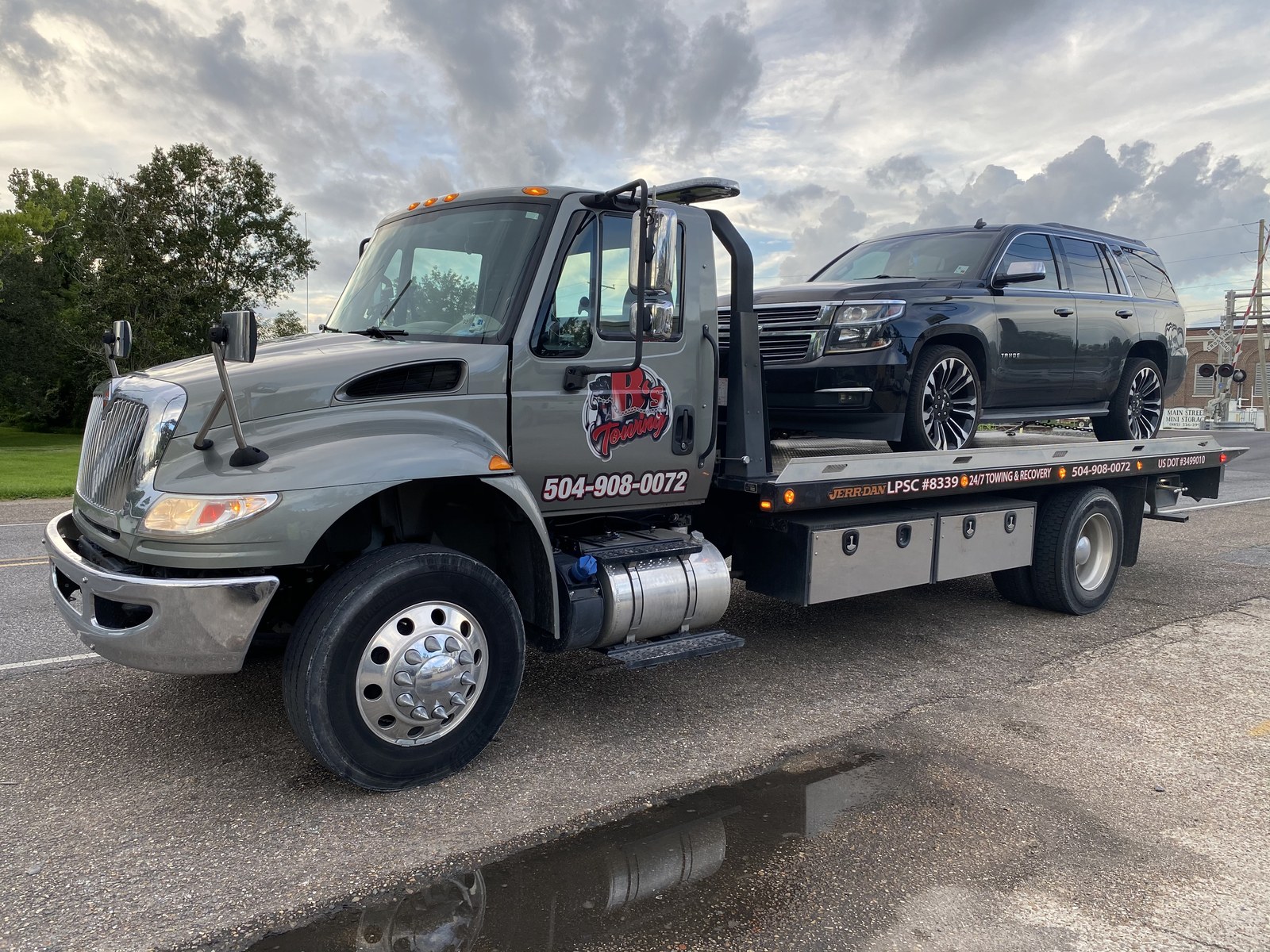
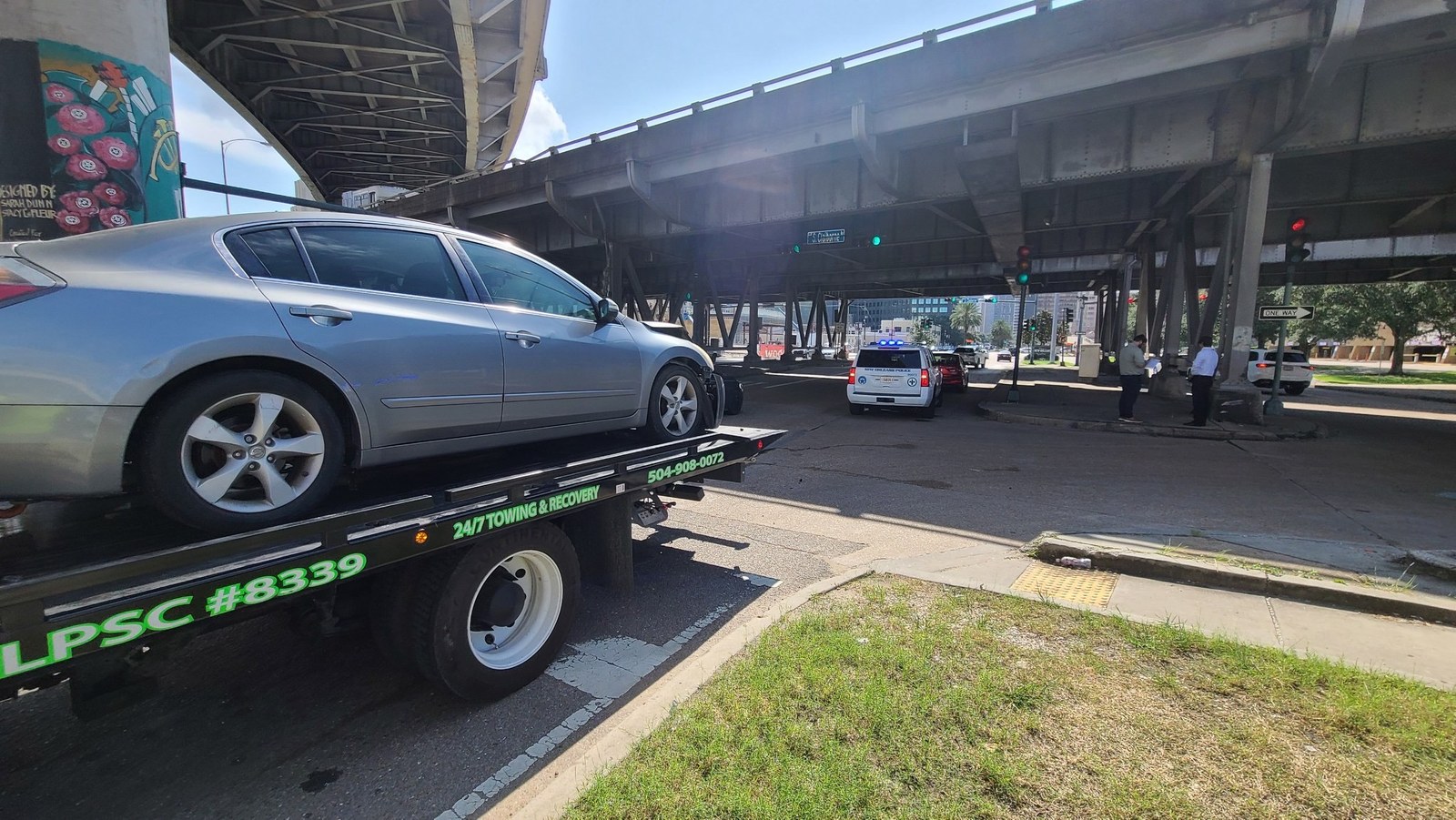
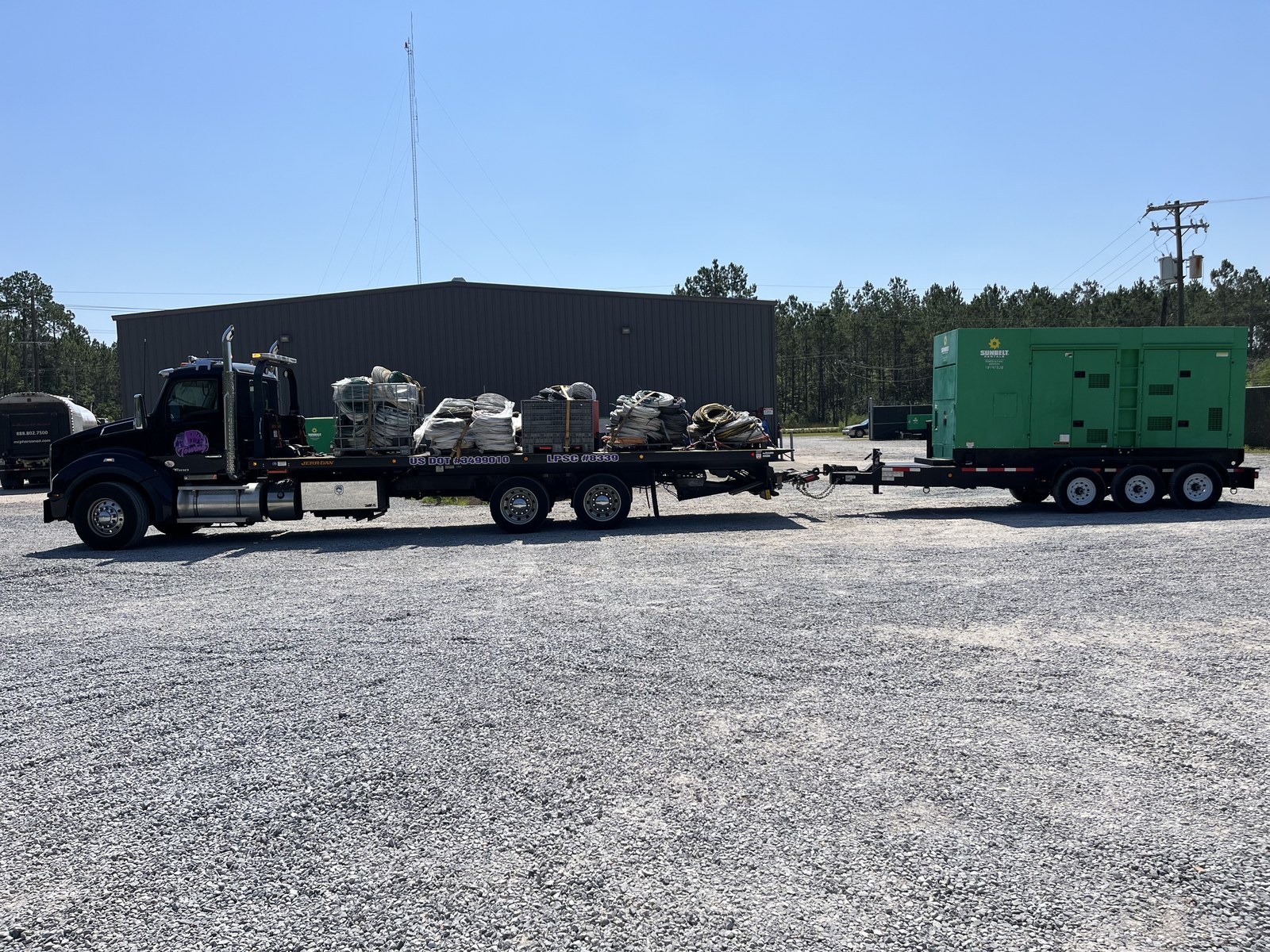
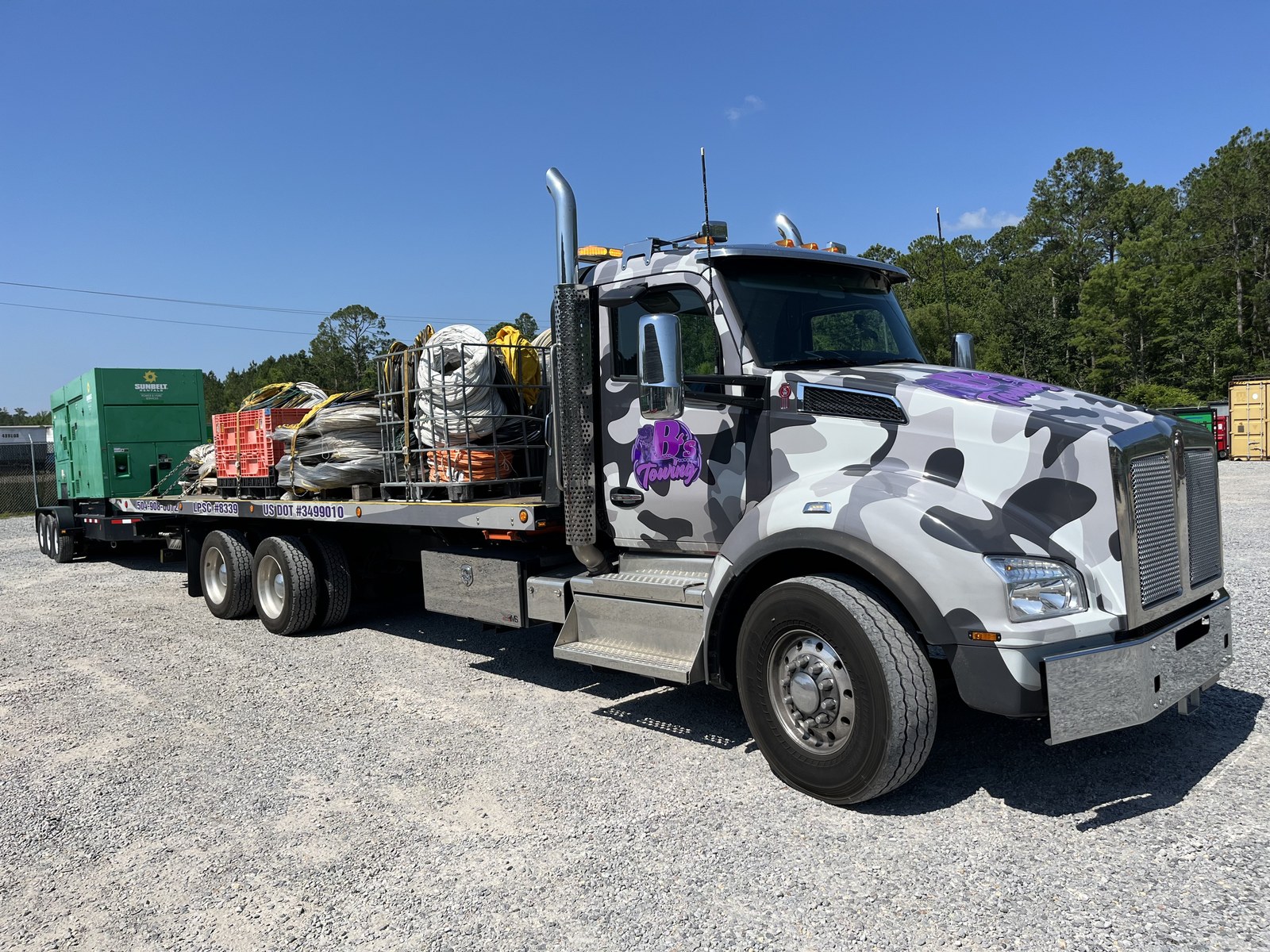
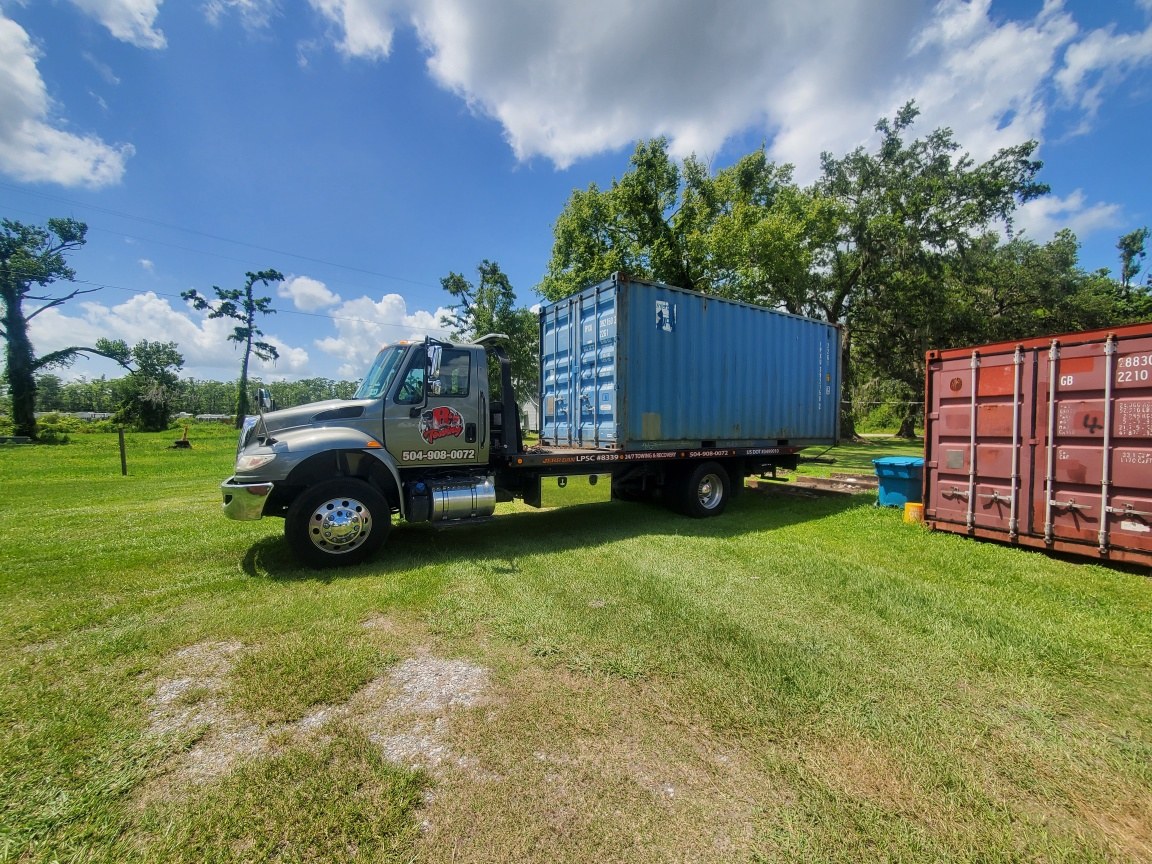
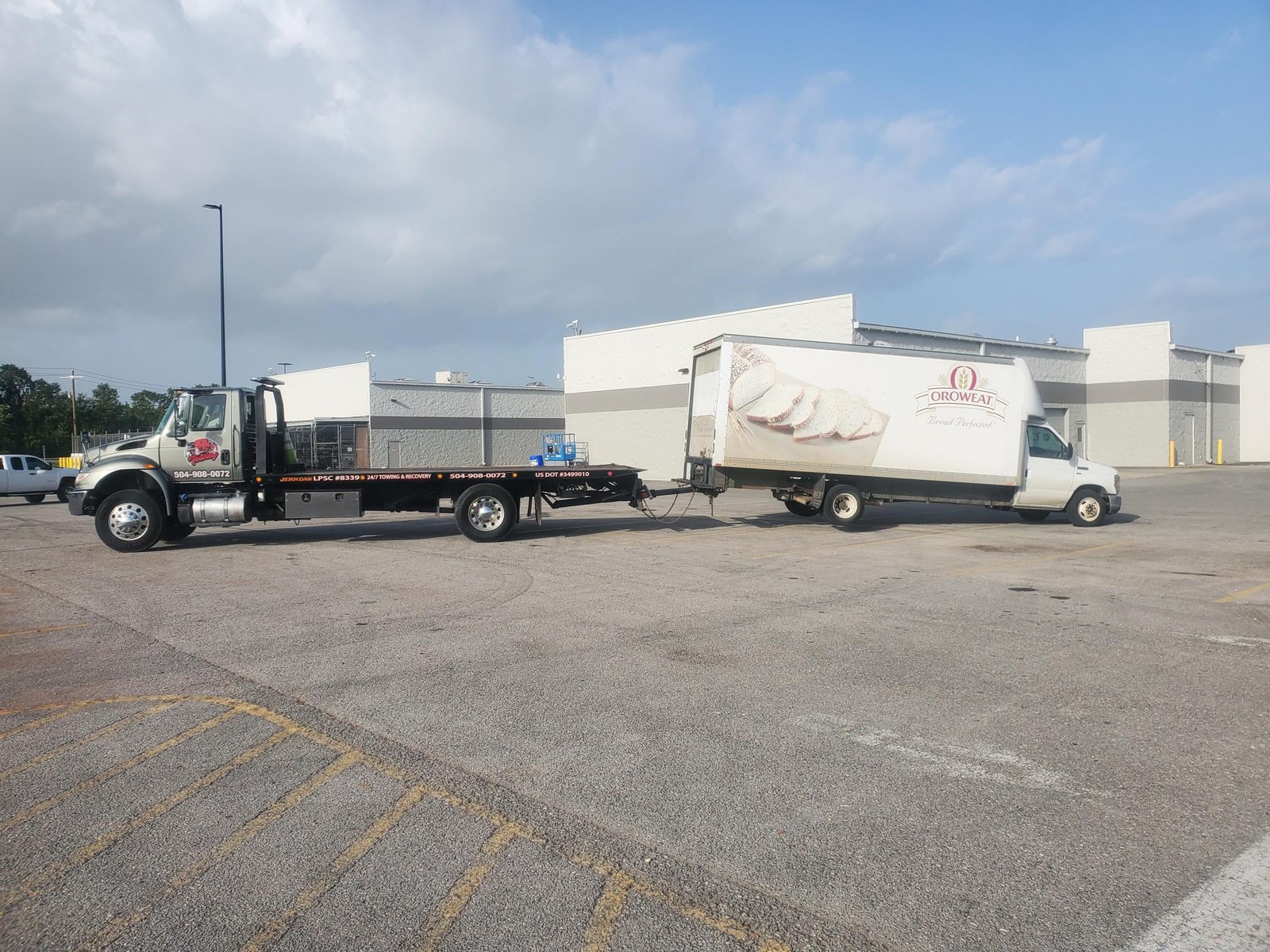
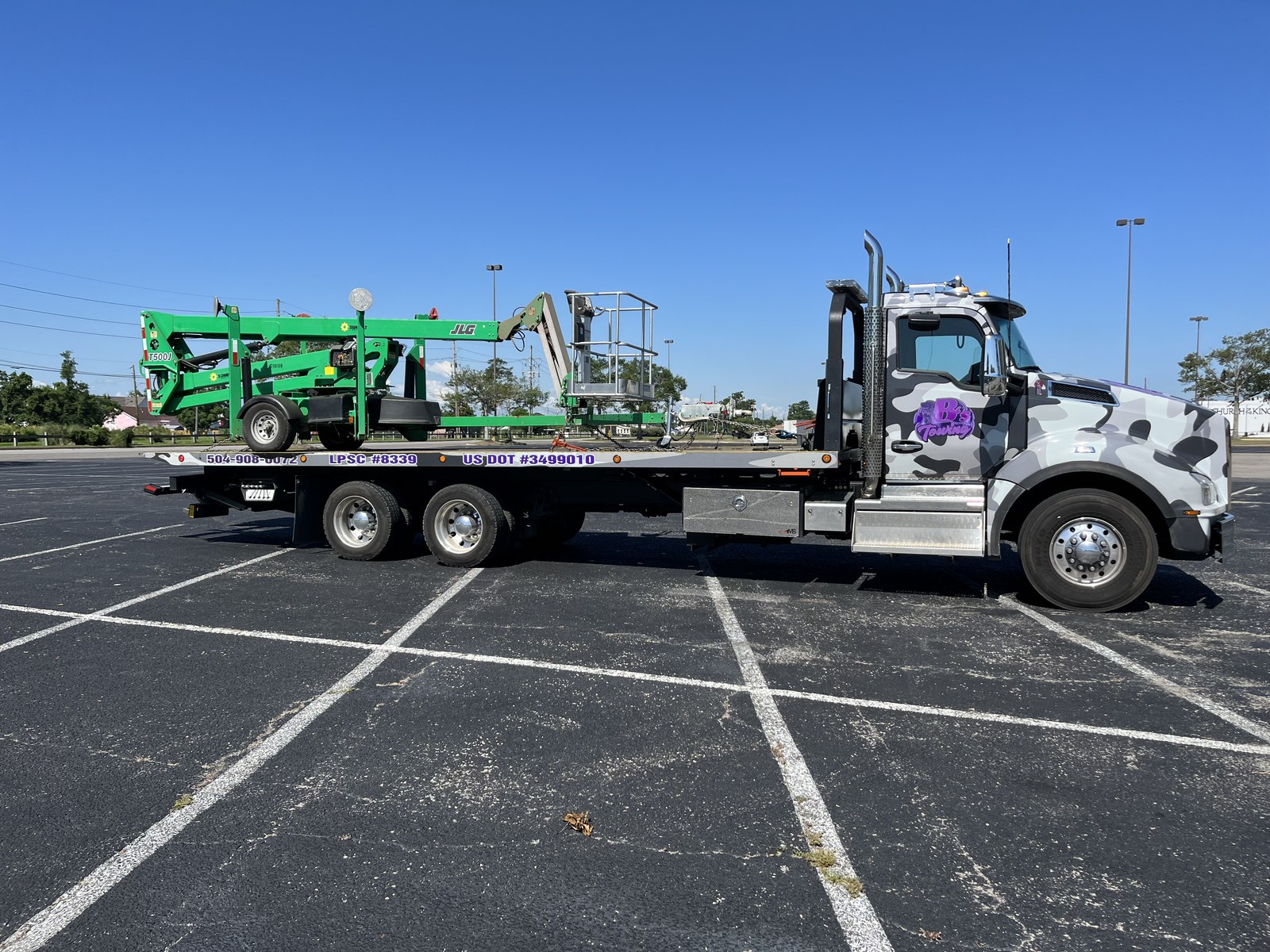
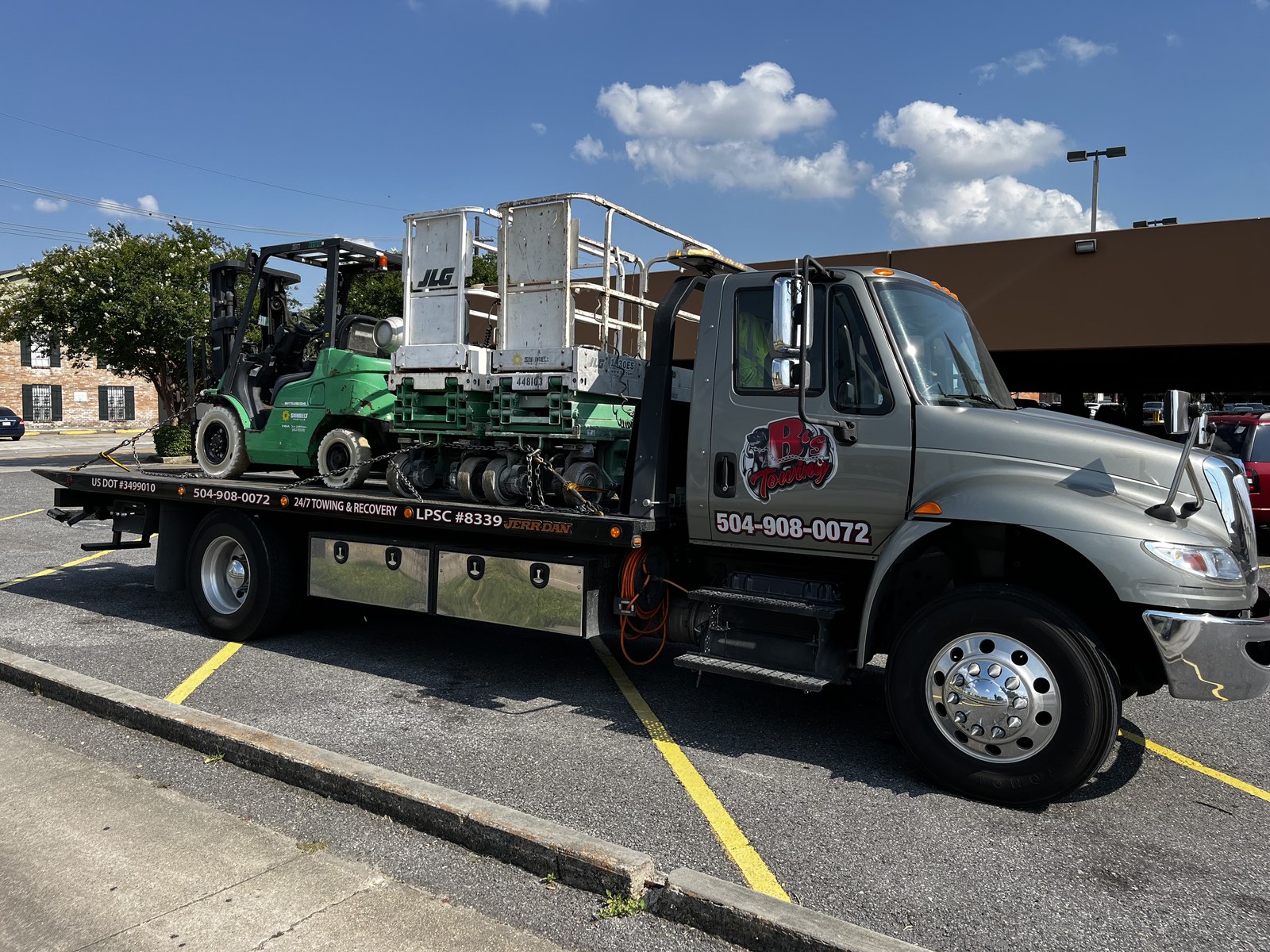
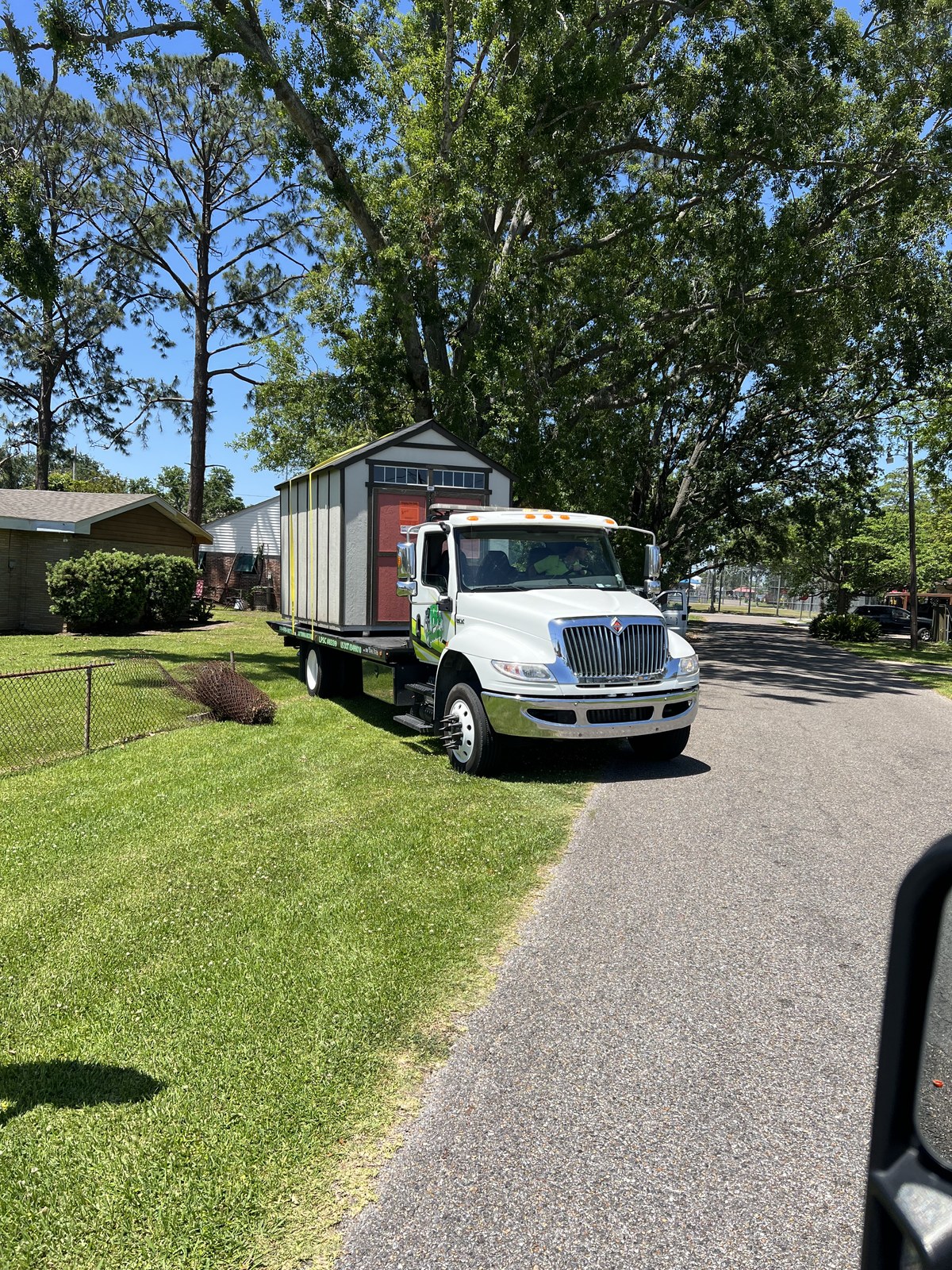
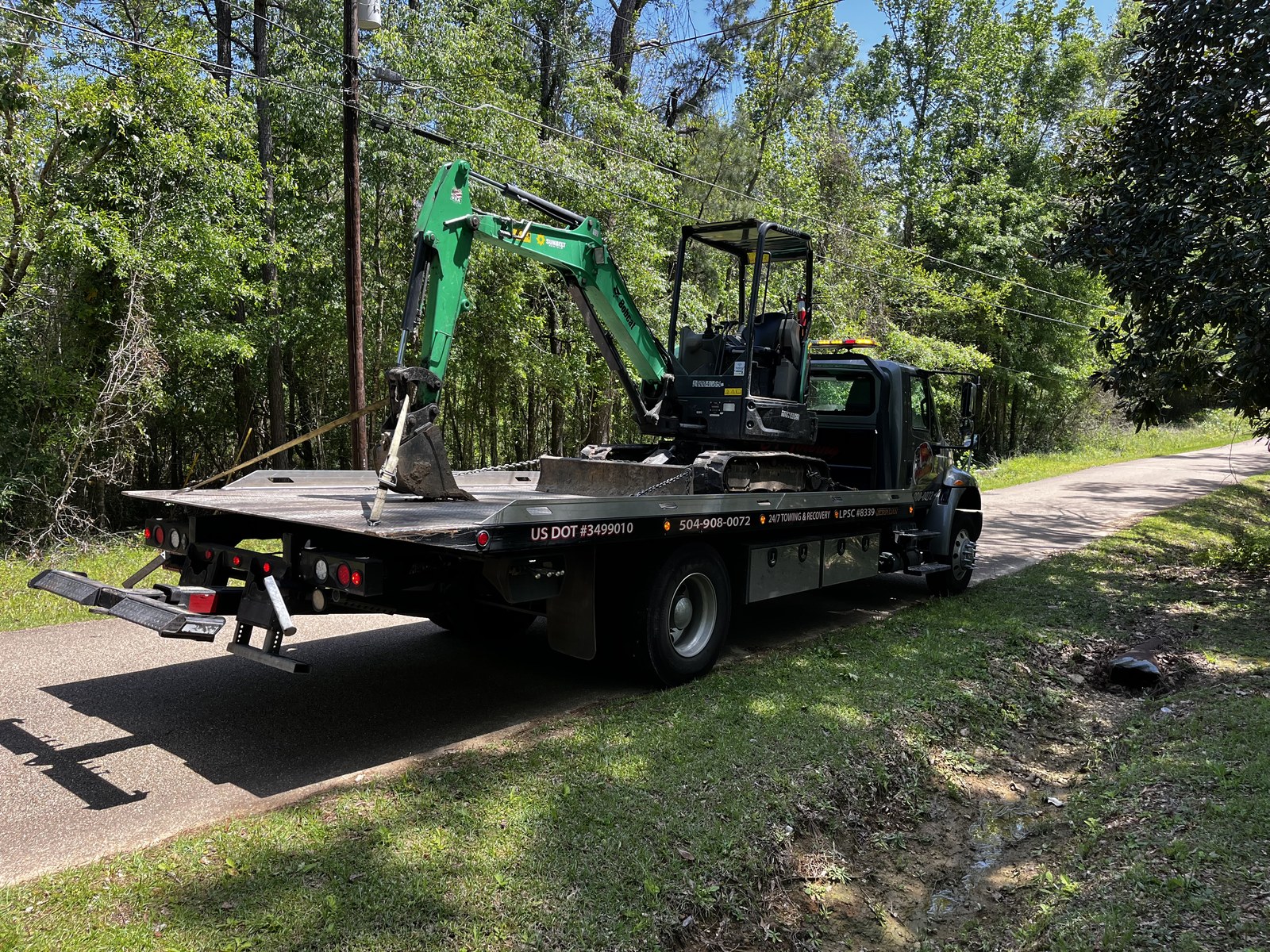
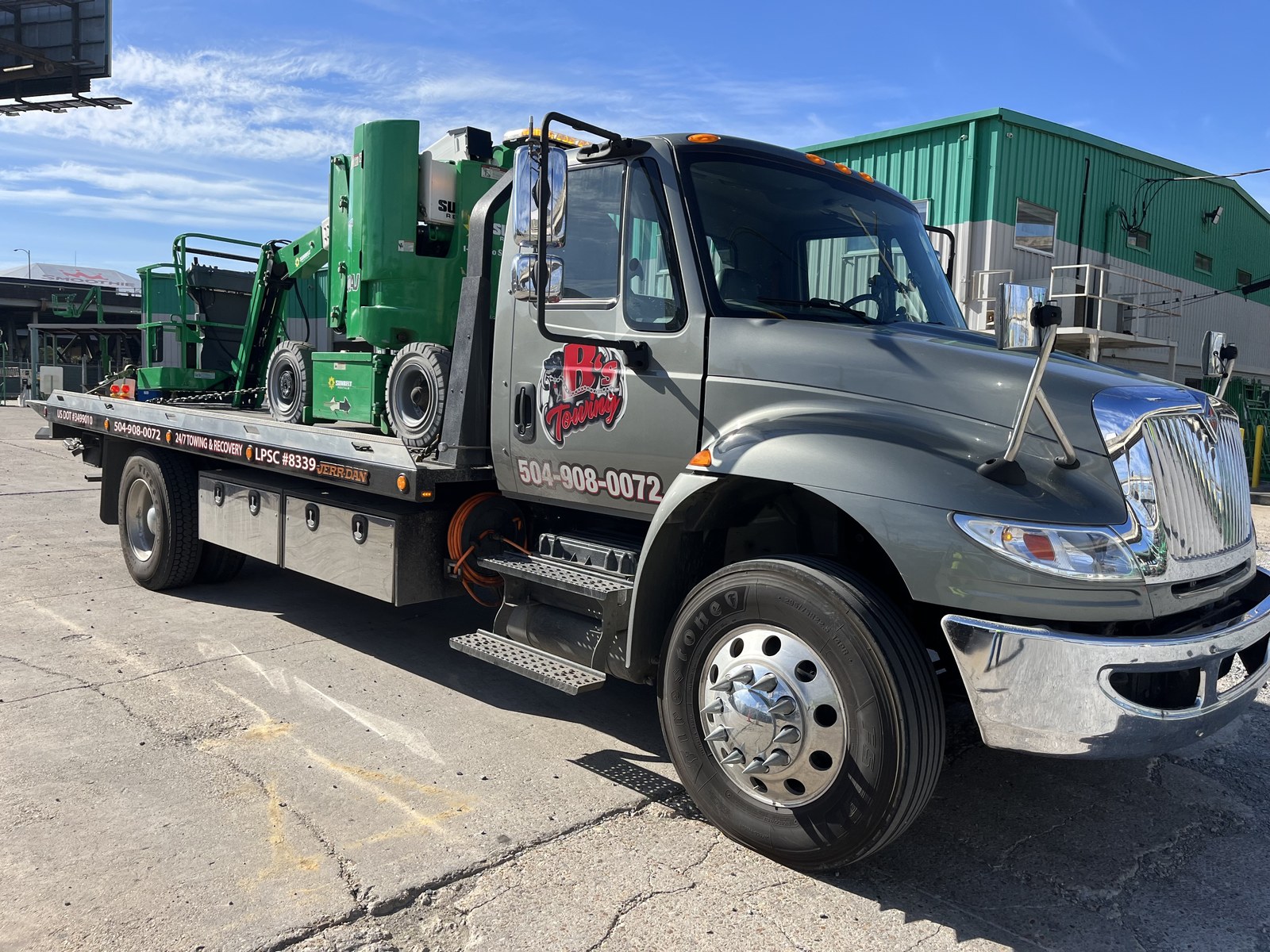
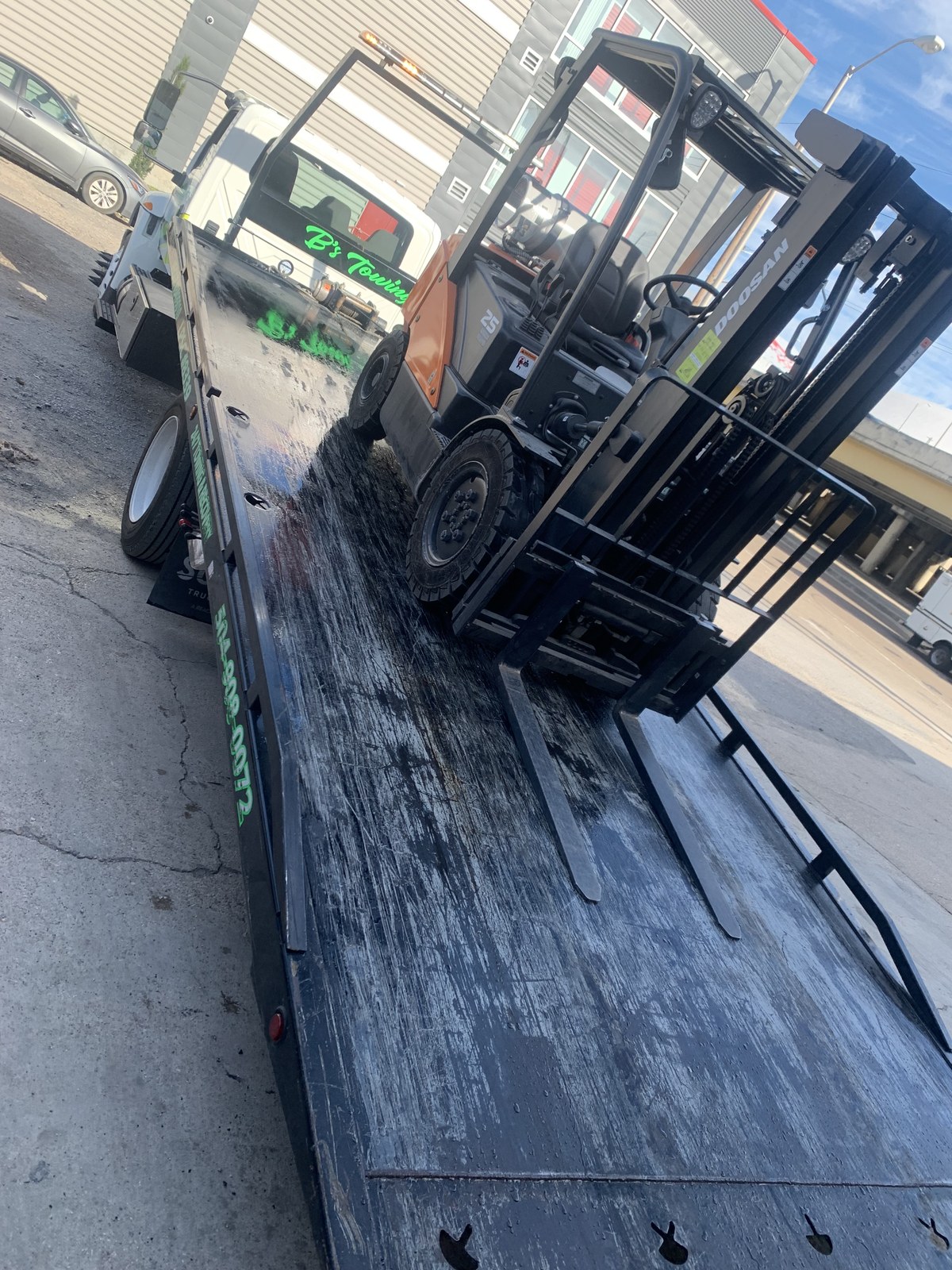
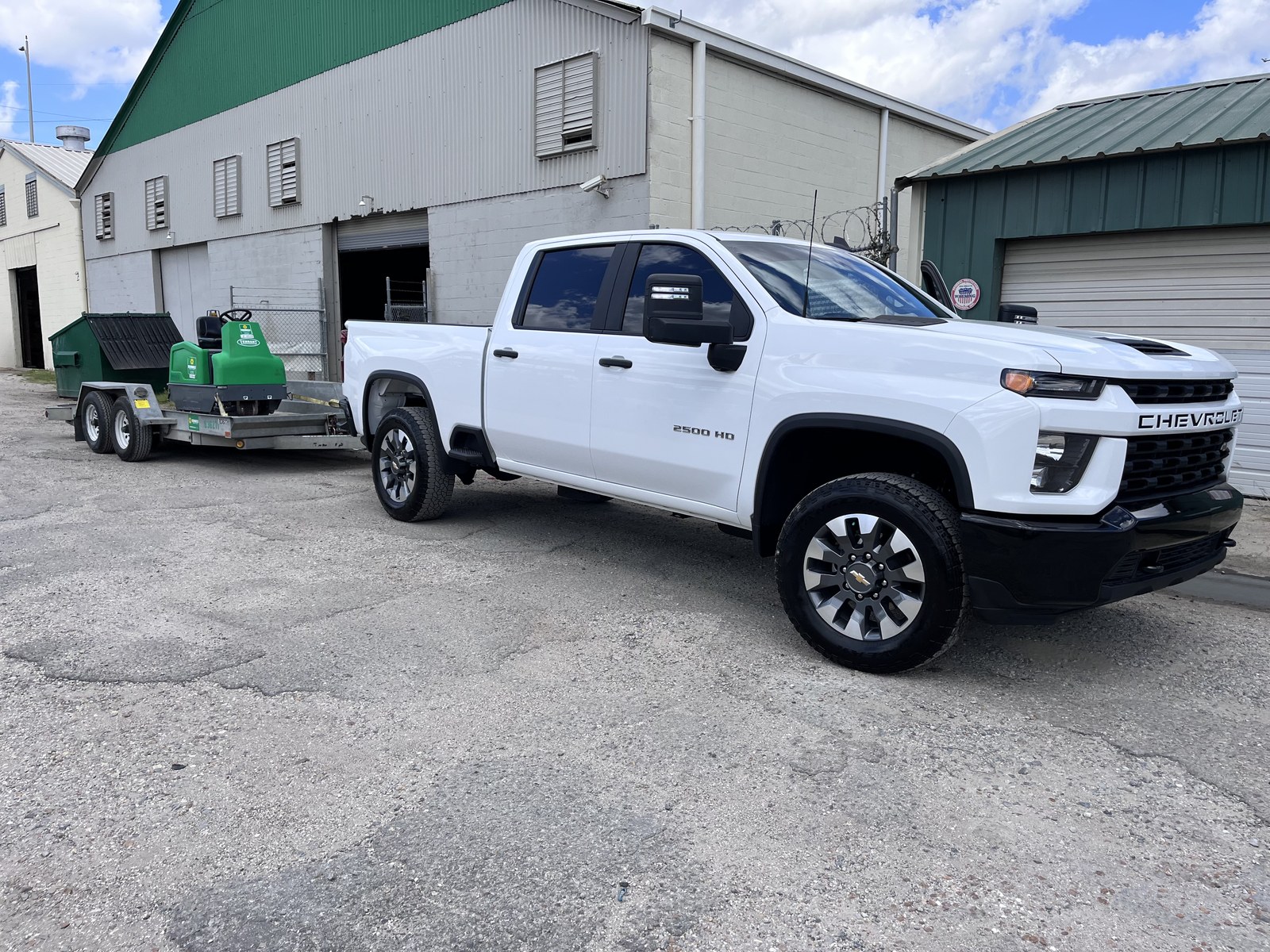
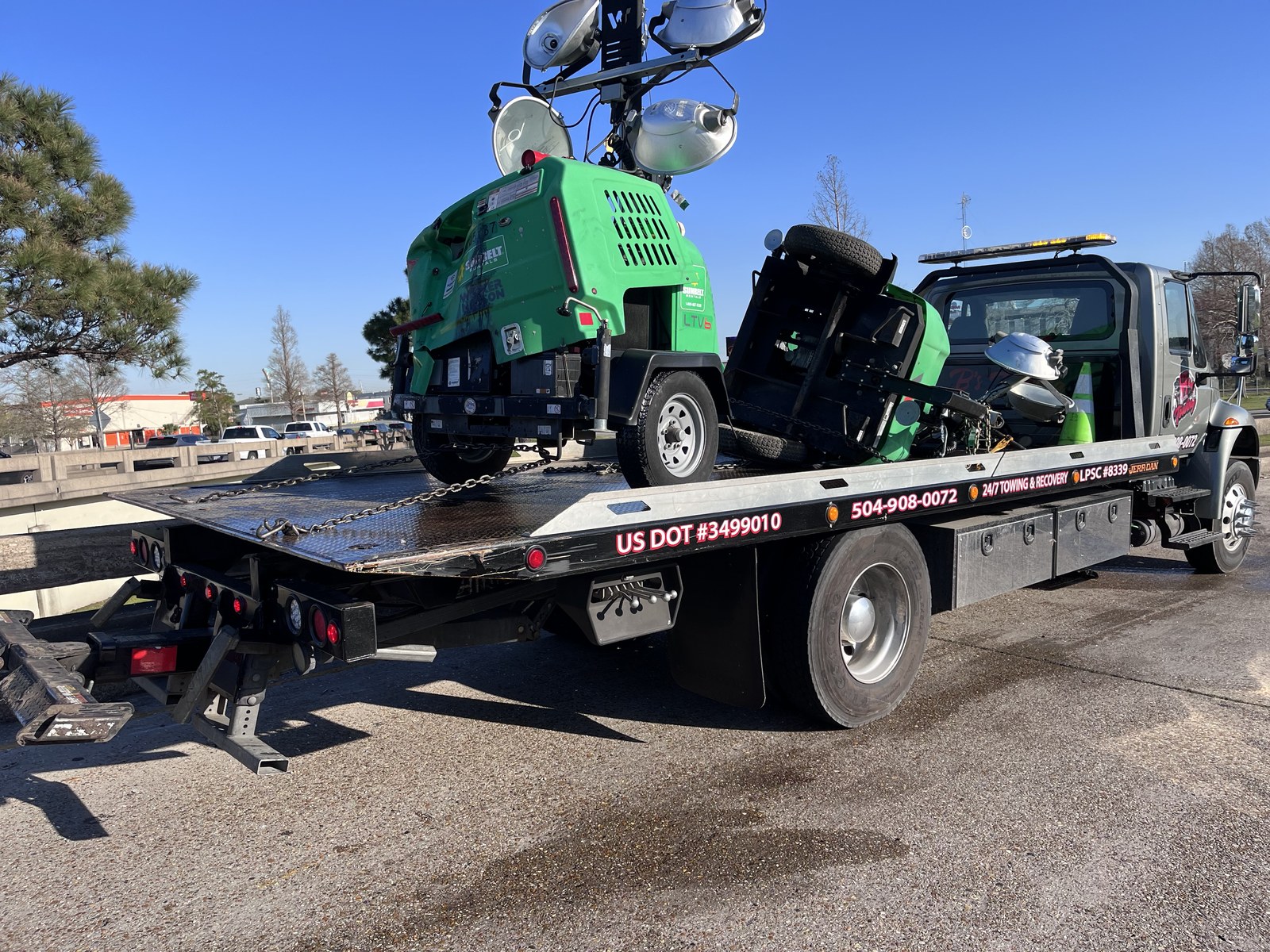
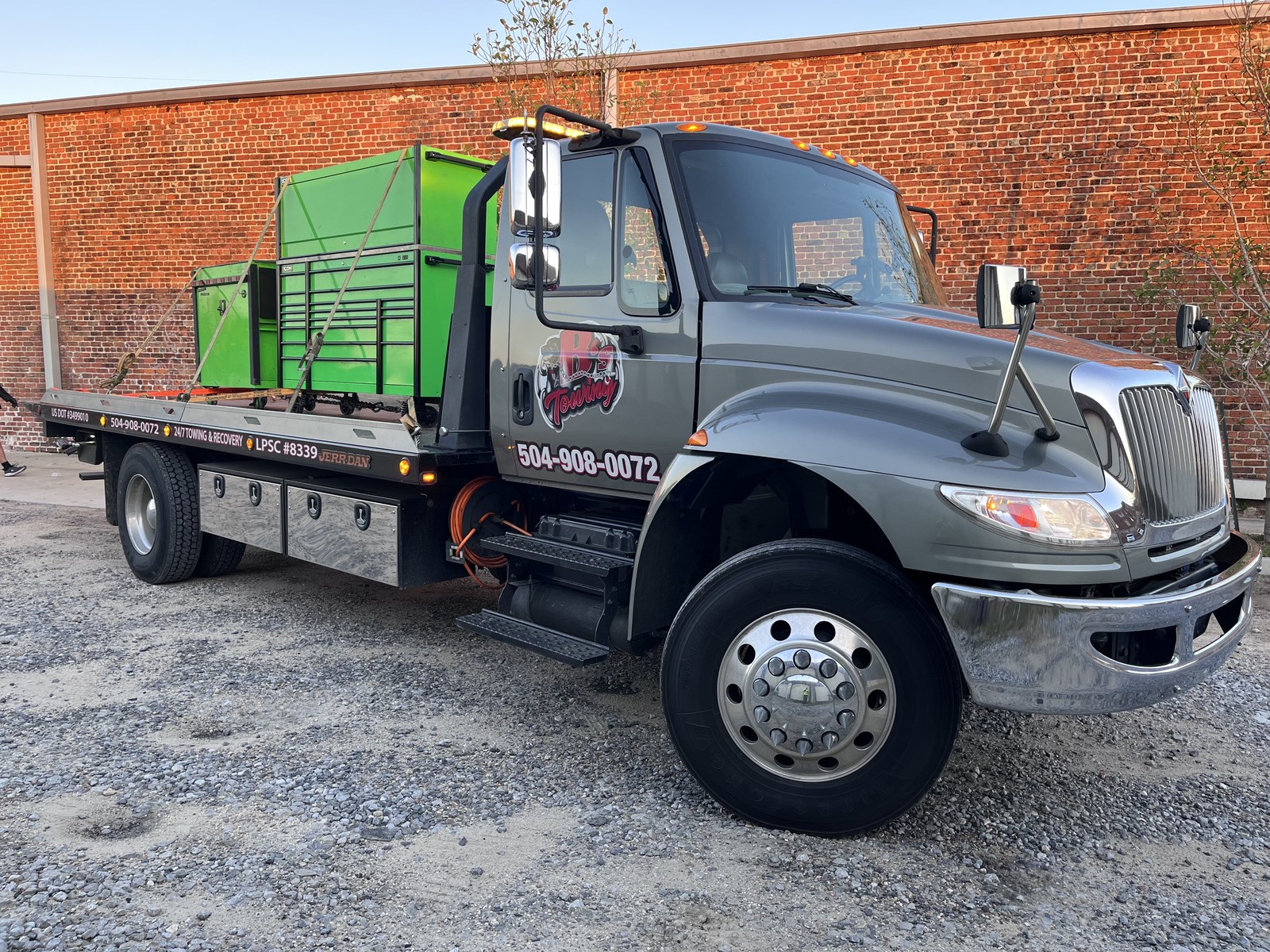
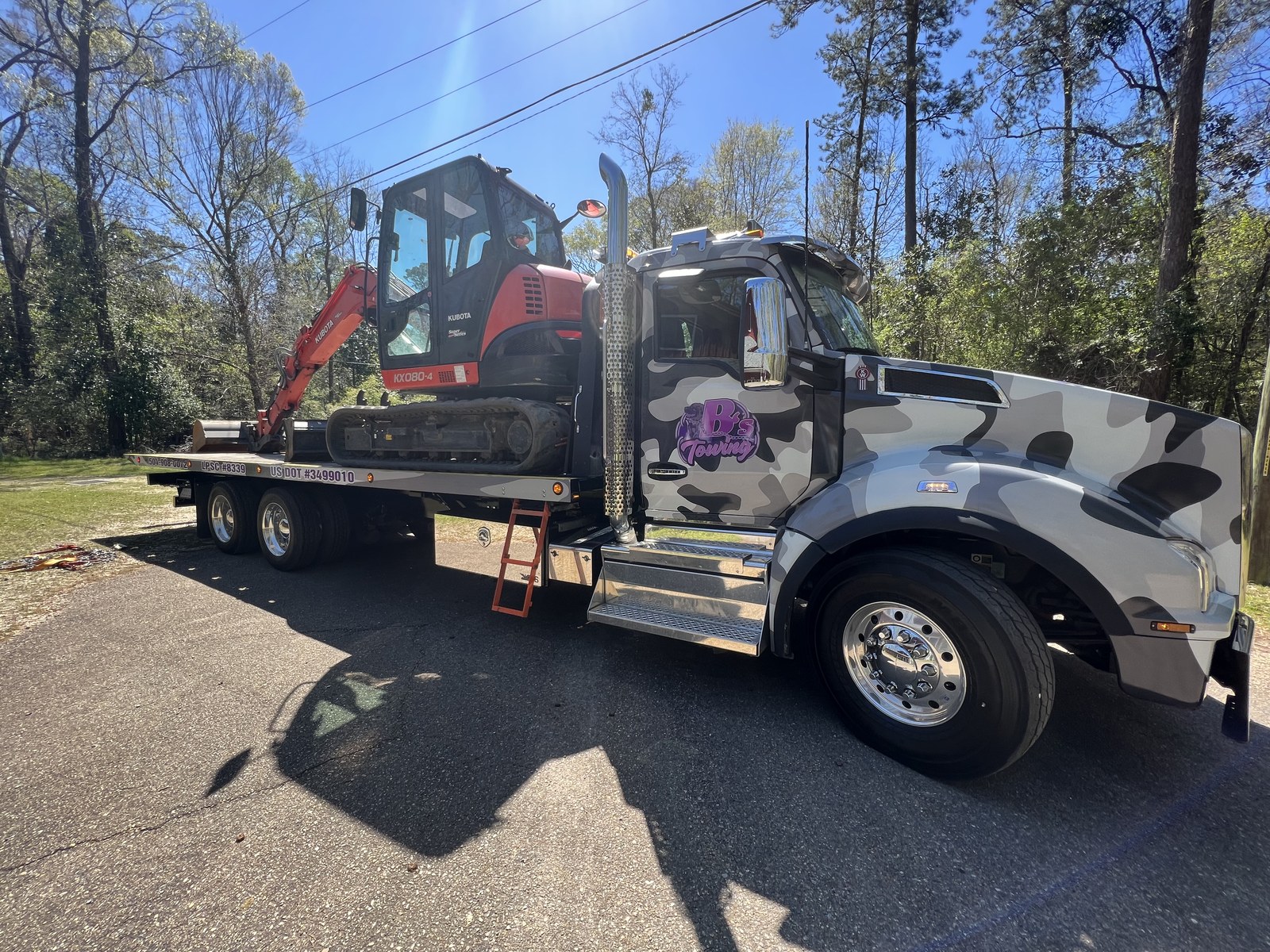
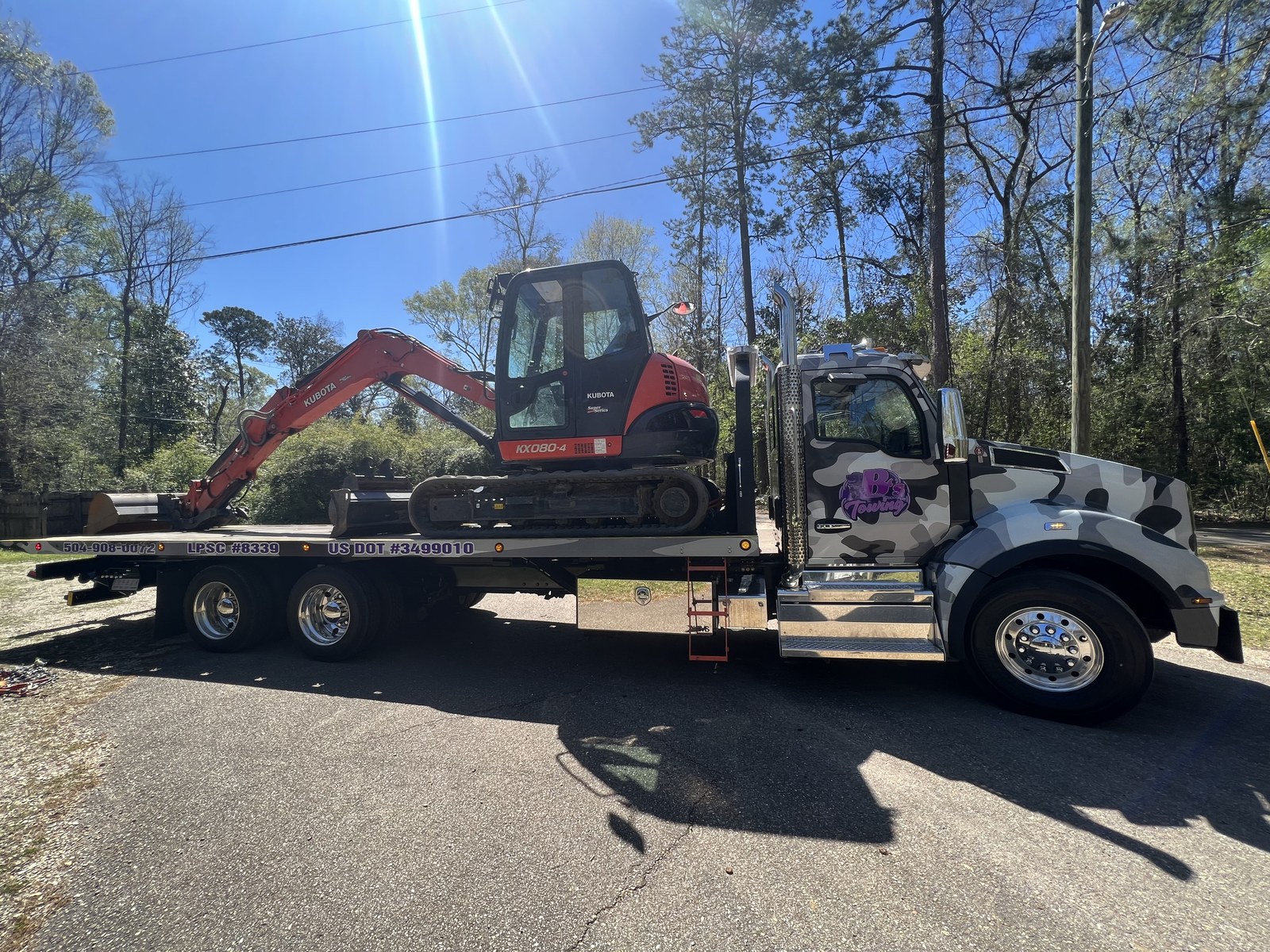
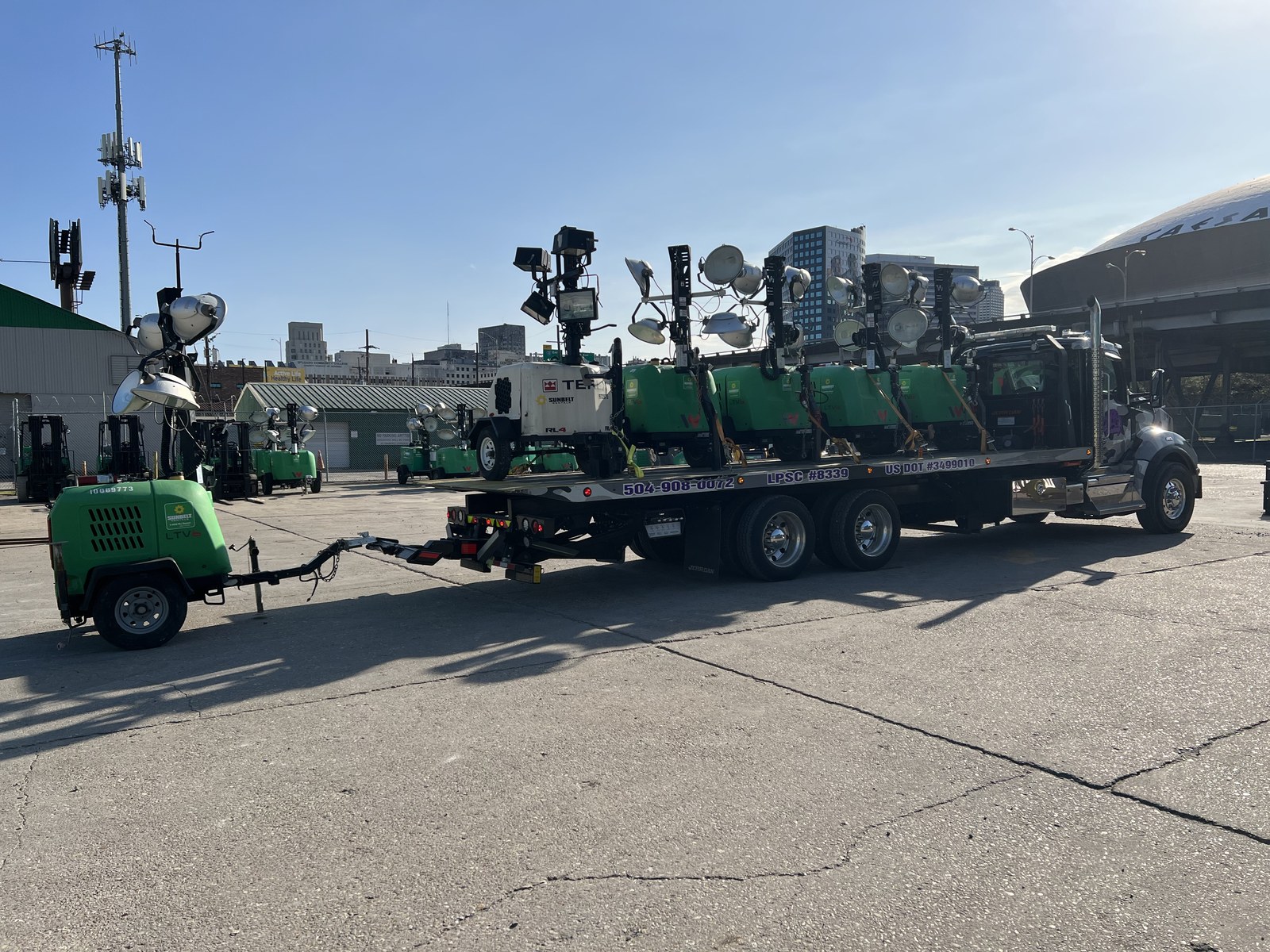
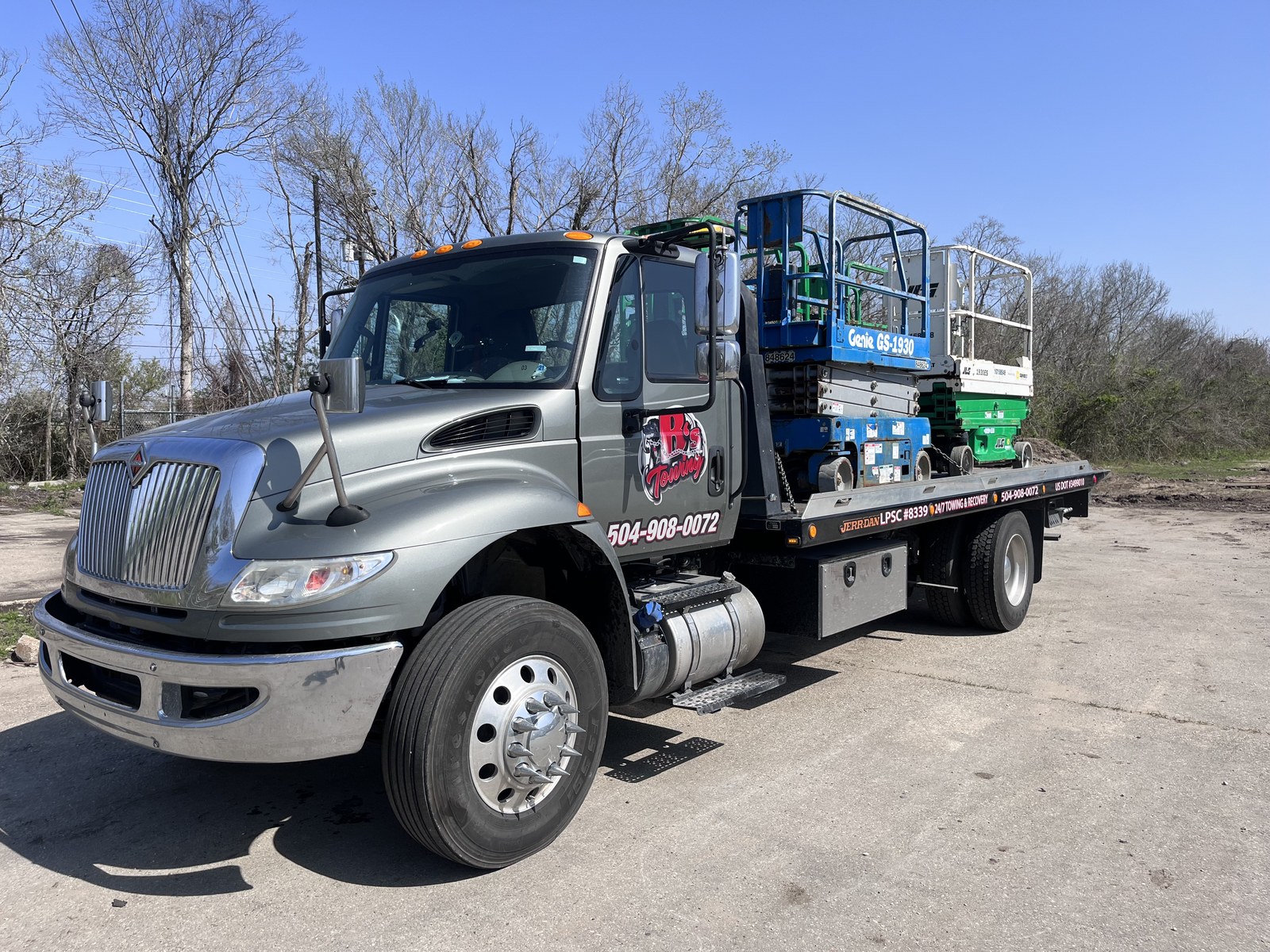
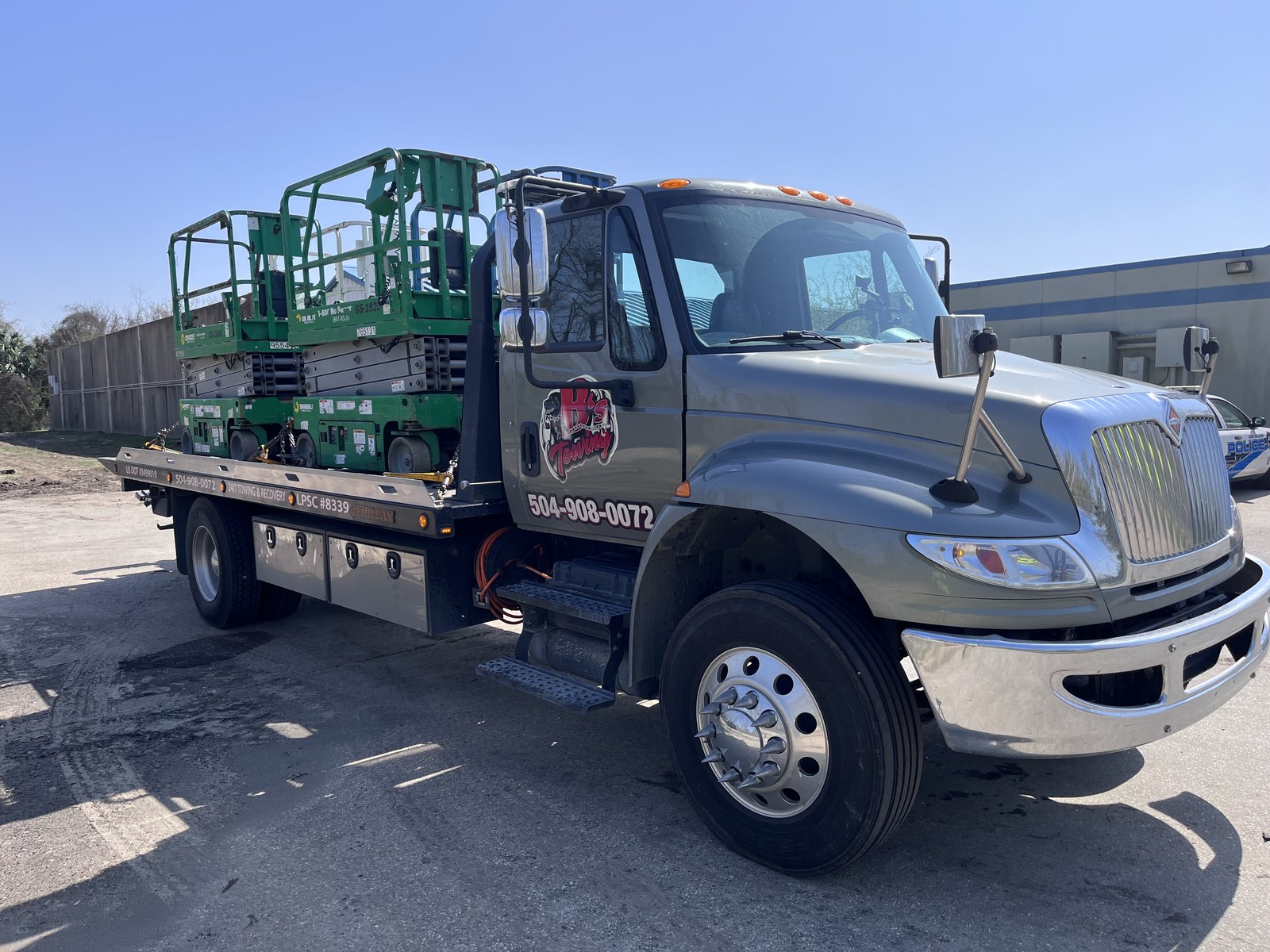
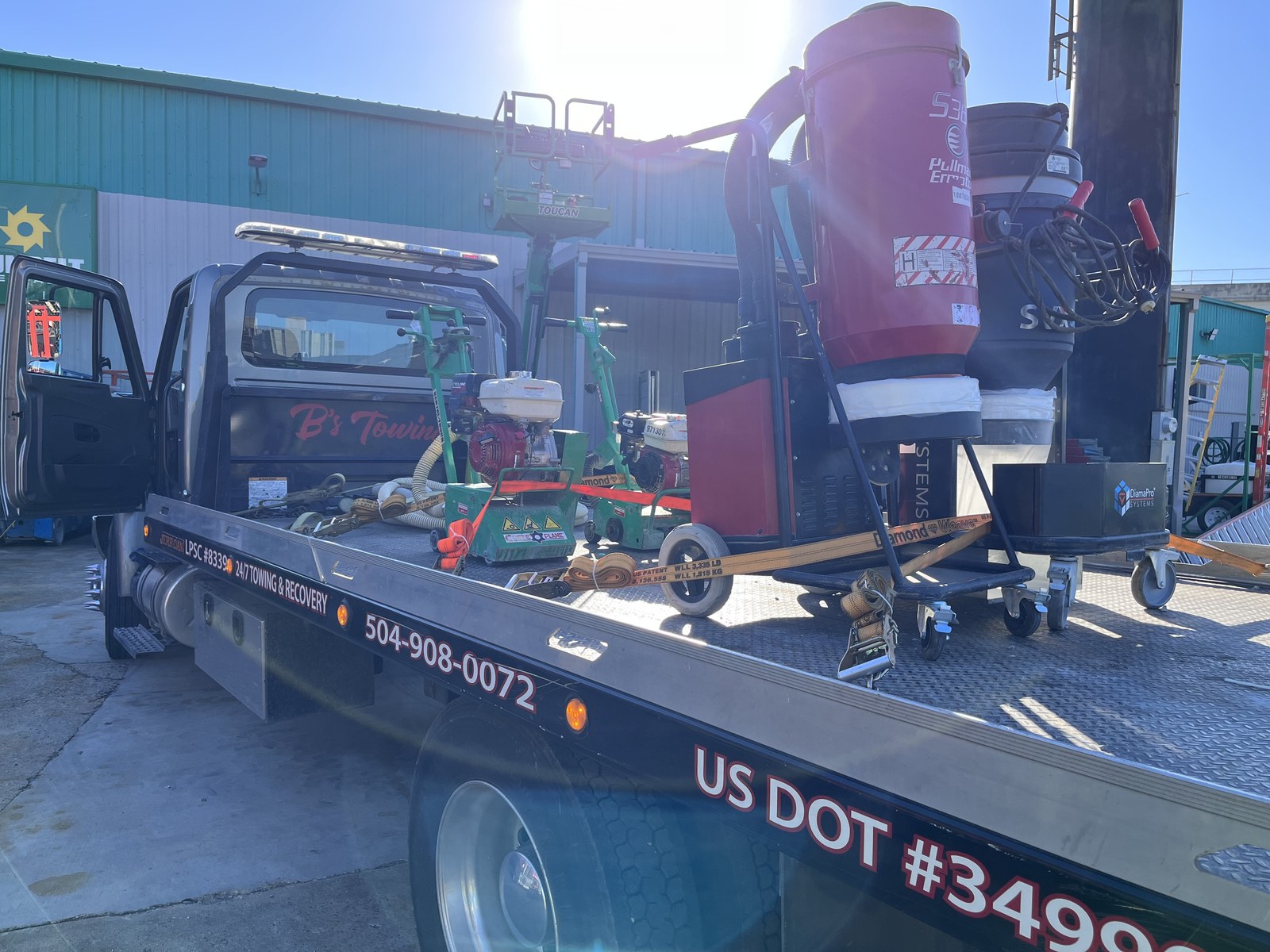
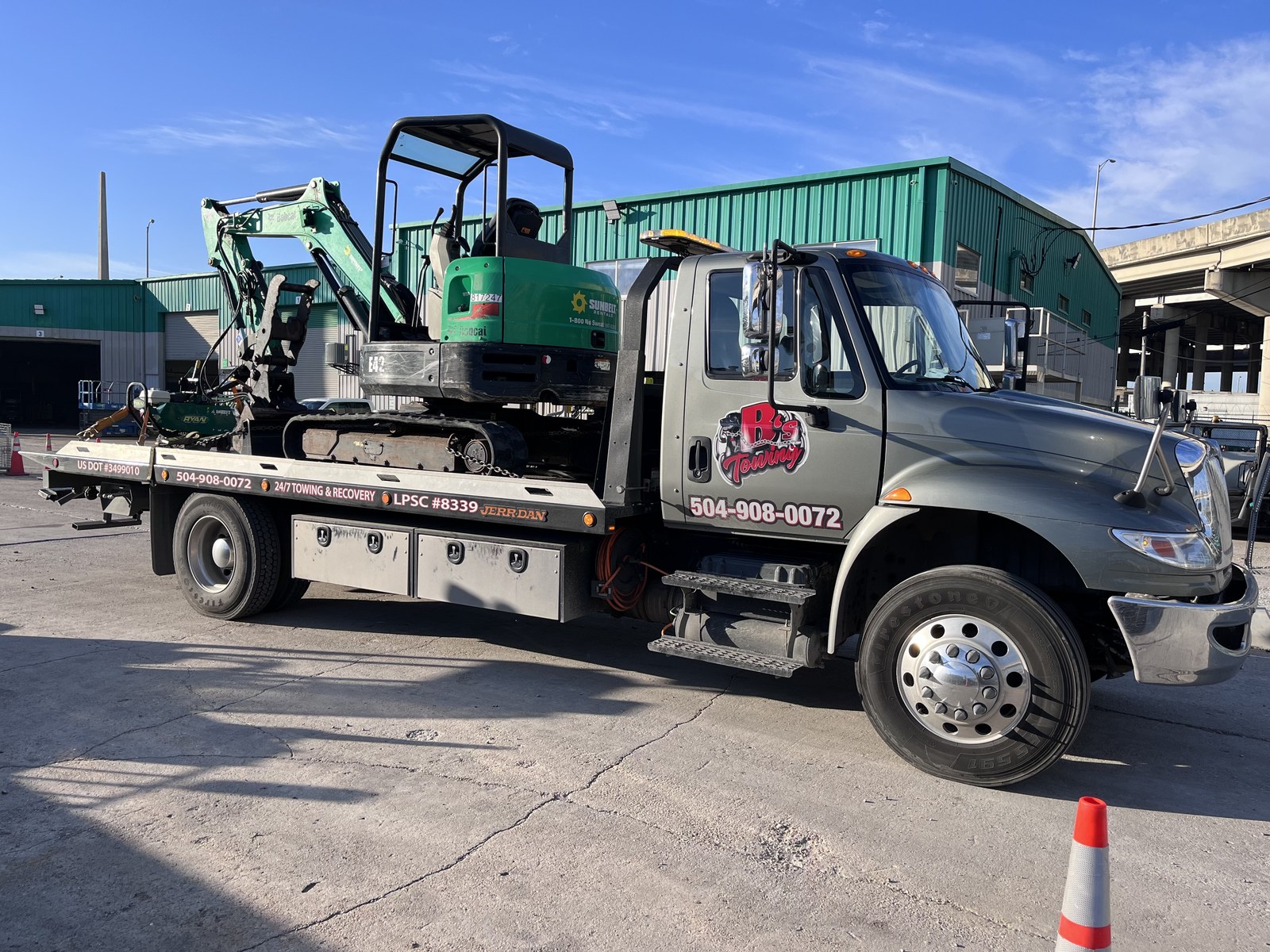
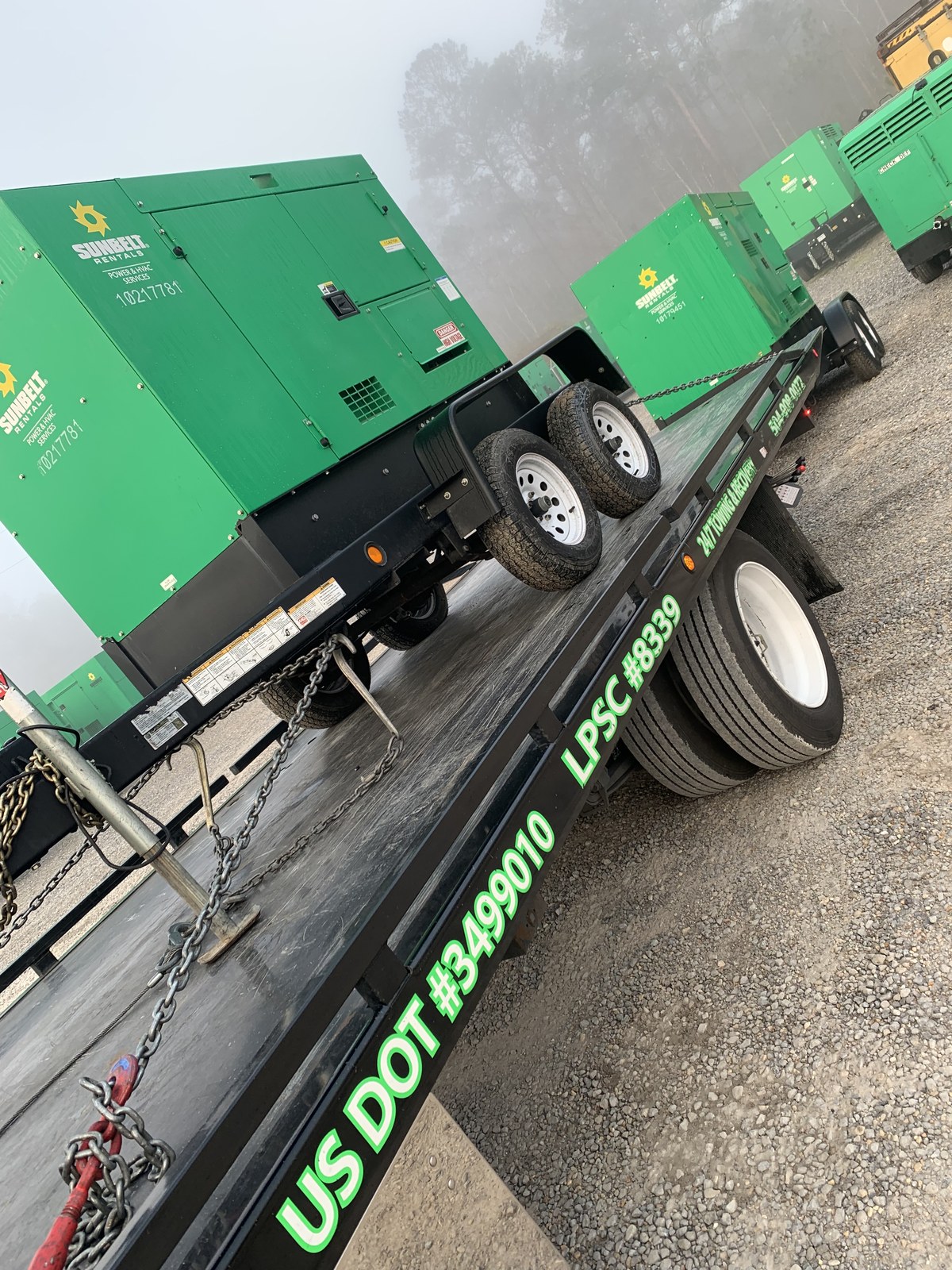
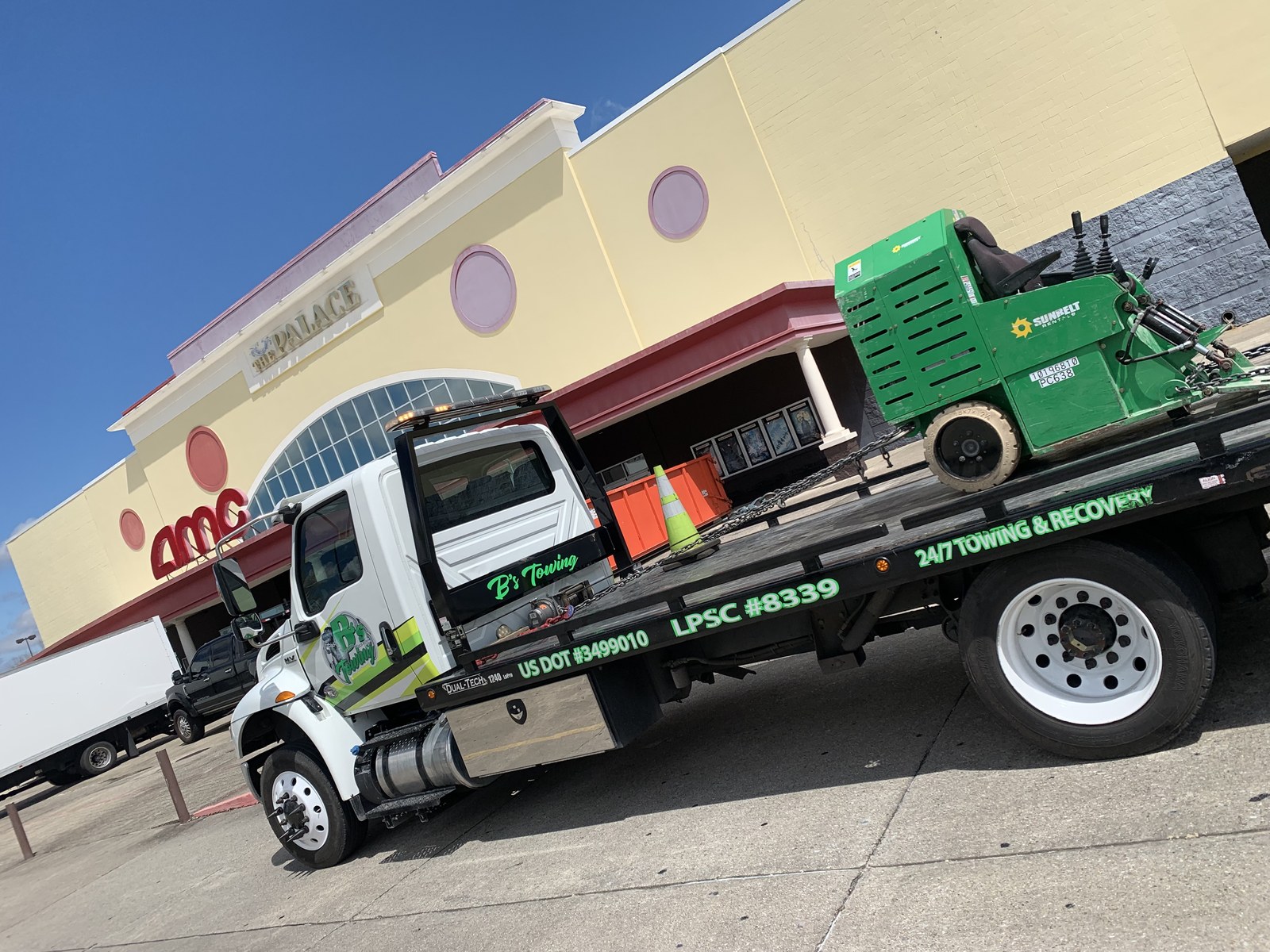
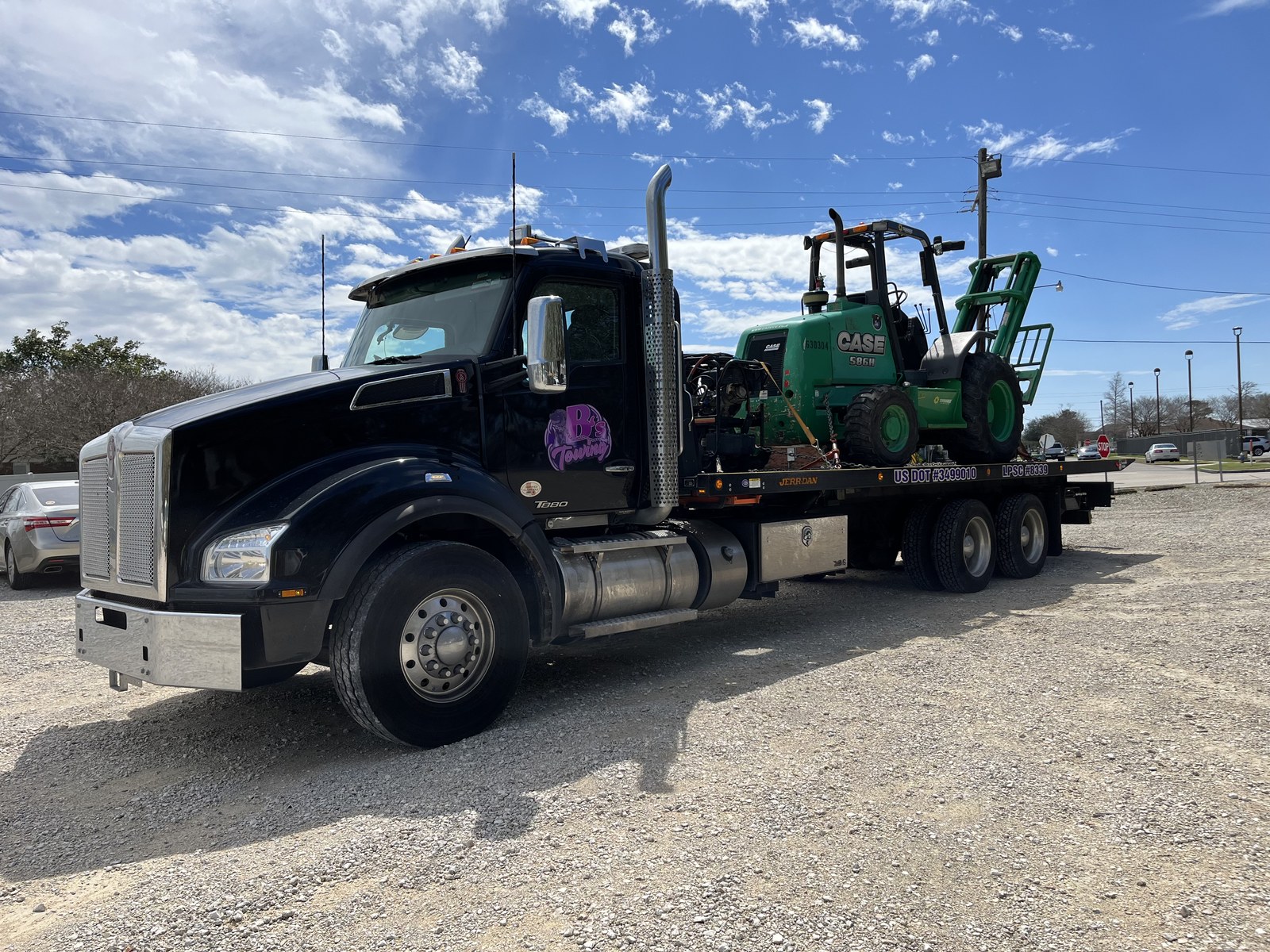
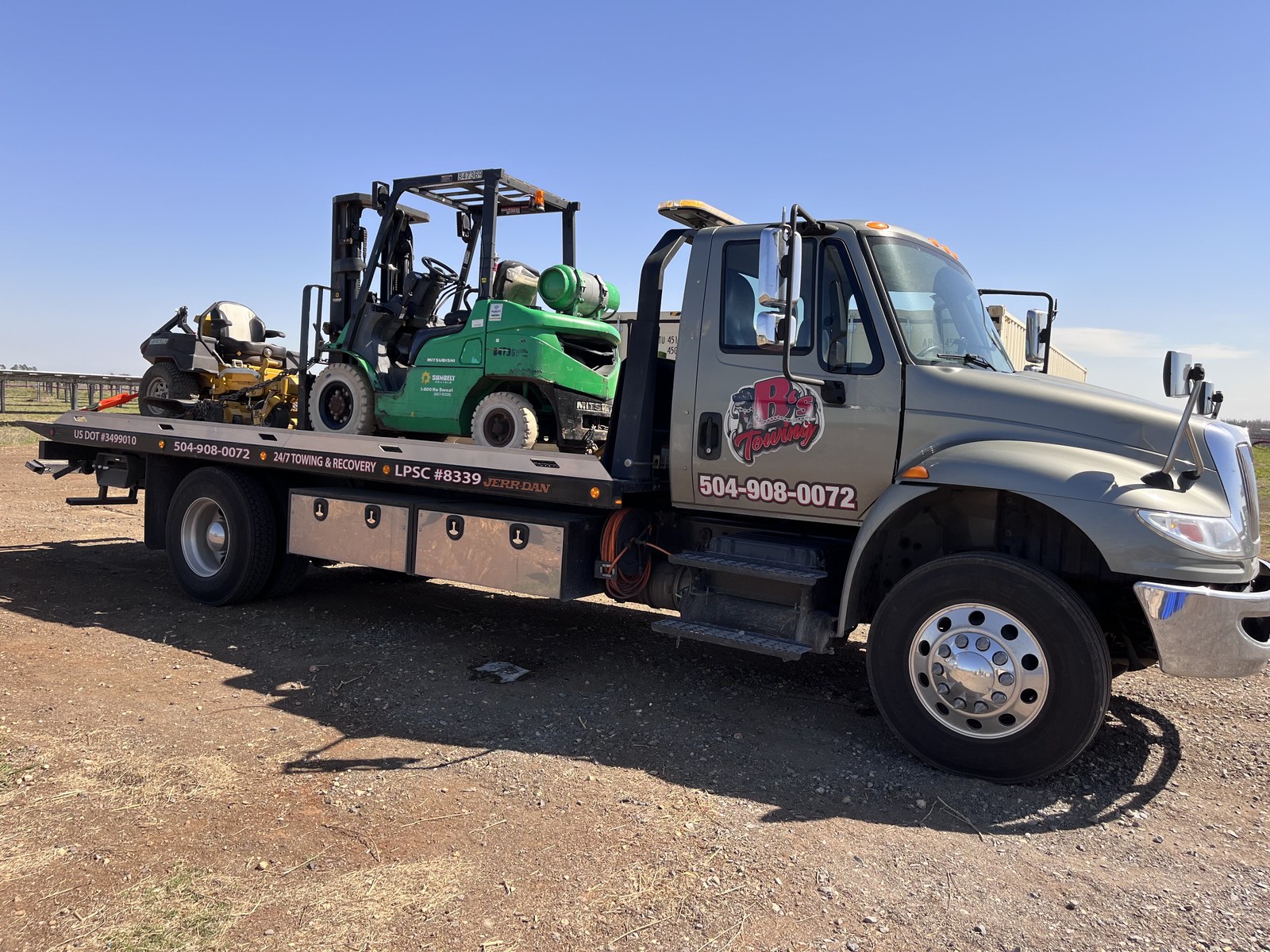
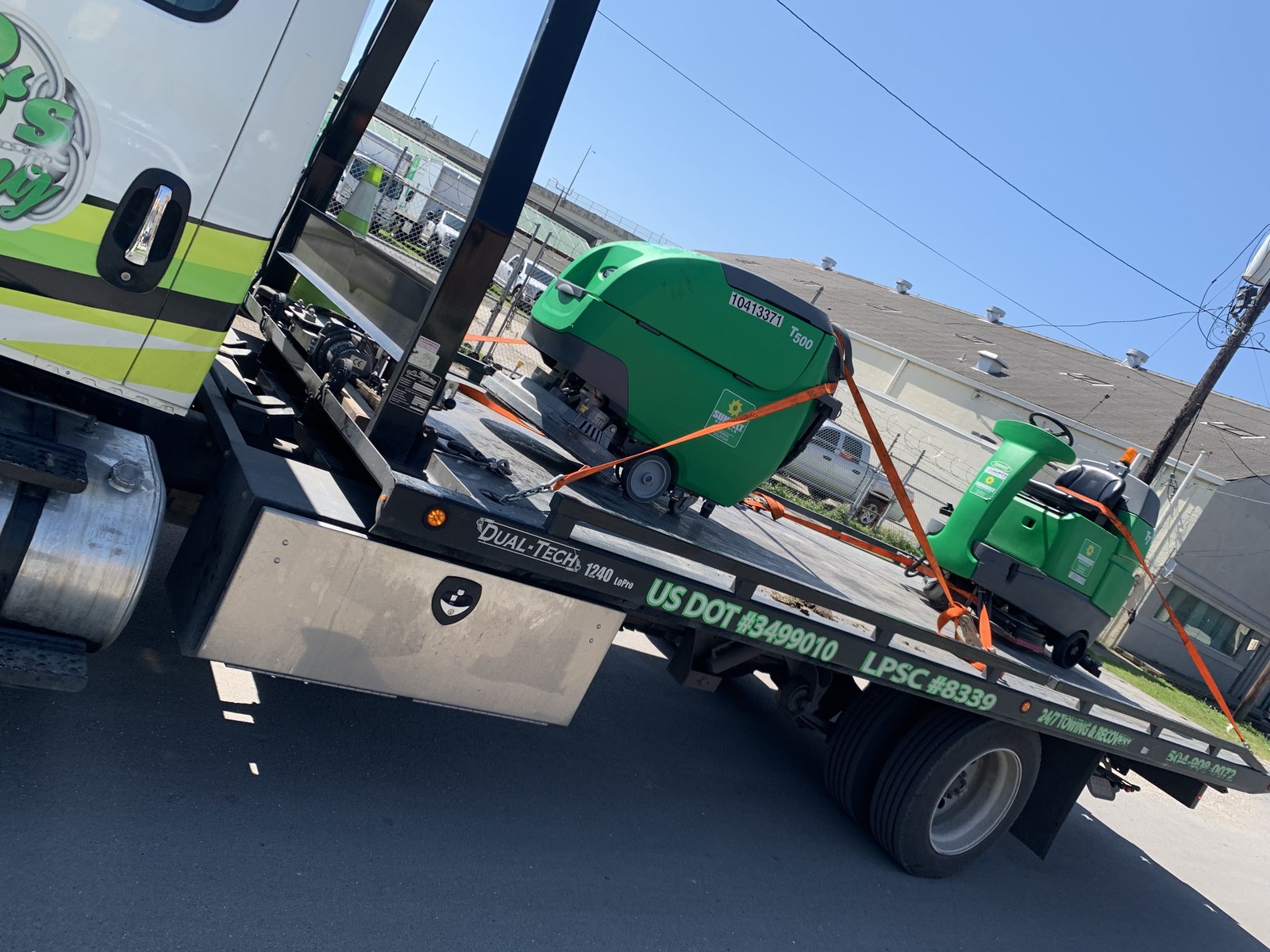
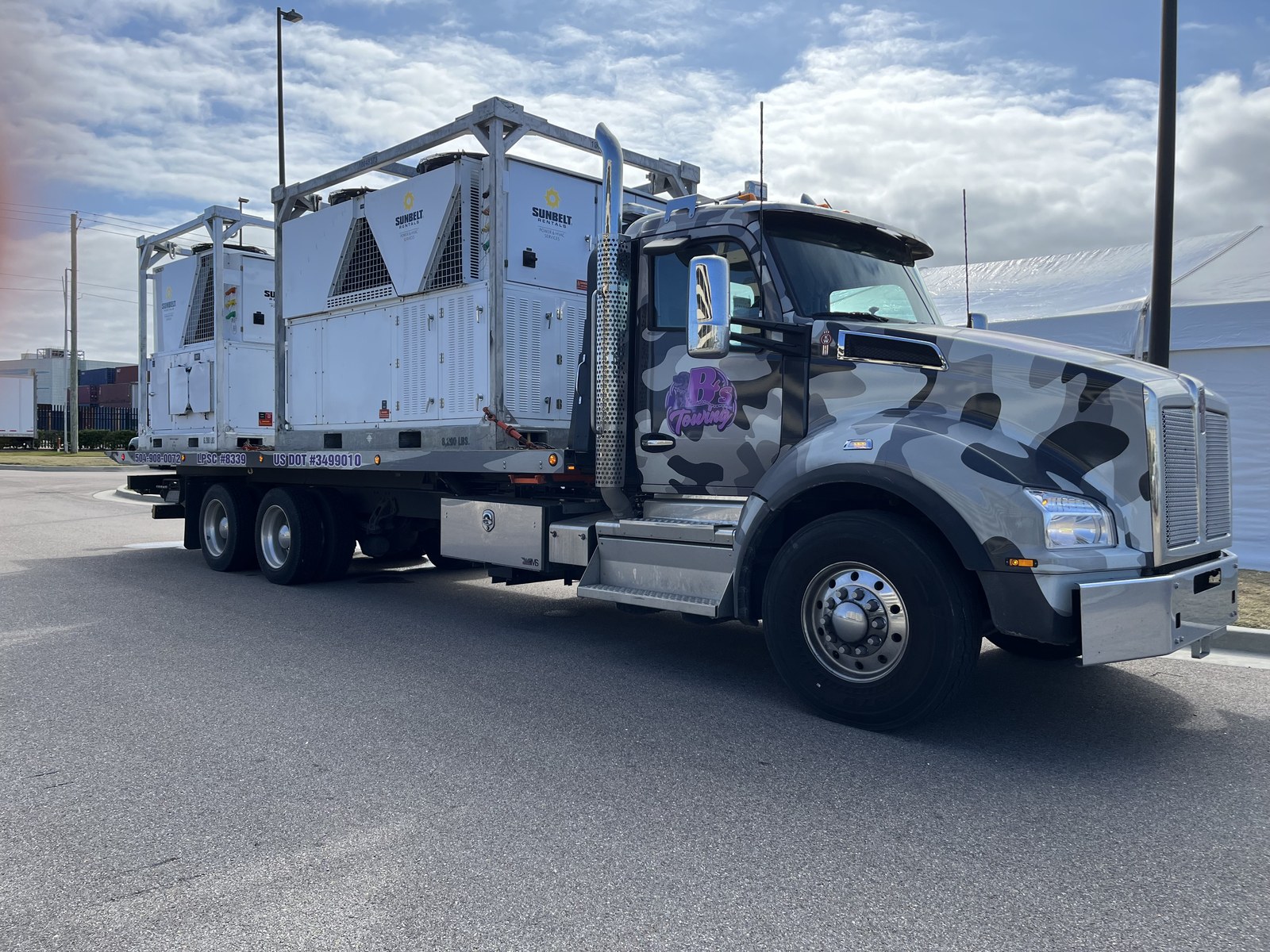
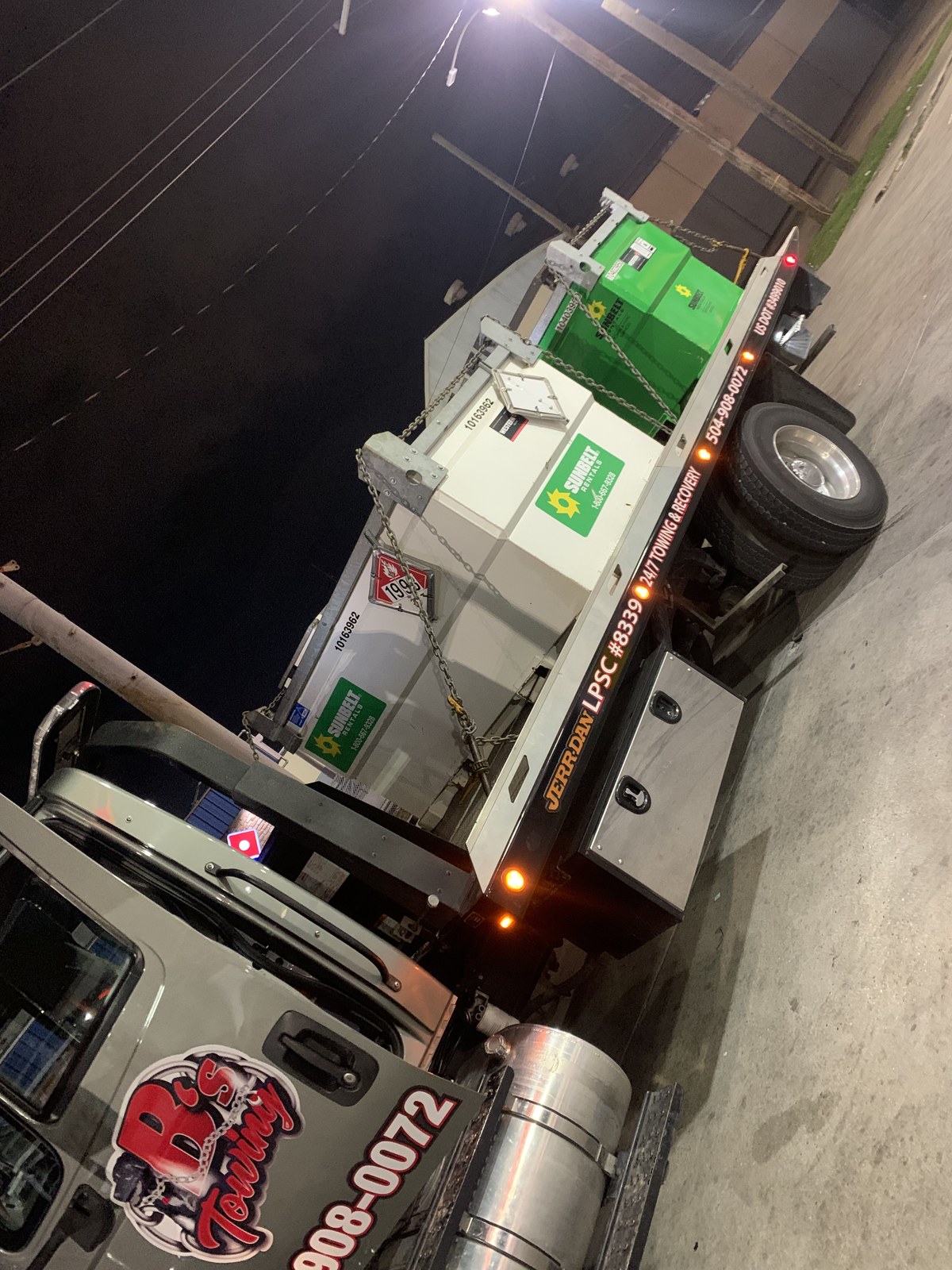
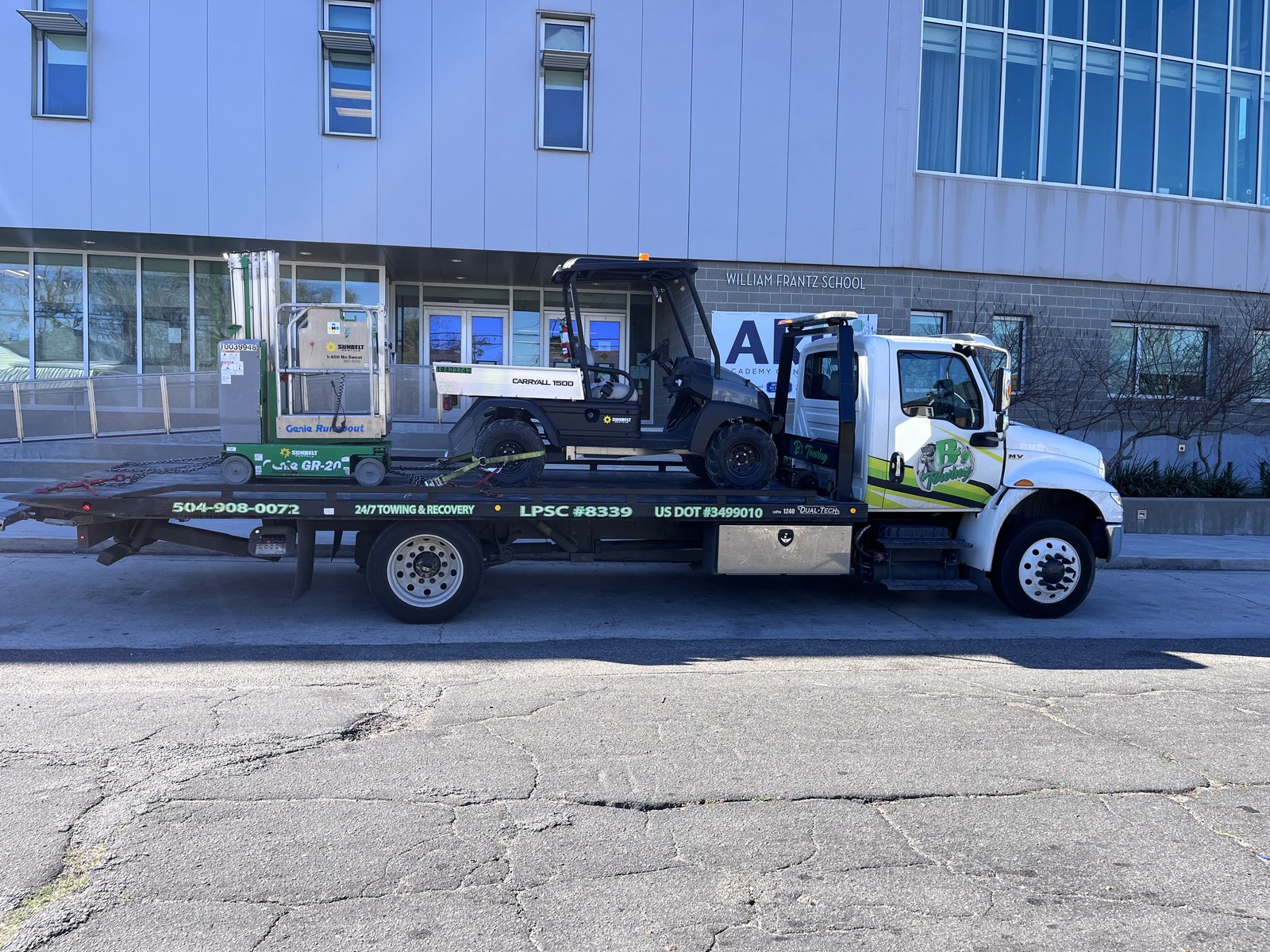
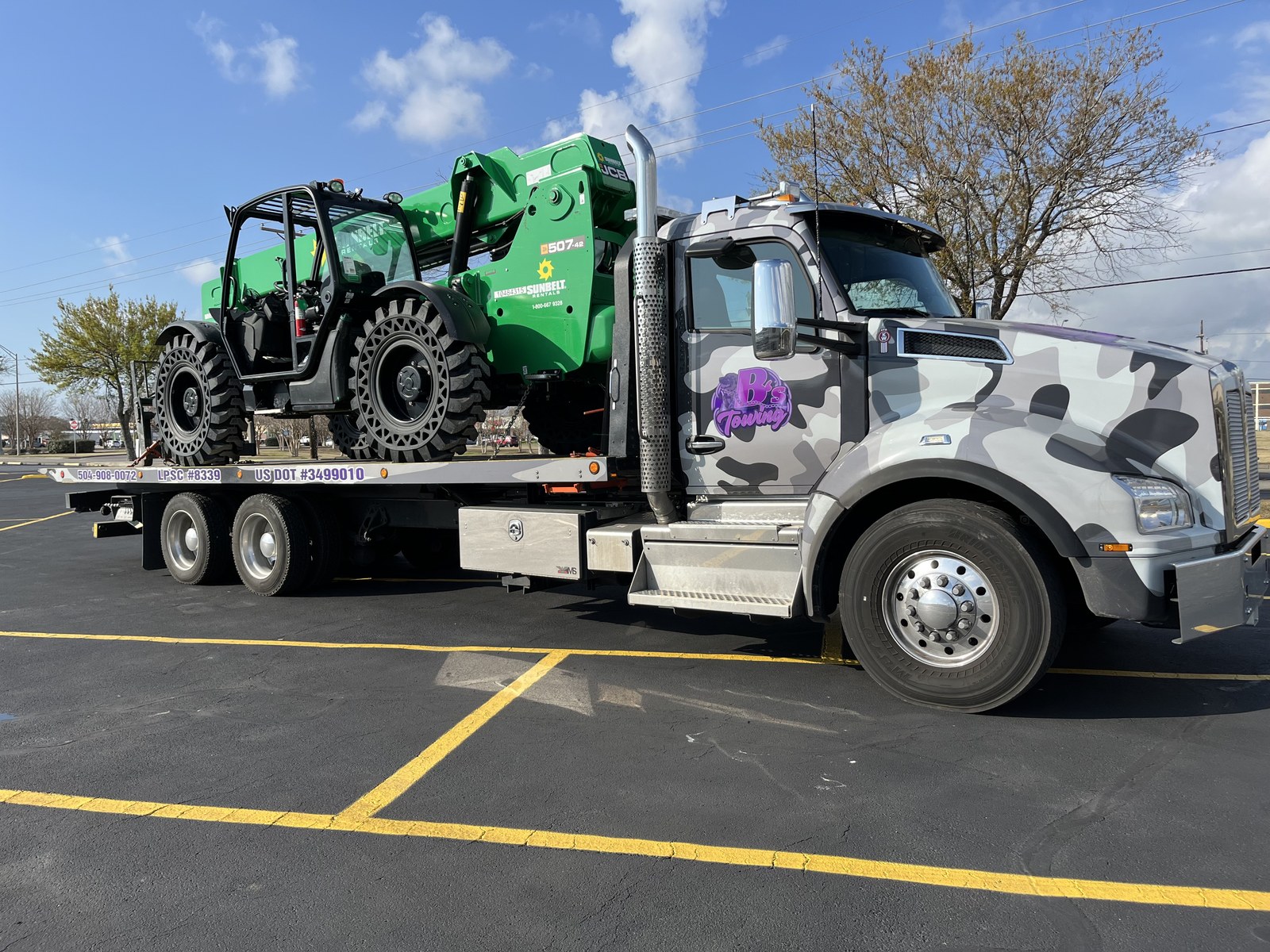
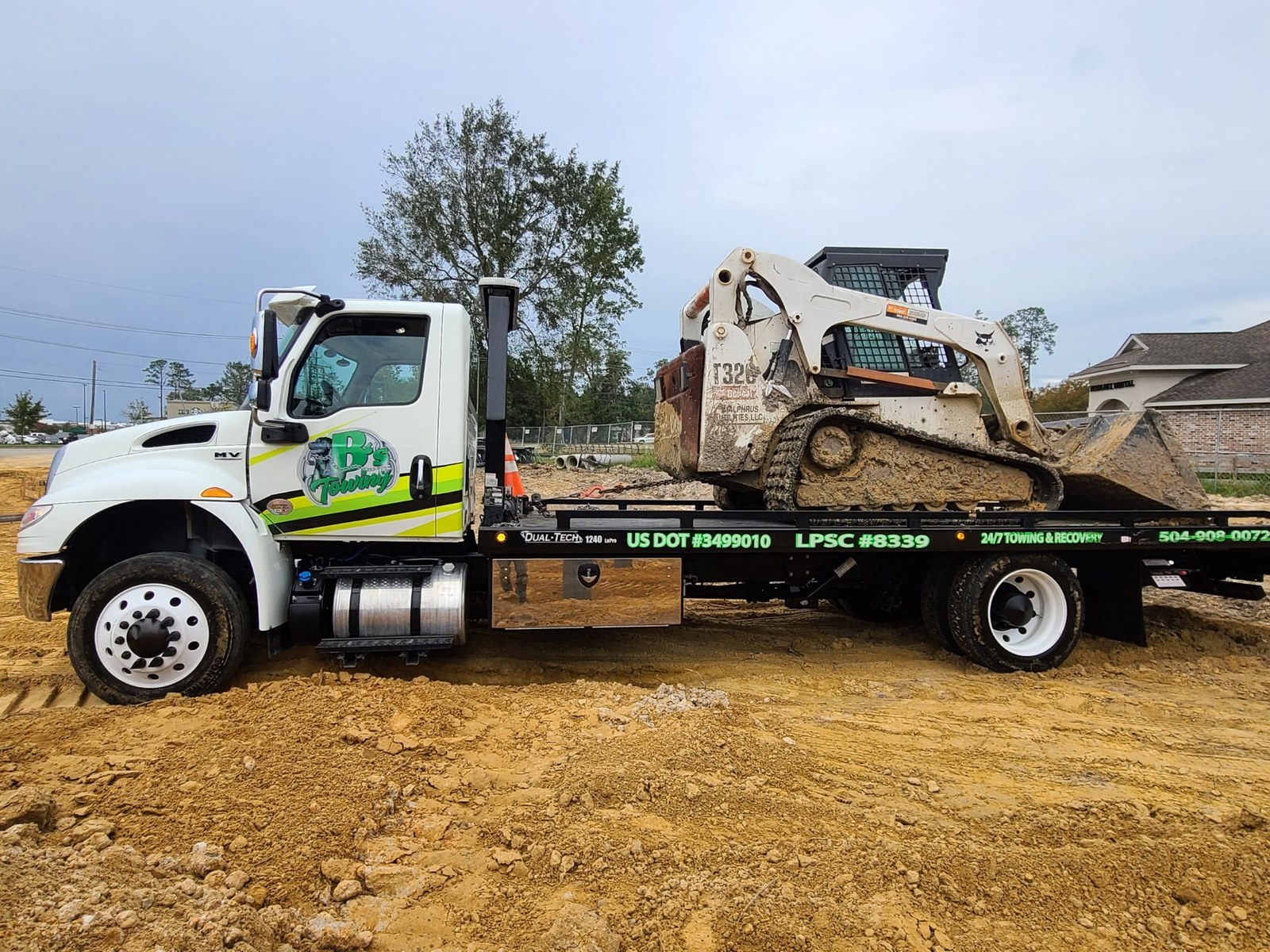
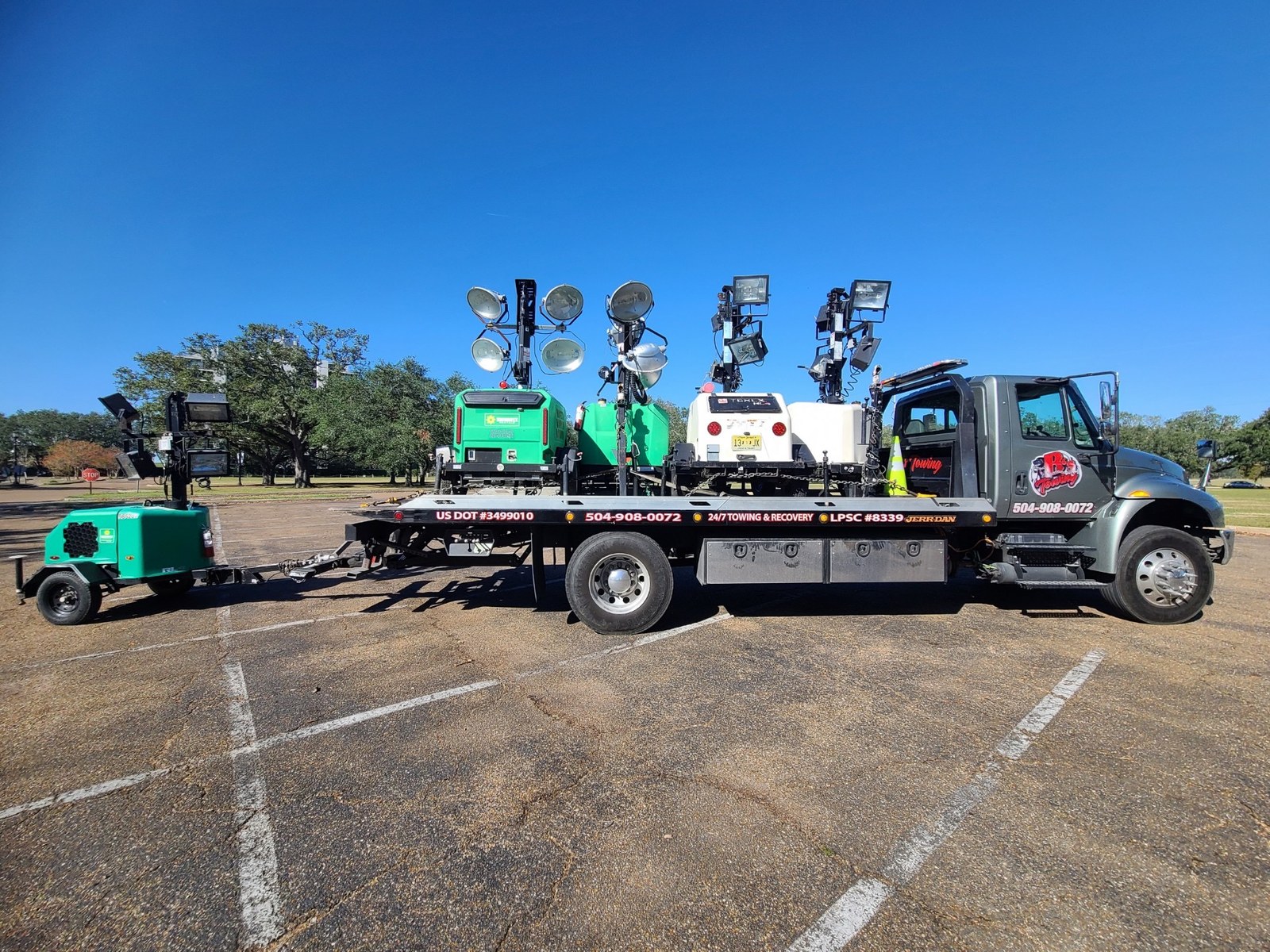
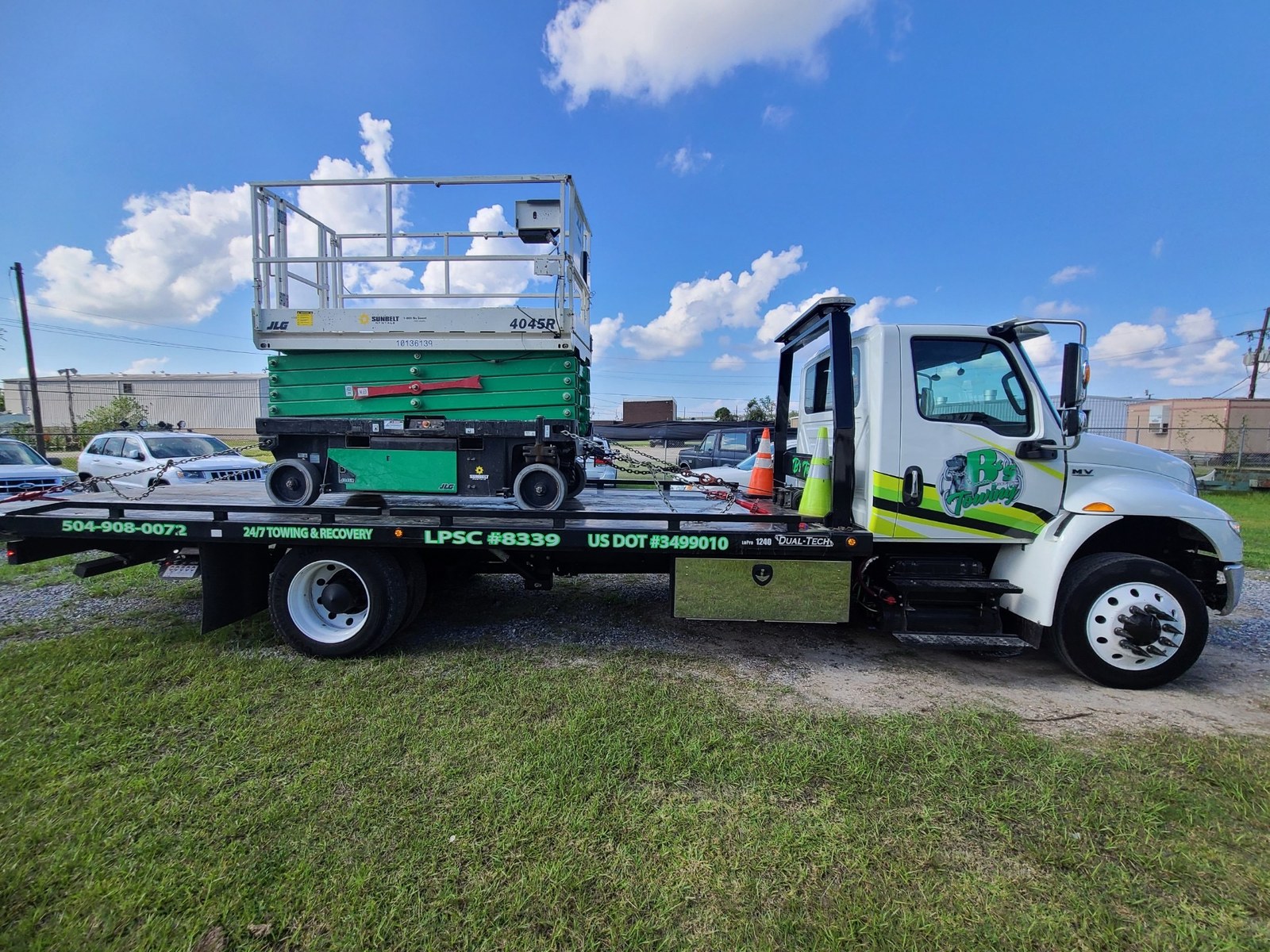
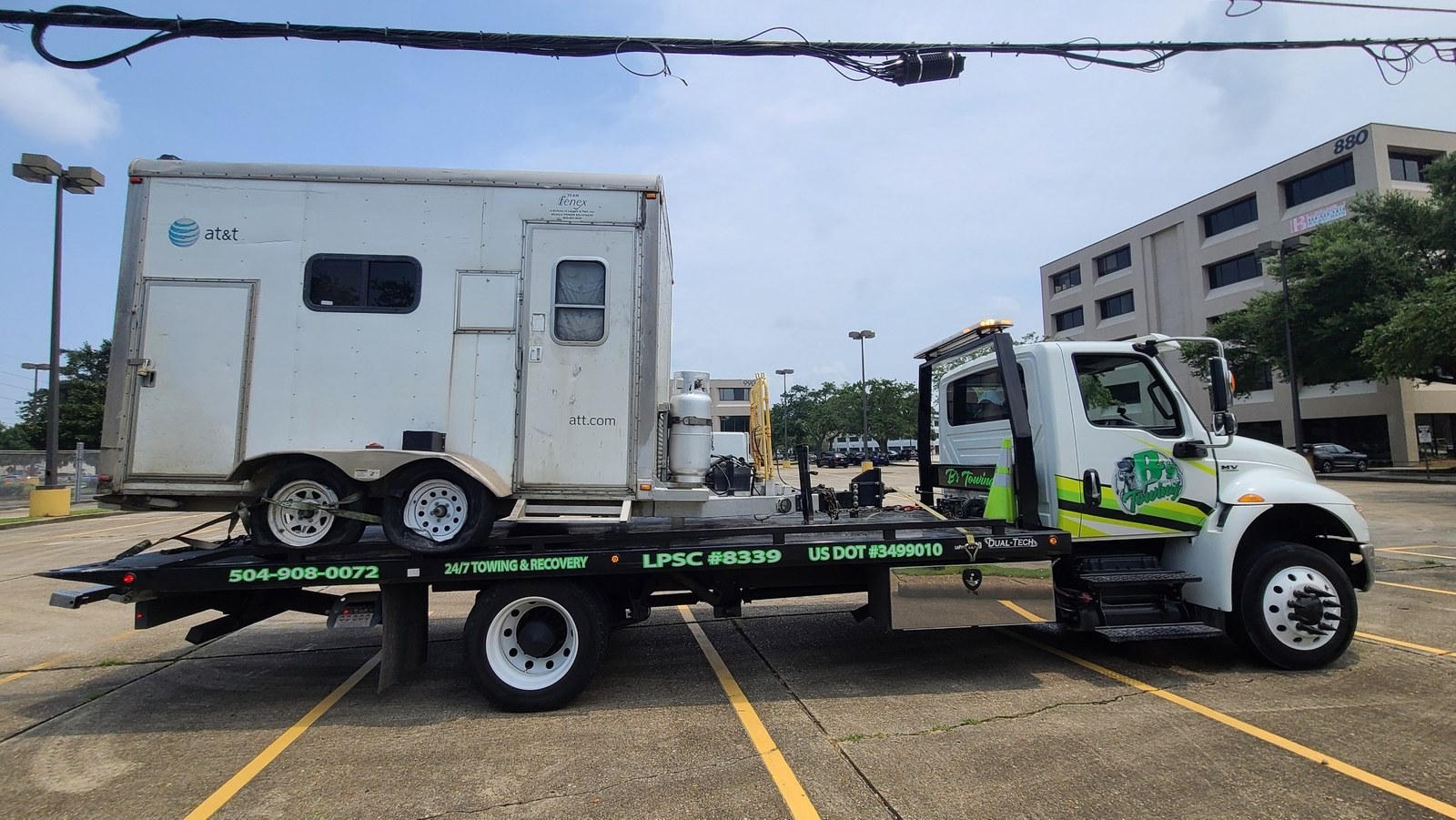
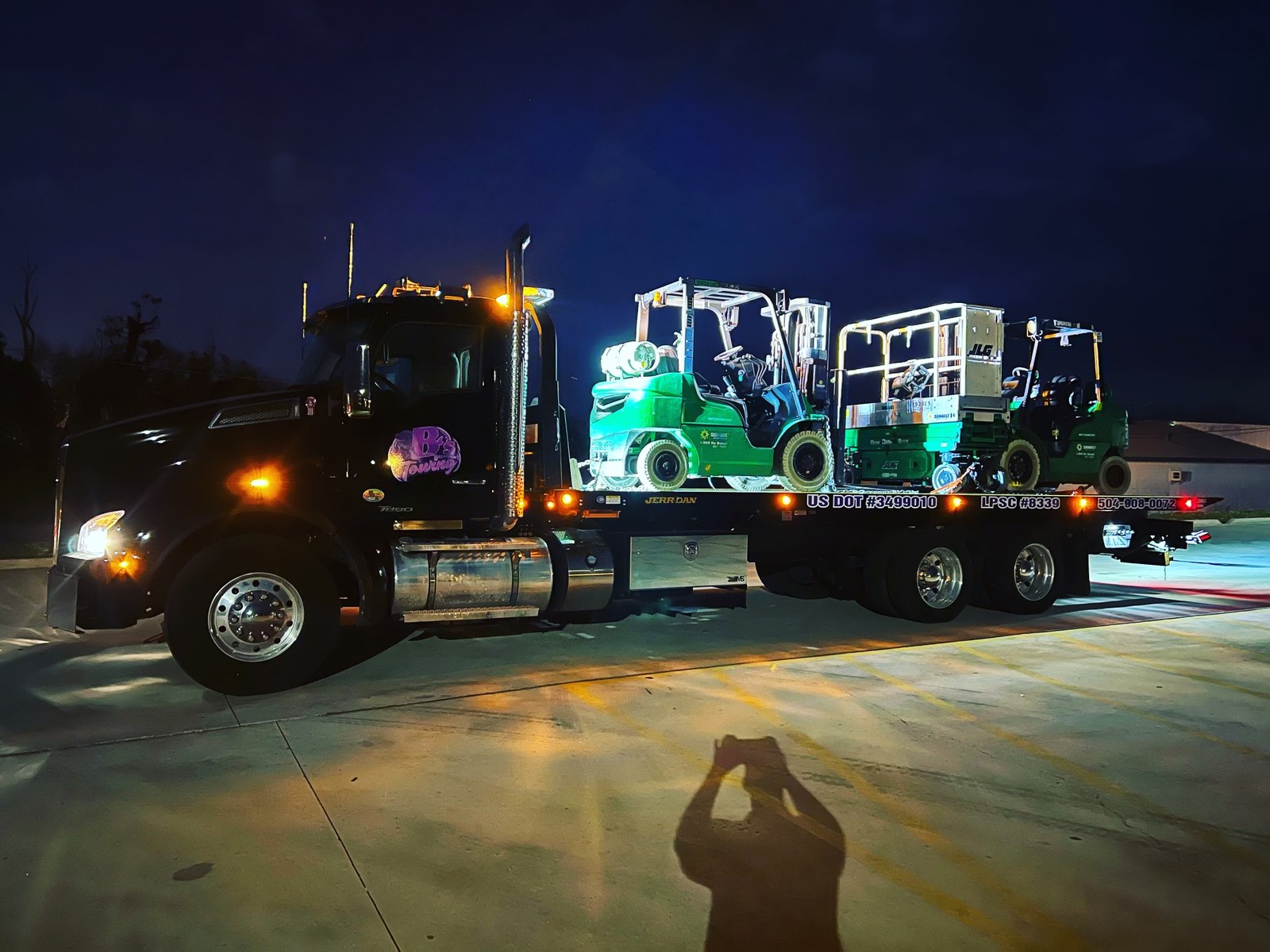
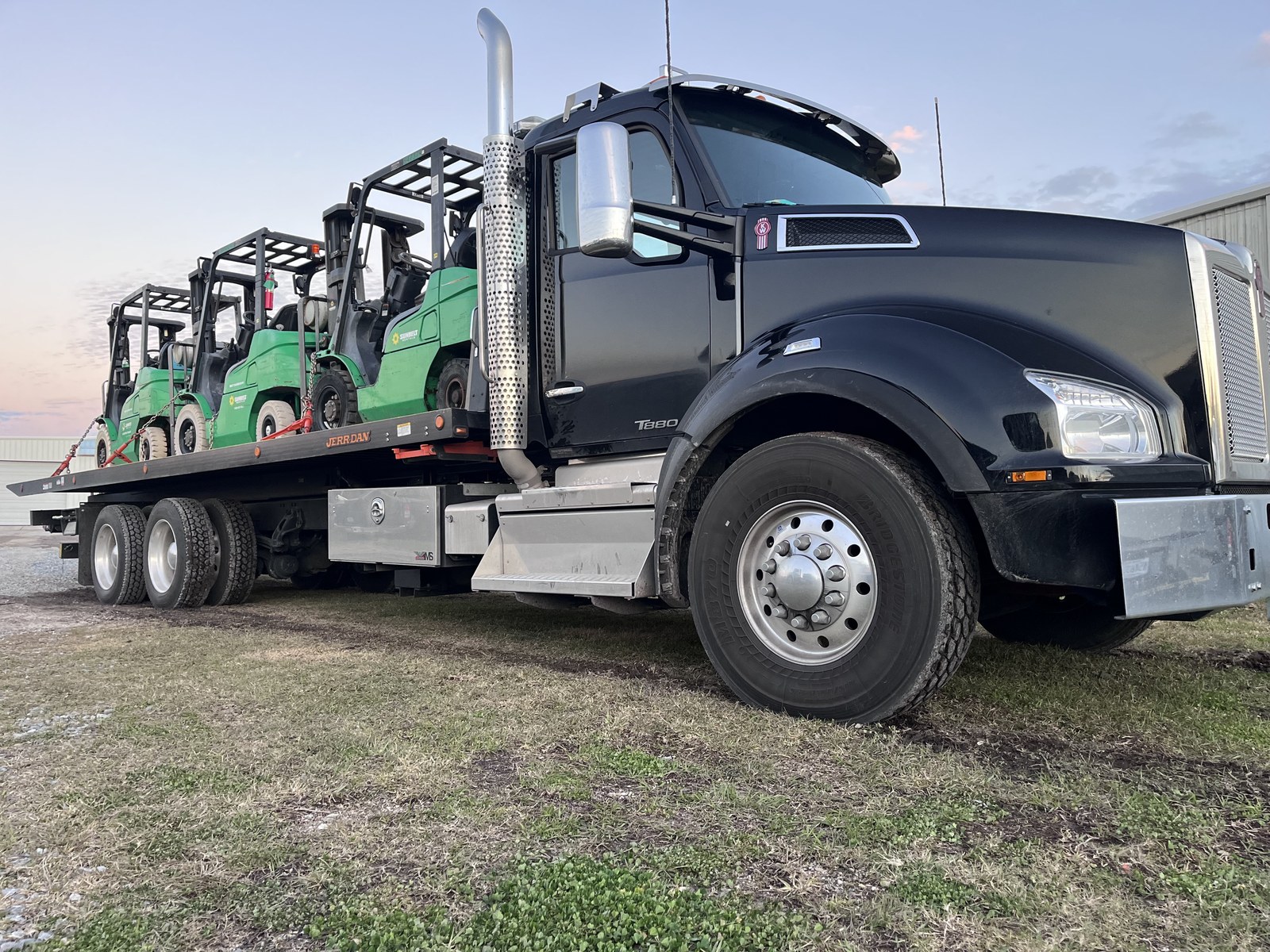
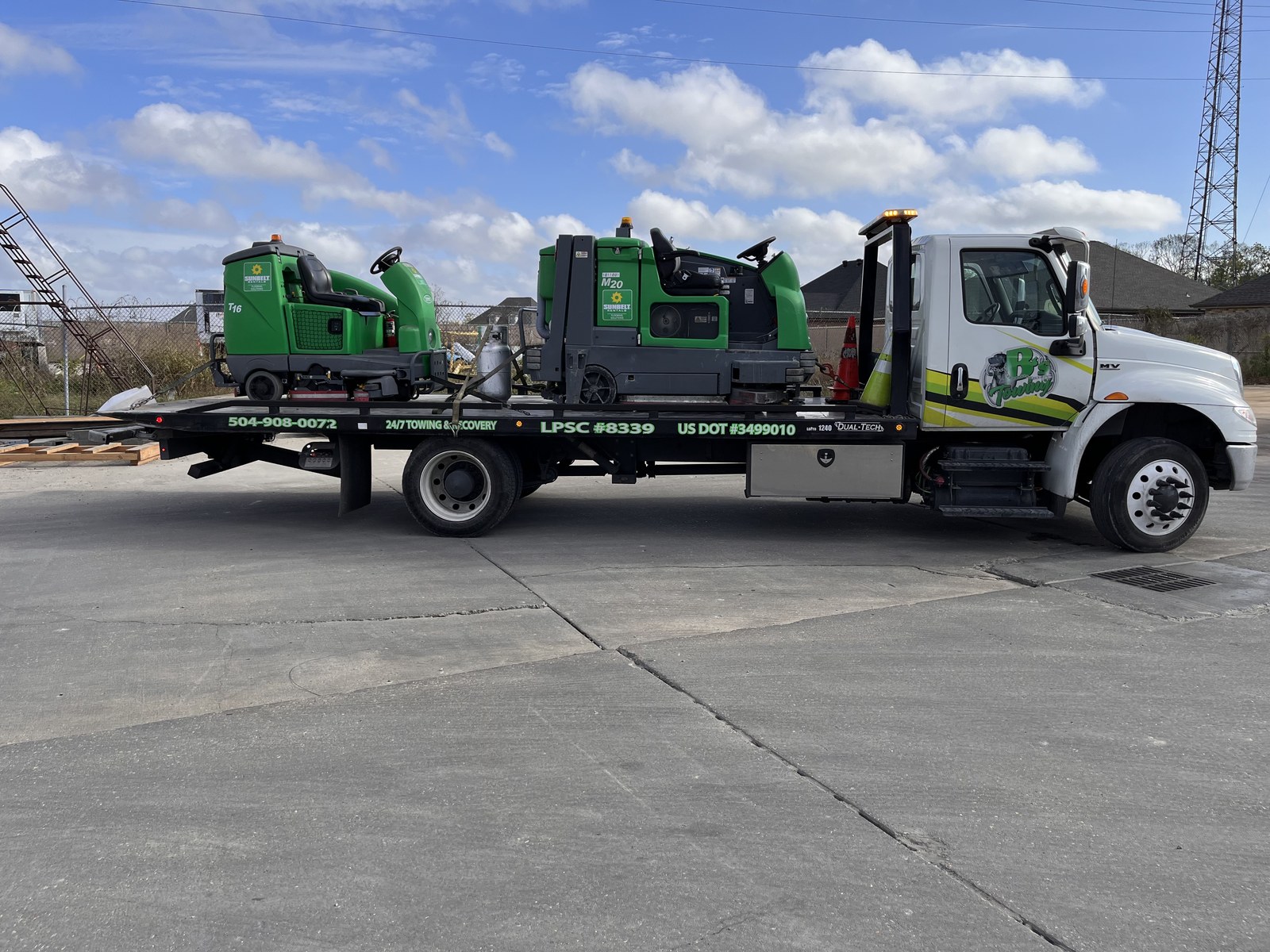
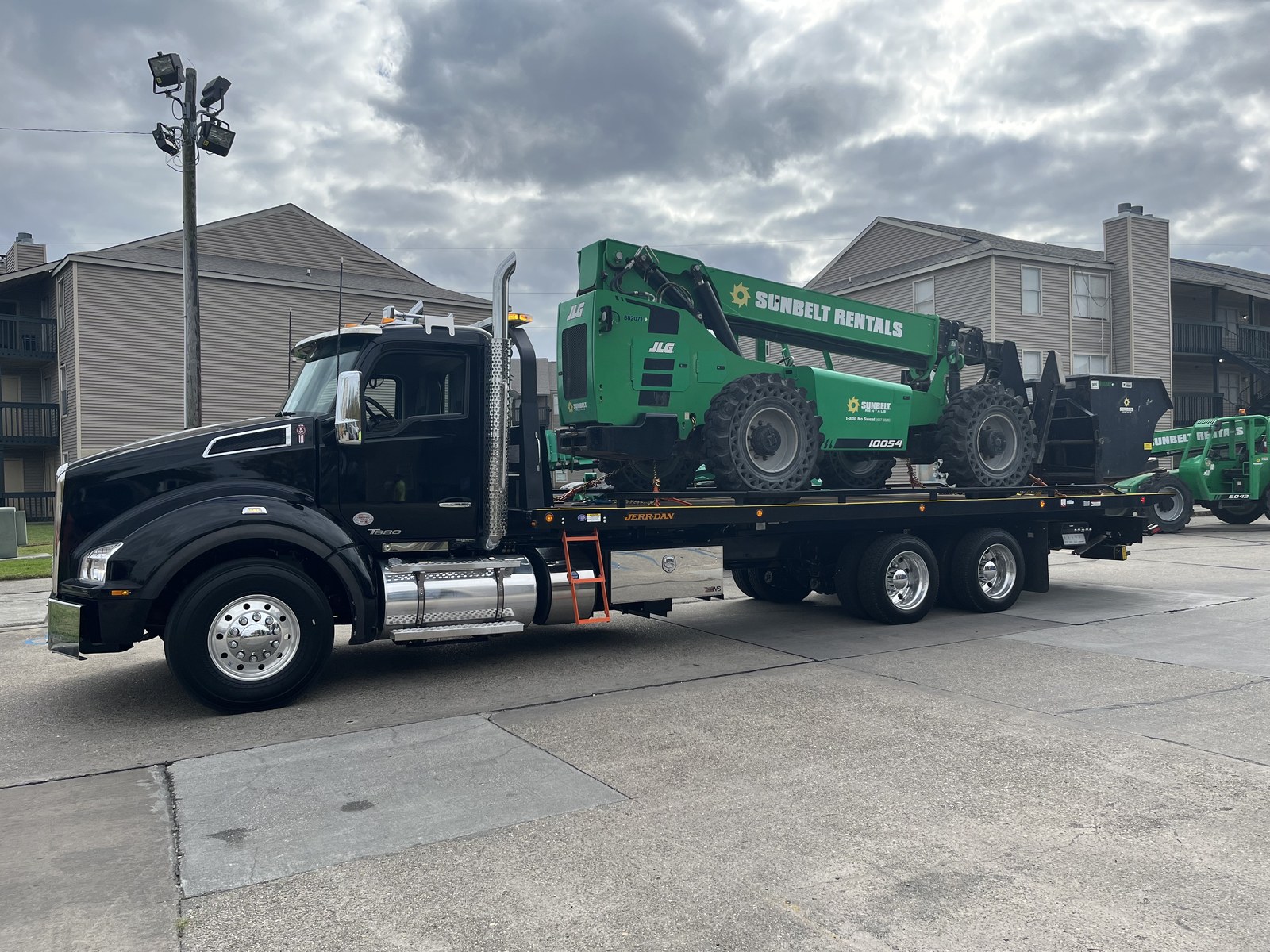
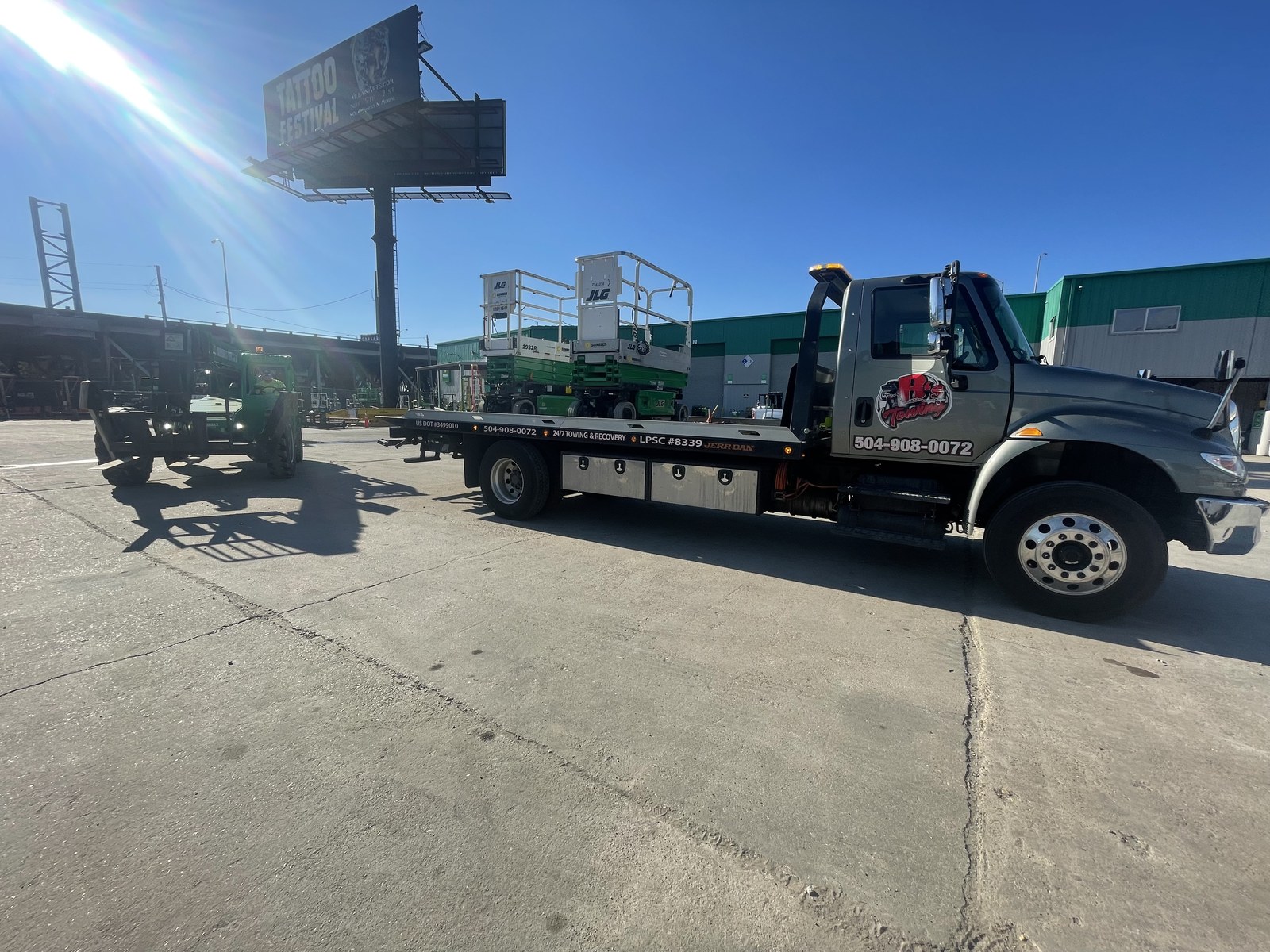
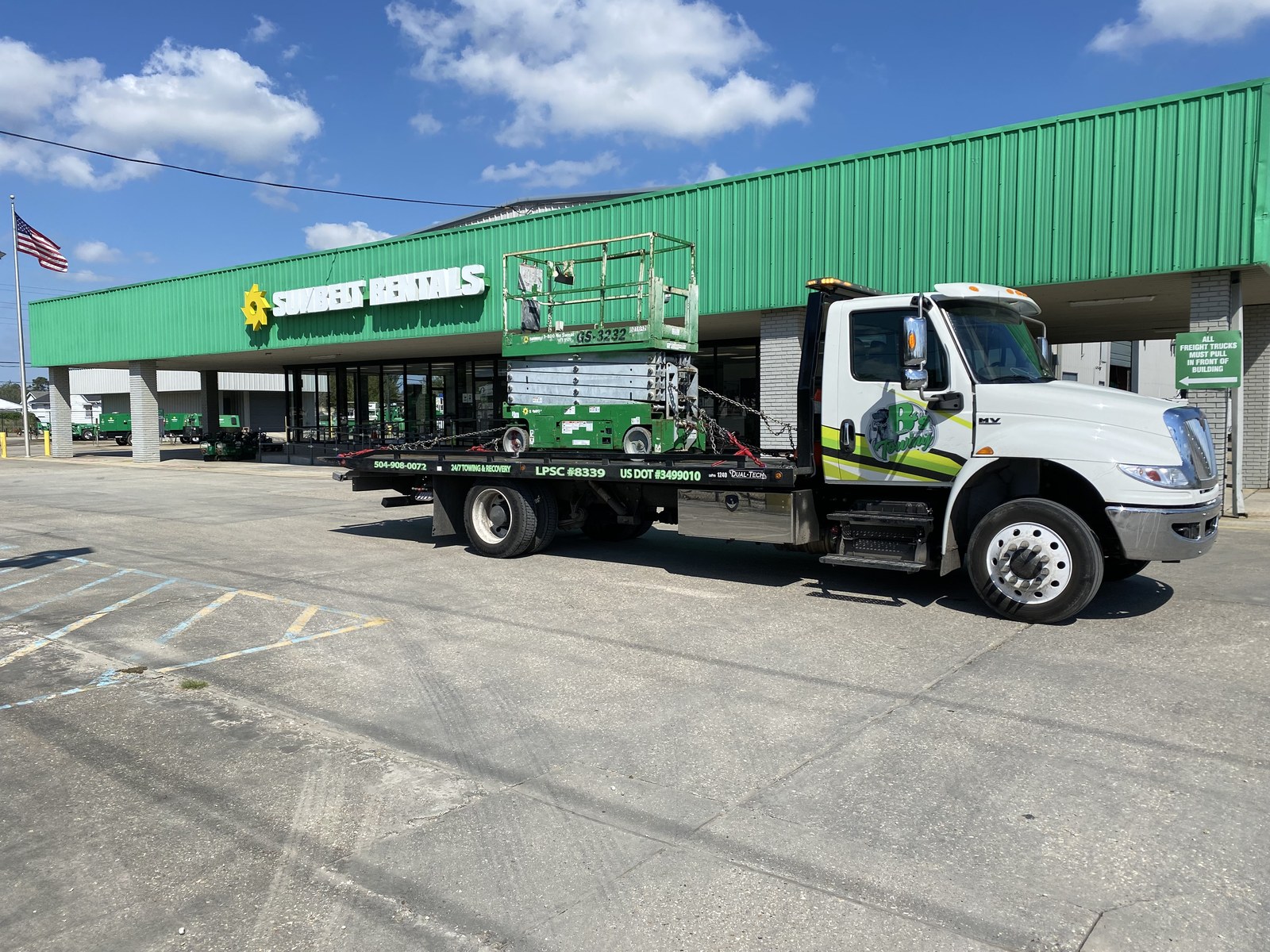
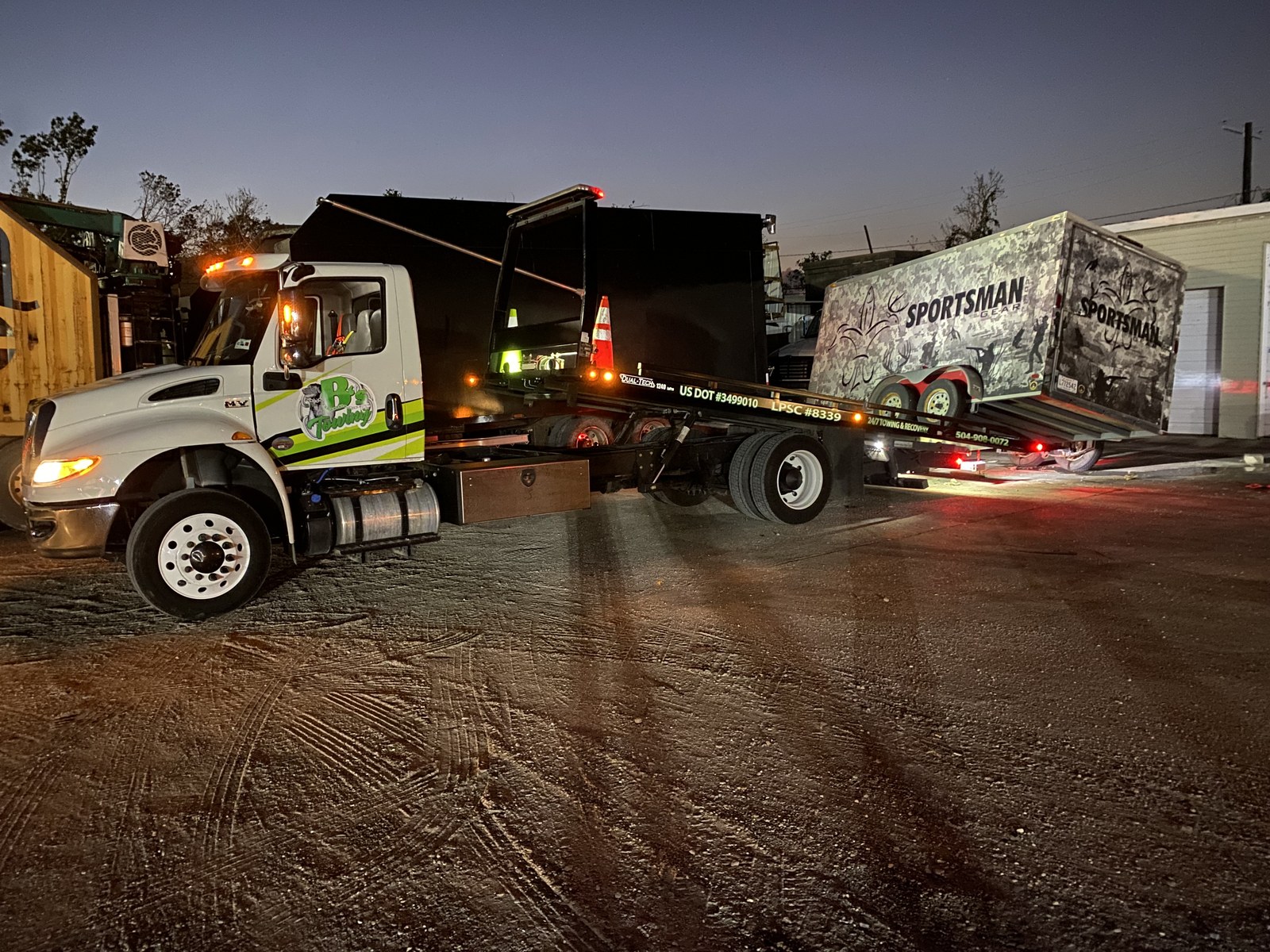
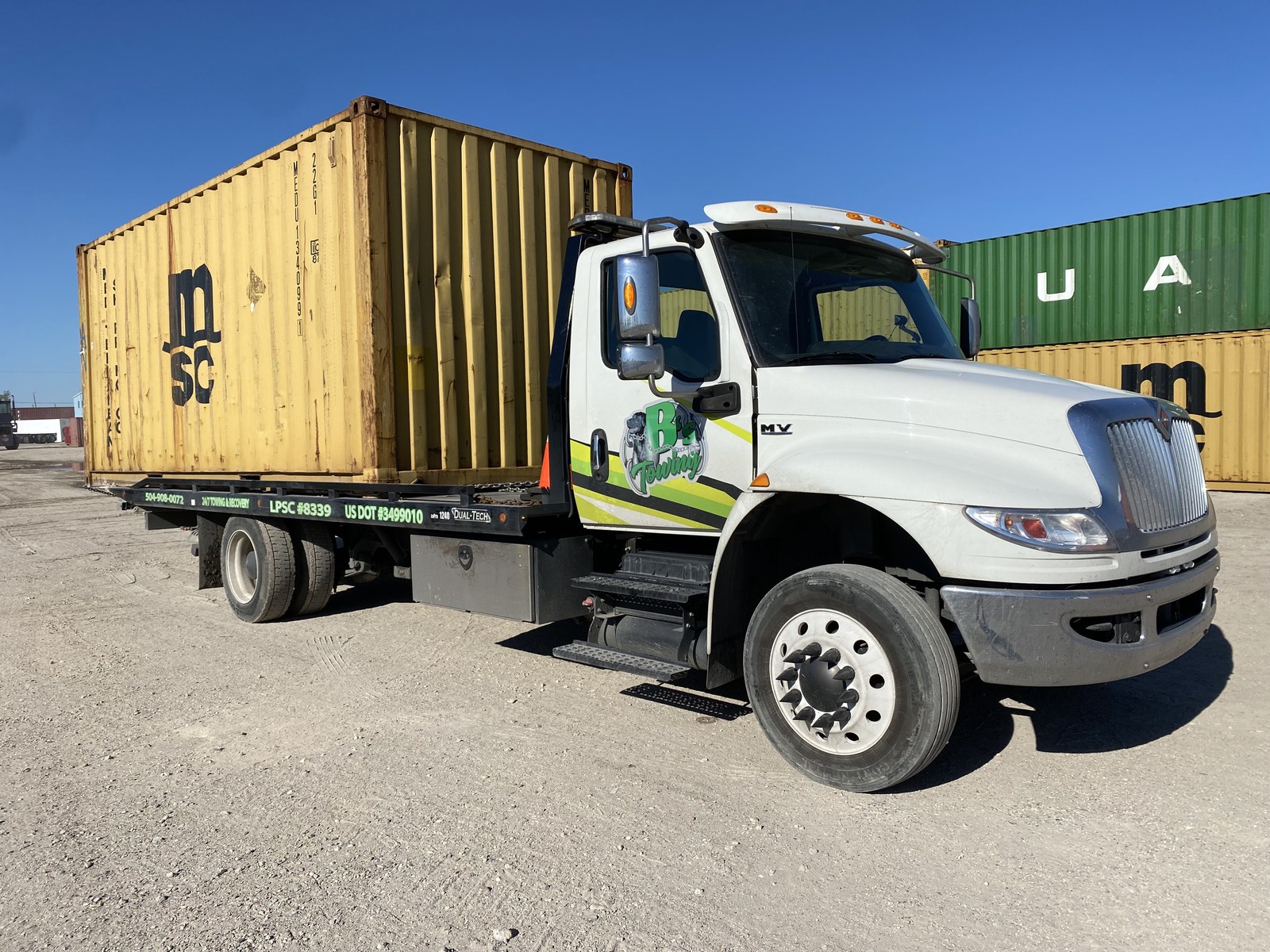
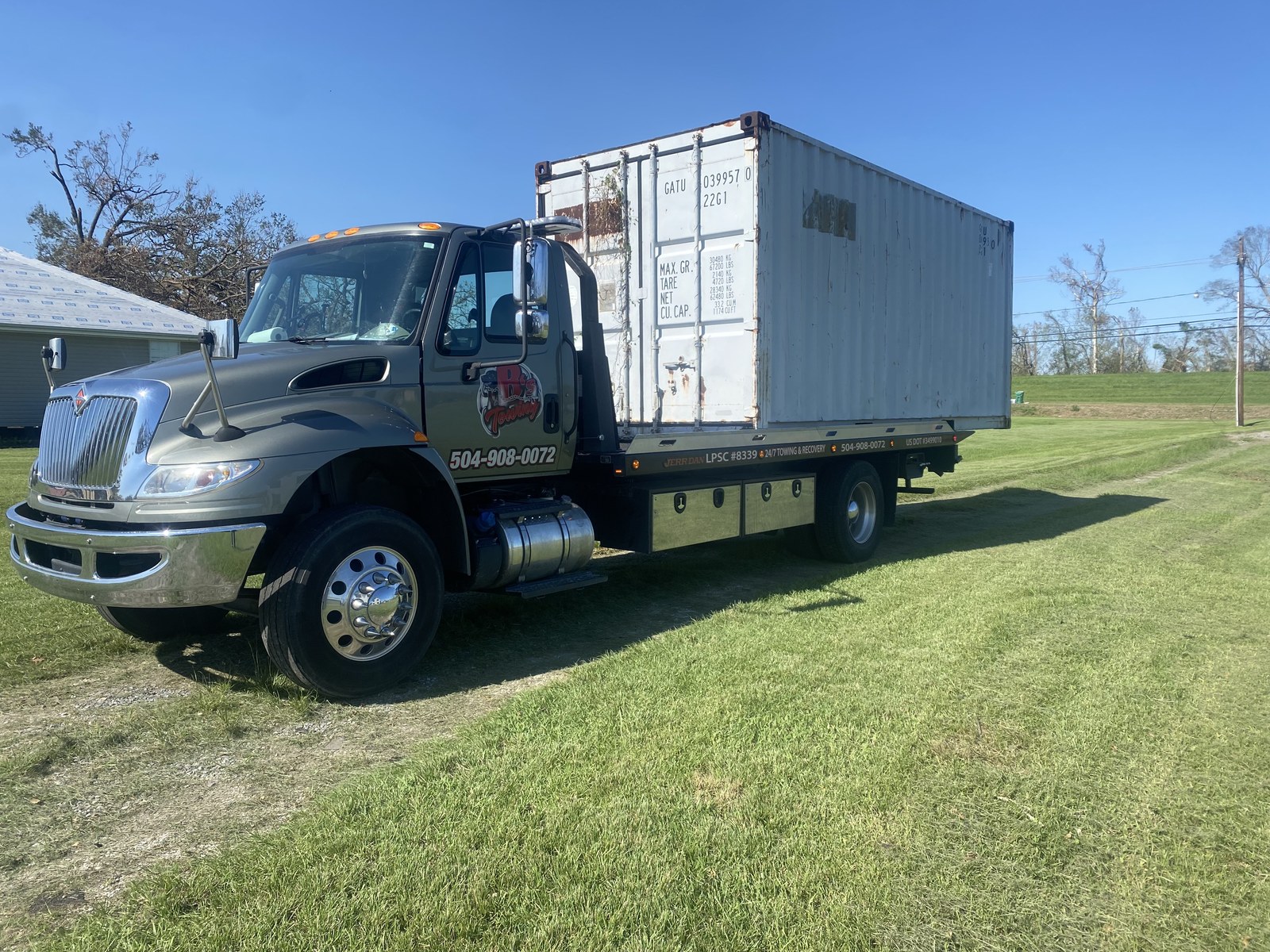
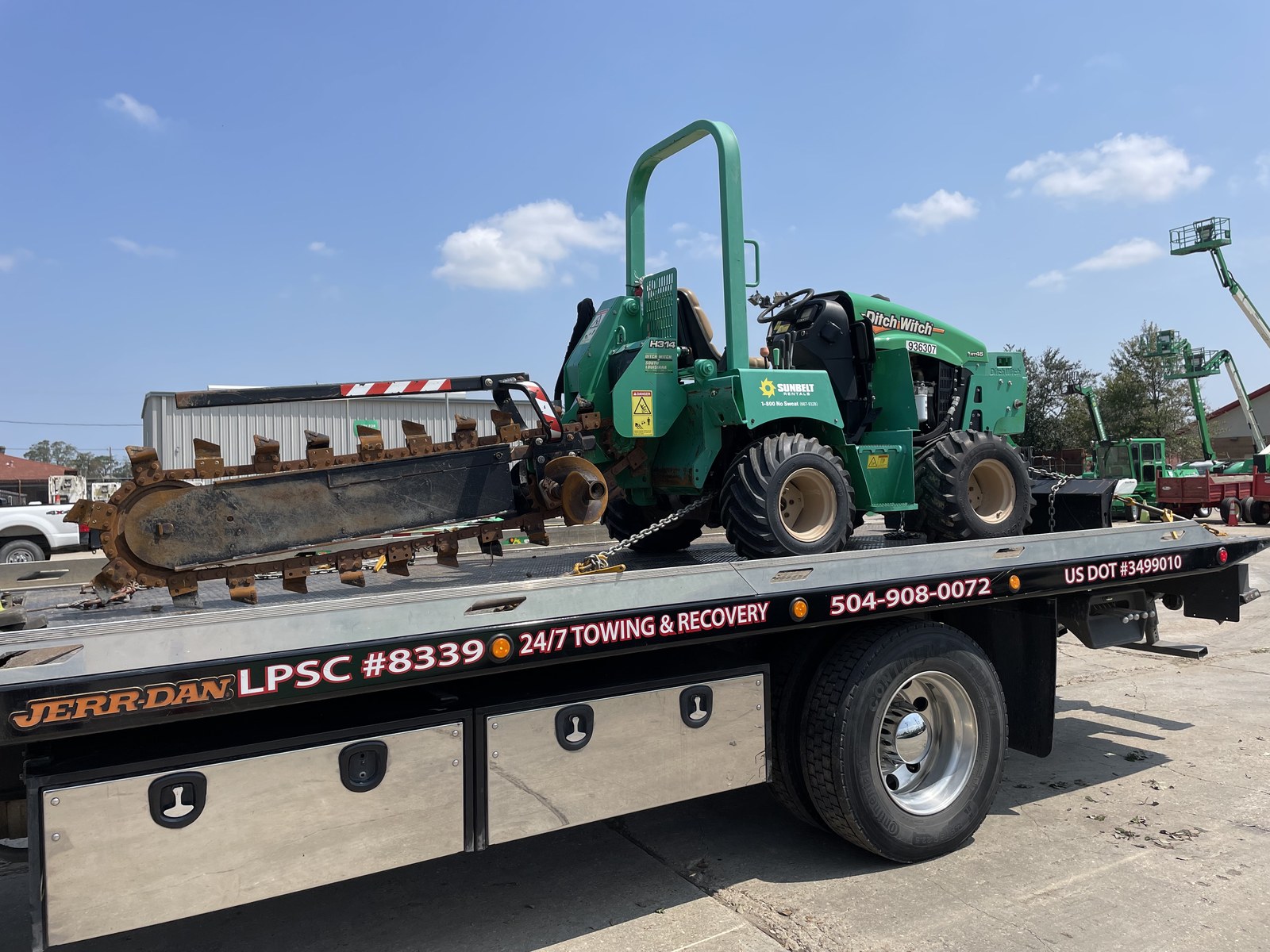
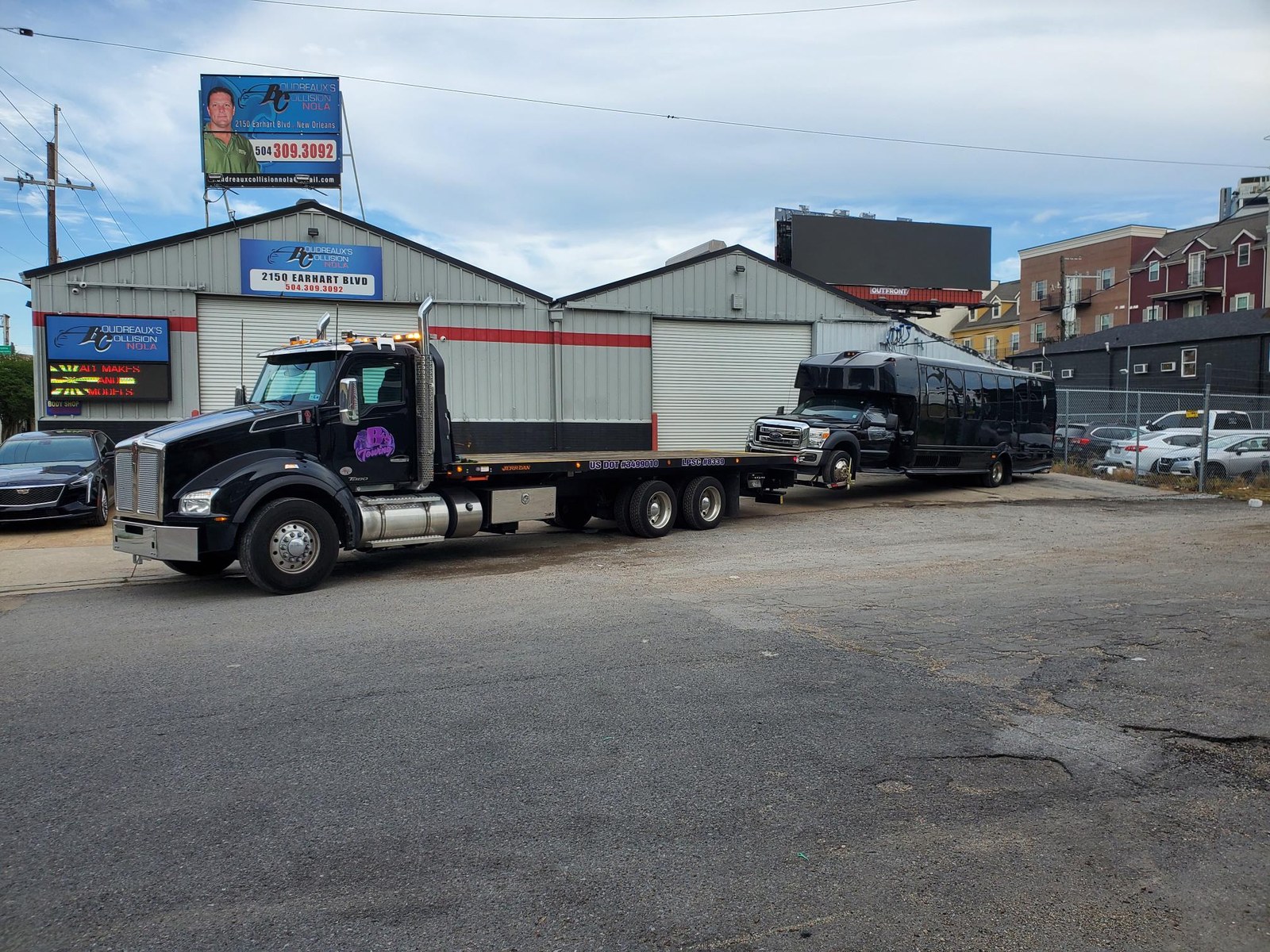
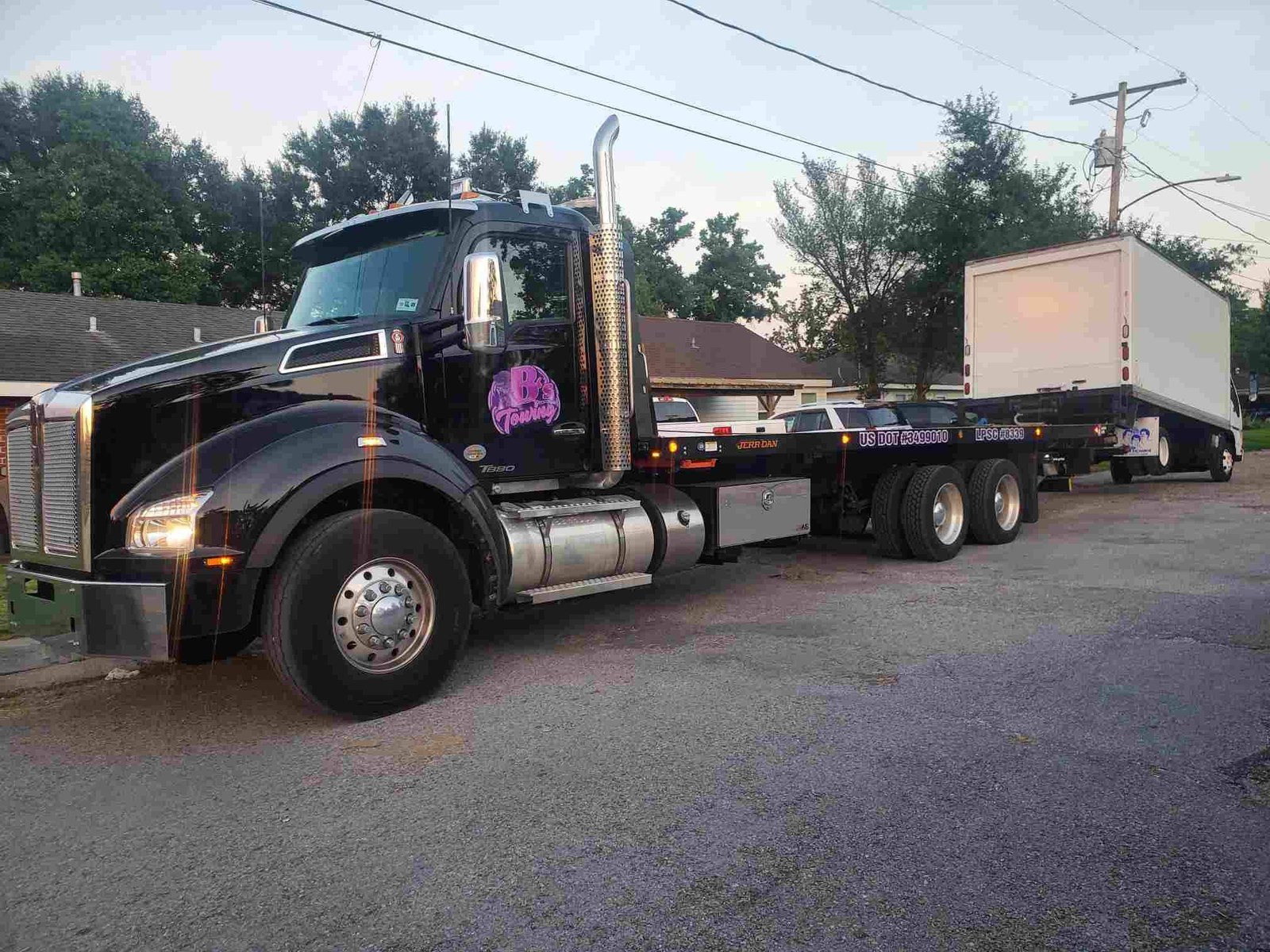
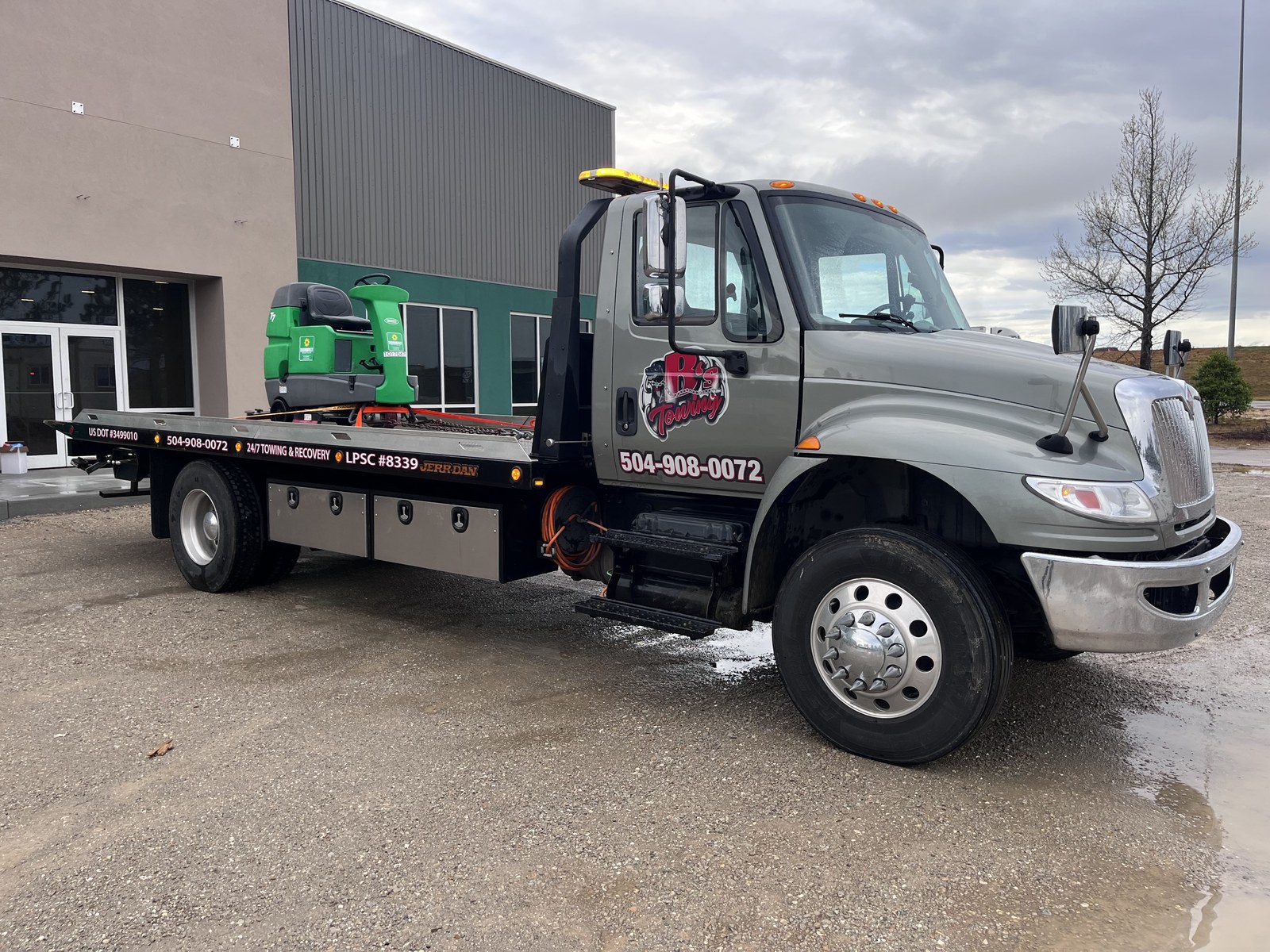
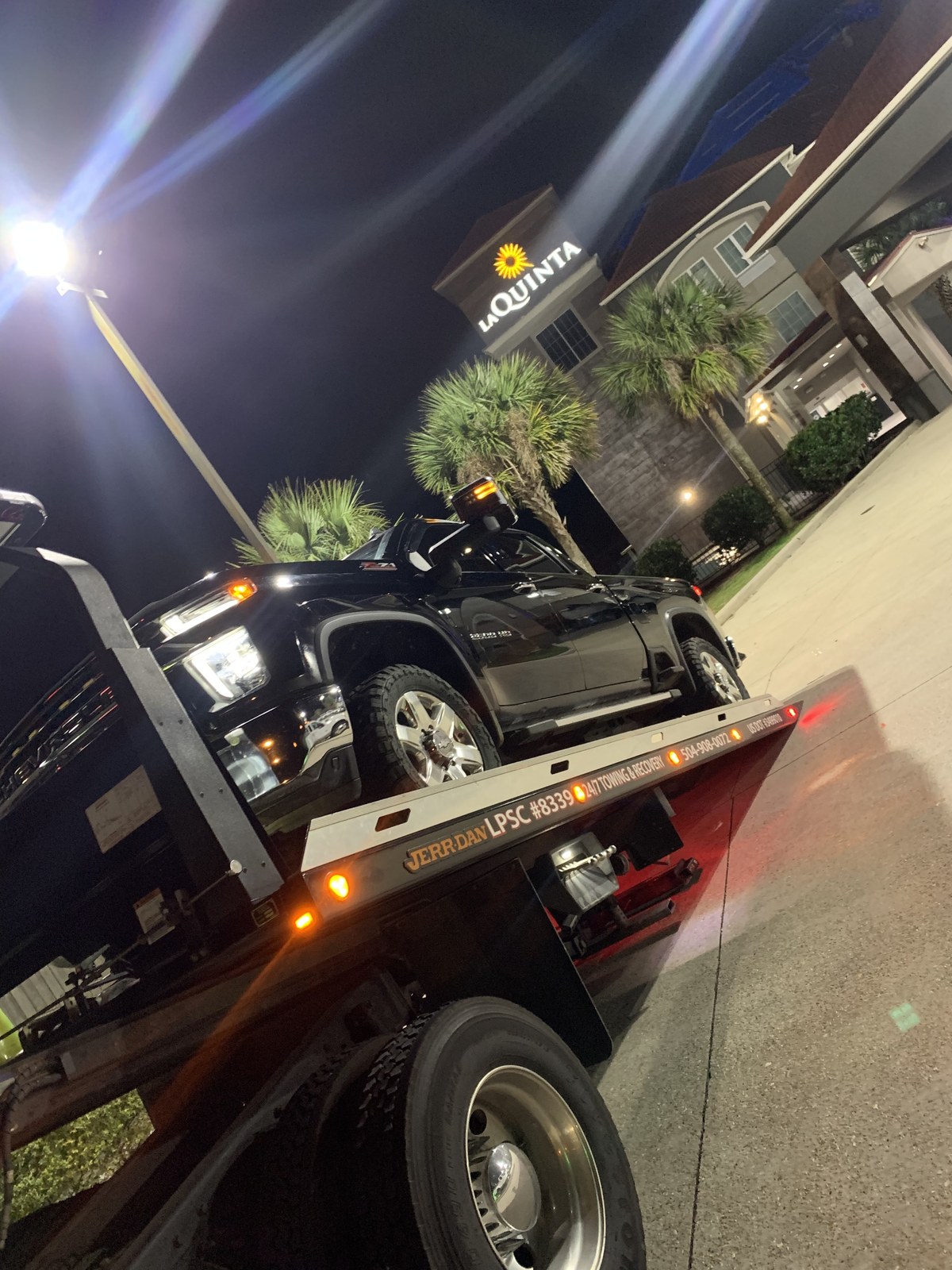
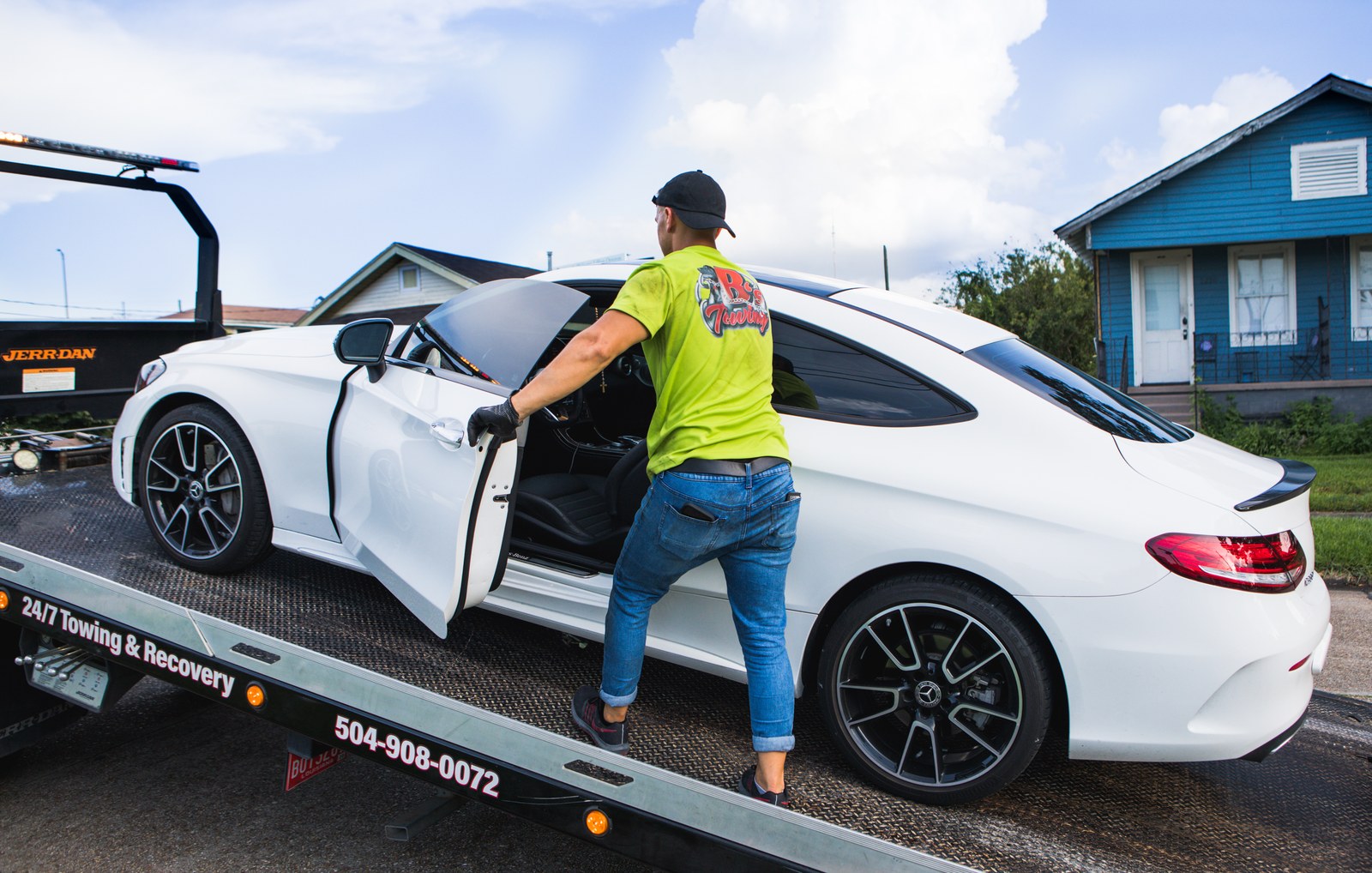
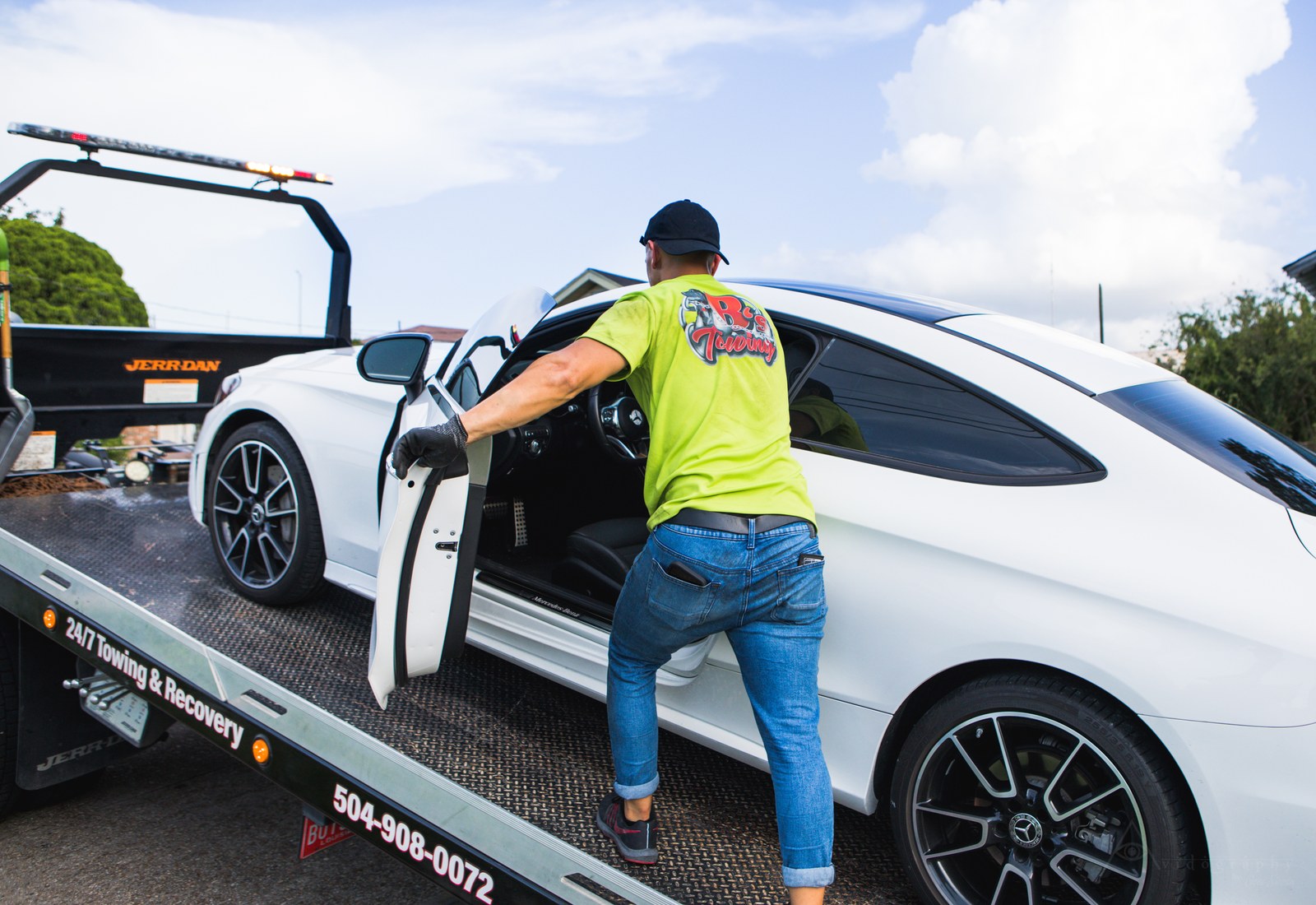
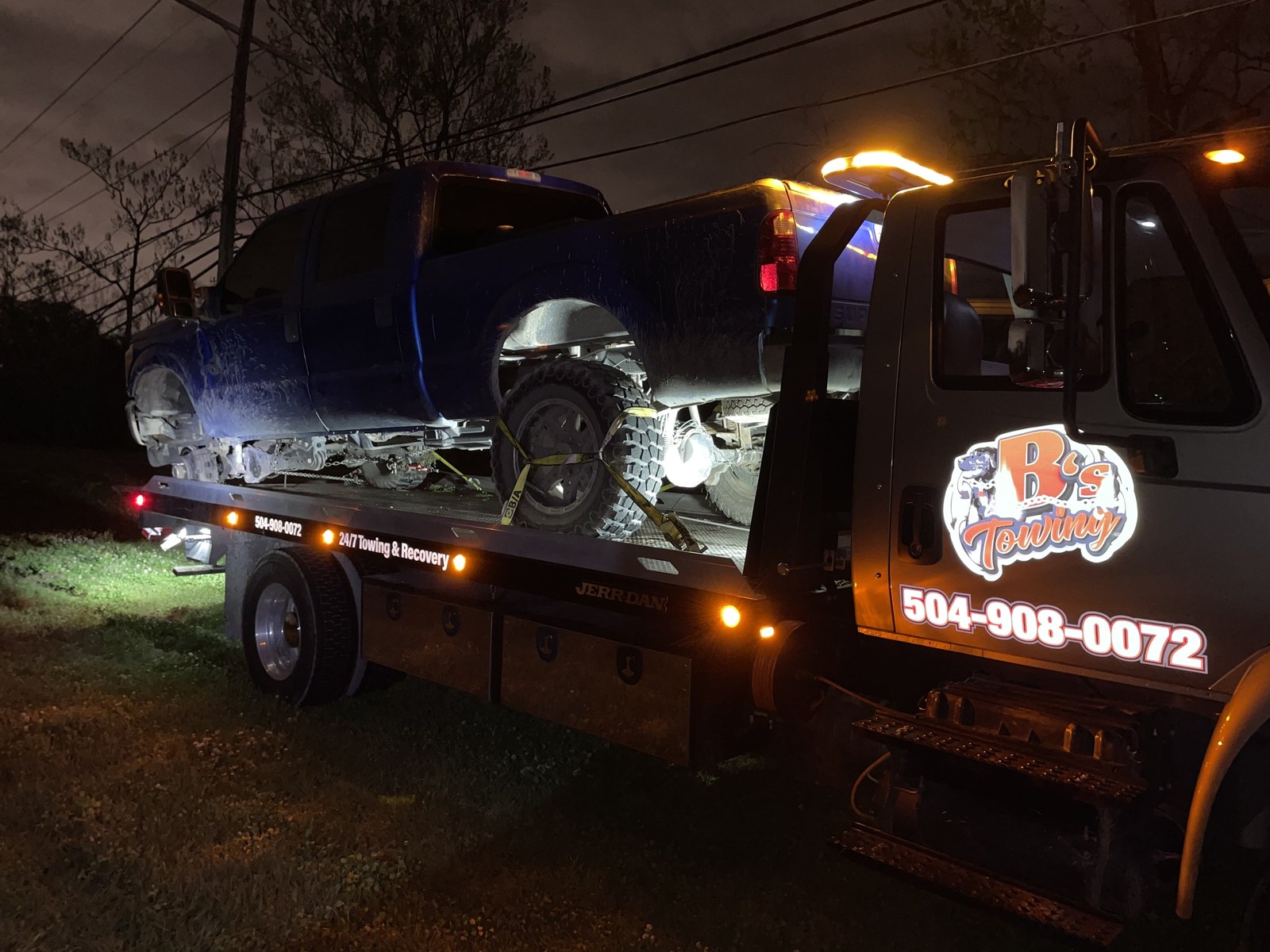
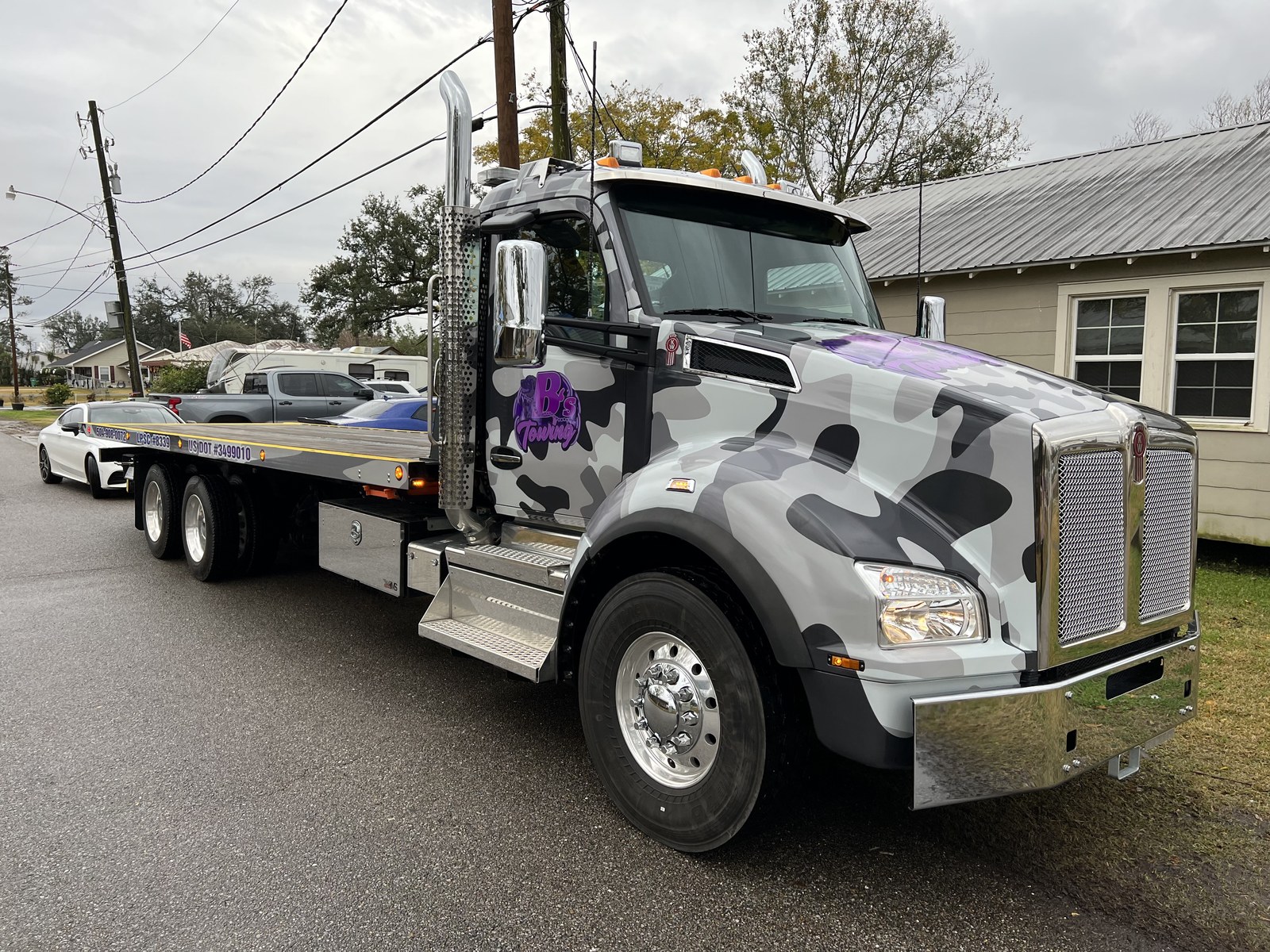


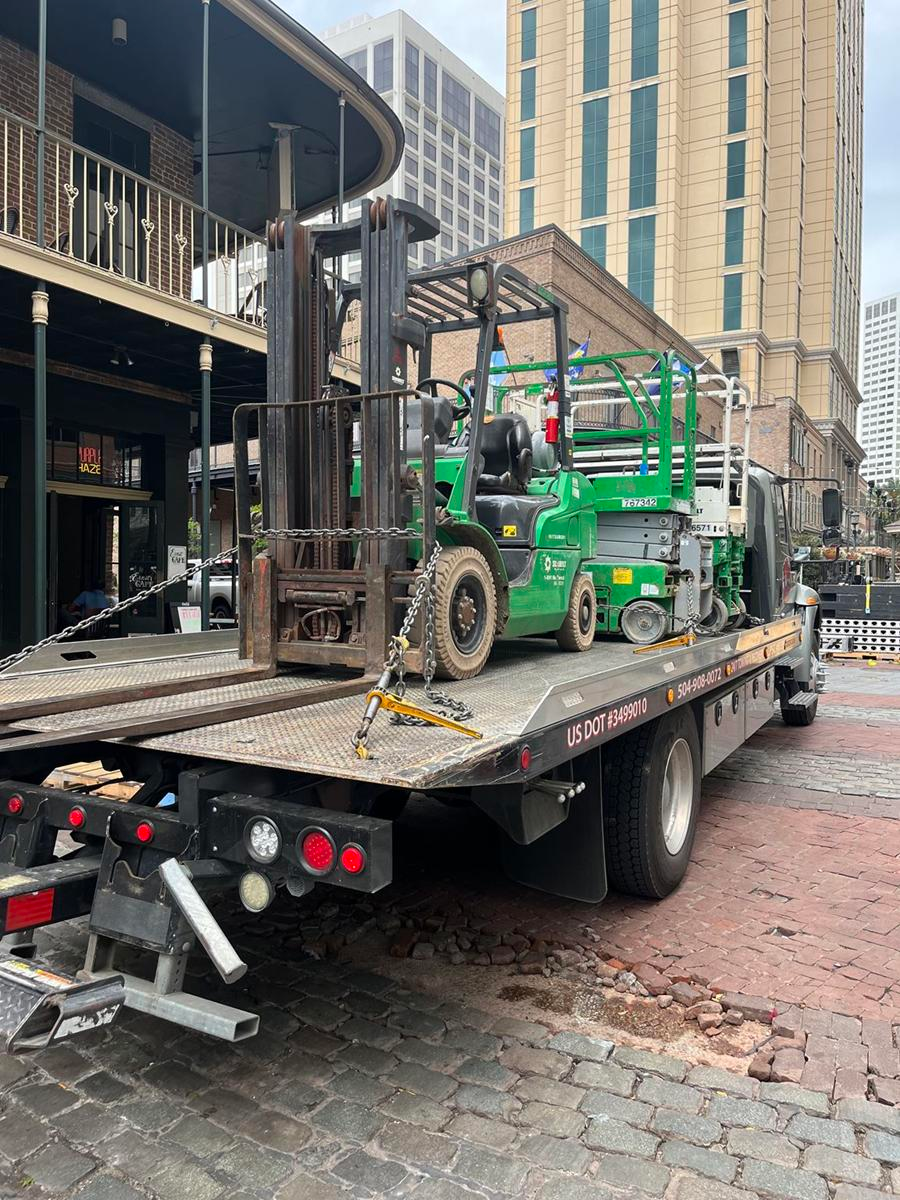


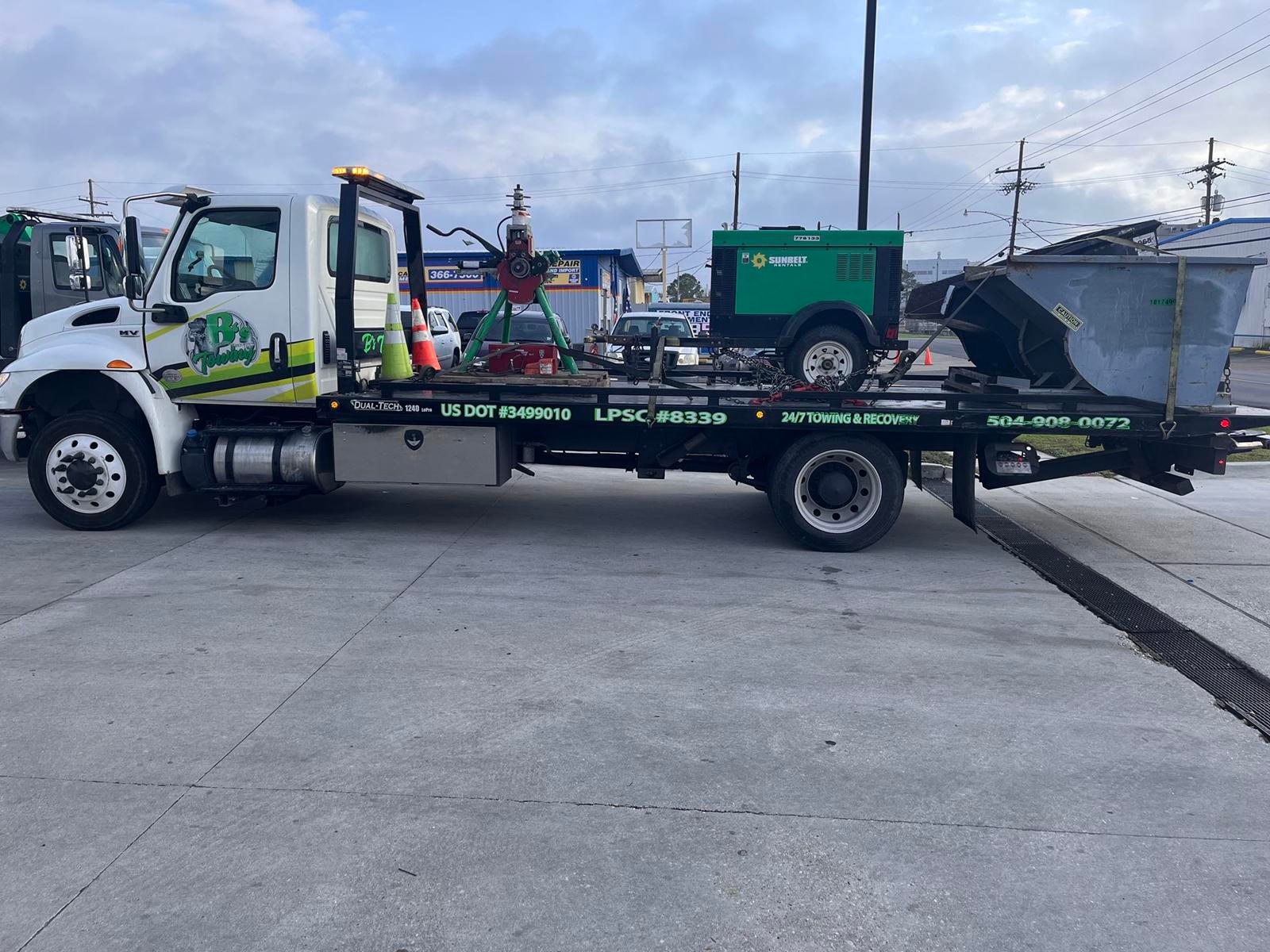


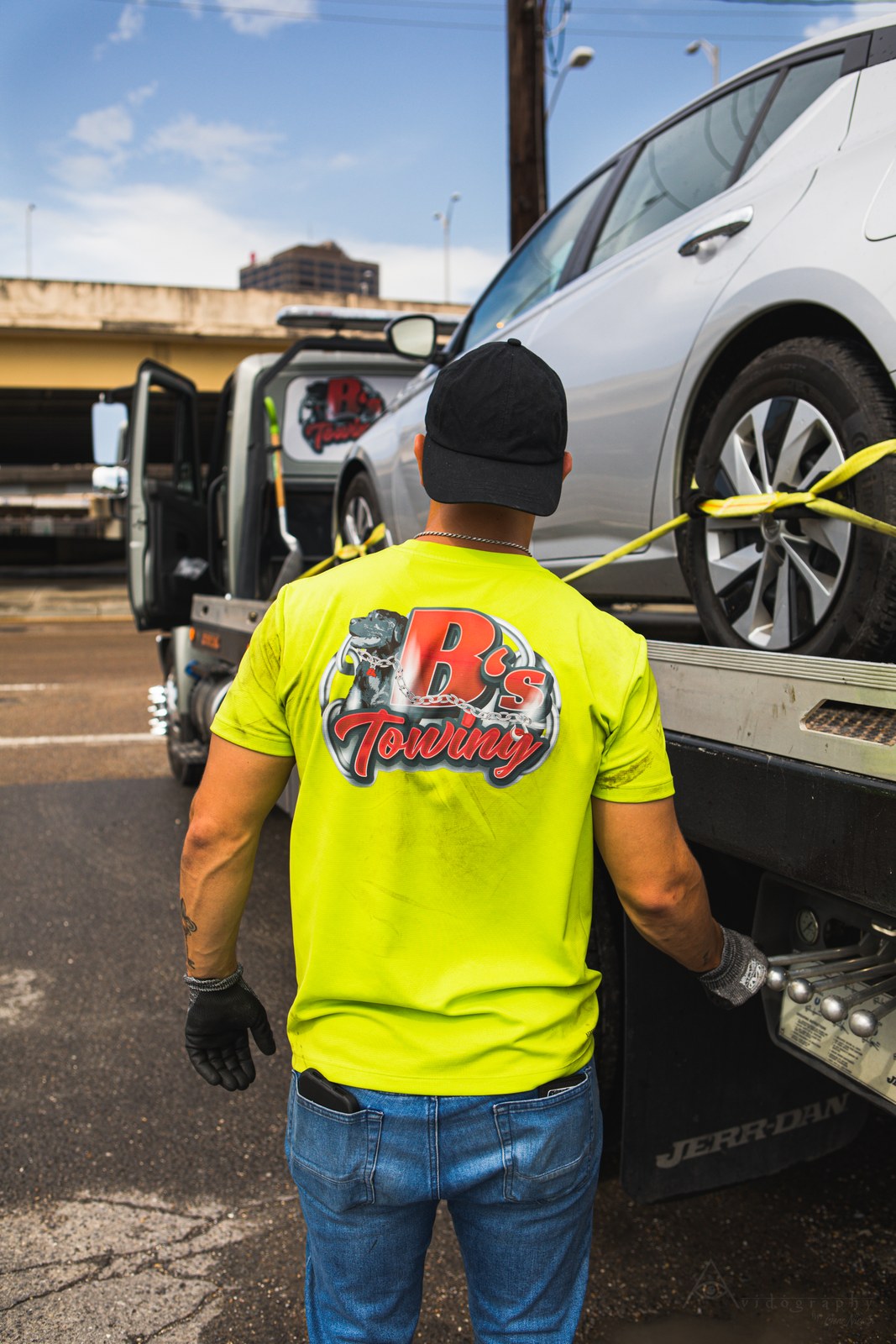
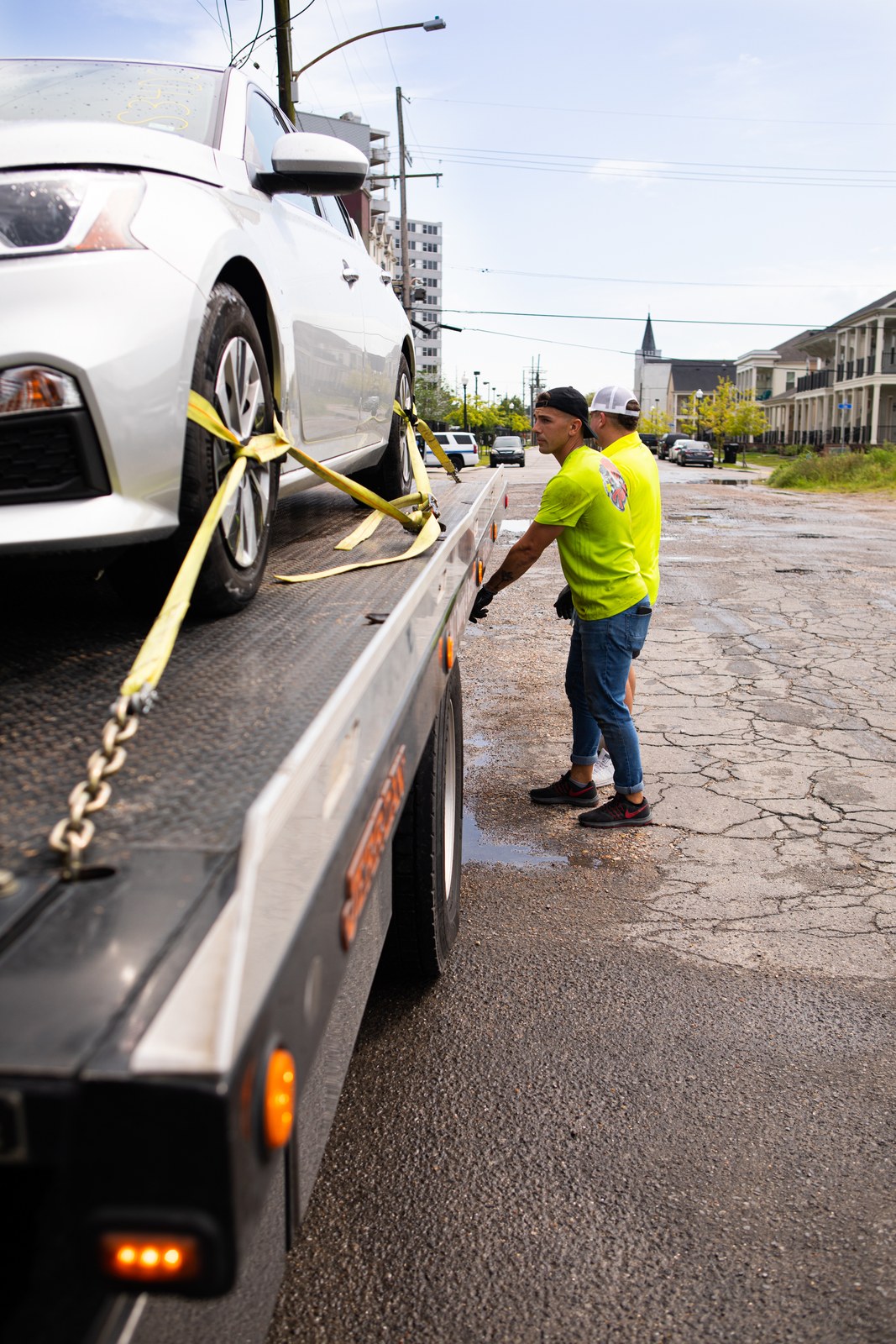
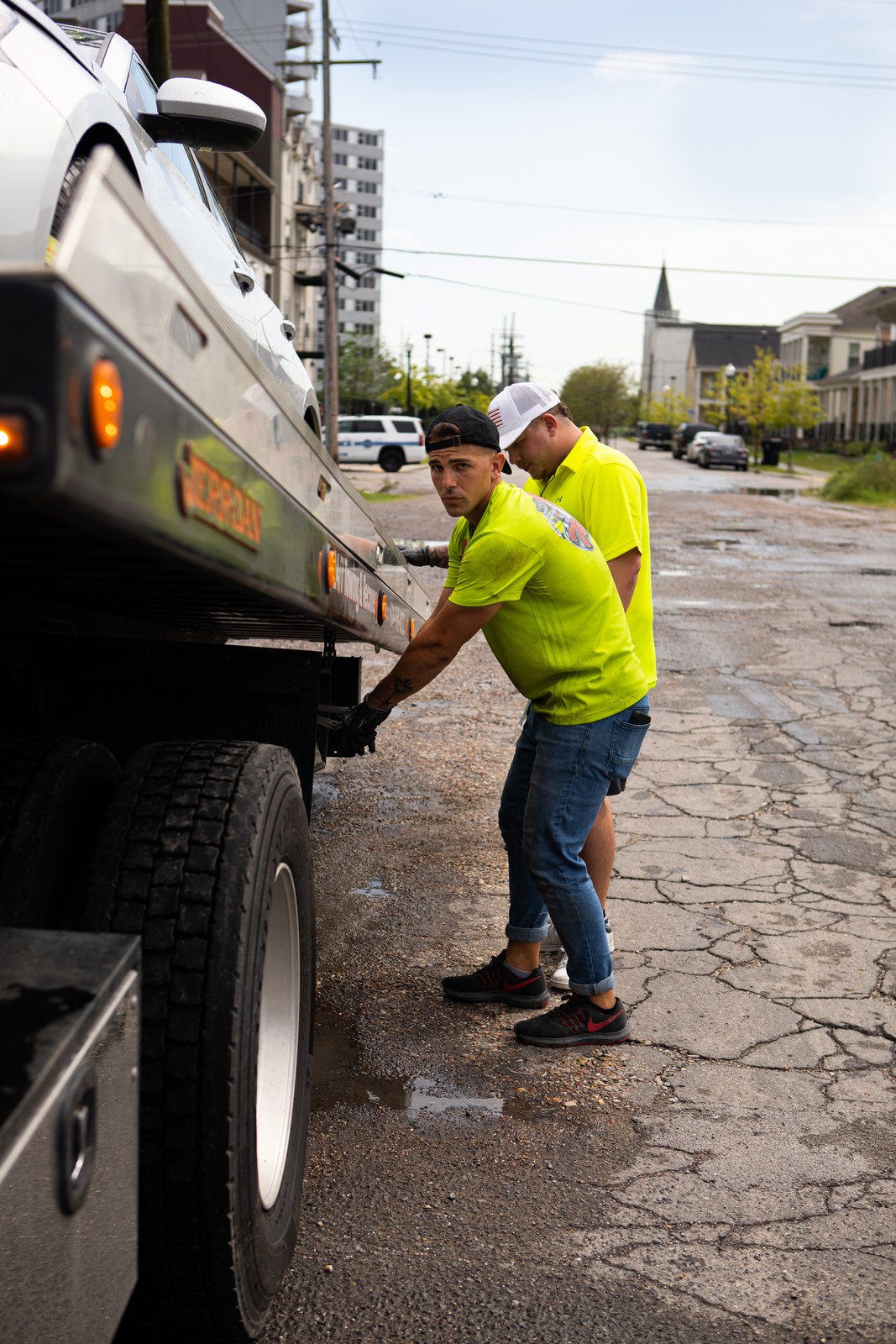
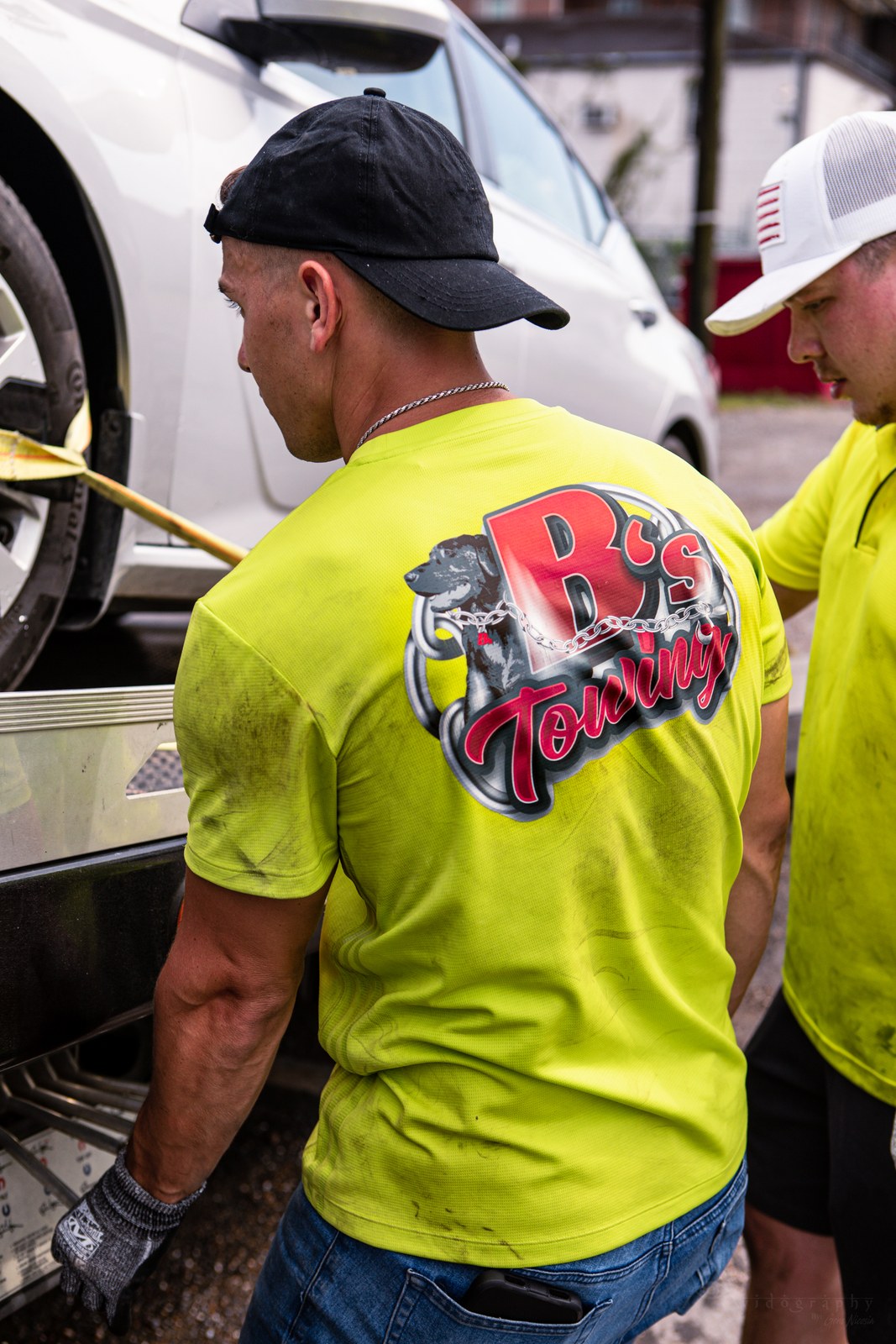
Use the gallery to start a practical conversation
Browse the photographs above for a visual introduction to the business’s vehicles, equipment and work settings. An image can help you recognize the kind of situation you want to discuss, but the next request still needs its own review. Call 504-908-0072 with the actual pickup, vehicle and needed result for time-sensitive coordination. You do not need to find a matching photograph before asking dispatch about availability or the appropriate service conversation.
If a photo resembles your situation, explain the resemblance in plain language and also identify what is different. A vehicle of a similar shape may have a different condition, load or access restriction. Do not treat a gallery scene as a promise that the same equipment or working arrangement will be available for a new request. The gallery supports understanding; the service conversation establishes current facts and the actual arrangement.
Explore the service that matches the actual need
A car requiring transport, a roadside assistance question and an equipment move should not all be described only as a tow because that is the broadest familiar term. Use the service pages to explore the business’s published categories, then tell dispatch what happened and what result you need. If you are unsure, describe the situation honestly instead of selecting a service from a guessed diagnosis or assuming a photograph defines the complete scope.
The links below provide ordinary routes to relevant service information without making the photo collection the only way to navigate. A service description and an image are starting points for a specific request, not confirmation that every vehicle, load or site can be accepted. Ask dispatch about the actual job, equipment availability and quoted scope. Separate cargo, detached parts or other items should be disclosed rather than assumed included because a photographed scene shows several objects.
Look at the setting as well as the vehicle
Work photographs may show a vehicle in relation to a property entrance, parking position or surrounding space. Those visible details explain why the setting matters, but they do not reveal every condition that shaped that particular job. A photo cannot establish current ground support, hidden damage or equipment clearance at another site. Avoid copying a maneuver from an image or directing an operator to reproduce a scene that has not been assessed for your request.
For your own pickup, give the actual entrance, known gates and vehicle position. Mention restrictions outside the frame of any picture you send and identify the source of access instructions. Do not assume a standard vehicle reaching the property proves a recovery truck can reach the same point. A useful description makes the current combination of site and vehicle visible while leaving technical working decisions to appropriate review of the real circumstances.
Explain condition beyond what a photograph can show
Provide year, make and model, key availability and known movement limitations for a new request. Explain relevant modifications, missing components or current load information rather than relying only on appearance. An intact-looking vehicle can have an unresolved control issue, and a project can differ materially from its factory description. Do not restart, move or force controls solely to provide a more confident answer. Clearly labeled unknown information is better than an unsafe test or an invented condition.
If a professional has assessed the vehicle, identify that source and keep relevant instructions available. Separate your own observations from the diagnosis. Older pictures or a seller’s description should not automatically be treated as current. A gallery photo is not a substitute for the actual vehicle account, and your own photos cannot prove roadworthiness or establish every handling requirement. Dispatch reviews the known facts together with access and the requested receiving arrangement.
Share your own useful views safely and privately
When a request needs supporting images, use current available views taken from a safe, permitted place. One view can show the vehicle configuration, another its position and another the approach. Explain what each shows and when it was taken. Do not enter traffic, restricted property or an unstable situation to obtain a matching gallery-style angle. If an image is unavailable, say so and provide the safe observations you already know.
Keep access codes, personal documents and unrelated private information out of public comments. Use the agreed direct service channel for necessary request images and provide written context rather than relying on an unlabelled collection. Do not substitute another vehicle’s image because it looks similar. An accurate picture of the actual request with honest limitations is more useful than a polished photograph that conceals changes, omits the relevant surroundings or belongs to a different situation.
Move from browsing to a confirmed arrangement
Use the contact choices to begin a request when you have the relevant facts. For transport, confirm that the proposed receiver accepts the actual vehicle or item at the intended time, and obtain its usable entrance and handoff instructions. A repair-shop address alone is not a receiving arrangement. Keep passenger plans separate and ask about relevant practical needs rather than assuming the photographed truck establishes ride space for everyone involved.
Ask dispatch to confirm availability, scope and the next agreed step. A gallery visit, shared photograph or submitted form does not assign equipment or establish a booking. If access, condition or destination changes, update the existing request and ask for acknowledgment where it affects service. For an immediate threat or injury, contact emergency services first. The gallery provides visual context while actual service decisions remain tied to the current vehicle, site, contacts and accepted handoff.
