

B’S TOWING • GREATER NEW ORLEANS
Heavy-Duty Towing & Recovery in Greater New Orleans
Prefer a callback? Leave your number.
Dispatch confirms availability, equipment, timing and price. A request is not a confirmed booking.
Commercial truck, bus, tractor-trailer and equipment recovery with the right rigging.
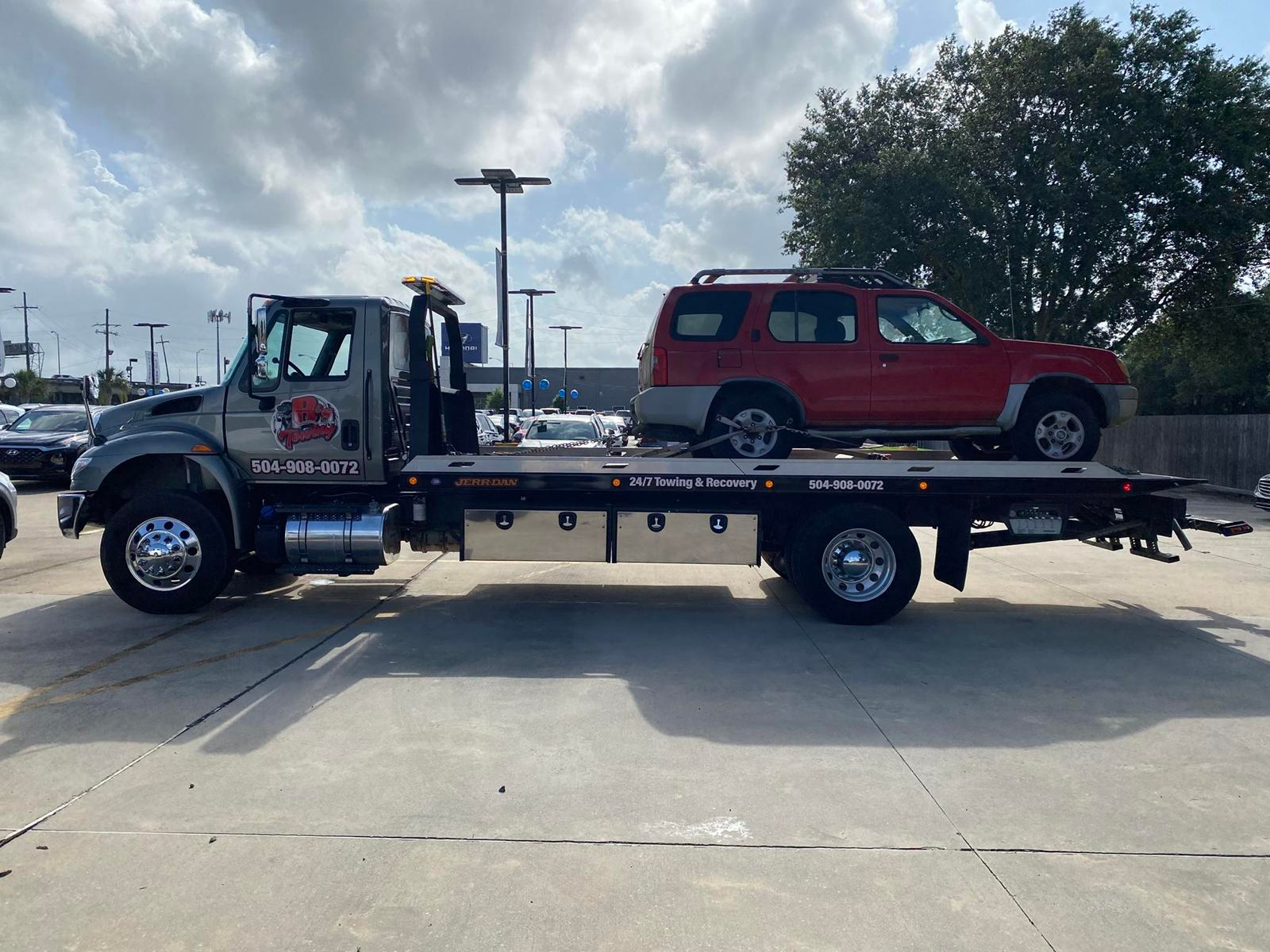
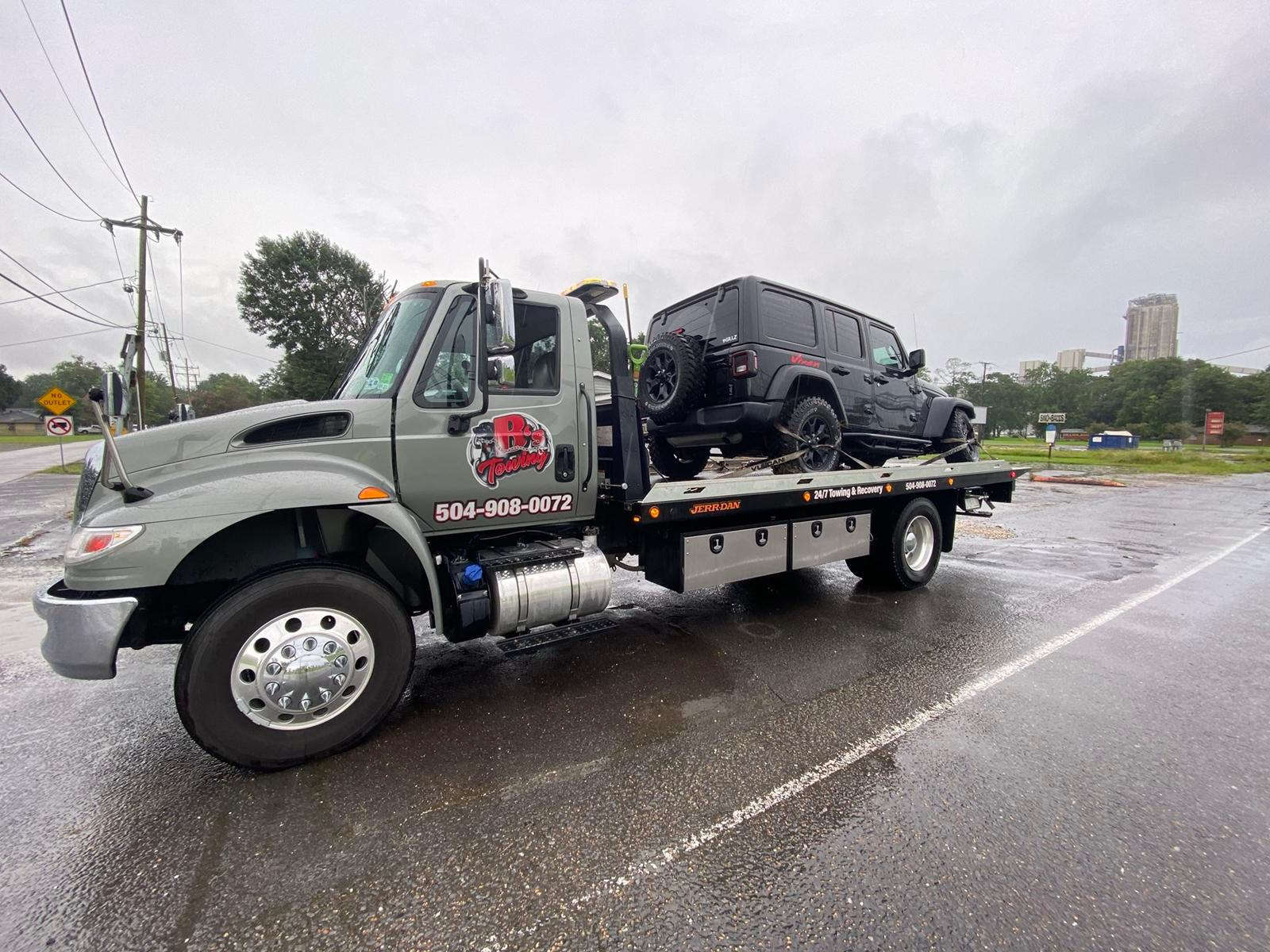
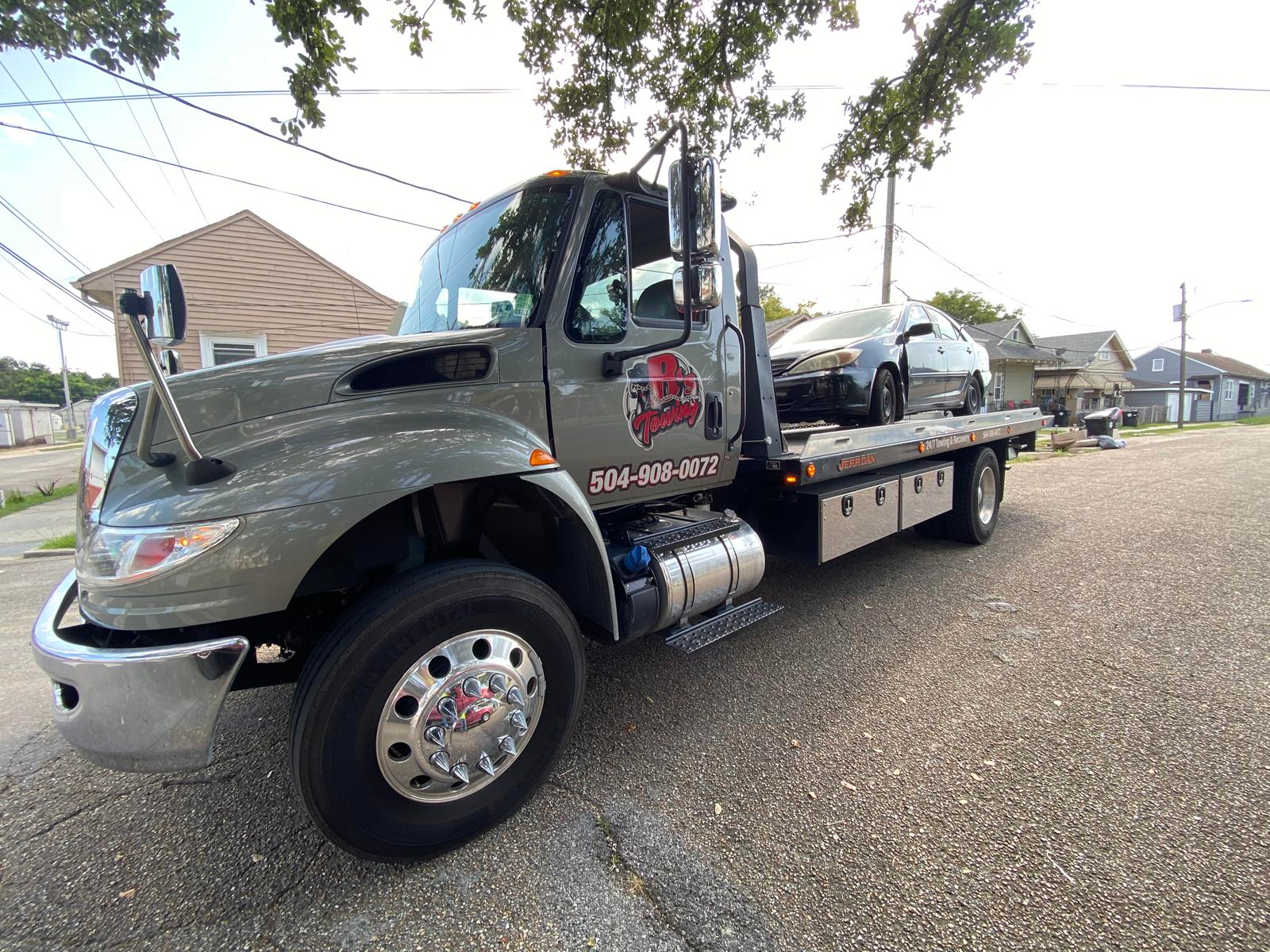
Professional Heavy-Duty Towing & Recovery
Commercial truck, bus, tractor-trailer and equipment recovery with the right rigging. Dispatch matches the truck, operator and equipment to the vehicle, load and scene conditions so the job is handled safely and efficiently.
From New Orleans and Harvey to Luling, Madisonville and surrounding Southeast Louisiana communities, our team can travel beyond the immediate metro area for the right recovery, transport or commercial job.
What this service includes
- Tractor-trailer recovery
- Bus and commercial truck towing
- Heavy recovery and uprighting
- Clear dispatch communication and arrival coordination
- Service for individual drivers, fleets and commercial customers
Heavy vehicles need load and combination details
A heavy-duty request should identify the truck, bus or commercial vehicle and describe whether a trailer or other equipment is attached. Explain what cargo is present, any reliable loaded-weight information, the number of axles and the current vehicle position. A straight truck, tractor-trailer, motor coach and loaded work vehicle can require different handling plans. Share known damage, air or braking problems and any inability to steer or roll. Do not disconnect a combination or manipulate systems simply to satisfy a checklist; tell dispatch what is confirmed and what is unknown.
Commercial pickups also require a release and receiving plan. Have a driver, fleet manager or authorized contact available to answer questions about the vehicle and load. Explain whether a yard, terminal, customer site or roadway scene controls access. Recovery and uprighting are separate planning problems from an ordinary tow, especially where the vehicle has left a stable surface. Dispatch and the recovery operator assess the equipment and scene. Mention spilled cargo, obstructions or emergency responders before requesting movement so the service scope can be coordinated appropriately.
Send a request dispatch can act on
A useful service request starts with the actual pickup position and a reachable phone number. Give the street address when available, then explain where the vehicle or load sits on the property. For a roadway pickup, describe your direction of travel and a nearby sign or landmark from a safe position. A business address, parking garage name or map pin can point to several entrances, so include the entrance the operator should use. Tell dispatch whether someone can meet the truck and whether a gate, security desk or property manager controls access.
Next, describe the vehicle or load as it is now. Include the model or equipment type, whether it runs, and any known difficulty with rolling, steering or braking. A missing key, damaged wheel, low clearance, attached trailer or cargo can change the equipment needed. Say when a detail is unknown instead of guessing. Share a photograph only when it can be taken safely. The operator makes the final handling assessment; an online description helps planning but does not replace that assessment.
Understand the quote before approving service
Ask dispatch to explain the proposed service and the quoted scope before approving the pickup. Confirm the pickup and destination, the vehicle or load described, equipment availability and the access assumptions used in planning. Ask what is included and what additional circumstances would require a revised quote. A simple transfer from an accessible parking space is different from a recovery, restricted loading area or damaged vehicle. Explain those conditions at the beginning so dispatch can review them rather than discovering them only after a truck arrives.
Timing should also be confirmed directly. The website provides ways to ask for help; it does not show a live truck assignment or guarantee an arrival time. A submitted form, delivered text or requested callback is the beginning of coordination. Keep your phone available, answer follow-up questions and wait for confirmation. If you relocate, choose a different repair shop or discover a new access problem, update dispatch before the operator travels to the original location. Clear changes protect both the pickup plan and the scope you have approved.
Plan the receiving end of the trip
Before loading, confirm who can receive the vehicle or equipment and how the receiving site will be accessed. Share the destination address, contact name, phone number and any gate or after-hours instructions. A repair shop may need to approve the arrival, while a commercial yard may require a specific entrance or unloading space. Tell dispatch if nobody will be present so an authorized handoff can be discussed. Do not assume that a closed business, locked lot or empty job site can accept a delivery simply because an address was supplied.
Also plan for the people and belongings involved. Ask about passenger arrangements before pickup, and mention children, pets or mobility needs so you can organize suitable transportation. Keep essential personal items with you when it is safe to do so, and identify the person authorized to release the vehicle or load. Contact emergency services first for immediate danger, injury, fire or threatening traffic. For the towing arrangement itself, use call, text or the service form and confirm the next step with B’s Towing dispatch.
A clearer heavy-duty pickup brief
A heavy-duty request benefits from a vehicle description that separates the power unit, attached trailer and cargo. Give the make or vehicle type you know, explain what is attached and identify whether the combination is loaded. Do not use a guessed weight as if it were a measured figure. If specifications or a load document are available, tell dispatch what they identify and where uncertainty remains. Equipment suitability must be assessed for the actual request.
Describe the current position with enough detail to plan an approach. Is the vehicle beside a road, in a loading yard, against a dock or inside a controlled property? Mention nearby traffic, restricted turning space, gates and limited access windows. An operator needs to understand the working space around the vehicle as well as the address. Do not attempt to reposition a disabled truck merely to make the proposed approach simpler.
Explain the operational handoff. The person requesting service may be a driver, fleet dispatcher, owner or receiving manager. Identify who can approve the work and who can release the vehicle. Give a reachable contact for the pickup and another for delivery when they are different people. If a trailer or cargo needs a separate decision, make that dependency explicit before anyone assumes the whole combination can be moved together.
Confirm the receiving site and its ability to accept the vehicle in its current condition. A commercial repair location may have a specific entrance, check-in process or delivery window. Ask for those instructions and pass them to dispatch. If unloading or access arrangements are still unresolved, describe them as unresolved rather than presenting the destination as ready.
Review the quoted scope against the described condition. A transport request, a recovery and a disabled loaded combination can involve different work. Ask what assumptions the arrangement depends on and how a material change will be communicated. Record the contact numbers and agreed next step, then keep those contacts available. A request sent through the website starts the review; it does not confirm a particular truck, lifting capacity or arrival time.