

B’S TOWING • GREATER NEW ORLEANS
Roadside Assistance in Greater New Orleans
Prefer a callback? Leave your number.
Dispatch confirms availability, equipment, timing and price. A request is not a confirmed booking.
Jump starts, tire changes, lockouts and fuel delivery when you are stranded.
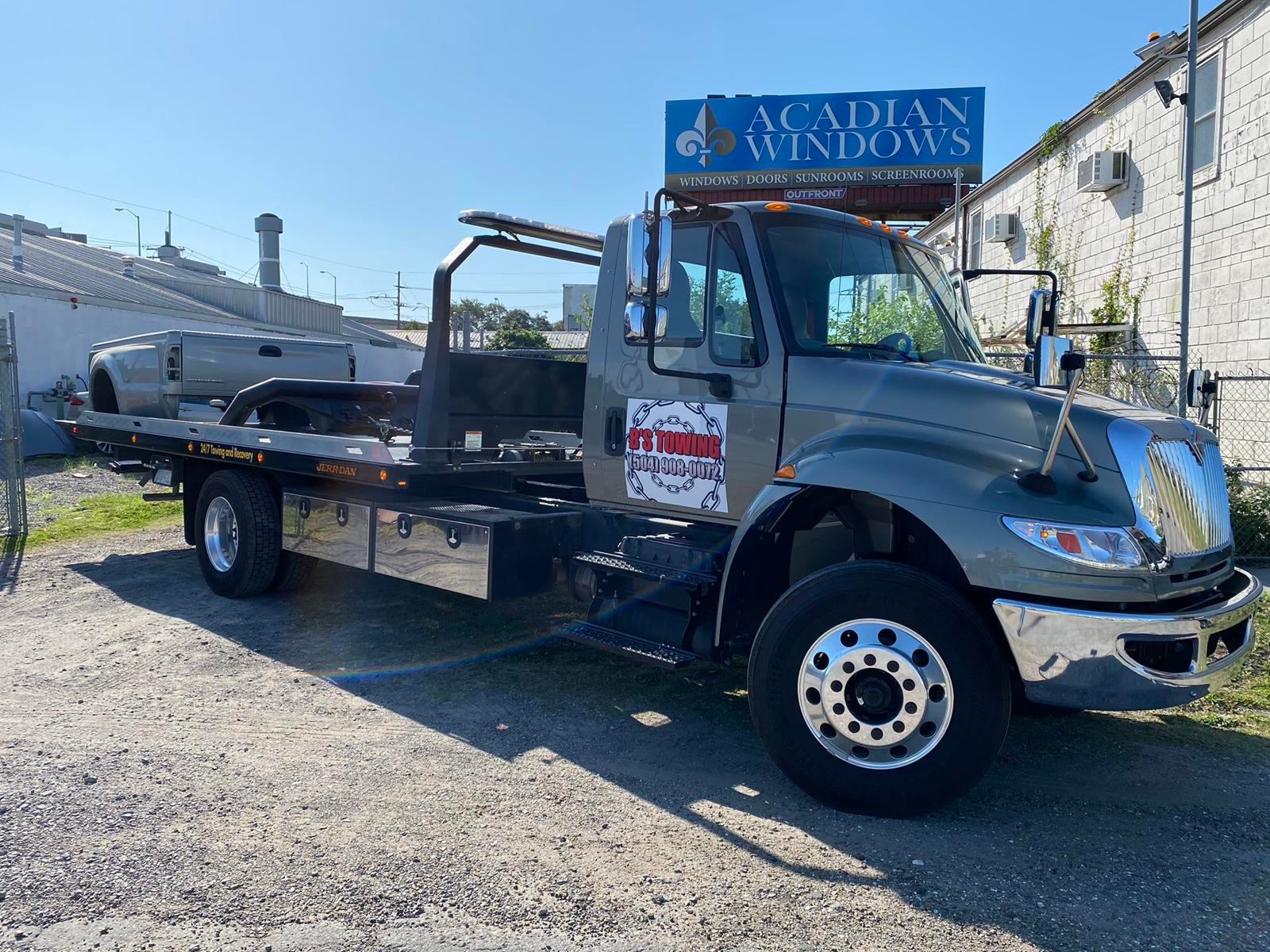
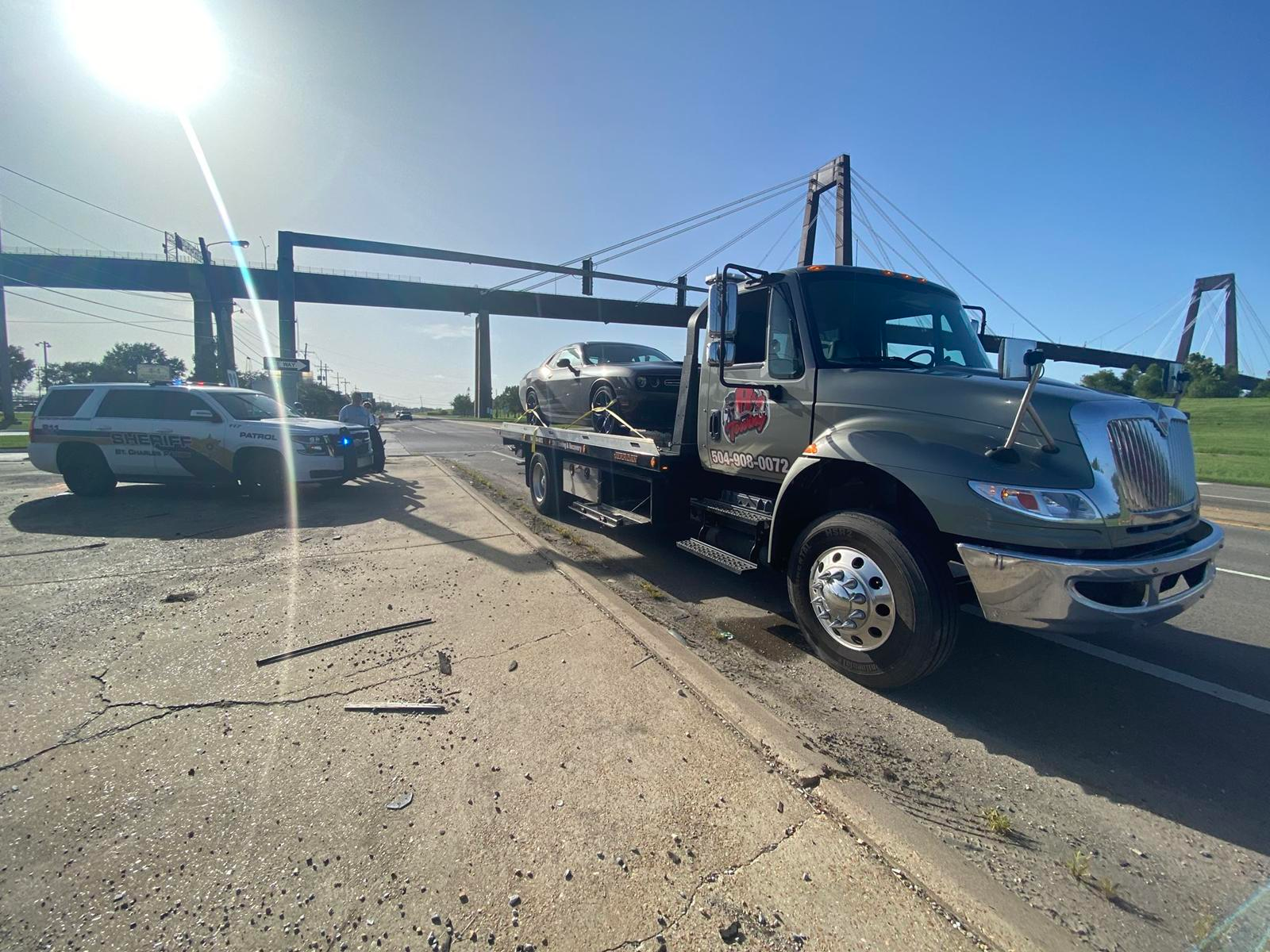
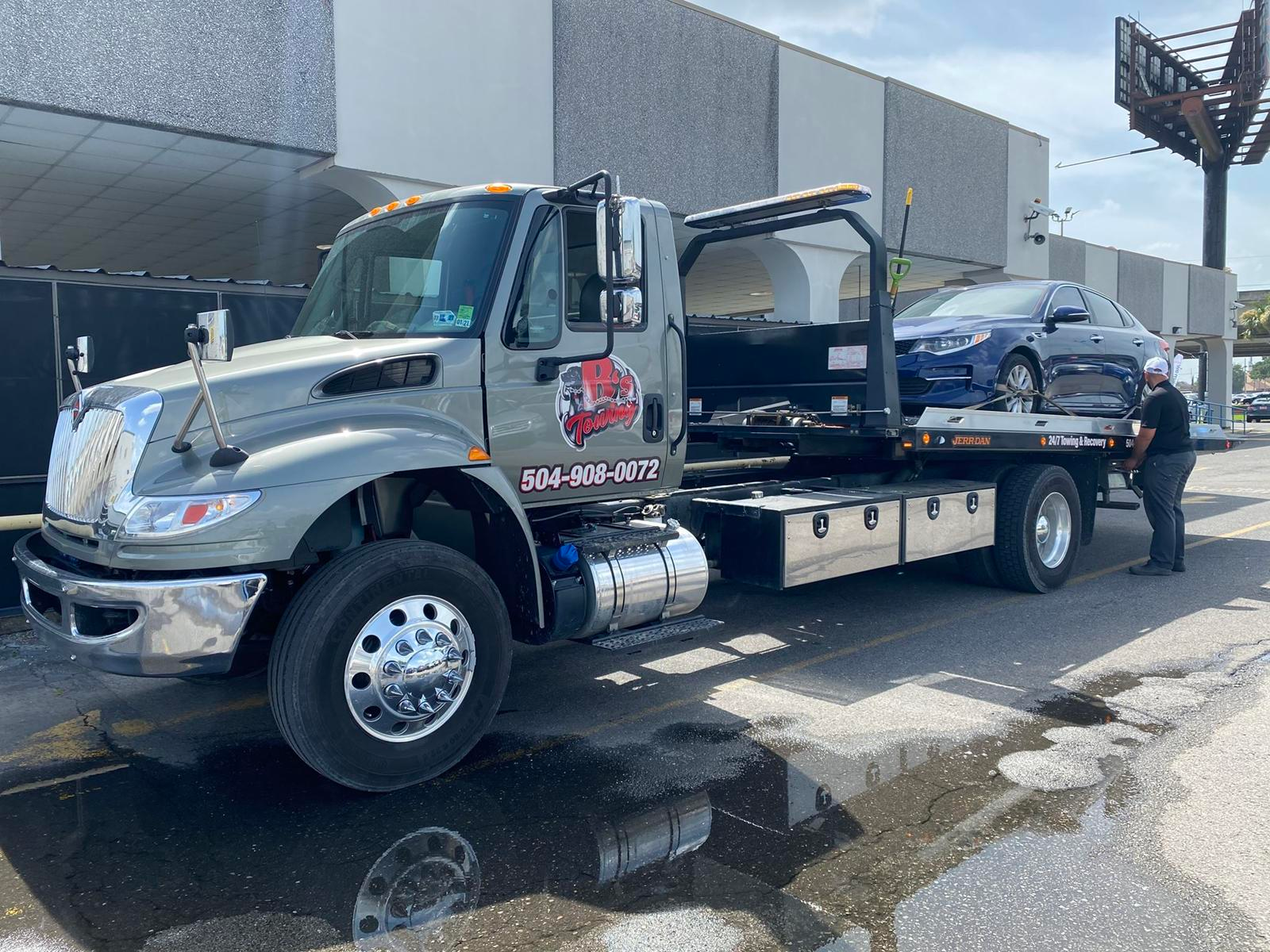
Professional Roadside Assistance
Jump starts, tire changes, lockouts and fuel delivery when you are stranded. Dispatch matches the truck, operator and equipment to the vehicle, load and scene conditions so the job is handled safely and efficiently.
From New Orleans and Harvey to Luling, Madisonville and surrounding Southeast Louisiana communities, our team can travel beyond the immediate metro area for the right recovery, transport or commercial job.
What this service includes
- Jump-start service
- Flat-tire help
- Lockout and fuel delivery
- Clear dispatch communication and arrival coordination
- Service for individual drivers, fleets and commercial customers
Match roadside help to the problem
Roadside assistance starts by explaining the symptom rather than choosing a repair yourself. A car that will not start could have a battery, fuel, electrical or mechanical problem; dispatch needs to know what you observed and whether the vehicle is in a safe, accessible place. For tire help, describe the affected wheel, visible damage and whether the vehicle has a usable spare and the required wheel-lock key. A missing spare, damaged wheel or unsafe working position can make a tow more appropriate than a roadside tire change.
For a lockout, explain the vehicle model and whether a key is lost, locked inside or damaged. If a person or animal is trapped in an immediate-risk situation, contact emergency services first. For fuel help, identify the vehicle and required fuel without guessing. Describe any incorrect-fuel concern before trying to start it. Dispatch reviews the requested assistance and equipment available, and the operator checks the situation on arrival. Roadside help is not a promise that every breakdown can be repaired where the vehicle stopped.
Send a request dispatch can act on
A useful service request starts with the actual pickup position and a reachable phone number. Give the street address when available, then explain where the vehicle or load sits on the property. For a roadway pickup, describe your direction of travel and a nearby sign or landmark from a safe position. A business address, parking garage name or map pin can point to several entrances, so include the entrance the operator should use. Tell dispatch whether someone can meet the truck and whether a gate, security desk or property manager controls access.
Next, describe the vehicle or load as it is now. Include the model or equipment type, whether it runs, and any known difficulty with rolling, steering or braking. A missing key, damaged wheel, low clearance, attached trailer or cargo can change the equipment needed. Say when a detail is unknown instead of guessing. Share a photograph only when it can be taken safely. The operator makes the final handling assessment; an online description helps planning but does not replace that assessment.
Understand the quote before approving service
Ask dispatch to explain the proposed service and the quoted scope before approving the pickup. Confirm the pickup and destination, the vehicle or load described, equipment availability and the access assumptions used in planning. Ask what is included and what additional circumstances would require a revised quote. A simple transfer from an accessible parking space is different from a recovery, restricted loading area or damaged vehicle. Explain those conditions at the beginning so dispatch can review them rather than discovering them only after a truck arrives.
Timing should also be confirmed directly. The website provides ways to ask for help; it does not show a live truck assignment or guarantee an arrival time. A submitted form, delivered text or requested callback is the beginning of coordination. Keep your phone available, answer follow-up questions and wait for confirmation. If you relocate, choose a different repair shop or discover a new access problem, update dispatch before the operator travels to the original location. Clear changes protect both the pickup plan and the scope you have approved.
Plan the receiving end of the trip
Before loading, confirm who can receive the vehicle or equipment and how the receiving site will be accessed. Share the destination address, contact name, phone number and any gate or after-hours instructions. A repair shop may need to approve the arrival, while a commercial yard may require a specific entrance or unloading space. Tell dispatch if nobody will be present so an authorized handoff can be discussed. Do not assume that a closed business, locked lot or empty job site can accept a delivery simply because an address was supplied.
Also plan for the people and belongings involved. Ask about passenger arrangements before pickup, and mention children, pets or mobility needs so you can organize suitable transportation. Keep essential personal items with you when it is safe to do so, and identify the person authorized to release the vehicle or load. Contact emergency services first for immediate danger, injury, fire or threatening traffic. For the towing arrangement itself, use call, text or the service form and confirm the next step with B’s Towing dispatch.
Make the roadside request specific
A useful roadside request describes the problem without deciding the remedy too early. Instead of saying only that you need a tow, explain whether the vehicle is parked, stopped on a road, unable to start or affected by a tire problem. Describe any warning messages as they appear. Dispatch can then review the roadside request alongside the possibility that transporting the vehicle will be the more suitable next step. The website cannot diagnose a mechanical or electrical fault from a symptom.
For tire-related help, identify which tire is affected and whether the vehicle has a usable spare. Say if you do not know. Mention an unusually positioned wheel, visible wheel damage or a vehicle sitting where roadside work would be unsafe. Those observations matter even when you have requested a tire change. Do not crawl underneath the vehicle, loosen components or try to make a damaged vehicle move just to answer a form question.
For a starting problem, describe what happens when you try to start the vehicle, if you already observed it safely. Tell dispatch whether there is an accessible key and whether the vehicle has unusual starting instructions. A vehicle that will not start is not automatically a simple battery issue. If roadside work does not resolve the situation, discuss the towing destination and a revised service scope before approving an additional arrangement.
Make the location understandable to someone arriving from a different direction. Include the road, direction of travel, parking area or property entrance. A large shopping center can have several separate lots with the same address. Texting a pin plus an entrance description helps reduce that ambiguity. Keep one reachable number available for clarification, and let dispatch know when the person requesting help is not the person waiting with the vehicle.
Before treating roadside assistance as arranged, confirm the proposed service, access, available equipment and quoted scope. Tell dispatch if conditions worsen or if you leave the vehicle with another authorized person. Where there is immediate danger, injury, fire or threatening traffic, contact emergency services first. Roadside coordination is separate from emergency response, and an online request does not replace either direct conversation.