

B’S TOWING • GREATER NEW ORLEANS
Comparing towing quotes: ask about the same vehicle, route and service scope
Prefer a callback? Leave your number.
Dispatch confirms availability, equipment, timing and price. A request is not a confirmed booking.
Two towing prices are only comparable when they describe the same job. A running car in an open driveway, a nonrolling car behind a gate and a vehicle needing a different receiver may require different review. Ask B’s Towing at 504-908-0072 about the actual vehicle and proposed service. This guide helps organize questions; it does not publish a universal rate, promise the lowest price or determine what another provider includes in an offer.
On this page
- Give each provider the same current vehicle description
- Use the same pickup position and receiving destination
- Describe access and extra work before comparing totals
- Ask what is quoted and what still needs confirmation
- Keep timing, passengers and third-party payment distinct
- Accept one clear arrangement and update meaningful changes
- Questions and answers
Pickup planning
Give each provider the same current vehicle description
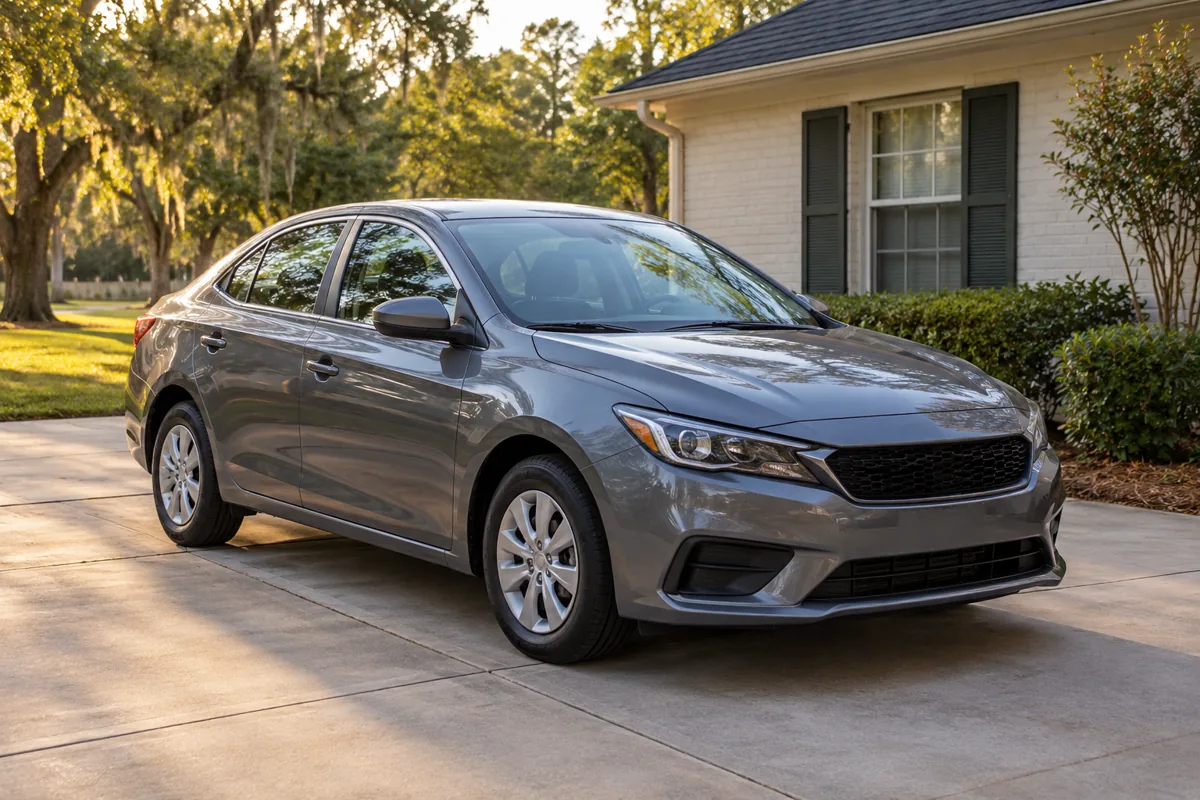
Start with the make, model and present condition, then explain what is known about keys, starting, rolling, steering and braking. Include relevant damage, fitted features or other circumstances that affect the actual request. Do not reduce the description to a vehicle category when a provider has asked for more specific information. A short, factual summary is more useful than a guessed diagnosis or a promise that the car can be moved normally.
When comparing offers, note which information each provider received. If one discussion assumed a running car and another described locked wheels, the figures may not refer to the same scope. Correct the missing information before making a price comparison. State uncertainties honestly and ask what further review is needed. Do not move, start or alter the vehicle solely to make it match an earlier estimate. If someone later confirms a different condition, update the request rather than treating the first price as a complete description of the revised job.
Use the same pickup position and receiving destination
Give the exact pickup address, vehicle position and usable entrance. A city name or broad neighborhood does not describe a route or the approach to the car. Then identify the intended receiving address, entrance and contact. Use those same locations in each comparison. A destination business with several branches should be identified by its complete address instead of a name that could send the vehicle to a different location.
Ask what happens if either location changes after the quote. Keep a requested stop, separate property delivery or alternate receiver explicit instead of adding it mentally to the offered service. The important comparison is the actual reviewed route and handoff, not a distance remembered from a map. If the receiver has not yet accepted the vehicle, tell the provider that receiving remains unresolved. An offer based on one accepted destination should not be assumed to cover another route or an unplanned waiting arrangement without further discussion.
Describe access and extra work before comparing totals
Explain gates, garages, tight approaches, blocked vehicles and other known access conditions. Say whether a key holder or property representative must meet the operator. Give the actual situation rather than simply saying the car is easy to reach. If the vehicle is off pavement or in a restricted area, describe what is observed without selecting a recovery method yourself. Ask dispatch what review is needed for the proposed service and available equipment.
Clarify any work beyond moving the stated vehicle between the stated locations. Examples to discuss include separate belongings, additional stops, coordination with a release business or a requested receiving delay. These are questions about the scope, not a statement that any particular provider offers or charges for them in a particular way. Ask what the proposed total includes and what assumptions it uses. Do not compare a basic inquiry with a more detailed reviewed offer until the access and requested work have been described consistently.
Ask what is quoted and what still needs confirmation
Ask the provider to explain the proposed service, price and remaining conditions in plain language. Establish whether the figure describes the information already supplied or whether further vehicle, route or equipment review is required. Ask how a material change would be discussed before additional work is approved. Keep notes of the actual explanation rather than filling gaps with an assumption about what towing usually includes.
When information is unclear, read back a concise description of the job and ask the provider to correct it. Confirm the vehicle, pickup, destination, access and any requested additional work together. Do not interpret a headline price, an automated message or an unanswered form as a complete accepted arrangement. Keep the contact or reference associated with the offer so an update can be connected to the original discussion. This approach makes the comparison easier to understand without claiming that every business uses the same pricing structure or terminology.
Keep timing, passengers and third-party payment distinct
Discuss the service timing that is actually available and distinguish it from your preferred deadline. A repair appointment, work shift or flight time explains urgency but does not establish truck availability. If one offer assumes a scheduled move and another concerns an immediate inquiry, ask about that difference before treating the totals as equivalent. Do not rely on a general availability statement as confirmation of a particular arrival time.
Ask about passengers separately and arrange onward travel when needed. The vehicle service alone does not establish seats or accommodation for everyone waiting. If an insurer, motor club, fleet or another party may pay, use that party’s actual process to confirm eligibility and authorization. A towing quote does not decide reimbursement or coverage. Explain any existing third-party arrangement to dispatch so the conversation does not create overlapping requests. Keep the vehicle plan, personal travel and payment-provider review clear enough that each responsible party knows what it has actually accepted.
Accept one clear arrangement and update meaningful changes
Before approving service, read back the accepted scope and ask what remains pending. Confirm the reachable contact, key handoff and receiver as well as price and timing. When choosing among offers, close out other active inquiries appropriately through the provider’s process rather than assuming no reply means everyone knows your decision. Do not create duplicate bookings while comparing availability and then expect the arriving operators to resolve them.
Keep the accepted request current. Report a moved car, different receiver, missing key or newly confirmed condition through the same contact or reference. Clearly state which earlier instruction changes and ask for the revised arrangement to be reviewed before relying on it. Retain the actual handoff and service records for your own questions or any separate payment review. A quote is useful when its assumptions stay connected to the real job; comparing the number alone leaves the most consequential differences in vehicle condition, access and receiving unresolved.