

B’S TOWING • GREATER NEW ORLEANS
Shopping-center vehicle pickup: identify the storefront, parking section and usable entrance
Prefer a callback? Leave your number.
Dispatch confirms availability, equipment, timing and price. A request is not a confirmed booking.
A shopping-center address can lead to several entrances, rows and separate buildings. When a vehicle needs help there, dispatch needs the car’s actual position as well as the destination people recognize by name. Contact B’s Towing at 504-908-0072 with the vehicle description, current location and requested assistance. This guide helps a driver or coordinating contact make the parking-lot handoff clearer. Dispatch still needs to confirm availability, access, service scope and any receiving arrangement before the request becomes an accepted booking.
On this page
- Name the shopping center and the specific parking position
- Distinguish the entrance from the route to the car
- Identify the vehicle and describe the requested help
- Coordinate people, keys and shopping separately from the car
- Arrange a destination when the vehicle needs transport
- Confirm the current parking information before relying on arrival
- Questions and answers
Pickup planning
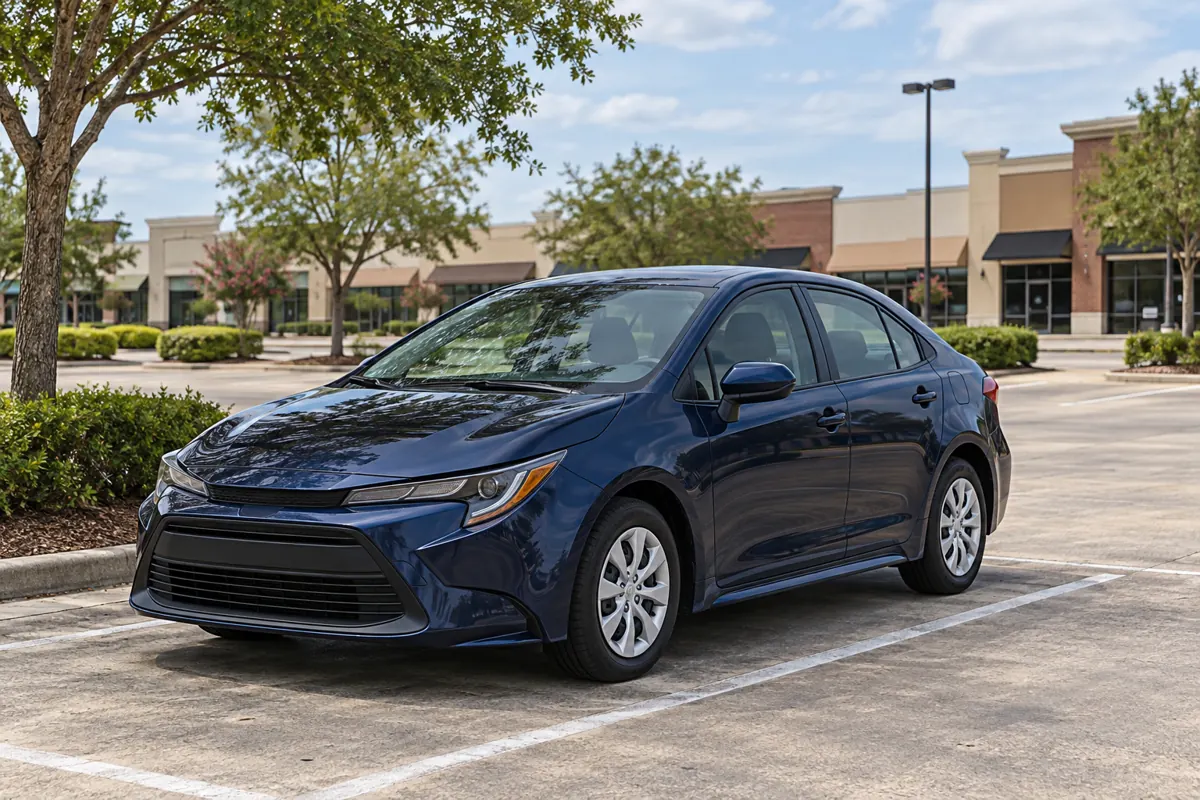
Name the shopping center and the specific parking position
Give the shopping center’s name and street address, then identify the storefront, row or parking section nearest the actual car. Distinguish the business you visited from the place where the vehicle is parked. A large store may have spaces along several sides of its building, and a center can contain separate outlying businesses. Use visible fixed landmarks that a person entering the property can recognize, rather than relying only on a general instruction such as near the big store.
If you use a map pin, check that it represents the car’s current location rather than the center’s default address point. Pair the pin with a short written explanation of the usable entrance and final approach. A location shared earlier in the day can become outdated if someone relocates the vehicle. Keep one current instruction and clearly replace any earlier position so dispatch is not asked to choose between conflicting points within the same property.
Distinguish the entrance from the route to the car
Explain which entrance reaches the relevant parking section and whether the route differs from the most obvious public entrance. Mention temporary barriers, closed access, construction, parked vehicles or other visible restrictions along the approach. A retail center may have customer parking, loading areas and access lanes with different controls. Describe the route as it stands without assuming a vehicle used by a customer establishes access for a proposed service vehicle.
Identify a reachable property or business contact if access needs coordination. A store employee may help identify the area without controlling the entire property. Clarify who can approve a restricted entrance or arrange an access change when needed. Do not report a barrier as removed merely because someone has agreed to look into it. If the situation changes, update the existing request with the confirmed result and the person available to explain the current entrance or collection position.
Identify the vehicle and describe the requested help
Give the make, model, color and year when known, along with an appropriate distinguishing detail if several cars look similar. Explain what happened and what assistance is being requested. A flat tire, lost access to keys and a vehicle that needs transport may require different review. Keep observed facts separate from a suspected diagnosis. State what is known about keys and the present condition without moving or operating the car solely to demonstrate an answer.
Explain whether the vehicle is in an ordinary space, beside a storefront, inside a controlled area or somewhere else on the property. If another vehicle blocks access, say so rather than assuming it will leave before arrival. Do not make repair, loading or movement decisions based on this page. Give dispatch a clear description so the actual operator can review the situation and ask for the information relevant to the current car, its position and the requested service.
Coordinate people, keys and shopping separately from the car
Agree on the person who will meet the operator and control the keys or other authorized handoff. If the owner has left the center, identify the reachable coordinating contact and explain who remains with the vehicle. Avoid having several shoppers independently send conflicting instructions. Keep necessary authorization details available privately when requested, and do not include unrelated identity documents, receipts or account information in a general location message or public photograph.
Decide how passengers and personal belongings will reach their destination. A vehicle service request does not automatically include passenger accommodation or a separate delivery of shopping bags. If someone collects belongings before the operator arrives, update the handoff contact where relevant. Keep your own practical arrangements tied to what dispatch has actually confirmed. The location of the car and the location where a person is waiting may differ, so describe both clearly instead of sending the operator toward a storefront where the car is no longer parked.
Arrange a destination when the vehicle needs transport
If the requested help includes a vehicle move, identify a destination that accepts the actual car in its current condition. Give the receiving address, usable entrance, contact and window. A preferred mechanic’s name may not establish who is receiving vehicles at that time. Ask the receiver about the actual physical handoff, including keys and any agreed contact arrangement, rather than assuming a public business listing answers every receiving question.
Coordinate the receiving window with dispatch’s available service. Do not assume the car can be left at a closed business or that temporary storage is included. A separate ride for the driver may also need arranging. If the repair shop, owner or another authorized party changes the destination, replace the earlier instruction clearly through the existing request. Ask for review of the revised route and scope before relying on an earlier price discussion or a collection window tied to a different receiver.
Confirm the current parking information before relying on arrival
Read back the vehicle description, exact parking position, usable entrance, person meeting the operator and requested assistance. Include the receiving arrangement when transport is proposed. Ask which details remain pending and what scope dispatch has accepted. A text or form submission is an inquiry until the service arrangement is confirmed. A preferred time should be discussed as a constraint rather than treated as a promised arrival at a busy retail property.
Keep one coordinating contact available and send changes through the same request. Report a relocated car, blocked approach, changed key holder or unavailable receiver by naming the earlier detail being replaced. If another person resolves the problem before service is confirmed or carried out, contact dispatch promptly about the changed need. Retain the actual handoff record without treating transport as a repair diagnosis or confirmation that a receiving business has completed work. The next step depends on what was actually agreed.