

B’S TOWING • GREATER NEW ORLEANS
Equipment pickup from an active job site: prepare the handoff
Prefer a callback? Leave your number.
Dispatch confirms availability, equipment, timing and price. A request is not a confirmed booking.
An equipment move from an active job site needs a usable collection point, an accurate machine description and a responsible site contact. A project address alone may lead to a public entrance that does not reach the equipment. Call B’s Towing at 504-908-0072 to discuss the actual request and available service. This guide organizes information and handoffs; it does not approve site entry, provide a lifting plan or promise equipment for a particular machine. Confirm the requested scope before arranging collection.
On this page
- Identify the individual machine and its present setup
- Provide dimensions and weight with their source
- Use the authorized equipment entrance and collection point
- Coordinate readiness with the site’s responsible people
- Prepare the destination as carefully as the job site
- Confirm scope and maintain current site instructions
- Questions and answers
Identify the individual machine and its present setup
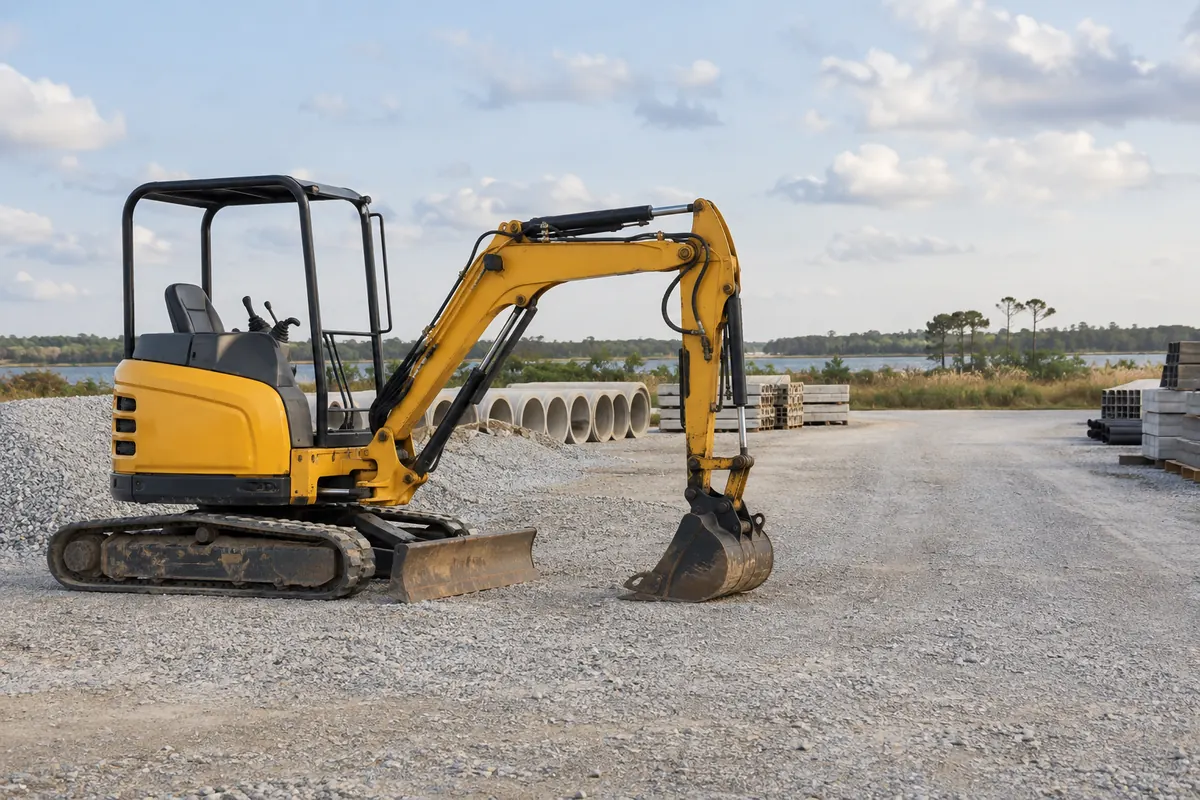
Give the equipment make, model and unit identifier when available, along with the actual configuration awaiting collection. Describe attachments, added components or a changed setup separately from the base machine name. The same model can be presented in different states, so identify the specifications that apply to the unit being moved. If a company equipment record is out of date, explain the difference rather than assuming a generic specification describes what is currently on site.
Report current operating condition and known movement limitations, identifying the person who supplied the information. Distinguish a machine that can operate from one that is partly dismantled or unable to move under its own power. Do not start or manipulate equipment simply to complete a transport request. If preparation or repair is planned, label it as pending and identify who will confirm completion. Dispatch needs the actual collection state, not a condition expected after unfinished site work.
Provide dimensions and weight with their source
Use reliable available specifications or actual measurements from the responsible source, explaining what each figure represents. State whether attachments are included and identify the configuration used for dimensions or weight. Do not substitute a capacity rating for actual equipment weight, or assume a base-model listing includes every fitted component. When a figure is unknown, identify the unanswered question so the equipment owner or site contact can provide appropriate information for service review.
List separate attachments, loose components or other items expected to travel with the machine. Ask what the proposed transport scope covers rather than assuming everything nearby is included. Explain the actual current storage of those items without directing loading or securing methods. If another contractor is handling part of the move, identify that separate arrangement and its status. Clear specifications and item lists help distinguish one equipment transport request from an undefined request to clear a whole work area.
Coordinate readiness with the site’s responsible people
Identify the person who can release the machine and the contact who can answer practical access questions during the proposed window. These may be different from the office arranging payment or the person operating the equipment. Clarify each role so a service operator is not left choosing between conflicting instructions at a gate. Ask the site to explain its applicable visitor or contractor process through the appropriate channel rather than assuming the transport request itself completes site entry requirements.
If the site plans to relocate the machine to a collection area, describe that as a separate preparation step and ask who will confirm it is complete. Do not instruct untrained people to operate or reposition equipment to accommodate an assumed transport method. Keep a current report of readiness: machine condition, included components, authorized access and reachable release contact. A site schedule may show a machine as finished with a task without establishing that it is actually prepared and available for the proposed handoff.
Prepare the destination as carefully as the job site
Provide the complete receiving address, authorized entrance and person who can accept the actual machine and included items. A storage yard, repair business or second job site may use different entry and attendance arrangements. Confirm acceptance for the present configuration and condition rather than relying on a business name or a project assignment. If the receiver needs specifications or a release reference, have the responsible company contact resolve that requirement before collection is presented as ready.
Identify any receiving window and ask dispatch to review it alongside the pickup site’s actual access window. Two individually available locations do not necessarily establish a workable confirmed schedule. Clarify what will happen if the receiving contact becomes unavailable, and identify who can approve a different destination. Keep repair authorization, equipment acceptance and transport approval distinct when several businesses are involved. A machine’s arrival at an address should not be used to imply approval for additional work or a separate site operation.
Confirm scope and maintain current site instructions
Ask dispatch what availability, equipment and quoted service can be confirmed using the actual machine details and both site arrangements. Disclose a position or recovery issue in addition to onward transport rather than hiding it behind the words equipment pickup. Identify the company contact authorized to approve the requested work and changes. A submitted form, site schedule or tentative collection window does not establish that the service is booked or that particular transport equipment is available.
Update the existing request when a gate changes, the machine moves, preparation is delayed or another attachment is added. State what replaces the earlier instruction and ask for acknowledgment where scope or access is affected. Keep a knowledgeable site contact reachable until release and use the agreed receiving-confirmation process at the destination. Retain the relevant service reference in the company’s own records. Completion means an accepted handoff for the actual included equipment, while separate site tasks remain with their responsible people.