

B’S TOWING • GREATER NEW ORLEANS
Food-truck breakdown planning: coordinate the vehicle, business property and receiver
Prefer a callback? Leave your number.
Dispatch confirms availability, equipment, timing and price. A request is not a confirmed booking.
A food-truck breakdown interrupts both a vehicle journey and a business operation. The vehicle, installed equipment, staff and property inside may each need a different decision. Contact B’s Towing at 504-908-0072 with the actual truck description, current location and requested result. Dispatch reviews available service and the proposed scope. This guide helps the business organize the handoff; it does not establish equipment capacity, food-handling procedures, a repair diagnosis or an accepted transport booking.
On this page
- Identify the actual vehicle rather than only the business name
- Describe the breakdown and the truck’s present position
- Give business property and installed equipment separate owners
- Coordinate venue access with the person controlling the site
- Arrange receiving for the converted truck and travel for staff
- Confirm the service scope before rearranging the business schedule
- Questions and answers
Pickup planning
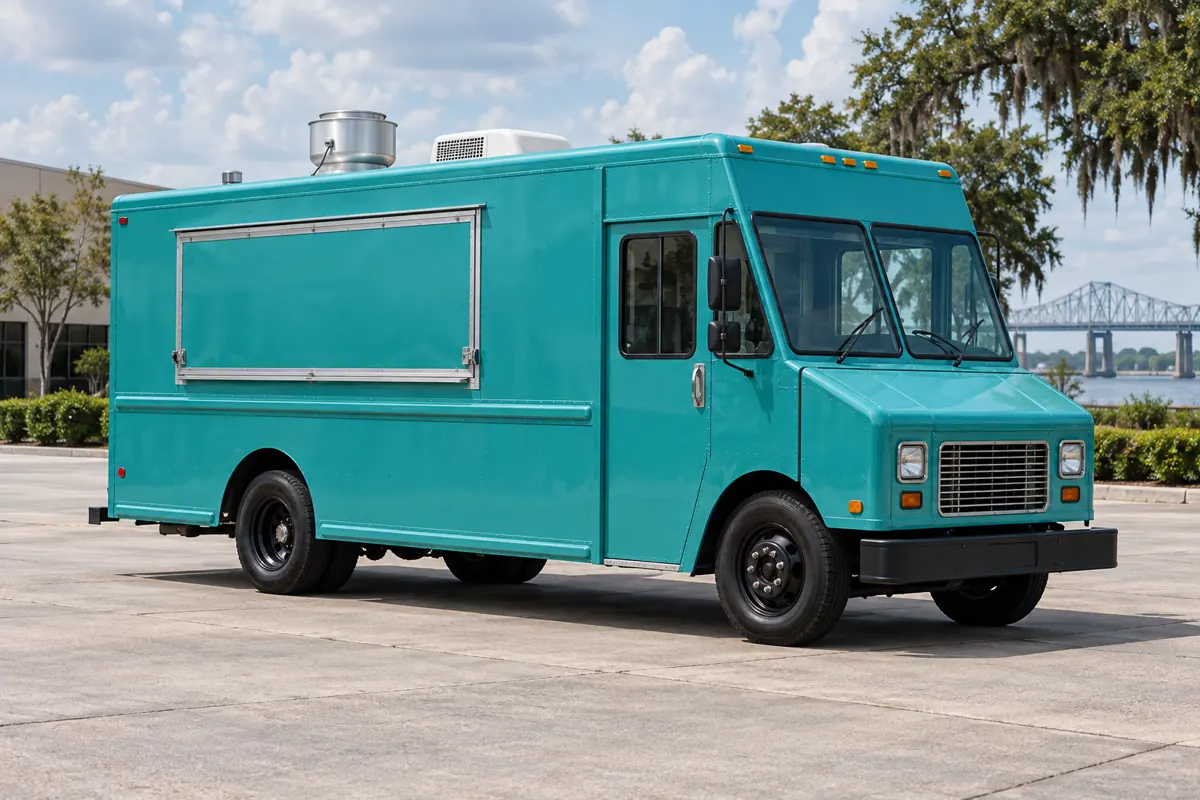
Identify the actual vehicle rather than only the business name
Give the vehicle manufacturer, model and year when known, and explain that it is configured for food service. A public business name or event listing does not identify the chassis and present vehicle configuration. Distinguish a self-propelled food truck from a separately towed food trailer. If a different unit is substituted during the discussion, replace the original identification clearly so dispatch is not reviewing one vehicle while the site prepares another for collection.
Describe visible additions and any records that apply to the completed unit. Mention installed external equipment, projections and other configuration details that differ from the original vehicle. Keep the source of dimensions or other figures explicit. A base-vehicle record should not be represented as a complete account of a converted unit. Share necessary identification privately when requested, and keep unrelated business, payment and customer information out of general location messages and photographs.
Describe the breakdown and the truck’s present position
Explain what happened in plain language and separate direct observations from a suspected repair diagnosis. Say whether the truck is at an event, business lot, storage property or another location. Give the street address, specific position and usable entrance. A venue name may identify a large site while leaving the actual vehicle location uncertain. Report whether the vehicle has already been relocated since the incident, rather than mixing its current position with an earlier stopping point.
State what is known about keys, access and present condition without starting or moving the vehicle solely to demonstrate an answer. Identify any ongoing work, removed components or known damage relevant to the inquiry. This page does not provide repair, loading, securing or installed-system shutdown instructions. Keep applicable unit records and a knowledgeable business contact available for review by the actual operator. A request must describe the current unit and situation before an arrangement can be confirmed.
Give business property and installed equipment separate owners
Identify the person responsible for decisions about stock, supplies, portable appliances and other business property. Explain generally what remains on board and what the business intends to remove. Distinguish installed equipment from loose items without assuming all property can travel under one vehicle request. If another company owns some equipment, identify the person who can coordinate its release or any separate arrangement before the truck is presented for pickup.
Have the responsible business staff follow the requirements that apply to their own property and operation. This guide does not replace food, fuel, electrical or equipment procedures and does not authorize unfamiliar work on installed systems. Dispatch needs an accurate current description, including unresolved questions that affect the proposed movement. Report changes after property is removed or added. Do not assume a transport quote includes inventory handling, temperature management, equipment servicing or a separate delivery of business goods.
Coordinate venue access with the person controlling the site
Connect dispatch with a reachable venue or property representative when collection involves a managed site. Explain the truck’s actual entrance, route and position, including gates, temporary barriers, parked vehicles and nearby activity. The public attendee entrance may differ from the route used for vendors or service vehicles. Describe conditions without deciding that a proposed transport vehicle can follow the route the food truck used at a different time or in a different configuration.
Clarify who can approve access and when that person is available. A business owner’s request does not settle every venue access question. If organizers plan to clear a lane or relocate other property, distinguish proposed work from work already completed. Keep one current access instruction and replace it clearly if event operations change. Dispatch should not have to reconcile conflicting directions from several staff members while the truck remains described at an outdated position on the site.
Arrange receiving for the converted truck and travel for staff
Confirm a destination that can accept the actual food-service vehicle in its current condition. Give the receiving entrance, contact and window, and explain any relevant installed equipment to the receiving business. A repair appointment for a general vehicle description may leave the converted unit’s physical intake unresolved. Ask who will receive keys and whether loose components or separately removed property belong at the same destination or elsewhere.
The staff’s journey and ongoing business activity need their own plan. A vehicle transport request does not establish passenger seats, replacement trading space or another vehicle for the business to use. Coordinate any separate travel with the people involved, and ask dispatch about offered accommodation rather than assuming it. If the receiver closes or changes the address, update the existing request before relying on a revised route or timing. Do not assume unattended delivery or temporary storage is available.
Confirm the service scope before rearranging the business schedule
Read back the identified vehicle, current configuration, known condition, property remaining on board, collection access and receiving arrangement. Ask what has been accepted and which approvals or details remain pending. Discuss availability and quoted scope against the actual request. A preferred collection window may be important to the business, but it is a constraint to review rather than a promised arrival. Texts and forms remain inquiries until dispatch confirms the arrangement.
Keep a coordinating business contact reachable through collection and receiving. Report changes to the vehicle, on-board property, site access or receiver through the same request, explicitly replacing outdated instructions. Retain the actual handoff details and separate them from assumptions about repair completion or restarting service. A completed vehicle move does not certify installed equipment, resolve food or inventory decisions, establish insurance coverage or confirm that the business can resume operation without its own appropriate review.