

B’S TOWING • GREATER NEW ORLEANS
Repair appointment or vehicle intake: confirm what the shop can receive
Prefer a callback? Leave your number.
Dispatch confirms availability, equipment, timing and price. A request is not a confirmed booking.
A repair appointment tells you when a business expects to discuss or work on a vehicle. It does not necessarily settle where a disabled car can be received, who accepts it or how keys are handed over. Confirm both parts before requesting movement. Call B’s Towing at 504-908-0072 to discuss the vehicle service available. This guide separates repair scheduling from receiving arrangements without setting a shop's policies or promising a repair outcome.
On this page
- Ask what the appointment actually confirms
- Explain the condition the receiver must accommodate
- Identify the actual receiving point and contact
- Coordinate keys and paperwork through accepted channels
- Align receiving availability with the service request
- Confirm the handoff and resolve changes before movement
- Questions and answers
Pickup planning
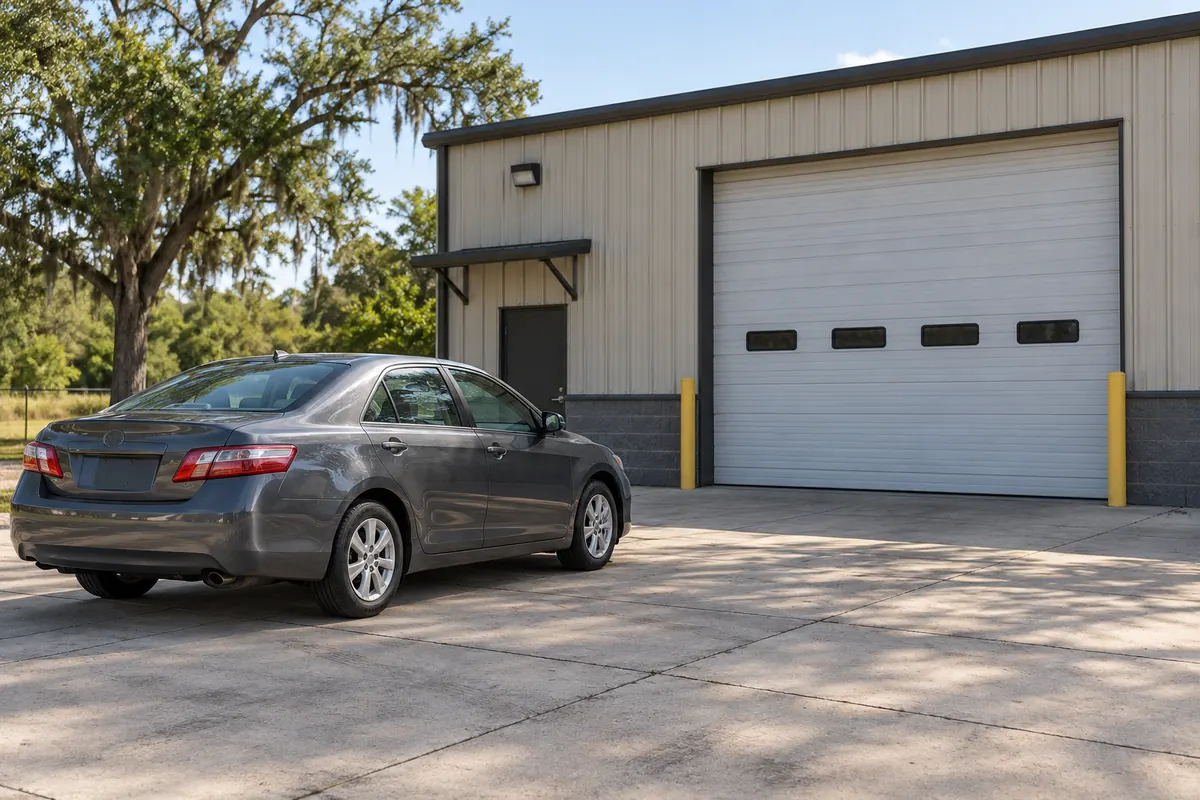
Ask what the appointment actually confirms
Contact the intended repair business and explain that the vehicle may arrive through a transport arrangement rather than being driven in normally. Ask what has been accepted: an inspection discussion, a repair appointment, a receiving window or another specific arrangement. Keep those answers separate in your own record. A calendar entry or automated confirmation may identify a date while leaving the physical intake and key contact unresolved.
Describe the vehicle and observed condition honestly when asking about acceptance. Do not imply the shop approved a disabled-vehicle arrival if the conversation only concerned a routine service appointment. If an advisor or manager gave instructions, identify that person and confirm the current plan with the receiving business. Dispatch needs the arrangement that applies to this actual vehicle, not an assumption based on how a previous appointment was handled.
Explain the condition the receiver must accommodate
Tell the receiver what is currently known about the vehicle's ability to start, roll, steer and brake, along with key availability and any visible damage that affects the handoff. Identify uncertainty instead of describing the vehicle as driveable because it moved earlier. Do not start or reposition it just to prove a point for the intake discussion. The shop and transport provider need an accurate description of the same current condition.
Mention fitted accessories, attached equipment or property that affects the request. A business may ask further questions before accepting a vehicle with unusual access or movement limitations; this page does not decide its policy. If someone has inspected the car, explain the source of the information without turning an initial comment into a confirmed diagnosis. Receiving acceptance and repair scope should each be confirmed through the relevant business contact.
Identify the actual receiving point and contact
Obtain the complete address, usable entrance and person responsible for the arrival. A storefront or customer parking entrance may differ from the place where the business wants a disabled vehicle received. Ask for a clear description rather than relying only on a map listing. If the site shares a lot with other businesses, explain the intended position and any relevant access contact without inventing a delivery area that has not been approved.
Coordinate the person who will receive questions at arrival and what happens if they are temporarily unavailable. Do not treat a sign, an empty space or a neighboring employee's casual comment as acceptance by the repair business. Give dispatch the receiver's confirmed instructions and identify any restriction still requiring review. Accurate receiving information helps keep a correct shop name from becoming an incomplete or conflicting vehicle destination.
Coordinate keys and paperwork through accepted channels
Ask the repair business how it wants vehicle keys and any necessary paperwork delivered. Keep its accepted process distinct from the transport provider's own collection arrangement. Do not assume an unattended key drop or leaving documents in the vehicle is permitted. Avoid sharing account credentials or unnecessary identity information when a narrower confirmed handoff will meet the actual need.
If the owner will not attend, identify the representative and confirm the arrangement with the relevant contacts. Make sure dispatch knows who can provide the keys at pickup and who accepts them at receiving. A repair appointment booked by one person may still require another person to answer condition or authorization questions. Resolve that coordination before movement, rather than leaving the operator to locate an owner or advisor after arrival.
Align receiving availability with the service request
Give dispatch the receiving window that the shop actually confirmed, along with the pickup access and key-holder availability. Describe a preferred appointment time as a preference until the service arrangement is reviewed. The shop's posted opening hours do not by themselves establish that every arrival within that period is accepted, and a towing inquiry does not guarantee arrival at a particular minute.
Ask what remains pending and who will communicate a delay or changed receiver. If the repair business cannot accept the proposed arrival, seek a revised confirmed arrangement rather than assuming the vehicle can wait unattended outside. The pickup and receiving contacts should work from the same current plan. Keep any repair start estimate separate; even a completed vehicle intake does not establish when inspection or repair work will actually finish.
Confirm the handoff and resolve changes before movement
Read back the vehicle, pickup point, receiving address, contact and agreed key process. Ask dispatch about availability, reviewed equipment, timing, scope and price. A repair appointment, exchanged photograph or submitted service form does not by itself confirm the complete vehicle movement. If a shop acceptance condition is unresolved, identify it explicitly instead of allowing the appointment date to stand in for all remaining approvals.
Update the existing request if the receiver changes, the shop declines intake, the vehicle condition differs or a key holder becomes unavailable. State which earlier instruction should be replaced. After delivery, retain the actual receiving details and follow up directly with the repair business about inspection and work. Do not treat vehicle arrival as proof that repairs have started, that a diagnosis is final or that the car is ready to collect.