
B’S TOWING • GREATER NEW ORLEANS
Marrero towing and roadside assistance: organize the vehicle, access and next stop
Prefer a callback? Leave your number.
Dispatch confirms availability, equipment, timing and price. A request is not a confirmed booking.
When a car will not start at home or a work vehicle stops during the day in Marrero, start with the facts dispatch needs now. Call or text B’s Towing at 504-908-0072 with the vehicle, exact position and requested help. Marrero is already listed within B’s Westbank service area. Towing, roadside assistance, recovery and hauling inquiries are reviewed against the actual vehicle, location and available service. Send a service request or ask for a callback if that works better. Dispatch confirms the accepted scope, timing and price before the arrangement is treated as booked.
On this page
- Make a Marrero address useful for the actual pickup
- Explain a no-start, tire problem or lockout without guessing
- Plan a home pickup around the driveway and key holder
- Keep business parking, work tools and fleet authorization clear
- Choose a receiver before treating transport as arranged
- Review pricing against the same Marrero service details
- Questions and answers
Pickup planning
Make a Marrero address useful for the actual pickup
Jefferson Parish identifies Marrero among its unincorporated Westbank communities. In a service conversation, use the actual street address and car position rather than a broad instruction to come to Marrero. Explain whether the car is at a home, business, parking lot or other property. Give a nearby intersecting street or fixed landmark when it helps distinguish entrances. Check a shared map pin against the written description so both point to the same collection location.
At a large property, the published address may lead to an office or front entrance while the car sits elsewhere. Describe the final approach and who can explain it if needed. If a driver gives one location and a relative gives another, agree on the current position before relying on the request. Report an actual relocation clearly, distinguishing the place where the problem began from the place where the car is now available for the proposed service.
Explain a no-start, tire problem or lockout without guessing
Describe what happened in ordinary language: the vehicle would not start, a tire is unusable, the working keys are inaccessible or another issue prompted the call. State what is known about the vehicle and any recent change relevant to the request. Give the make, model and year when available. Keep a suspected diagnosis separate from an observation, and do not operate the car solely to make a description sound more definite.
Roadside assistance and a vehicle move need different information. Ask dispatch what can be reviewed for the actual situation, and be ready with a receiving plan if transport is proposed. Mention an absent or unusable spare, missing keys, visible damage or an uncertain current condition. Applicable owner information can help answer vehicle-specific questions, but this page does not select a repair or handling procedure. The service arrangement depends on the actual car, its position and what dispatch confirms can be offered.
Plan a home pickup around the driveway and key holder
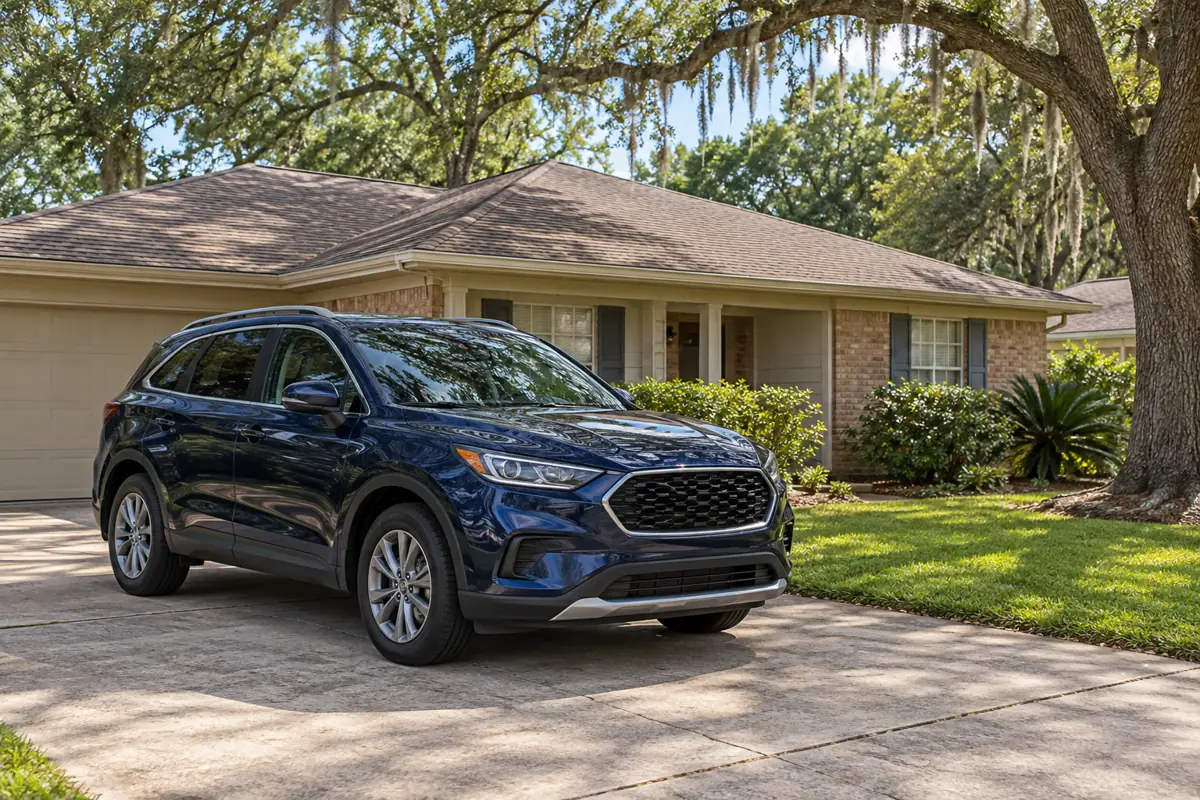
For a residential request, explain where the vehicle sits: in a driveway, behind another car, inside a garage or elsewhere on the property. Describe visible access restrictions, surface conditions, gates and overhead features. A street number does not explain the final approach. Give dispatch the current facts without assuming a route used by a passenger car establishes access for a proposed transport vehicle or that a blocked approach will clear itself before collection.
Identify the person authorized to release the vehicle and the person who will meet the operator with keys. Those roles can differ when an owner is at work or coordinating remotely. Keep the coordinating contact reachable and agree on one receiving address. If a neighbor or relative plans to move another vehicle or open a gate, distinguish that proposal from work actually completed. Update dispatch when access changes rather than leaving the request based on an anticipated arrangement that has not occurred.
Choose a receiver before treating transport as arranged
Give the receiving address, entrance, contact and window for a proposed vehicle move. Confirm that the business or person accepts the actual car and its condition. A repair appointment is useful, but it may leave keys, receiving access or a closing-time constraint unresolved. State those details before relying on a collection plan. If more than one person suggests a destination, identify the agreed one and who has authority to approve a change.
B’s Harvey and Westbank page provides the published local shop information; call before arrival to discuss shop access and mechanic availability. If another business will receive the vehicle, confirm that business’s own handoff. Do not assume a closed location permits an unattended drop or that temporary storage is included. People traveling separately also need their own destination and transport arrangement. The car’s move and its occupants’ journey should be coordinated without treating one as automatic acceptance of the other.
Review pricing against the same Marrero service details
A clear quote request identifies the vehicle, condition, collection access, route and requested service. Ask what is included and which details still need confirmation. A straightforward pickup and a different request involving restricted access or additional units should not be treated as the same scope. Make a receiving deadline or preferred collection window explicit so dispatch can review it alongside actual availability rather than work from an unstated assumption.
Once an arrangement is confirmed, keep one current request and a reachable coordinator. Report a relocated car, changed receiver, unavailable key holder or resolved problem promptly. Name the earlier instruction being replaced and ask about any effect on the agreed scope. Retain the actual handoff information for your own records. A completed move does not diagnose the fault, establish reimbursement or confirm repair completion; those next decisions remain with the relevant owner, provider or receiving business.
Questions about this pickup
Related planning and service
Official local information
Official local resources provide general geographic context. They do not establish current property access, a service booking or a connection between B’s Towing and the public agency.