

B’S TOWING • GREATER NEW ORLEANS
Generator equipment hauling planning
Prefer a callback? Leave your number.
Dispatch confirms availability, equipment, timing and price. A request is not a confirmed booking.
An equipment hauling request should describe the actual generator package rather than rely on the word portable. A unit may sit on a skid, have a trailer configuration or be part of a larger installation. Call B’s Towing at 504-908-0072 to discuss the equipment and availability. This guide helps a site coordinator gather reliable information. It does not confirm a hauling capability, approve a lifting point or provide instructions for disconnecting electrical equipment, fuel systems or operating machinery.
On this page
- Identify the complete equipment package
- Gather dimensions and weight from the right records
- Have the responsible professional confirm readiness
- Describe the pickup route and working location
- Confirm the receiving site and responsibility
- Confirm what the service review actually includes
- Questions and answers
Pickup planning
Identify the complete equipment package
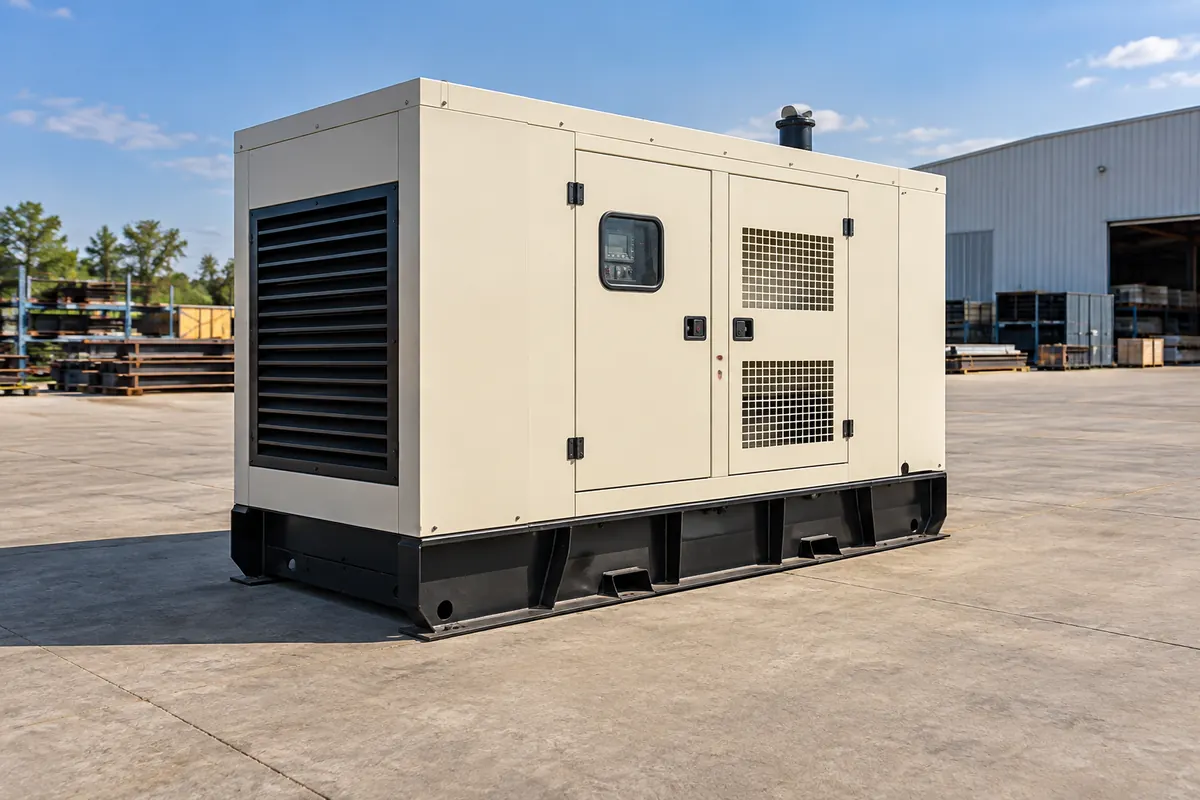
Provide the manufacturer, model and any unit identifier available from the owner’s records or a safely readable label. Explain whether the request concerns a skid-mounted unit, a trailer-mounted assembly or another configuration. Include the enclosure, installed accessories and any separate items intended to travel. A generator model number may describe only one component of the assembled package. Tell dispatch what is physically present rather than assuming a catalogue photograph represents the equipment in the yard.
Identify the owner or authorized person requesting movement and the site contact who can answer practical questions. If the generator is rented, obtain the provider’s actual collection and receiving instructions through its established process. Do not interpret a rental reference as blanket permission for an independent transport arrangement. Keep each party’s role clear: equipment owner, site access contact, person approving service and intended receiver may be different people. Label unresolved authorization questions before treating a proposed pickup as confirmed.
Gather dimensions and weight from the right records
Use the relevant equipment documents or owner records for dimensions and weight when available. State whether the information covers the complete assembly, its base unit or a different configuration. Identify included accessories and whether the recorded weight reflects the present condition. A general description such as small generator does not give dispatch a dependable size or weight. If a document lists several variants, identify which one applies rather than selecting the figure that seems most convenient for the request.
Do not climb on the equipment, crawl underneath or enter a restricted area to find a label. Ask the responsible owner or equipment contact for missing information and state what remains unknown. Safely obtained overall photographs can supplement the records, but they do not establish an accurate weight. Keep dimensions, weight and condition as separate facts. Dispatch needs to review actual equipment information and availability; neither a published number nor a photograph by itself establishes that a particular hauling method is suitable.
Have the responsible professional confirm readiness
Identify who is responsible for preparing the equipment for movement under the owner’s or site’s process. If the generator is connected to a building, another system or an active operation, do not represent it as ready simply because a transport date has been requested. Ask the appropriate qualified contact to confirm its actual status. This page does not provide disconnection, shutdown, lifting, fuel-handling or electrical procedures. Keep those tasks with the people authorized and qualified to perform them for the particular equipment.
Tell dispatch whether readiness has been confirmed or is waiting on a contractor, rental provider or site representative. Describe known leaks, visible damage, missing parts or an inability to move using facts already available. Do not run the equipment or operate a trailer mechanism to prove readiness for the inquiry. If the owner expects separate attachments or accessories to travel, have that scope documented. A hauling conversation should not leave an unspoken assumption that the transport operator will perform site preparation or technical disconnection.
Describe the pickup route and working location
Give the actual equipment position within the property, including the usable entrance and a fixed identifier. Explain known gate hours, surface conditions, overhead restrictions, nearby structures and obstructions along the approach. A map pin at a facility office may be far from the generator’s location. Ask the site contact which route is authorized for the requested service. Do not use a pedestrian entry or a route across private property as an assumed service-vehicle entrance.
Provide safe overview photographs when available, showing the equipment and the space around it. Separate a planned clearance improvement from a completed change: a parked vehicle expected to leave or a gate due to be opened remains pending until confirmed. Do not reposition the generator, remove supports or improvise an approach to fit a presumed loading method. The actual site and equipment need review. Identify a reachable person who can provide authorized access and answer questions during the proposed collection window.
Confirm the receiving site and responsibility
Obtain the complete destination and an appropriate receiving contact. Ask whether the site accepts the complete generator package in its present condition and whether its usable entrance will be available. Describe the actual location intended for the handoff without promising final positioning or installation. A hauling request to a jobsite does not automatically include placing equipment within an operating system, reconnecting it or making it ready to produce power. Those requirements need their own explicit professional arrangement.
Coordinate the receiver’s staffing and access window with the proposed transport request. If a rented unit is going back to a provider, follow that provider’s actual return process and confirm which location should receive it. Do not substitute the nearest branch without approval. Keep key, document and accessory handoff requirements together. If the destination changes, ask dispatch to review the revised route and scope rather than treating an alternate receiver or more restricted site as automatically covered by the original inquiry.
Confirm what the service review actually includes
Ask dispatch what information is still needed to review equipment suitability, availability and quoted scope. State the expected readiness time and any loading deadline as requests rather than confirmed collection promises. Identify who can authorize the service and which site tasks remain pending. Do not infer that equipment hauling is available for every generator configuration just because the business discusses hauling services. The review must use the actual package, access, condition and accepted destination.
Keep the equipment records, readiness confirmation and current contact list together through collection and receiving. Report changed accessories, revised weight information, delayed disconnection or restricted access through the existing request. Make the replacement instruction explicit. Ask how the agreed handoff will be confirmed, then retain the actual transport record with the owner’s equipment file. Delivery does not by itself establish successful installation, operational readiness or a completed rental closeout; follow those separate processes with the responsible parties.