

B’S TOWING • GREATER NEW ORLEANS
Project car pickup and transport planning
Prefer a callback? Leave your number.
Dispatch confirms availability, equipment, timing and price. A request is not a confirmed booking.
A project car may look complete while missing a working control, or may have visible unfinished work that changes its handling condition. Call B’s Towing at 504-908-0072 to discuss the actual vehicle, location and service availability. This guide helps an owner, seller or shop describe what exists today. It does not promise transport for every unfinished assembly, approve a loading method or treat a planned repair as already complete. Keep the current condition and any work still pending clearly separated throughout the request.
On this page
- Describe the current assembly instead of the finished goal
- Report rolling, steering and braking separately
- Account for loose parts and items intended to travel
- Explain the existing pickup position and access
- Confirm release and receiving for unfinished condition
- Review the final scope after any preparation changes
- Questions and answers
Pickup planning
Describe the current assembly instead of the finished goal
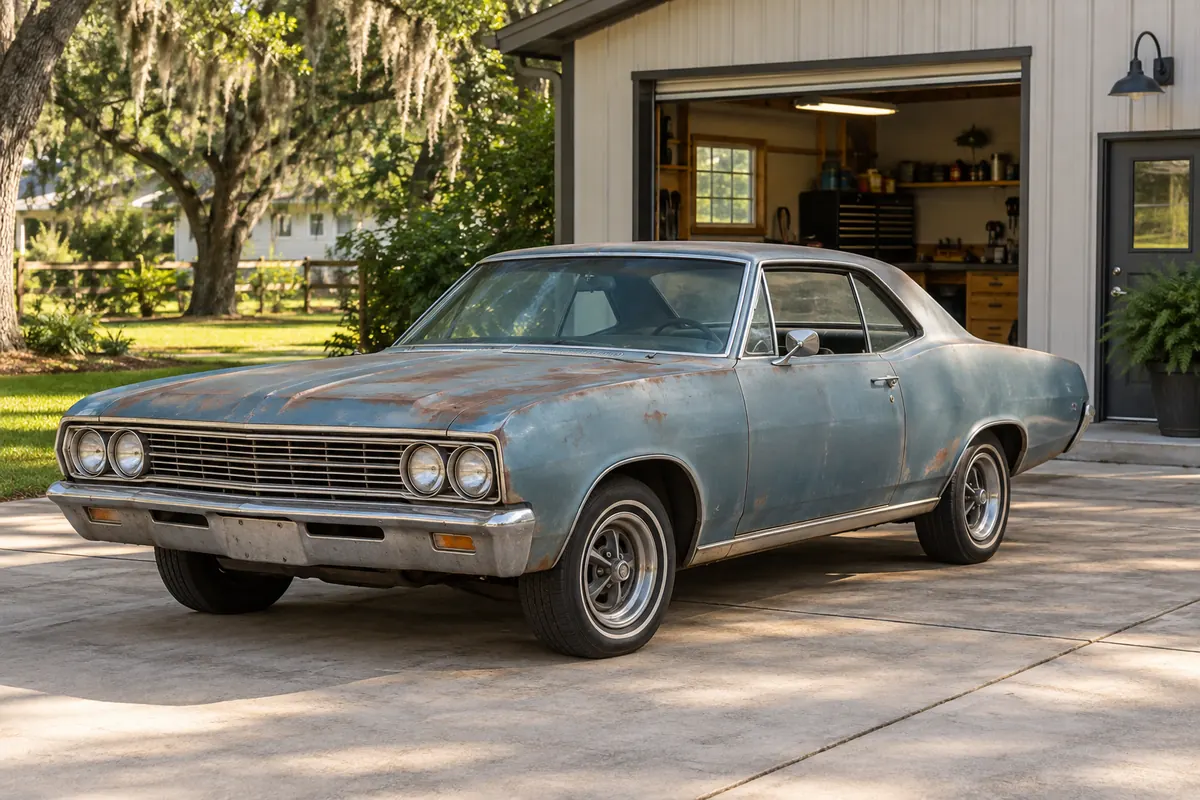
Provide the year, make, model and body style when known, then explain the actual state of assembly. Identify missing wheels, major components, bodywork or installed controls that affect the present vehicle. A restoration plan, original specification or completed-car photograph is background rather than a current description. Tell dispatch whether the vehicle is complete, partly dismantled or awaiting work before movement. Avoid describing it as a simple nonrunner when other missing or damaged parts create additional questions about the request.
Identify who can confirm the condition at the pickup location. If the project is at another person’s property or a repair business, use the current responsible contact rather than relying on an older purchase listing. Explain which information comes from direct observation and which is reported by someone else. If the owner expects work to be completed before collection, list that as pending and identify who will confirm it. A planned wheel installation or parts assembly should not be treated as already done when dispatch reviews availability.
Report rolling, steering and braking separately
Explain whether each wheel can rotate based on known facts, along with the current steering and braking condition. State key availability and any known locked control. The engine not running is only one part of the description. A car may roll while having no functional steering or braking, and a complete-looking wheel may have a known limitation. Do not collapse those facts into a single phrase such as ready for towing. Give dispatch the separate details it needs to review the real vehicle.
Do not push, test-drive, release controls or improvise temporary equipment to make the project match a presumed handling method. If a system’s condition is unknown, say so and identify the person who may know. Safe existing photographs and relevant records can help, but they do not establish that an unfinished assembly is suitable for a particular movement. The operator still needs to assess the actual vehicle and setting. This page supplies no instruction for rigging, lifting or moving a partially assembled car.
Account for loose parts and items intended to travel
List separate parts, spare wheels, body panels or other items the owner wants included, distinguishing them from components actually installed on the car. Explain where they are located and who is responsible for preparing them under the agreed arrangement. Do not assume a transport quote for a vehicle includes collecting every item in a garage. An inventory can identify the requested scope without establishing that loose items will be accepted, packed or handled as part of the vehicle service.
Ask dispatch to review the actual items and any limitations rather than placing objects inside the car based on an assumed plan. Do not load unsafe, leaking or unstable materials to simplify the request. Keep unnecessary personal belongings separate when they can be addressed safely. If another person is releasing the project, agree which items belong to the transaction before collection. Towing staff should not be expected to decide a buyer-seller dispute about whether an unlisted component was included in the sale.
Explain the existing pickup position and access
Give the usable entrance and the vehicle’s actual position within the property. Describe a garage, narrow driveway, grass surface, slope or obstruction along the approach. Mention nearby equipment or stored items that affect the working space. A car that has remained in one place for a long time may have access that differs from when it arrived. Use safe overview photographs if available and identify anything that has changed since they were taken.
Arrange authorized access with the responsible property contact and explain who will meet the operator. Do not move the car or remove supports to fit an assumed collection method. If a site owner plans to clear a path, report the task as pending until completed. Keep gate credentials private and confirm the actual entry window. A familiar residential address does not guarantee that the project can be reached, and a map image does not establish the current ground condition or space around a stored vehicle.
Confirm release and receiving for unfinished condition
Identify the person authorized to release the vehicle and any separate transaction step that remains outstanding. A sale agreement, shop job or storage arrangement may have its own process; confirm that directly with the responsible party. Do not ask dispatch to resolve ownership, payment or project scope disagreements. Explain whether the owner will attend and how keys or relevant records will be handed over. A preferred collection date is planning information until release and service availability are both confirmed.
Contact the intended receiver and describe the same actual assembly, loose items and operating limitations given to dispatch. A repair business or residential property should accept the real project rather than an assumed complete car. Confirm its entrance, receiving contact and proposed window. If the project cannot be moved normally after delivery, make that known before treating the destination as settled. Do not infer unattended placement permission or parts storage from the receiver’s willingness to discuss future restoration work.
Review the final scope after any preparation changes
Ask dispatch what service can be offered for the actual assembly, access, loose items and accepted destination. Clarify the quoted scope and which pending detail needs resolution before booking. Do not assume a quotation for a complete rolling car applies after a wheel or component is removed. If the project is being assembled specifically for movement, have the responsible person confirm the resulting condition and request review using that updated information rather than promising a future configuration as current.
Keep one current service instruction and update changes through the existing request. Identify which earlier condition, inventory or access detail is replaced, and provide the appropriate on-site contact. Ask how actual collection and receiving will be confirmed, then retain those records with the project file. A completed transport does not establish restoration quality, safe operation or settlement of the sale. Those questions stay with the responsible owner, seller, receiver and repair professionals under their separate agreements and assessments.