

B’S TOWING • GREATER NEW ORLEANS
Nonrunning equipment pickup planning
Prefer a callback? Leave your number.
Dispatch confirms availability, equipment, timing and price. A request is not a confirmed booking.
Equipment that will not run needs a description of the actual machine and the limitations that matter to movement. The engine condition alone may not explain the whole request. Call B’s Towing at 504-908-0072 to discuss the machine, site and availability. This guide organizes an equipment hauling inquiry. It does not confirm capability for every machine, approve a lifting point or provide hydraulic, electrical, recovery or loading instructions. Keep technical preparation with the responsible qualified people for the particular equipment.
On this page
Pickup planning
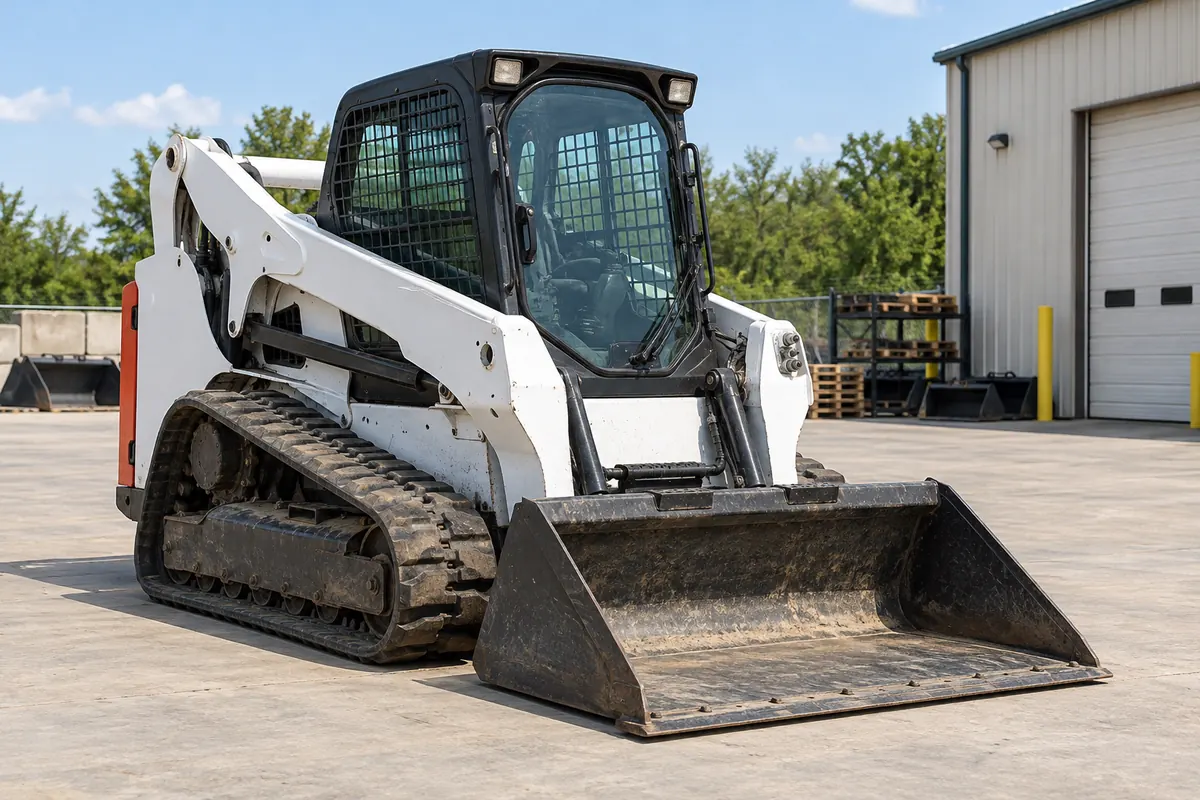
Identify the exact machine and installed equipment
Provide the manufacturer, model and unit identifier from reliable equipment or owner records when available. Describe the type of machine and the attachments physically installed at pickup. A model family can include several configurations with different dimensions or movement characteristics. Tell dispatch whether the request concerns the complete assembly or a separately identified part. Include the owner’s responsible contact so an unknown specification can be directed to someone with the correct records instead of being guessed from the machine’s appearance.
List separate attachments or other items the owner wants included, distinguishing them from what is installed. An equipment hauling inquiry does not automatically cover collecting loose items around a yard. Explain where each requested item sits and who is responsible for preparing it under the actual arrangement. Do not change the configuration simply to make it resemble a catalogue picture. The service review should use the machine as it exists today, with planned removals or repairs clearly labeled as pending until the responsible person confirms completion.
Use applicable weight and dimension records
Gather dimensions and weight for the actual machine package, including relevant installed attachments. State the source and whether a figure refers to an operating configuration, base unit or another setup. Different recorded figures can describe different conditions, and a transport review should not silently substitute one for another. If the exact weight is unavailable, identify who can obtain it and say what remains unknown. A safe photograph supplies context but does not establish an accurate measurement or weight.
Do not climb, reach beneath unsupported equipment or enter a restricted work area to find a label. Ask the owner, rental provider or qualified equipment contact for missing information. Keep overall dimensions separate from site entrance dimensions so the two are not confused in a message. Dispatch needs dependable facts to review suitability and availability, while the operator must still assess the actual equipment and setting. A published specification alone does not approve a handling method or establish that the site route can accommodate service.
Describe nonrunning condition beyond the engine
Explain what is known about the failure and any movement limitation without diagnosing unseen damage. State whether wheels, tracks, steering or other relevant systems have known restrictions, and identify the source of that information. Mention visible damage, leaking material, missing keys or incomplete assembly when applicable. Do not summarize the machine as only dead if another limitation is known. An engine that will not start can be part of a much broader condition requiring a different review of the requested movement.
Do not operate controls, release mechanisms, bypass protections or improvise a way to make the machine move for the inquiry. Have the appropriate qualified person confirm technical readiness under the owner’s process. This page supplies no procedure for hydraulics, brakes, electrical systems, lifting or recovery. If a technician is expected before pickup, identify the task and confirmation still pending. Avoid promising that the transport operator will perform repairs or site preparation unless an explicit reviewed arrangement actually includes a described task.
Describe the existing site and approach
Provide the machine’s exact location inside the property, the usable entrance and an authorized site contact. Explain surface conditions, slope, overhead features, narrow routes and nearby obstructions that are already known. A site office address may be far from the disabled equipment. Use safe overview images to show the machine’s position and surroundings when available, identifying anything not visible. Do not infer route suitability from a smaller machine or service vehicle that previously passed through the area.
Tell dispatch about recent weather, excavation or other changes affecting the ground and access. A promised clear path or prepared surface remains pending until completed and confirmed by the responsible site person. Do not reposition the equipment or remove supports to match a presumed loading plan. Keep private gate information within the agreed communication channel. The operator needs to assess the actual setting, and a coordinator’s description should identify uncertainty rather than certify ground strength or guarantee that every access restriction has been resolved.
Keep the reviewed scope current through delivery
Ask dispatch what can be offered for the particular machine after identity, weight, condition, site and receiver are reviewed. Clarify the quoted scope and what additional information is needed before booking. Do not infer universal machine capability from a general equipment hauling page. A site deadline, technician appointment or submitted request does not confirm availability. Keep the person authorized to approve service reachable and explain any gate or staffing window that limits the actual collection or receiving arrangement.
Update the existing request when a repair changes movement condition, an attachment is removed, a route is blocked or the receiving plan changes. Make the replacement information explicit and ask about its effect on scope and timing. Keep actual collection and receiving confirmation with the owner’s equipment record. A completed handoff does not establish that the machine is repaired, safe to operate or closed out under a rental agreement. Follow those separate technical and business processes with the responsible qualified people and provider.