

B’S TOWING • GREATER NEW ORLEANS
Mini-excavator transport inquiry: document the machine and site
Prefer a callback? Leave your number.
Dispatch confirms availability, equipment, timing and price. A request is not a confirmed booking.
A mini-excavator transport request needs the actual machine and attachment configuration, not only a familiar equipment category or estimated size. Call B’s Towing at 504-908-0072 to discuss the equipment, access and service availability. This guide helps an owner, rental coordinator or site contact prepare useful information. It does not promise capacity for every excavator, prescribe a boom position or supply operating, loading or securing instructions. Keep technical readiness with the appropriate responsible people for the particular machine.
On this page
- Identify the machine from applicable records
- Describe the complete attachment package
- Match dimensions and weight to the current assembly
- Report condition and the route to the machine
- Confirm authorized release and accepted receiving
- Keep one current scope through both handoffs
- Questions and answers
Pickup planning
Identify the machine from applicable records
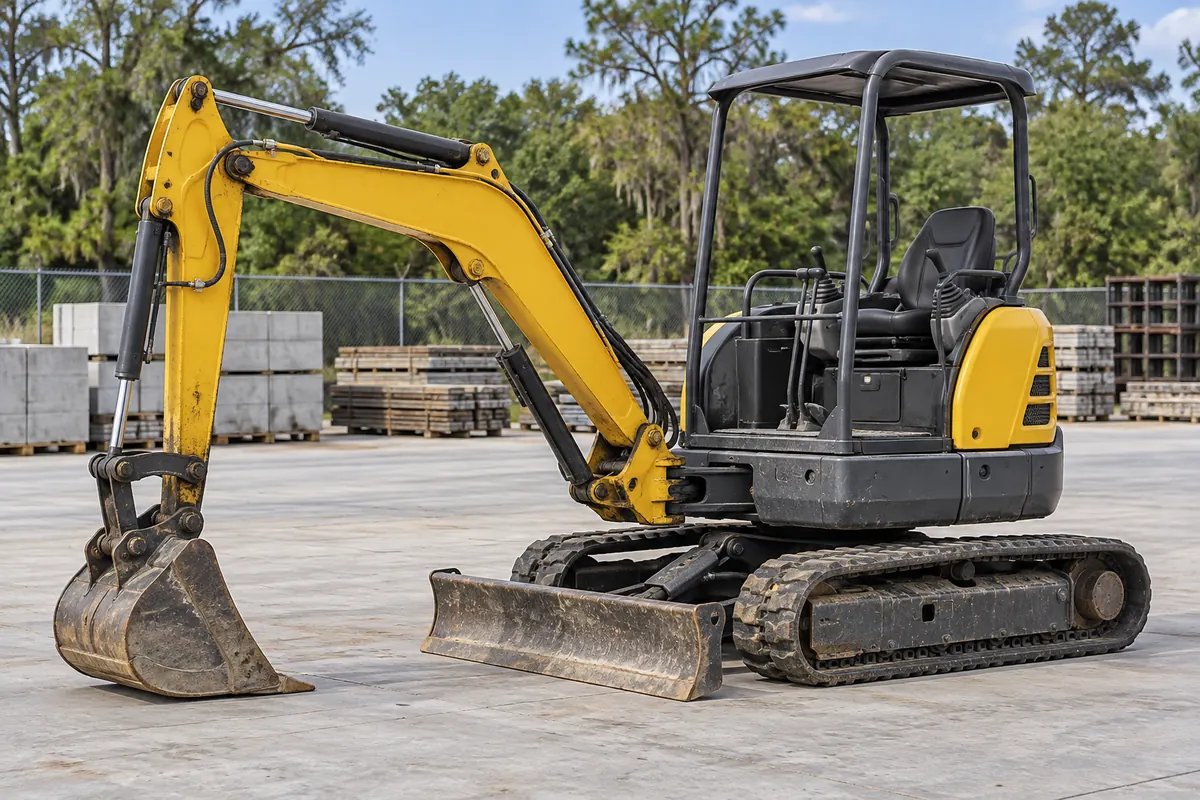
Provide the manufacturer, exact model and unit identifier using reliable owner or equipment records when available. Describe the configuration actually present, including the cab or canopy and installed attachment. A model family or rental category may include different machines. Identify the person who can supply the correct documents when the caller is coordinating remotely. An internal asset number can help the owner find the record without explaining the practical dimensions or condition needed for dispatch to review the request.
Keep current observations separate from an older listing, catalogue image or prior job description. If accessories have been changed or repairs started, describe those facts instead of relying on the machine’s original advertised configuration. Tell dispatch which information is confirmed and what remains unknown. Do not ask someone to climb onto equipment or enter a restricted position merely to improve the inquiry. Accurate identification gives the review a dependable starting point while leaving actual handling decisions with the operator who can assess the machine and setting.
Describe the complete attachment package
Identify the attachment installed on the machine and list any separate buckets or other items the owner wants moved. State where the separate pieces are located and who is responsible for preparing them under the agreed arrangement. Do not assume a quote for an excavator includes every accessory stored in the yard. Keep each requested item visible in the scope so dispatch can review what can actually be offered. An inventory identifies the proposal; it does not establish acceptance, packing or loading of every listed component.
Explain any planned configuration change as pending until the appropriate person confirms it is complete. Do not operate the boom, change an attachment or improvise a position to match an assumed transport setup. This page supplies no preparation sequence for the machine. If another contractor or rental representative has a specific readiness responsibility, identify that person and the outstanding task. A requested pickup time should not hide work still needed before the owner or provider considers the actual equipment ready for the agreed handoff.
Match dimensions and weight to the current assembly
Use applicable machine records for dimensions and weight, identifying what each figure describes. A base-unit specification may not cover the current attachment package, and a documented transport configuration may differ from the machine’s present state. Tell dispatch exactly which information is available rather than selecting a number that seems suitable. If the relevant figure is missing, say it is unknown and identify the owner, provider or equipment contact who may be able to supply a reliable record.
Safe overall photographs can show the current machine and surrounding space, but they do not establish weight or certify clearance. Do not measure from an unsafe position or estimate a precise dimension from a photograph. Keep equipment measurements separate from gate or route measurements so the figures are not confused in a message. Dispatch needs to review the actual package and setting, and the operator still needs to assess the real machine rather than treat a catalogue value as approval of a handling method.
Report condition and the route to the machine
Explain whether the excavator runs and identify any known limitation involving tracks, controls or installed equipment. Describe visible damage, missing keys or incomplete work using facts already available. Do not operate the machine merely to test a condition for dispatch. If technical preparation or repair is required, keep that task with the appropriate qualified person and report its current status. A nonrunning engine is one fact; it should not conceal a separate known movement limitation or an unfinished assembly.
Provide the usable entrance and exact machine position within the jobsite, yard or property. Include known gates, slopes, overhead features, surface changes and obstructions. A site-office pin may identify a different place from where the excavator actually sits. Explain recent excavation or weather changes without certifying ground capacity. Safe overview images can support the description. Do not remove supports, reposition equipment or move barriers to fit a presumed loading plan; report the current setting and the responsible site contact for review.
Keep one current scope through both handoffs
Ask dispatch what can be offered after reviewing machine identity, dimensions, package, condition, access and receiving. Clarify the quote and any unresolved information required before booking. Do not infer universal mini-excavator capability from a general equipment hauling page. A job deadline or proposed gate-opening time is planning context rather than confirmed equipment availability. Keep the authorized decision maker reachable and explain any change in coordinator so separate messages do not create conflicting instructions for the same equipment.
Update the existing request when an attachment changes, a repair alters movement condition, a route is blocked or receiving details are revised. Identify which earlier information is replaced and ask about any effect on scope or timing. Retain actual collection and receiving confirmation with the owner’s equipment records. A completed handoff does not establish repair completion, operating readiness or closeout under a rental agreement. Follow those separate technical and business processes with the appropriate qualified people and responsible provider.