

B’S TOWING • GREATER NEW ORLEANS
Accessible van pickup: coordinate the vehicle and personal mobility needs
Prefer a callback? Leave your number.
Dispatch confirms availability, equipment, timing and price. A request is not a confirmed booking.
An accessible van pickup involves two separate plans: moving the actual vehicle and meeting the person's mobility needs while it is unavailable. Describe the van's conversion and present condition without assuming a particular truck, loading method or passenger arrangement. Call B’s Towing at 504-908-0072 to ask about available service. Dispatch must review the vehicle, location and requested destination. This guide helps organize that conversation; it does not establish that every converted van can be handled or that personal transportation is included.
On this page
Pickup planning
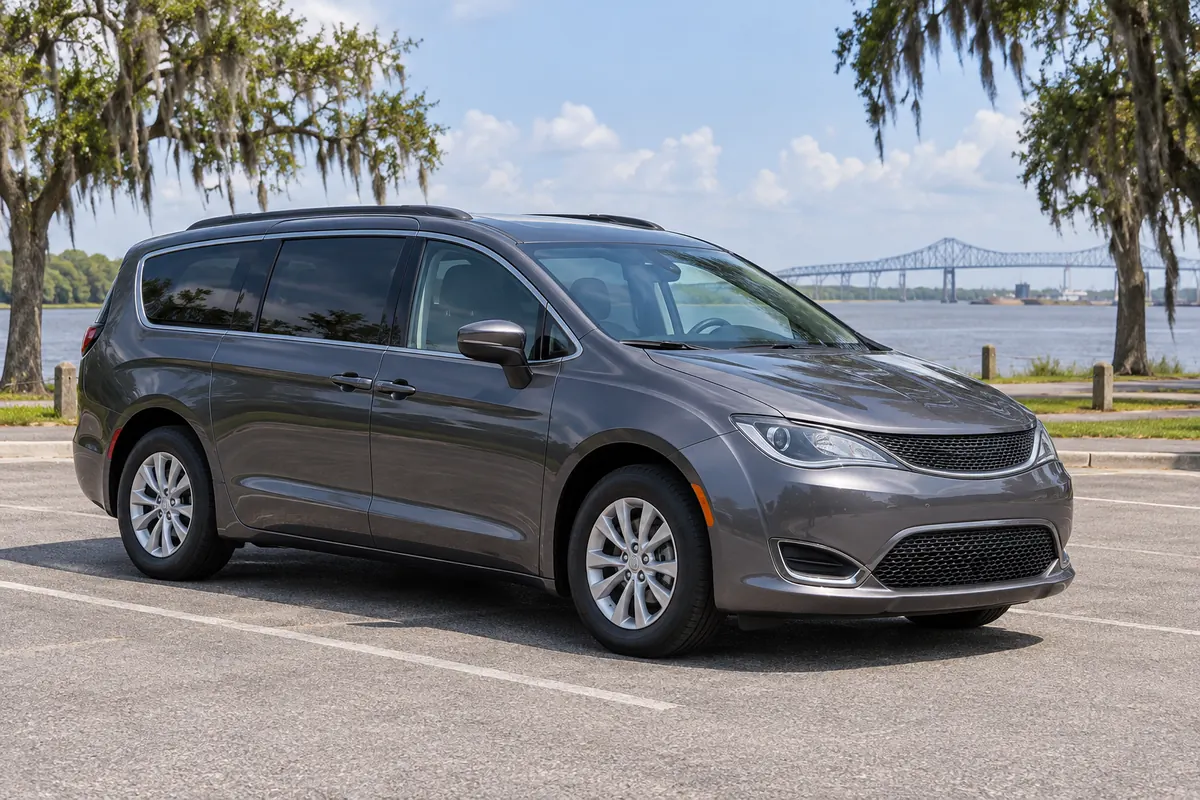
Identify the van and its conversion
Start with the vehicle make, model and year, then describe the conversion that is actually installed. A standard model name may leave out a lowered floor, ramp housing, lift or other equipment that affects the current van. Use the converter's name and available records when known. Say which details come from documentation and which are only visual observations. An accessible parking permit does not describe the vehicle configuration or answer pickup questions.
Tell dispatch about visible body clearance, fitted accessories and any change since the vehicle was last transported. Keep applicable owner and converter information available for operator review. Do not operate equipment solely to demonstrate it for a photograph or assume a conversion uses the original model's handling instructions. If the van belongs to an organization or another family member, identify the person who can answer configuration questions before a service arrangement is confirmed.
Describe the present vehicle and equipment status
Explain what caused the request and what is presently known about keys, starting, rolling, steering and braking. Distinguish a mechanical breakdown from a problem that only affects an accessibility feature. Say whether a ramp or lift is currently stowed, deployed or in an uncertain state. Describe the observed position rather than promising it can be changed. If someone has already inspected the problem, identify the source of that information without turning an informal comment into a confirmed handling plan.
Report any belongings or mobility equipment still inside and who is responsible for them. Do not improvise a manual-release, lifting or restraint procedure to make the van appear ready. Ask which missing records or contacts are needed for review. If the equipment's position changes after the initial call, update the same request so dispatch is evaluating the vehicle that will actually be present.
Arrange mobility support separately from vehicle movement
Tell dispatch early if the vehicle normally carries someone who uses a wheelchair or other mobility device. Explain the practical accommodation that needs discussion without sending unnecessary medical history. A vehicle towing inquiry does not by itself reserve an accessible passenger ride or establish that a mobility device can travel with the truck. Ask about the offered arrangement and make a separate plan with an appropriate passenger transport provider or responsible contact when needed.
Identify where the person and their essential equipment will wait and how that location differs from the disabled van. Keep medication, communication aids and other personal essentials with the responsible person when they can be retrieved safely. Coordinate assistance through the people who normally provide it; do not treat this guide as transfer or lifting instruction. A clear vehicle plan should not leave the person's onward journey as an assumption.
Describe the pickup space around the van
Give the exact vehicle position, usable property entrance and a reachable access contact. An accessible parking bay can provide extra space beside the van while still having restrictions on the approach, overhead clearance or nearby traffic. Describe those conditions rather than using the parking designation as proof of pickup suitability. If a lift or ramp occupies adjacent space, explain its position and whether other people or vehicles share that area.
Safe overview photographs should show the van, the approach and surrounding obstacles without including private documents or bystanders. Do not enter traffic, move the van or operate conversion equipment to improve the picture. If the driver has left the vehicle, label the driver's waiting point separately from the pickup pin. Ask the operator to review the actual access; a photograph supplements the description rather than approving a method.
Choose a receiver familiar with the actual van
Confirm that the proposed repair business or other destination accepts the converted vehicle in its current condition. Ask about the work it can consider, receiving arrangements and who will be available at arrival. A shop that services the base vehicle may need separate discussion of conversion equipment. Give the full receiving address and usable entrance, not simply a business name or a previous appointment confirmation.
Explain whether the van can move normally on arrival and whether any accessibility equipment remains in an unusual position. Coordinate keys, records and the person authorized to accept the vehicle. Keep the destination for the van distinct from the person's destination. If a converter, fleet manager and repair shop are all involved, identify one coordinating contact who can resolve conflicting instructions before movement is confirmed.
Confirm scope and report meaningful changes
Ask dispatch what has been accepted and what remains subject to review, including vehicle suitability, equipment, access, timing and price. Read back the exact van, pickup point, receiving destination and responsible contacts. Describe any planned mobility assistance separately so no one mistakes it for an included passenger service. A submitted form or preferred appointment time is a request for review until dispatch confirms the arrangement.
Update the existing request if a key holder changes, the ramp position changes, the receiver declines intake or the person waiting needs a different plan. State which earlier information is replaced. Keep the coordinating contact reachable through collection and receiving. Retain the actual handoff details and arrange later return travel separately; delivering a van to a business does not establish repair completion or restoration of its accessibility equipment.