
B’S TOWING • GREATER NEW ORLEANS
Send the vehicle location: make the pickup pin and entrance agree
Prefer a callback? Leave your number.
Dispatch confirms availability, equipment, timing and price. A request is not a confirmed booking.
A useful pickup pin identifies the disabled vehicle, not just the person making the call or the nearest business. Send the location and explain how to approach it without assuming the map application has captured the right entrance. Call B’s Towing at 504-908-0072 with the vehicle, observed problem and actual pickup setting. This guide helps reconcile pins, addresses and landmarks; it does not promise navigation accuracy, access approval or an arrival time.
On this page
- Check what the shared location actually represents
- Describe the entrance and approach separately
- Use fixed landmarks and vehicle details together
- Describe roadway context without putting yourself at risk
- Resolve conflicting addresses through one current message
- Confirm receipt and keep the contact reachable
- Questions and answers
Pickup planning
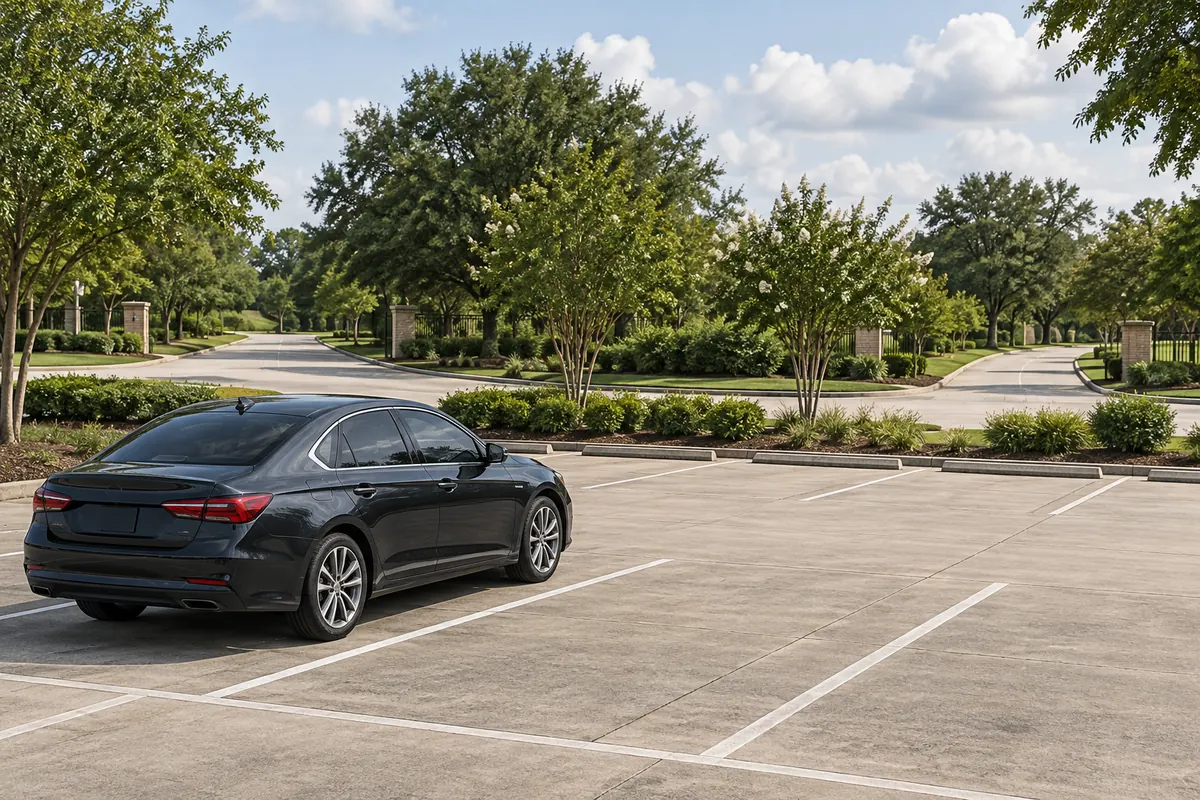
Describe the entrance and approach separately
A property can have several driveways, an office entrance and a service entrance that do not lead to the same place. Explain which access point is actually available for the vehicle pickup. Give an established street address or fixed identifier for that entrance when known, along with the responsible property contact. Do not use a map route as proof that an entrance is open or suitable for the service.
Describe gates, one-way controls, garages or other restrictions observed at the property without inventing traffic or access rules. If you have instructions from the site manager, identify the source and confirm that they still apply. Dispatch and the operator must review the real approach. A correct destination pin is only one part of that information; it does not reveal whether a lane is blocked, a gate is locked or a vehicle sits behind another building.
Use fixed landmarks and vehicle details together
Describe a fixed feature close to the car, such as a numbered parking row, building entrance or clearly identifiable corner of the property. Pair it with the vehicle make, model and color so the location description does not depend on a single visual cue. A row designation is useful only if it actually exists and is visible; do not guess one from a map. Avoid using another parked vehicle as the only landmark because it may leave.
Keep the description concise and internally consistent. If the car is behind the building, do not also describe the pickup as the front customer entrance without explaining the difference. Safe overview photographs may show the car and surrounding layout, but they should not expose private documents or unrelated people. A close-up of damage can support a condition report while doing little to identify the pickup position. Send the location context the reviewing party actually needs.
Describe roadway context without putting yourself at risk
When relevant, state the road name, direction of travel and the fixed location information you already know. Distinguish a carriageway, adjacent service road or private parking area rather than relying on a broad highway label. If an incident authority or property representative is directing access, report that fact and follow the actual instructions. This guide does not provide roadside positioning or traffic-control procedures.
Do not walk along a roadway, cross traffic or return to a restricted scene just to gather a sign number or photograph. Tell dispatch which location facts remain uncertain and where the responsible contact is waiting. Keep emergency needs separate from a routine service inquiry. The most useful description is accurate about what is known and unknown; a confidently guessed entrance or direction can create more confusion than an explicit request to clarify the vehicle's position.
Resolve conflicting addresses through one current message
If two contacts send different pins, identify who last confirmed the car's position and reconcile the difference before treating either location as settled. One pin may represent a waiting place, a previous breakdown position or the proposed receiver. Label each role instead of forwarding several unlabeled map links. Use one coordinating contact to communicate the current pickup and destination so dispatch does not have to infer which message supersedes another.
If the vehicle has actually moved, say when and by whom, then provide its new confirmed position and access conditions. Do not simply send a new pin with no explanation; the operator may still have instructions tied to the earlier point. Keep the vehicle destination distinct from both pickup and personal waiting location. A useful update says what changed, what stays the same and which previous instruction should be replaced.
Confirm receipt and keep the contact reachable
Ask dispatch to confirm the vehicle pickup location and proposed destination as part of the reviewed service scope. Clarify any unresolved entrance, access or condition question before relying on a booking. Sharing a map link, screenshot or form does not itself confirm availability, timing or price. Keep the phone number associated with the request reachable so a reviewing party can resolve a location question without starting a separate inquiry.
If your phone battery is limited or another person will take over, provide the accepted replacement contact through the current request. Update only information that has actually changed, including a closed gate, moved car or different receiver. After collection, retain the real handoff details rather than relying on a saved map image as proof of service. Accurate location information supports review, but the completed arrangement still depends on dispatch and the actual site.