

B’S TOWING • GREATER NEW ORLEANS
Dealership vehicle pickup: connect release, keys and the receiving address
Prefer a callback? Leave your number.
Dispatch confirms availability, equipment, timing and price. A request is not a confirmed booking.
A car can be ready to leave a dealership while the pickup is still missing a release contact, a usable entrance or a receiver. Sales, service and the vehicle owner may each hold a different part of the information. Give B’s Towing one coordinated request at 504-908-0072. Explain whether the vehicle is being collected after service, moved to another business or delivered following a purchase. Dispatch reviews the actual vehicle and arrangement; a dealership conversation alone does not book transportation.
On this page
- Identify the vehicle and the department releasing it
- Confirm release before treating a collection time as settled
- Separate customer reception from the usable pickup entrance
- Keep keys, fitted parts and loose property in the plan
- Confirm the destination independently of the dealership transaction
- Read back the accepted scope and record the actual handoff
- Questions and answers
Pickup planning
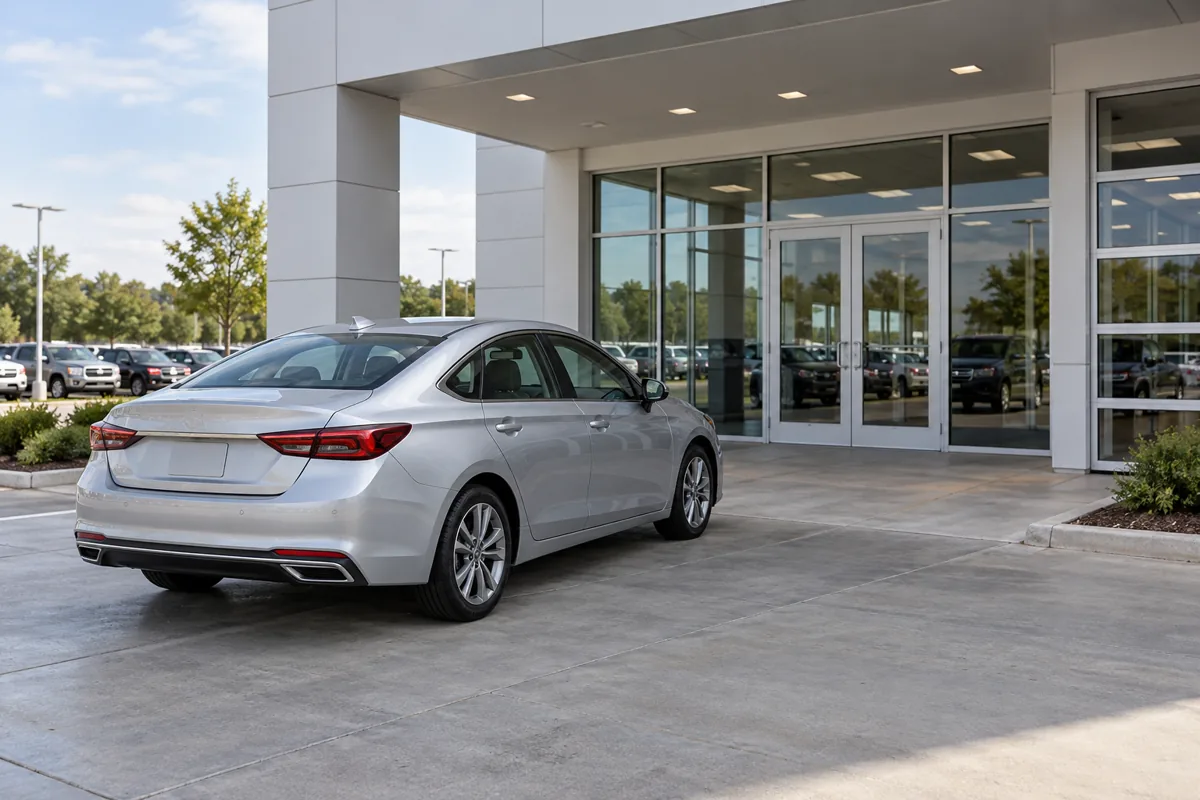
Identify the vehicle and the department releasing it
Start with the dealership name, full street address and the department responsible for the vehicle. A sales consultant may know the purchase arrangements while a service adviser controls keys and collection. Give the name and reachable number of the person who can answer pickup questions at the time of collection. Use the vehicle make, model, year and an agreed identifier to distinguish it from similar vehicles on the property. Share detailed identifiers privately when needed rather than posting ownership paperwork in a general message.
Explain the purpose of the move in ordinary language. A vehicle collected after diagnosis may have a different condition from one advertised for sale. Tell dispatch what the dealership has actually confirmed about starting, rolling, steering and braking. Identify information that is still pending. Do not describe a vehicle as ready solely because a repair order or sales appointment has ended. Ask the releasing department to confirm which car is involved, where it is parked and who will have its keys when the operator arrives.
Confirm release before treating a collection time as settled
Ask the responsible dealership contact whether the vehicle can be released for the proposed collection and what remains to be completed. Keep payment, paperwork and ownership questions with the parties responsible for them. A towing inquiry does not settle those matters. Tell dispatch if release is conditional or if a decision maker is unavailable. That allows timing to be discussed using the actual status instead of an assumed deadline.
If several people are involved, identify one coordinating contact who can confirm that the dealership, owner and receiver have the same plan. Do not ask an operator to arrive and resolve a disagreement between sales and service. Record the release contact and the practical collection instructions without forwarding unnecessary financial documents. When a dealership changes the pickup window or says the vehicle must remain, update the existing request promptly. An earlier statement that a vehicle was ready should not remain the operative instruction after the releasing department has changed it.
Separate customer reception from the usable pickup entrance
Give the entrance that leads to the actual vehicle, not just the dealership’s main showroom address. Service lanes, rear storage areas and inventory lots may have different approaches. Ask the releasing contact which approach is available to the proposed collection and whether an escort or check-in is needed. Describe gates, overhead restrictions, tight rows and any other known limits without assuming that an ordinary customer driveway proves truck access.
State where the car currently sits and whether staff plan to relocate it before collection. If they do, ask for updated location information rather than sending an old parking-row description. Safe overview photographs can help show the position and approach, but do not enter restricted areas or move dealership vehicles to obtain them. Tell dispatch about advertised business hours separately from the actual release contact’s availability. A showroom remaining open does not establish that the person with the keys or access to a rear lot will still be present.
Keep keys, fitted parts and loose property in the plan
Confirm who holds the working key and how it will be handed over. If the vehicle has been inspected or partly disassembled, ask the dealership to describe its present condition and any loose parts. Tell dispatch what has been confirmed instead of assuming that everything removed during service has been reinstalled. Keep technical handling decisions for review by the operator using the actual vehicle and applicable information.
Ask who is responsible for personal belongings, accessories and paperwork that travel separately. A purchase packet does not need to be placed visibly inside the vehicle, and a vehicle move should not silently become a separate document or property delivery. Clarify whether a second key, wheel accessory or other item is being handed to the receiver. Do not hide keys on the vehicle or publish access instructions in a public post. Agree on the specific handoff with the responsible contacts, then update dispatch if the key holder or vehicle condition changes.
Confirm the destination independently of the dealership transaction
Name the proposed receiving person or business, the complete address and the usable delivery entrance. Ask that receiver to accept the actual vehicle in its present condition. A buyer’s billing address, an owner’s home and a repair business are different destinations; none should be inferred from a sales document. If the vehicle is going to another shop, confirm its intake arrangements and who can receive a nonrunning or partly assembled car.
Coordinate the receiving window with the dealership’s release window and dispatch’s available service. Explain when those windows do not overlap. Do not assume the vehicle can be left unattended, stored temporarily or delivered to a closed business without a reviewed arrangement. If the destination changes, replace the earlier address clearly in the same request. Keep one reachable contact through collection and delivery so a question at either end can be answered without restarting the entire conversation among sales staff, service staff and the owner.
Read back the accepted scope and record the actual handoff
Before approving service, ask dispatch to confirm the vehicle, collection entrance, release contact, receiving address, access assumptions, timing and quoted scope. Distinguish a preferred collection time from an accepted arrangement. Explain any remaining dealership condition that could prevent release. A form submission, a photograph or a message from a sales representative starts a discussion; it does not by itself assign equipment or confirm that every part of the move is accepted.
After the arrangement is confirmed, send meaningful updates through the existing request. Report a moved vehicle, delayed release, missing key or unavailable receiver. Keep the people authorizing the transaction separate from the contacts physically meeting the truck when those roles differ. Retain the actual collection and receiving details for your records. Delivery to a receiver does not establish repair completion, satisfaction of a sale agreement or acceptance of every loose item; those matters remain with the relevant parties and their real handoff records.