

B’S TOWING • GREATER NEW ORLEANS
Airport parking breakdown: locate the vehicle and coordinate access before pickup
Prefer a callback? Leave your number.
Dispatch confirms availability, equipment, timing and price. A request is not a confirmed booking.
An airport parking receipt, a terminal address and the disabled vehicle’s position can describe three different places. Before requesting help, connect the actual car location with a usable entrance and a reachable contact. Call B’s Towing at 504-908-0072 to discuss the vehicle service. This guide does not state any airport’s current access, payment or release policies. Confirm those directly with the parking operator while dispatch reviews the proposed collection and destination.
On this page
- Use the parking facility and car position together
- Ask the parking operator what the collection requires
- Describe the access beyond the entry gate
- Coordinate keys and the person returning from travel
- Report the vehicle condition and choose an accepting receiver
- Confirm the whole request before relying on a departure time
- Questions and answers
Pickup planning
Use the parking facility and car position together
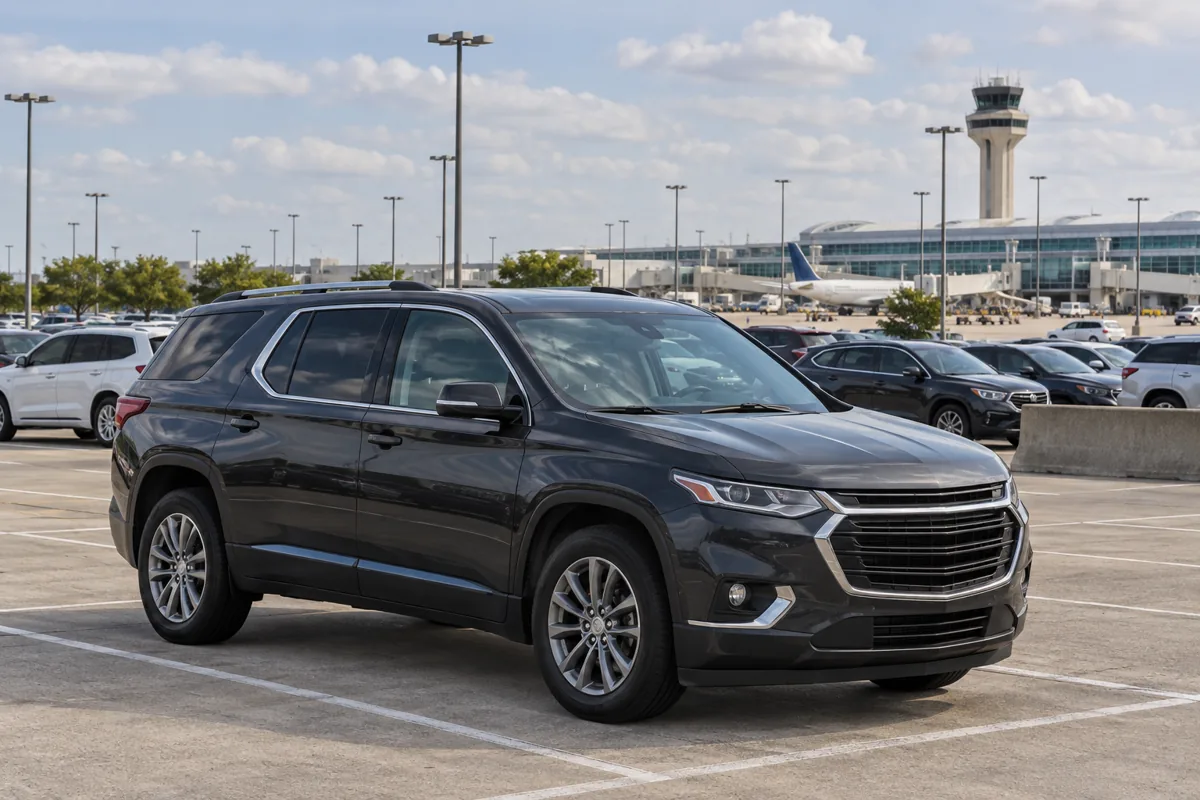
Identify the actual parking operator and facility, especially when an off-airport business uses a shuttle to the terminal. Give the lot or garage name, street address, row or level and the vehicle description. A terminal name may explain where the passenger is waiting without helping an operator find the car. Keep those locations separate in the request. If the receipt names a booking provider, establish which business actually holds or controls access to the vehicle.
Check location information against a real observation or a reliable parking record. A remembered row from the start of a trip may be outdated if staff relocated the car. Ask the parking operator to confirm the current position where necessary. Share a map pin with a written facility and entrance description rather than assuming a pin inside a large property provides the entire approach. State when the location remains uncertain so dispatch is not working from an unverified instruction presented as a fact.
Ask the parking operator what the collection requires
Tell the parking operator that a vehicle service inquiry is being coordinated and ask about the actual access and release process. Confirm which entrance is available, who can answer collection questions and whether staff need to meet the operator. Explain a proposed towing collection separately from an ordinary customer leaving in a running car. Ask about any unresolved parking transaction through the parking business rather than expecting dispatch to decide its requirements.
Keep account passwords and unnecessary travel documents out of the general vehicle request. Provide the practical contact and reference information needed for the reviewed handoff. If the parking operator requires an owner or authorized contact to participate, arrange that through the responsible parties before treating collection as settled. Do not assume a reservation email opens a gate, releases a vehicle or covers the cost of towing. Each part of the arrangement should be confirmed by the party actually responsible for it.
Describe the access beyond the entry gate
A gate is only one part of the route to the car. Tell dispatch whether the vehicle is in an outdoor lot, covered area or multilevel garage. Provide confirmed information about overhead restrictions, turns, lanes and the space around the vehicle. If staff propose moving it to another area, ask what can actually be done and when. Do not present a proposed relocation as completed until its new position is confirmed.
Use safe overview photographs when available and authorized. Show relevant surroundings without including other travelers, documents or private parking information. Do not enter a restricted lane, climb a barrier or move the vehicle to improve access for the photograph. Permission from a parking attendant and technical suitability are different questions. Dispatch and the operator still need to review whether the actual vehicle and approach can be accommodated with the service being considered. Update the request if another car, closure or change in parking position alters that approach.
Coordinate keys and the person returning from travel
Explain who currently has the working key. In some arrangements the driver retains it; in others a parking business may have it. Confirm the actual situation instead of assuming how that facility operates. Identify who can authorize collection and who will be physically available at the car or entry point. If the driver is arriving on a flight, give a realistic contact plan rather than treating a scheduled landing time as a guaranteed vehicle handoff.
Keep the passenger’s travel and the car’s move distinct. Baggage collection, terminal waiting and a shuttle trip may all affect when the driver can meet someone, but they do not establish dispatch arrival. If a relative coordinates remotely, explain the roles and keep one reachable contact. Do not leave keys hidden on the vehicle or share private entry credentials in a public message. Ask about a reviewed handoff and update dispatch if a delayed arrival or changed key holder makes the original plan impractical.
Report the vehicle condition and choose an accepting receiver
Give the make, model and what is known about the problem after the parking period. State a flat tire, starting problem or other observation without assuming the cause. Explain any previous attempts or inspection findings factually. Do not repeatedly operate or move the car just to diagnose it for the inquiry. Dispatch can review the reported condition and determine what additional information is needed before a service arrangement is accepted.
Name the proposed vehicle receiver and complete address. A traveler’s home, a rental counter and a repair shop are not interchangeable destinations. Confirm the receiving entrance, contact and acceptance of the current condition. If the driver wants to continue traveling separately, clarify who remains responsible for the vehicle handoff. Ask about passenger accommodation directly and arrange separate travel when needed. A request to move a disabled car does not automatically reserve rides for a family, their luggage or several separate destinations.
Confirm the whole request before relying on a departure time
Read back the actual parking facility, current vehicle position, usable entrance, access contact, keys, receiver and quoted scope with dispatch. Discuss timing using the confirmed release situation. A flight schedule or parking reservation end time is a constraint to explain, not a dispatch promise. Ask what is accepted and what still needs review, including access or receiving questions that remain unresolved with another business.
Send updates through the same request if the car is relocated, a gate arrangement changes, the driver is delayed or the receiver can no longer accept delivery. State which previous instruction is replaced. Avoid arranging duplicate vehicle services while assuming the other party will discover the overlap. Retain the actual collection and receiving details, and settle parking-account or travel questions with the relevant provider. Completion of the vehicle move does not by itself resolve a parking bill, an airline matter or a repair diagnosis.