

B’S TOWING • GREATER NEW ORLEANS
Tractor transport inquiries: clarify implements, records and the receiving site
Prefer a callback? Leave your number.
Dispatch confirms availability, equipment, timing and price. A request is not a confirmed booking.
A tractor transport inquiry should describe the actual tractor and every implement or accessory that affects the requested move. A compact machine parked on pavement and a differently configured tractor in a field are not interchangeable descriptions. Call B’s Towing at 504-908-0072 to ask about review of the specific equipment, access and destination. This guide does not promise agricultural hauling capacity or prescribe a loading method. Its purpose is to make the request accurate before an arrangement is accepted.
On this page
- Identify the tractor and the configuration being moved
- Make attached and separate implements explicit
- Describe the ground and approach honestly
- Explain condition without operating the tractor for the inquiry
- Confirm receiving access and responsibility
- Confirm scope and replace outdated instructions
- Questions and answers
Pickup planning
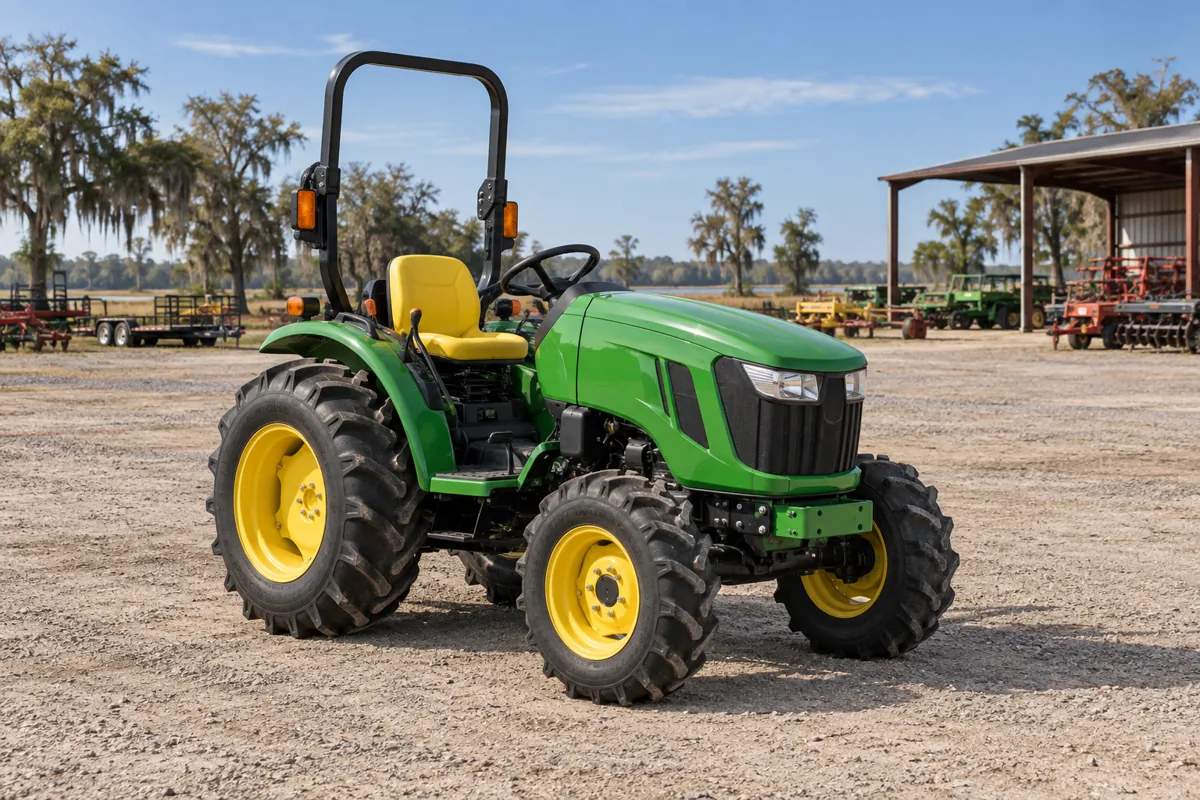
Identify the tractor and the configuration being moved
Provide the manufacturer, model and applicable identification information from the actual tractor’s records. Explain whether the move concerns an owned machine, a purchase, a rental return or a repair transfer. Identify the person who can approve the arrangement and a site contact who can answer practical questions. A seller’s listing or an informal model nickname may not describe the equipment that will actually be available when collection is proposed.
Give known dimensions and weight information with the source clearly identified. Describe accessories that remain installed, such as a fitted loader or cab, without assuming a record for a base configuration covers them. Say when information is missing rather than borrowing a number from a different tractor. Keep applicable equipment and manufacturer records available for review. Dispatch needs a description of the real machine and configuration, not a guarantee based on how easily a similar-looking tractor moved on a previous occasion.
Make attached and separate implements explicit
List the implements and other equipment involved in the request, stating what remains attached and what sits separately. Explain the desired result: moving only the tractor, reviewing a tractor with an attached implement, or discussing separate equipment movements. Do not assume that calling the job a tractor move includes every item beside it. A receiver should know which pieces are actually part of the proposed handoff instead of discovering an unmentioned attachment at arrival.
Keep preparation and equipment changes with the responsible owner, appropriate site staff and applicable information. This page does not provide instructions for detaching, lifting, supporting or securing implements. Do not alter the configuration just to make an inquiry sound simpler. If an implement is removed or another item is added after the first call, update dispatch through the same request. The actual service review should use the equipment that will be present, and any additional destination or handling request needs explicit discussion.
Describe the ground and approach honestly
Give the actual equipment location and the usable property entrance. Distinguish a machine in a paved yard from one located on grass, loose ground or an active agricultural area. Describe observed surface conditions, gates, turns, overhead restrictions and surrounding activity without promising that an approach is suitable for available transport equipment. A farm’s mailing address may leave the collection point far from the entrance that a visitor would ordinarily use.
Name a reachable property representative who can explain access and meet the operator when required. Do not direct a vehicle across a field or through a gate based solely on the tractor’s usual route. If a site contact proposes relocating the equipment, distinguish the proposal from a completed move and obtain updated location details. Safe overview photographs may help describe the approach, but they do not replace permission, current ground information or review by the operator considering the actual equipment and service.
Explain condition without operating the tractor for the inquiry
Describe what is currently known about the tractor’s operation and any confirmed problems relevant to movement. Say who inspected it and which details remain uncertain. A machine parked after a breakdown, a project tractor awaiting repair and a working tractor being transferred between properties require different conversations. Avoid turning a reported symptom into a diagnosis or stating that controls work normally when no responsible person has confirmed that condition.
Do not start, drive or adjust the tractor merely to provide a more definite answer. Keep unfamiliar procedures out of the preparation process and make the actual records available to the appropriate service review. If parts have been removed or damaged, explain that accurately. Identify loose components separately and assign responsibility for them. Dispatch and the operator need to understand the current machine, not a planned repaired state or an assumption that it can be handled in the same way as it was before the problem occurred.
Confirm receiving access and responsibility
Ask the proposed receiver to accept the tractor and each included implement in their actual condition. Provide the complete address, usable entrance, responsible contact and receiving window. A repair appointment, purchase agreement or rental reference may leave the physical equipment handoff unresolved. If a different person controls the receiving yard or intake area, identify that contact before relying on the proposed destination as ready for delivery.
Clarify who handles any receiving tasks that are outside the reviewed transport scope. Do not assume unattended delivery, temporary storage or additional site work is available. The owner’s travel, operator staffing and separate property collection also need their own arrangements. If the receiver changes the destination or declines an implement, update dispatch rather than sending several competing addresses. Coordinate pickup and receiving availability using the actual service timing offered, not a farm work deadline or appointment time that has not been accepted as part of the transport plan.
Confirm scope and replace outdated instructions
Before approving service, read back the tractor identification, current configuration, included implements, condition, collection entrance and receiving arrangement. Ask what can be offered after review, what remains pending and what the quoted scope includes. A form submission or image does not establish capacity, reserve a particular vehicle or approve a loading technique. Keep any unanswered equipment or access question visible in the discussion rather than treating silence as acceptance.
Send meaningful updates through the existing request. Report a changed implement, relocated tractor, different key holder, new ground restriction or unavailable receiver, and state which earlier information should be replaced. Keep the authorizing and site contacts reachable until the actual handoff is complete. Retain equipment identification and collection records for the responsible business or owner. Completion of a movement does not itself settle a sale, rental return, repair diagnosis or operational readiness; those outcomes depend on the parties and processes actually responsible for them.