

B’S TOWING • GREATER NEW ORLEANS
Scissor-lift transport inquiries: match machine records with the real site conditions
Prefer a callback? Leave your number.
Dispatch confirms availability, equipment, timing and price. A request is not a confirmed booking.
A scissor-lift transport request starts with the actual machine and its current position, not just a platform-height description. The equipment owner, pickup site and receiver may each hold part of the information needed for review. Contact B’s Towing at 504-908-0072 with one coordinated request. This guide helps organize that discussion; it does not establish transport capacity, authorize a loading method or provide instructions for operating or preparing a lift.
On this page
- Identify the lift before discussing transport suitability
- Describe the current configuration and operating status
- Explain where the machine sits inside the property
- Separate site preparation from the proposed equipment move
- Confirm the receiver for the lift and included items
- Confirm scope and keep the identified unit consistent
- Questions and answers
Pickup planning
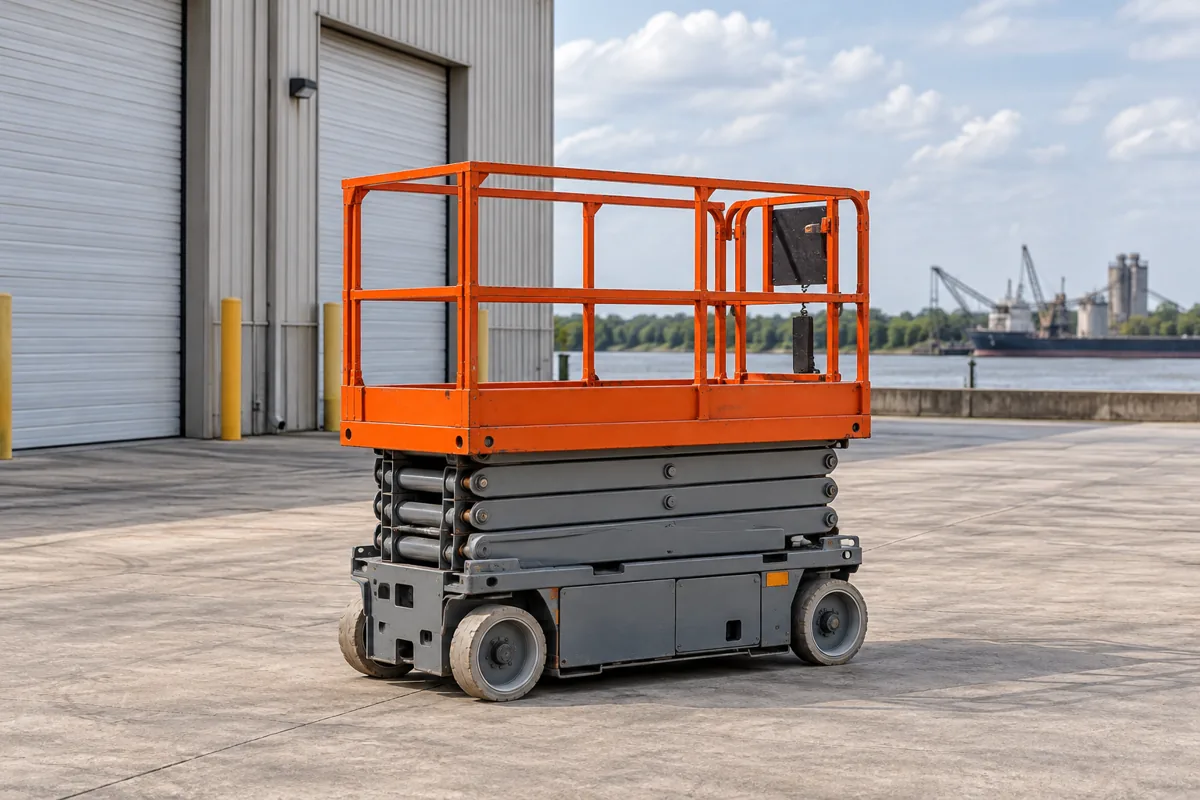
Identify the lift before discussing transport suitability
Provide the manufacturer, model and applicable serial or unit identification from the actual machine’s records. Rental fleets and worksites may contain several similar lifts with different records or configurations. Explain which unit is being collected and who can approve its movement. A project description or an approximate platform-height label should not replace the identity of the machine that will be present at collection.
Have the manufacturer information applicable to that unit available for review. Genie provides operator-manual resources, and JLG’s technical-publication search accepts equipment identifiers; those are examples of sources for their respective machines, not universal procedures. Use the appropriate records for the actual lift rather than borrowing a specification from a similar model. State the source of known dimensions or weight information and identify missing details honestly so dispatch can ask what is needed before accepting the arrangement.
Describe the current configuration and operating status
Explain the lift’s actual configuration and what is known about its present condition. State whether a responsible equipment contact has confirmed a problem affecting movement or controls, and distinguish that finding from a site worker’s observation. Describe the platform and any fitted accessories as they stand without promising that their position can be changed. If parts, rails or other components are missing or separate, say so rather than relying on an old delivery record.
Do not operate, adjust or prepare the machine merely to make an inquiry sound complete. This page gives no lowering, release, loading or securing instructions. Keep applicable information and a responsible equipment contact available for the actual review. A form or photograph does not establish that a proposed method is appropriate. If the owner or authorized staff change the configuration after the first inquiry, report the confirmed new state before relying on the previous description.
Explain where the machine sits inside the property
Give the lift’s actual location within the site and the entrance that leads to it. A reception address may not describe a warehouse aisle, enclosed work area or rear yard. State whether the machine is indoors, under cover or outside, and identify a site contact who can explain the route. Describe confirmed gates, overhead restrictions, turns, surfaces and surrounding activity without deciding that a path is suitable for a proposed transport vehicle.
A lift’s working route and a collection approach are separate questions. Do not assume that a machine can be moved to a loading area simply because it reached its work position earlier. If authorized staff propose repositioning it, distinguish that plan from a completed relocation. Obtain updated position and access information once a change is confirmed. Safe overview photographs help describe the situation but do not replace property permission or the operator’s review of the actual approach.
Separate site preparation from the proposed equipment move
Identify who controls the equipment, who manages the property and who can resolve a collection question at the proposed time. A rental company may approve release while a site representative controls gates and the machine’s position. Explain those roles clearly. Do not leave dispatch dependent on an office contact who cannot answer an access question or on a site worker who cannot approve the equipment arrangement.
Discuss any requested work beyond moving the specified lift between the specified locations. Loose accessories, other equipment, site stock and additional stops should not silently become part of one inquiry. Keep preparation responsibilities with the appropriate equipment and site contacts using applicable information. Avoid putting account passwords, access credentials or unnecessary project records into a general message. The practical goal is one agreed machine description and clear responsibility for the work that has actually been reviewed.
Confirm the receiver for the lift and included items
Contact the proposed receiver about the identified lift and its actual condition. Give the complete destination, usable entrance, responsible person and receiving window. A rental return number or repair booking can identify an account matter while leaving physical equipment intake unresolved. Clarify whether the receiver expects a functioning machine, what included items are being handed over and who can answer an arrival question.
Coordinate those arrangements with the pickup site and dispatch’s reviewed timing. Do not assume unattended delivery, temporary storage or additional site work is offered. An operator or employee’s travel remains separate from transport of the machine. If the receiver changes its acceptance or destination, update the same request and ask for review of the revised arrangement rather than leaving several possible addresses active. A receiver agreeing to one unit should not be treated as accepting an unmentioned substitute.
Confirm scope and keep the identified unit consistent
Read back the lift identity, configuration, condition, collection position, site contacts and destination with dispatch. Ask what equipment and service can be offered after review, what remains pending and what the quoted scope includes. A desired project deadline is a constraint to discuss, not confirmation that capacity or a particular arrival time is reserved. Keep questions about suitability explicit instead of treating an unanswered detail as approval.
Report a substituted unit, changed platform configuration, relocated machine, unavailable gate contact or revised receiver through the existing request. State which earlier information is replaced. Keep the authorizing and site contacts reachable through the actual handoff. Retain identification and receiving records for the responsible business. Transport completion establishes the movement that occurred; it does not by itself certify operating condition, settle a rental return or confirm repair acceptance or completion by another party.
Questions about this pickup
Related planning and service
Manufacturer identification and manual resources
These manufacturer resources help locate records for their own equipment. Match the actual model and unit before using a manual; these links do not select a transport method.