

B’S TOWING • GREATER NEW ORLEANS
Electric vehicle pickup: share the actual instructions and tow-mode status
Prefer a callback? Leave your number.
Dispatch confirms availability, equipment, timing and price. A request is not a confirmed booking.
An electric vehicle pickup request needs the actual model, current condition and applicable transport information. A feature called tow mode on one vehicle should not be assumed to describe every other vehicle. Call B’s Towing at 504-908-0072 to discuss the request and availability. Explain what is known about the vehicle’s state and whether its instructions are available. This guide does not tell an owner how to activate a mode, energize a disabled vehicle, release controls or handle high-voltage equipment.
On this page
- Identify the exact electric vehicle and situation
- Keep the correct transport documentation available
- Describe tow-mode status without experimenting
- Report physical condition and pickup access
- Coordinate provider instructions and receiving
- Review the current scope through both handoffs
- Questions and answers
Pickup planning
Identify the exact electric vehicle and situation
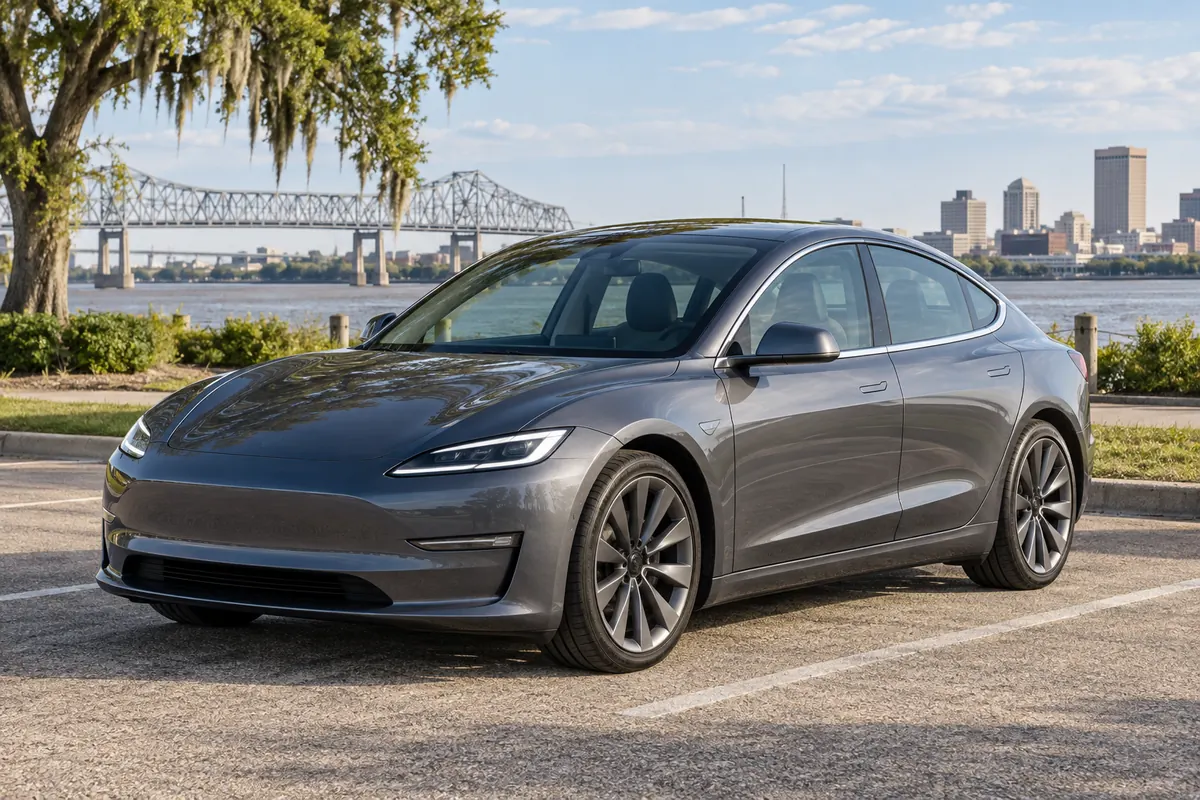
Provide the manufacturer, model, year and relevant configuration from reliable records when available. State that the vehicle is electric at the start of the request rather than expecting a color, body style or badge to make that clear. Explain why pickup is being considered using observed facts: a displayed message, inability to start a trip, damage or another current limitation. Keep a distinction between an owner’s interpretation and information supplied by an appropriate vehicle professional or the manufacturer’s own documentation.
If the caller is coordinating remotely, identify the person with the vehicle who can describe its actual condition. An older application display or message from before the incident should not be presented as a current observation without confirmation. Mention modifications, installed accessories and any separate unit attached to the vehicle. Do not treat an electric-car category as a complete specification. Accurate identification helps the service review use information for the real vehicle instead of a procedure remembered from another model.
Keep the correct transport documentation available
Find the manufacturer’s transport information applicable to the actual vehicle and market when available. Check the document identity, including the model and any version information it supplies. A search result, a forum description or a nearby model name does not establish that the page applies to the car being collected. Share the relevant title or document with dispatch when useful, and identify any uncertainty about whether the correct instructions have been located.
The manufacturer reference below is an example of a vehicle-specific transporter page. It is not a universal procedure for all electric vehicles. This guide does not reproduce a sequence of control operations from that page or tell an owner to follow instructions for a different car. Keep the actual information available for the operator’s assessment. If the correct document is unavailable, say that plainly and identify an appropriate owner or provider contact instead of filling the gap with an assumed equivalent from another vehicle.
Describe tow-mode status without experimenting
Report what is currently known about any transport-related mode using the vehicle’s own terminology. Explain whether it is known to be available, reported unavailable, not confirmed or inaccessible because a display or control cannot be used. Those are different states. Do not label a feature active merely because it appears in an owner document or was used during a previous event. If someone else supplied the status, identify that source and whether the information reflects the present incident.
Do not activate modes, release controls or energize systems simply to complete a dispatch questionnaire. This page gives no control sequence, bypass method or high-voltage procedure. A displayed option is not by itself confirmation that the vehicle can be moved using a particular method. Keep observations and applicable instructions separate, allowing dispatch and the operator to review the actual request. If status changes before collection, report the current facts rather than leaving a previously unavailable or unconfirmed condition hidden in an older message.
Report physical condition and pickup access
State known facts about rolling, steering, braking and key or fob availability independently of a mode label. Mention visible damage, a wheel that will not rotate or an obstruction around the vehicle. Do not operate the car to test a limitation for the inquiry. If the vehicle is connected to equipment or another party controls its access, identify the actual status and responsible contact without attempting technical disconnection or assuming the transport operator will resolve an unspecified preparation task.
Provide the exact pickup location, usable entrance and current parking position. Explain a garage level, gate, narrow approach or known surface restriction separately from the vehicle’s controls. Safe overview photographs can show the setting and visible condition, while close-ups of a screen should avoid exposing unnecessary private information. Images do not approve a transport method or establish equipment fit. Identify the person authorized to provide property entry and confirm their actual availability before treating a preferred collection window as settled.
Coordinate provider instructions and receiving
If a manufacturer, rental provider, employer or repair business is involved, identify its actual role and current instruction. Keep any service reference available without assuming it authorizes payment or every independently requested task. This guide does not decide coverage or reimbursement. Tell dispatch which decisions are confirmed and which remain pending. A provider’s general recommendation to arrange help should not be presented as a confirmed booking, an accepted destination or approval for a particular handling arrangement.
Confirm that the intended receiver accepts the actual vehicle and known condition. Provide the complete address, usable entrance, reachable contact and real receiving window. An appointment or mapped charging location does not automatically establish permission for a vehicle handoff there. Coordinate keys and any relevant documents through the accepted process. Keep the occupants’ onward travel separate from movement of the electric vehicle, including any accommodation needs, rather than assuming a towing conversation settles every part of the trip.
Review the current scope through both handoffs
Ask dispatch what can be offered after reviewing the model, condition, available documentation, mode status, access and receiver. Clarify which unresolved information is needed next and who can supply it. Do not choose equipment or a loading position from a generic description on this page. A preferred time, submitted form or exchanged screen image does not confirm suitability or service availability. The operator needs to assess the actual vehicle and setting using applicable information rather than an assumed rule for electric cars as a group.
Use the existing request for updates to controls, keys, location, preparation or provider instructions. State which earlier detail is replaced and ask for acknowledgment when the change affects service. Keep actual collection and receiving confirmation with the vehicle record. A completed transport does not establish repair completion, charging readiness, a resolved account issue or the cause of an electrical problem. Follow those separate processes with the responsible manufacturer, provider or repair professional using the current vehicle-specific information.
Questions about this pickup
Related planning and service
Vehicle-specific manufacturer references
Use the manufacturer information that applies to the actual vehicle. These linked pages are model-specific examples, not universal handling instructions.