

B’S TOWING • GREATER NEW ORLEANS
Vehicle pickup behind a locked gate: coordinate authorized access
Prefer a callback? Leave your number.
Dispatch confirms availability, equipment, timing and price. A request is not a confirmed booking.
A vehicle behind a locked gate needs an actual entry arrangement as well as a towing request. The property address does not explain who can admit service equipment or when that person is available. Call B’s Towing at 504-908-0072 to discuss the vehicle and service availability. This guide helps coordinate authorized access and the handoff. It does not provide a gate bypass method, decide a property dispute or establish that permission to enter also settles authority to move a particular vehicle.
On this page
- Identify who controls the gate and the vehicle
- Confirm the usable service entrance
- Coordinate the entry window and attendance
- Protect private access information and describe restrictions
- Prepare the vehicle and receiving information
- Confirm scope and replace outdated access instructions
- Questions and answers
Pickup planning
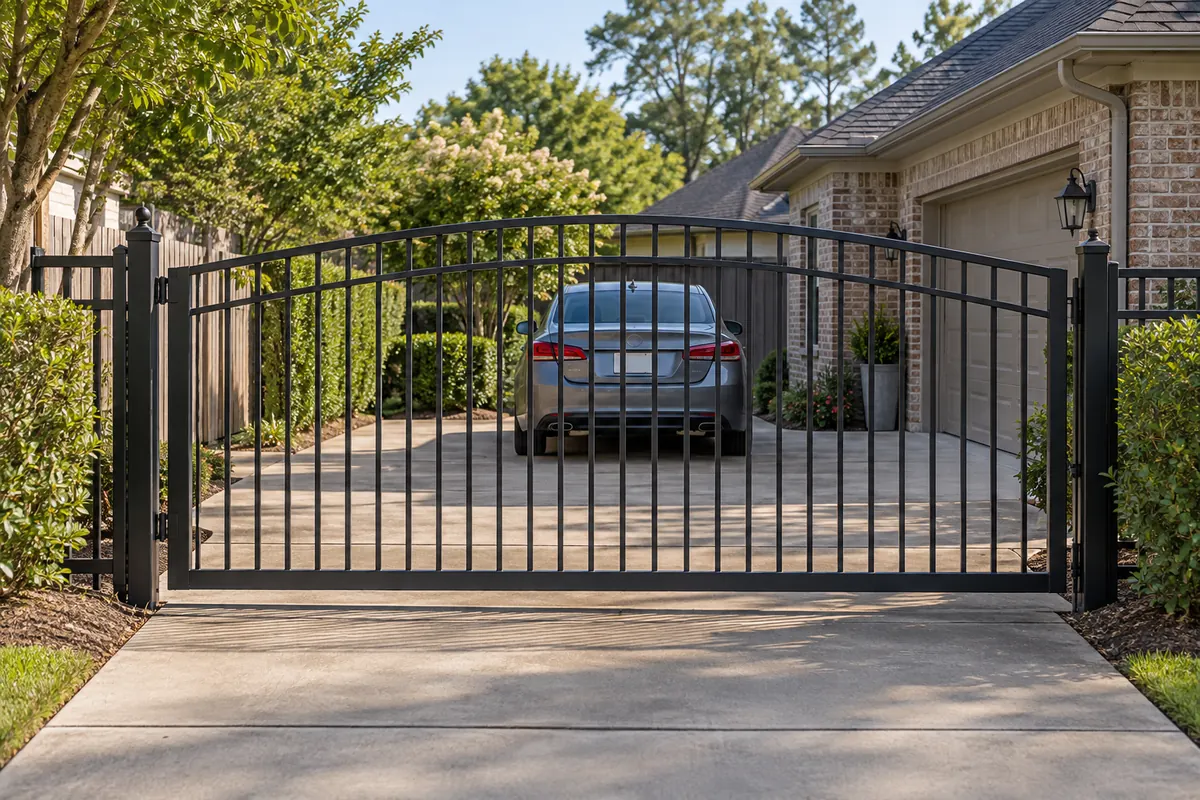
Identify who controls the gate and the vehicle
Name the responsible property contact and explain their role in arranging entry. Separately identify the vehicle owner or person authorized to request its service. These can be different people. A resident may control one entrance while a manager controls the route needed for a service vehicle. A person able to open a gate may not be the person who can authorize the car’s movement. Keep both roles clear so dispatch can direct access and vehicle questions to the appropriate responsible contacts.
If the vehicle is at a shop, rental property, employer yard or another controlled location, ask that party about its actual release and entry process. This guide does not interpret an agreement or decide which person has authority in a disputed situation. Tell dispatch which decisions are confirmed and which remain pending. Do not describe an unanswered message as permission or assume a general business reference number establishes entry. A useful request identifies both the responsible vehicle instruction and the accepted route through the property.
Confirm the usable service entrance
Provide the complete address and the gate that reaches the actual vehicle position. Large sites may have visitor, employee, delivery and rear-yard entrances that do not connect in the same way. Label a map pin at the gate separately from the car’s location and any person’s meeting point. Explain the internal route using fixed identifiers rather than relying only on the building name. A pedestrian entrance or usual resident access may not establish service-vehicle entry to the area needed for collection.
Ask the responsible property contact about the authorized process during the proposed window. Explain whether attendance, an entry appointment or another real arrangement is required. Do not assume the operator can follow a vehicle through a closing gate or use a different entrance without approval. If a gate’s purpose or access route is uncertain, label it as unresolved and provide a reachable contact. The service review should use a confirmed entry plan rather than several possible routes sent by people with different responsibilities.
Coordinate the entry window and attendance
Identify when the gate can actually be opened and who will be available then. Keep the property’s access window separate from dispatch’s service availability. A gate representative agreeing to a time does not by itself book the requested equipment or establish an arrival promise. Tell dispatch about a contact’s limited availability before presenting a preferred pickup window as agreed. If a representative must remain on site during the visit, confirm that requirement directly through the responsible property process.
Agree where the operator and access representative will meet, keeping that point distinct from the parked vehicle. Identify a reachable replacement contact if the first person becomes unavailable. A promise that someone will answer a phone is different from a confirmed arrangement to provide entry. If the gate opens automatically under a provider’s process, relay the actual instruction privately without improvising or assuming the same process works for every visitor. Keep pending attendance and opening decisions visible until the appropriate person confirms them.
Protect private access information and describe restrictions
Share necessary entry details only through the agreed communication channel with the authorized people involved. Do not post access codes, private account credentials or security information in public comments or widely shared photographs. A location image can show the gate and surroundings without displaying sensitive details. This page does not recommend a bypass, a hidden key location or a way to defeat a lock. If authorized entry is unavailable, explain that fact and ask dispatch what can be reviewed while the access question remains open.
Describe known restrictions beyond the gate, including turns, covers, surface changes and obstructions near the car. A gate opening does not establish that the entire internal route is suitable. Use reliable existing dimensions when available and identify where they apply; do not take unsafe measurements to complete the inquiry. Safe overview photographs supplement the description without certifying equipment fit. If another person plans to clear an obstruction, report that as pending until the actual change is confirmed rather than promising a route that is still blocked.
Prepare the vehicle and receiving information
Provide make, model, configuration and known key availability, with separate facts about starting, rolling, steering and braking. A car behind a gate can also have a missing key or locked wheel, and access planning should not hide those limitations. Do not move the vehicle or alter controls merely to fit an assumed handling method. Identify who can answer current condition questions if the person opening the property has not inspected the car or is coordinating for an absent owner.
Confirm the vehicle’s destination, usable receiving entrance and appropriate receiving contact independently of pickup access. If the receiver also uses a gate, arrange its actual entry and handoff process rather than assuming the pickup contact can settle both locations. Discuss keys and any owner-absent arrangement with dispatch before service is confirmed. Arrange people’s travel separately from movement of the vehicle. A gate plan is one part of the request; it does not establish passenger accommodation or acceptance at an unconfirmed receiving address.
Confirm scope and replace outdated access instructions
Ask dispatch to review availability and scope using the actual gate process, internal route, vehicle condition and accepted receiver. Identify which permission, attendance or key question remains unresolved and who is responsible for the next decision. A submitted form, photograph or preferred time does not complete the booking. Keep the current access instruction together rather than allowing a resident, manager and owner to send conflicting versions through separate requests without identifying which one is authoritative for each task.
Update the existing request if the gate fails, an access window closes, a contact leaves or the vehicle moves within the property. State which earlier instruction is replaced and ask for acknowledgment when the change affects service. Retain actual collection and receiving confirmation under the agreed process. A completed handoff does not decide a lease, ownership or security dispute, and it does not establish permission for a future visit. Keep those separate matters with the responsible parties instead of treating one authorized service arrangement as a general access right.