

B’S TOWING • GREATER NEW ORLEANS
Classic and collector vehicle pickup: describe the actual car
Prefer a callback? Leave your number.
Dispatch confirms availability, equipment, timing and price. A request is not a confirmed booking.
A classic or collector vehicle request should describe the actual car, not rely on a category label to explain its needs. Storage conditions, modifications, current controls and the receiving arrangement can matter as much as the model name. Call B’s Towing at 504-908-0072 to review the requested move and availability. This guide does not promise specialized equipment, a particular transport method or appraisal services. Confirm what can be offered for the individual vehicle before arranging collection.
On this page
- Identify the vehicle and the reason for the move
- Use present condition rather than storage history
- Disclose modifications and low or unusual components
- Plan the storage-site release and access route
- Agree on keys, parts and factual condition records
- Confirm the receiver and the service that is actually offered
- Questions and answers
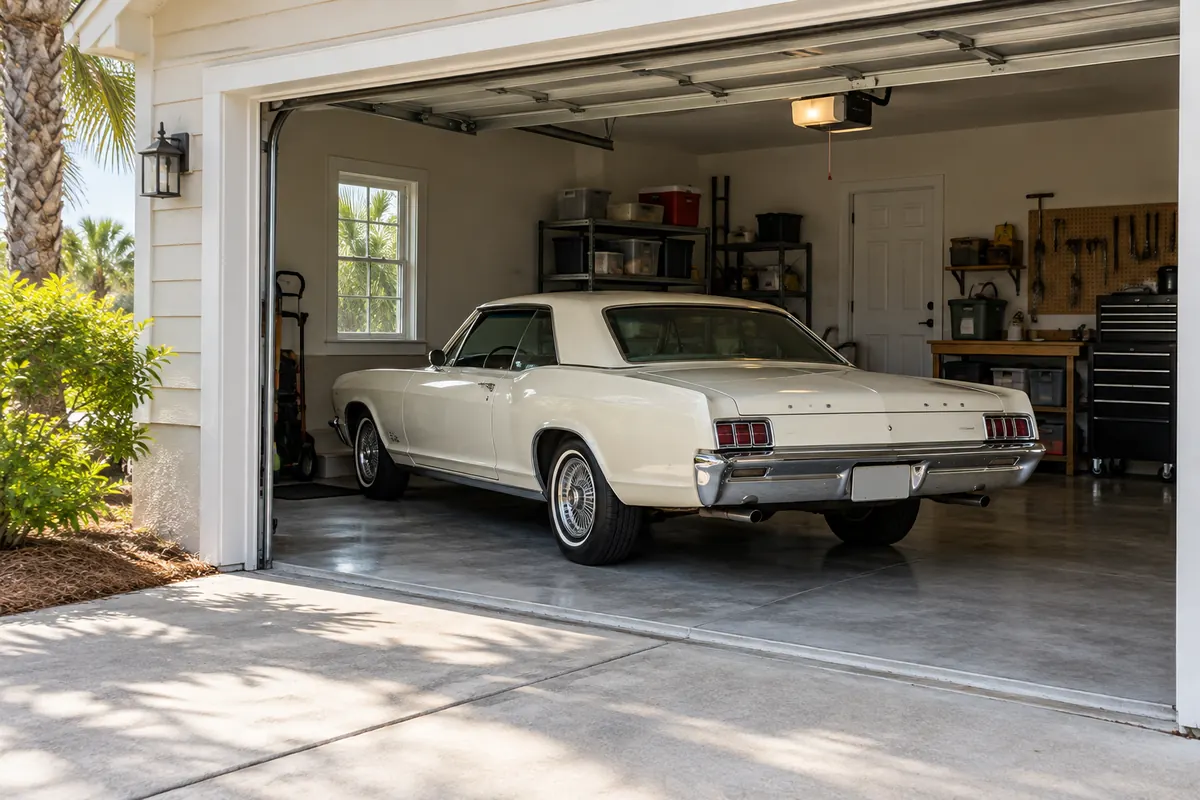
Identify the vehicle and the reason for the move
Give the make, model, year when known and relevant body configuration. Explain whether the request involves moving from storage, going to a repair facility, changing an owner’s location or another specific handoff. Keep that purpose factual rather than using “collector car” as a substitute for operational details. If someone else is coordinating, identify the owner or responsible contact who can confirm current condition and provide the instructions needed to review service.
Distinguish original specifications from the vehicle’s current configuration. An older car may have modifications, replacement components or unfinished work that are not apparent from its model name. Provide available documentation when it answers an actual handling question, without assuming every historical record needs to travel with the vehicle. Tell dispatch which details are confirmed and which are uncertain. The request should describe the individual car awaiting collection rather than a generic example from the same production year.
Use present condition rather than storage history
Explain whether the car starts and report separately what is known about rolling, steering, braking and key availability. A vehicle that drove into storage may not be in the same state now. Identify when the last reliable observation was made and who supplied it. If a shop or storage contact has current information, relay that source rather than treating an old description as verified. Do not start or move a stored car simply to demonstrate readiness for a request.
Mention visible damage, known wheel limitations, missing components or disassembly relevant to collection. Describe observations without diagnosing the cause or promising that a simple preparation step will restore operation. A proposed repair, battery change or reassembly remains pending until the responsible person confirms it is complete. Keep current condition separate from what the owner hopes the car will be able to do on pickup day. Dispatch and the operator need the actual condition to assess the requested arrangement.
Disclose modifications and low or unusual components
Identify relevant changes to suspension, wheels, bodywork, exhaust, bumpers or other components affecting the request. Describe known low areas and accessories using available information rather than an assumed clearance number. A restoration project and an extensively modified car can require different questions even when the base make and model match. If specifications are available, identify the actual configuration they describe. Tell dispatch when a measurement is approximate instead of presenting it as a confirmed dimension.
Do not remove parts, adjust suspension or change a vehicle setting merely to fit an imagined loading setup. Explain any preparation proposed by the owner or shop and ask what information is needed for review. Transport method and equipment must be confirmed for the actual circumstances rather than inferred from words such as classic, luxury or show car. If you have a specific requested handling condition, state it early and ask whether it can be accommodated before making a booking assumption.
Plan the storage-site release and access route
Give the real collection address and describe where the vehicle rests within the property. Include the garage, bay or storage unit identifier, usable entrance and any gate, ceiling or turning restriction. A facility’s reception entrance may not connect to the car’s storage position. Ask the responsible site contact about the actual release process and attendance requirements. Provide that person’s availability without assuming a general opening time guarantees that the vehicle can be accessed or released.
Explain obstructions and the space around the car. Stored items, other vehicles or a narrow door may affect the approach, even when the street address is straightforward. If an authorized person plans to clear access, report the work as pending until complete. Photos from a safe position can show the route and surroundings, but they do not establish equipment fit. Do not enter unstable storage areas, push the vehicle or remove someone else’s property to create a more convenient photograph.
Agree on keys, parts and factual condition records
Clarify who supplies keys and who receives them, including any known limitation in what a key operates. List detached parts, spare wheels or other items expected to move, and ask whether the proposed scope includes them. Do not assume that an item stored beside the vehicle automatically belongs in the transport arrangement. Explain its actual storage without directing a securing method. Keep valuable documents or personal items under a deliberate arrangement rather than treating vehicle transport as custody of everything in the storage area.
If the responsible parties want a condition record, agree on factual pickup and receiving observations using the accepted handoff process. Existing dated images can help distinguish older information from present condition, but avoid presenting a transport record as an appraisal, restoration assessment or purchase inspection. Record relevant facts without making unsupported promises about value or condition. Ask how any question found at pickup should be handled and identify the person authorized to approve a revised arrangement before collection proceeds.
Confirm the receiver and the service that is actually offered
Obtain the receiving address, entrance and contact, then confirm acceptance for the car’s actual condition and included items. A restoration shop, storage business or private garage may have appointment and attendance requirements. Tell dispatch about those restrictions along with the pickup restrictions. Do not assume a familiar destination automatically has an available placement area or agrees to an unattended handoff. If preparation is needed at the receiving end, identify who will confirm it is complete.
Ask dispatch to confirm availability, equipment and the quoted scope using the complete information. Keep specialized requests explicit and distinguish a discussion from an accepted booking. Update the existing request if the car’s condition, access or receiving instructions change. At delivery, follow the agreed confirmation process for the vehicle, keys and included parts. A successful handoff depends on the actual releasing and receiving arrangements being accepted, not simply on describing the car as valuable or drawing a route between two addresses.