

B’S TOWING • GREATER NEW ORLEANS
Seller-to-buyer vehicle transport: organize collection and delivery
Prefer a callback? Leave your number.
Dispatch confirms availability, equipment, timing and price. A request is not a confirmed booking.
A vehicle purchase and a vehicle pickup are separate arrangements. Before requesting transport, make sure the seller-side contact can release the actual vehicle and the buyer-side contact can receive it in its present condition. Call B’s Towing at 504-908-0072 to review availability and the requested move. This guide organizes communication and handoffs. It does not verify a sale, settle ownership questions, inspect a purchase or establish that someone has authority to release a vehicle.
On this page
- Separate the sale from the transport arrangement
- Identify the exact vehicle and its current condition
- Confirm where the seller can actually release the car
- Agree what accompanies the vehicle at handoff
- Prepare the buyer’s receiving location before collection
- Confirm scope and maintain one current set of instructions
- Questions and answers
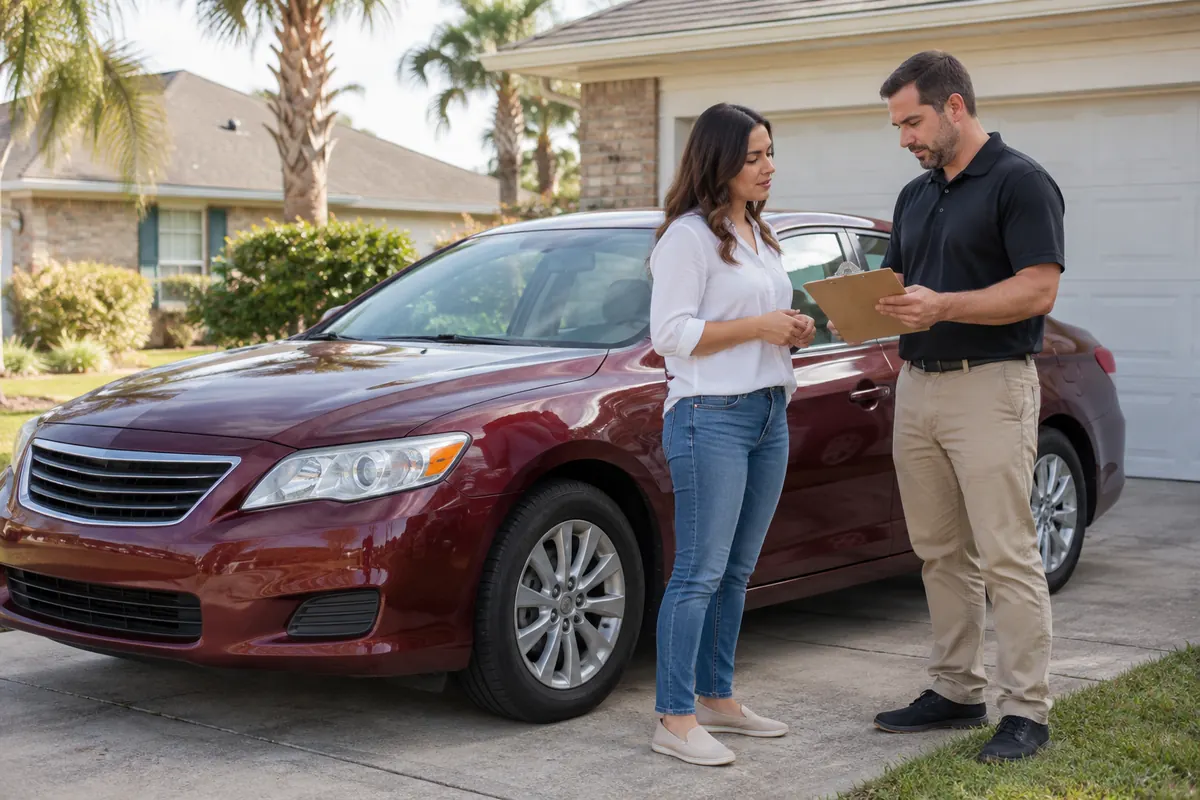
Separate the sale from the transport arrangement
Identify the buyer, seller and person coordinating the requested move, including anyone acting for them. Explain who will give collection instructions and who can approve changes to the transport request. Do not assume the person paying for transport is automatically the person who can release the vehicle. Resolve the actual release requirements directly with the responsible parties before presenting collection as ready. Keep any unresolved sale question separate from the operator’s practical pickup instructions.
If the buyer and seller are waiting on a document, payment or another decision, label that step as pending. A proposed collection window should not be used as evidence that the sale or release has been completed. Ask the parties how they will confirm readiness and identify the contact who can answer when dispatch reviews the request. Towing is not an escrow, purchase-verification or dispute-resolution process; avoid placing those responsibilities into the transport arrangement by implication.
Identify the exact vehicle and its current condition
Provide the vehicle’s make, model and relevant configuration, then identify any details needed to distinguish it from similar vehicles at the pickup site. Ask the seller or knowledgeable responsible contact for its present condition. Report key availability and known limitations on starting, rolling, steering or braking separately. An advertisement may describe an earlier condition or omit a handling issue. Tell dispatch when the information was obtained and whether it is confirmed or still being checked.
List relevant missing components, modifications and detached items expected to accompany the vehicle. A project car, partly dismantled vehicle or car with damaged wheels can create a different request from a running car in an open driveway. Describe what actually exists without offering a mechanical diagnosis or assuming that earlier photos settle the present condition. If the seller plans preparation before pickup, identify who will confirm completion. Keep proposed reassembly or repositioning distinct from work already completed.
Confirm where the seller can actually release the car
Obtain the complete pickup address and usable entrance, then describe the vehicle’s position on the property. Ask whether it is in a garage, behind a gate, blocked by other vehicles or subject to a limited access window. Identify the person who can provide authorized entry and release at the intended time. A seller’s mailing address or meeting location may not identify where the purchased vehicle is actually stored. Keep those locations clearly labeled in the request.
Confirm attendance expectations with the responsible seller-side contact. Do not assume an unattended pickup is accepted because the seller is busy or the buyer lives elsewhere. If a representative will attend, identify that person and the agreed contact process. Tell dispatch which access and release details are settled and which require review. Avoid public key-hiding instructions or broadly shared access codes. The pickup arrangement should explain how the actual vehicle becomes available without requiring the operator to infer permission.
Agree what accompanies the vehicle at handoff
Clarify keys, included components and other items that the parties expect to move. List detached parts separately rather than assuming anything near the car is included in the transport request. Ask dispatch what the proposed service covers for those items, and describe their actual storage without choosing a securing method. Private sale discussions can include accessories or boxes that are not obvious at pickup; settle their status with the parties before collection is treated as ready.
Arrange any necessary document exchange directly between the responsible parties through their accepted process. Do not assume the operator will verify purchase terms, check ownership documents or collect a sale payment. Keep personal identification, financial information and access credentials out of public messages or unnecessary photographs. If the buyer wants a condition record, agree how factual pickup and receiving observations will be recorded. A transport handoff should not be presented as a purchase inspection or a guarantee about the seller’s description.
Prepare the buyer’s receiving location before collection
Obtain the full delivery address, usable entrance and responsible receiving contact. Tell the receiver the actual vehicle condition and included items, especially if it cannot move under its own power or has detached components. A buyer’s home, workshop or storage facility may have different access restrictions from the seller’s property. Acceptance of an address alone does not establish an available unloading position or an approved unattended handoff. Ask about the arrangement that actually applies at the proposed time.
If delivery is to a repair shop or another third party, confirm its acceptance directly rather than assuming the buyer’s instructions notify the business. Identify attendance, gate or after-hours requirements before they become a last-minute problem. Ask who can approve a destination change if the receiving site becomes unavailable. Do not promise an exact arrival minute based on a preferred schedule. The receiving plan must fit the confirmed service arrangement and remain separate from any future repair authorization.
Confirm scope and maintain one current set of instructions
Give dispatch the release contact, exact vehicle condition, access facts and receiving arrangement together. Ask what availability, equipment and quoted scope can be confirmed using those facts. Identify who can approve the requested transport and any changes, and keep that person reachable. A form submission or a conversation about possible timing does not establish a booking. An estimate based on an operable vehicle may need review if the actual purchase is partly dismantled or stored in restricted access.
Update the existing request if the sale is delayed, the vehicle condition changes, keys become unavailable or either handoff contact changes. State which earlier instruction is replaced and ask for acknowledgment where the difference affects service. Do not leave dispatch with competing buyer and seller directions; have the responsible parties resolve the instruction and relay a clear current request. At delivery, use the agreed confirmation process for vehicle, keys and included items. A route completed on a map is not the same as a confirmed receiving handoff.