

B’S TOWING • GREATER NEW ORLEANS
Vehicle pickup from storage: coordinate release, access and receiving
Prefer a callback? Leave your number.
Dispatch confirms availability, equipment, timing and price. A request is not a confirmed booking.
A vehicle stored at a facility is not ready for collection just because someone has its address. Confirm release with the responsible facility contact, identify who can authorize the vehicle movement and describe the actual unit or parking position. Call B’s Towing at 504-908-0072 to discuss available service. This guide organizes the practical handoff; it does not interpret a storage contract, establish ownership or determine what a particular facility must allow.
On this page
- Confirm the vehicle release through the facility contact
- Locate the vehicle within the property
- Describe the stored vehicle honestly
- Coordinate the key holder and collection window
- Arrange a receiving destination before release
- Confirm the current arrangement and retain the handoff record
- Questions and answers
Pickup planning
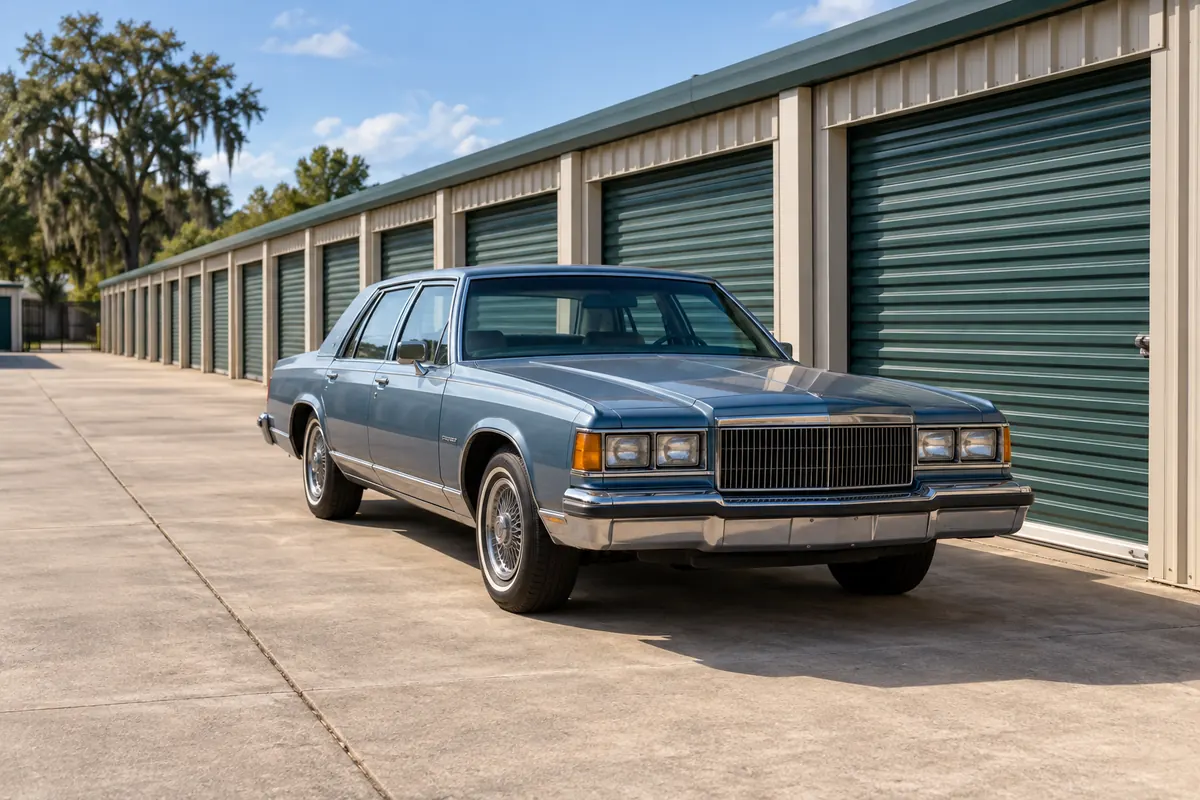
Confirm the vehicle release through the facility contact
Contact the storage business or responsible site manager about its actual vehicle collection process. Ask who must be present, which information it needs and whether any release issue remains unresolved. A unit number, gate code or set of keys does not by itself establish that collection is approved. Keep the facility's confirmation separate from the towing inquiry so dispatch knows which parts of the plan are settled and which still need attention.
Explain your role in relation to the vehicle and identify the person who can resolve authorization questions. If the storage agreement or release is disputed, use the appropriate facility and professional channels rather than asking the operator to decide it at the gate. This page does not supply a universal document list. Obtain the requirements from the actual facility and share only the information needed through its accepted process.
Locate the vehicle within the property
Give the complete site address, usable entrance and the vehicle's position inside the property. Distinguish an outdoor parking space from a vehicle inside a unit. State the unit or space identifier and a fixed landmark when useful, without posting private access details publicly. A map pin at the office may leave the operator without the approach needed to reach a vehicle at the back of the site.
Describe gates, turning space, neighboring stored items and any restrictions on the internal lane. If the facility requires staff to escort collection, name the contact and confirm how that will be arranged. Safe overview photographs can show the lane and vehicle position without exposing other customers' possessions. Do not enter a unit without permission or move surrounding property merely to make access appear clear. The actual site conditions still require review.
Describe the stored vehicle honestly
Provide the make, model and current condition, including what is known about keys, starting, rolling, steering and braking. A vehicle that ran when it entered storage should not automatically be described as running now. Identify when each observation was made and whether someone has recently accessed the vehicle. Report visible tire or wheel concerns as observations rather than assuming a diagnosis or handling method.
Mention fitted accessories, loose parts or property that affects the requested move. Keep personal belongings and unrelated stored items distinct from the vehicle being collected. Do not attempt a start, release controls or rearrange heavy items simply to answer dispatch's questions. If the current condition is unknown, say so and ask which records or authorized observations would help the review. Accurate uncertainty is more useful than a confident description based on an old photograph.
Coordinate the key holder and collection window
Identify who has the vehicle keys, who can open the unit and who handles property access. Those may be different people. Confirm a real overlap between their availability, facility access and the service arrangement that dispatch can offer. Storage office hours, gate hours and an individual's preferred appointment should not be treated as the same collection window unless the facility confirms that they align.
Give dispatch a reachable contact who can resolve an access problem at the time of collection. Do not send permanent credentials or broad account access when a narrower accepted arrangement is available. If a representative will attend, explain their role and obtain the relevant facility confirmation. A text saying the keys are somewhere inside the unit leaves important questions unanswered: who can reach them, who is permitted to hand them over and what happens if that person is delayed.
Arrange a receiving destination before release
Confirm where the vehicle will go and who accepts it in its actual condition. A repair business may need specific receiving arrangements for a stored vehicle that cannot move normally. Give the exact address, usable entrance and responsible contact. If the vehicle is returning to a private property, confirm that access and the proposed receiving position can be reviewed rather than assuming an empty driveway settles the entire handoff.
Decide what happens to belongings or loose parts that are staying in storage. Do not imply that the towing request includes clearing a unit, delivering unrelated property or closing the storage agreement. Ask about any additional requested scope explicitly. Keep the vehicle release and the customer's storage account responsibilities separate, and follow the facility's process for the latter. One completed vehicle move does not automatically resolve the remaining contents or account.
Confirm the current arrangement and retain the handoff record
Read back the released vehicle, pickup position, access contact, key arrangement and destination. Ask dispatch about the reviewed scope, availability, equipment, timing and price. Identify any condition still pending, such as facility approval or a receiver's response. A submitted form does not authorize entry or confirm collection from a restricted site. Treat the plan as current only when the relevant parties have actually confirmed their parts.
Update the same request if the facility changes its window, the vehicle condition differs, keys cannot be located or another person takes over access. State which earlier instruction is replaced. Keep the coordinating contact reachable until receiving is complete, and retain actual release and delivery details. Do not treat an intended collection date as proof that the vehicle left storage; use the completed handoff information to close the record.