

B’S TOWING • GREATER NEW ORLEANS
A disabled vehicle blocked by another car: resolve access before pickup
Prefer a callback? Leave your number.
Dispatch confirms availability, equipment, timing and price. A request is not a confirmed booking.
A disabled car may have a clear address yet remain inaccessible because another parked vehicle blocks its approach. Tell dispatch about that obstruction at the first contact and coordinate the responsible property or vehicle contact. Call B’s Towing at 504-908-0072 to discuss available help. This guide organizes access information; it does not authorize moving someone else's property, provide vehicle-entry instructions or promise that a particular obstruction can be worked around.
On this page
- Describe the obstruction and the disabled vehicle together
- Identify who can arrange removal of the obstruction
- Describe alternative access without assuming it is approved
- Coordinate the access window with the key holders
- Keep the destination and additional work explicit
- Confirm clearance and report a renewed obstruction
- Questions and answers
Pickup planning
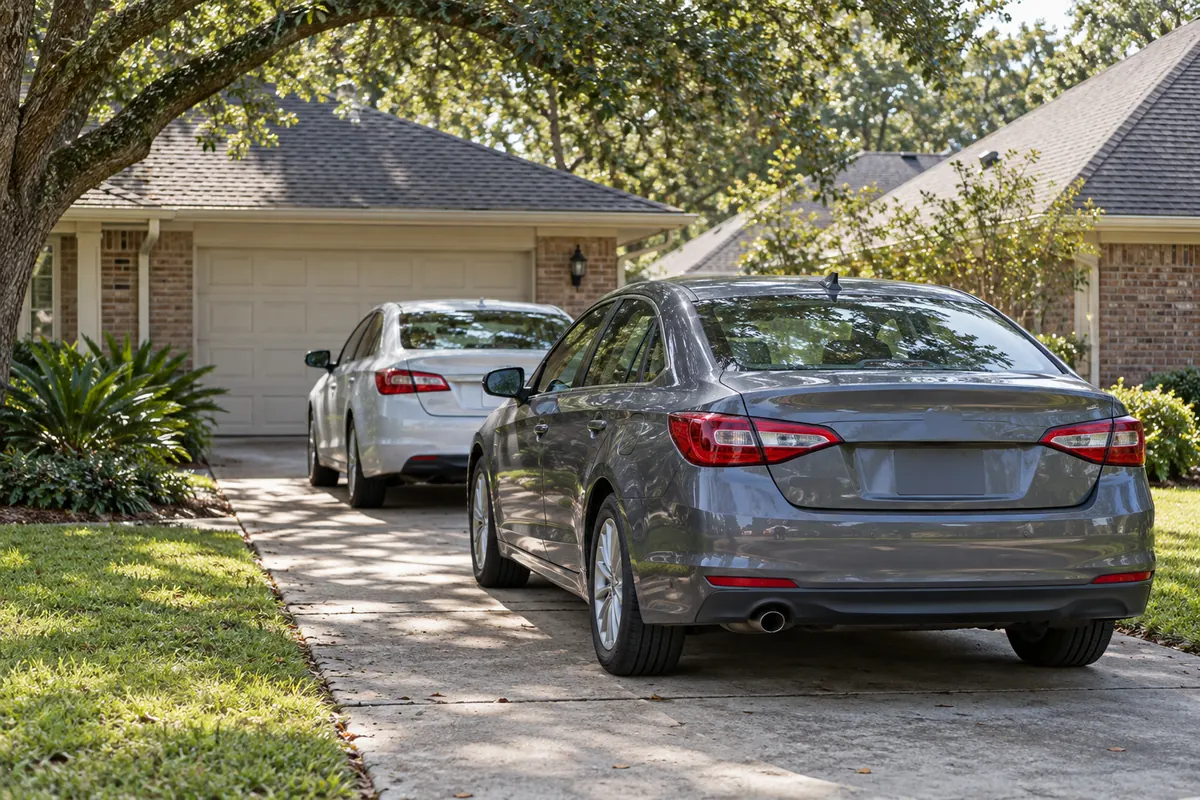
Describe the obstruction and the disabled vehicle together
Give the make, model and position of the disabled vehicle, then explain what blocks access. Distinguish another parked car from a gate, stored equipment or a narrow physical entrance. State whether the obstruction prevents approach from the street, access beside the vehicle or both. A description such as parked in the driveway may omit the detail that another car occupies the only visible route.
Report what you can observe without assuming the operator can use a different path. Identify keys and known movement limitations for the disabled car, and keep those facts separate from the blocking vehicle's status. If you have an overview photograph from a safe authorized position, it can help explain the layout. Do not move the disabled car, enter another vehicle or rearrange property simply to make the inquiry appear ready for service.
Identify who can arrange removal of the obstruction
Contact the person responsible for the blocking vehicle or the property through the appropriate channel. Explain the access problem and ask what arrangement can actually be confirmed. Knowing the vehicle's owner is different from having that person reachable, present and able to act at the agreed time. Do not promise dispatch that the obstruction will be gone based only on an unanswered message or an expectation that someone usually returns soon.
This page does not determine ownership rights, parking enforcement or permission to move another person's property. If those matters are disputed, use the relevant property or professional process rather than asking the operator to resolve them during collection. Give dispatch the practical status: the responsible contact is confirmed, access is pending or the obstruction cannot currently be addressed. Accurate status helps distinguish a reviewed pickup from an unresolved access problem.
Describe alternative access without assuming it is approved
If another entrance or approach appears possible, describe it and identify who controls that area. Explain surface changes, narrow spaces, overhead restrictions or neighboring property along the route. A side path visible in a photograph is not proof that equipment can use it, and a nearby driveway should not be treated as available without the necessary property arrangement.
Ask the operator to review the actual access rather than selecting a maneuver or recovery method yourself. Do not remove a fence, cross landscaping or direct activity onto another property just to avoid the parked car. If the property manager supplies current instructions, identify that source. Keep access permission and equipment suitability as separate questions; an approved entrance may still need review for the actual disabled vehicle, while a visually open route may lack permission.
Coordinate the access window with the key holders
Identify who will provide keys for the disabled car and who handles the blocking vehicle or gate. Confirm when those people can actually be available. If the obstruction can only be addressed during a limited period, tell dispatch before treating a preferred pickup time as settled. A person arriving eventually is not a confirmed overlap with the service arrangement being reviewed.
Give one reachable contact responsibility for access updates. If someone leaves after moving the blocking car, make sure the agreed vehicle and property handoff still works. Do not leave keys or broad access credentials in an unconfirmed location. If the access plan changes, update the existing request with what is now possible instead of allowing several contacts to send different versions. The vehicle location may stay the same while the practical collection conditions change substantially.
Keep the destination and additional work explicit
Confirm the intended receiver for the disabled vehicle, including acceptance of its condition, the full address and a contact for arrival. The immediate obstruction does not replace the need for a complete receiving plan. Keep the blocking vehicle distinct from the unit being collected, and identify any request involving it as separate proposed scope rather than assuming both vehicles are included.
Ask dispatch what information is needed to review the access and requested movement. Do not infer a price, additional stop or special maneuver from a general towing inquiry. If the responsible owner plans to move the obstruction independently, state that as their arrangement and report its actual completion. The reviewed service should describe the disabled vehicle and conditions that will exist, not rely on an unconfirmed promise about another person's car.
Confirm clearance and report a renewed obstruction
Tell dispatch when the agreed access change has actually occurred, if that is relevant to the accepted arrangement. Describe the current space rather than saying everything is clear when another restriction remains. Ask about the reviewed scope, availability, timing and price. A submitted request or access photograph does not by itself confirm that equipment can reach the vehicle or that the service has been booked.
Report a new parked vehicle, locked gate, absent key holder or changed receiving plan promptly through the same request. State which earlier information is replaced. Keep the responsible contact reachable through collection and retain actual handoff details. Do not treat this planning page as authorization to resolve a parking dispute or as a promise that every blocked position can be served. The final arrangement depends on actual access and the operator's review.